
Sanrisso (Rilertinib Mesylate Tablets) – NSCLC | HongKong DengYue Medicine
- Generic Name/Brand Name: Rilertinib Mesylate Tablets/Sanrisso
- Indications: NSCLC
- Dosage Form: Tablets
- Specification: 100 mg × 20
Rilertinib Mesylate Tablets Application Scope
Treatment of adult patients with locally advanced or metastatic non-small cell lung cancer (NSCLC) who have experienced disease progression during or after previous treatment with epidermal growth factor receptor (EGFR) tyrosine kinase inhibitors (TKI), and have been confirmed by testing to be positive for the EGFR T790M mutation. It is also approved as first-line treatment for locally advanced or metastatic NSCLC with EGFR exon 19 deletion or exon 21 L858R substitution mutations.
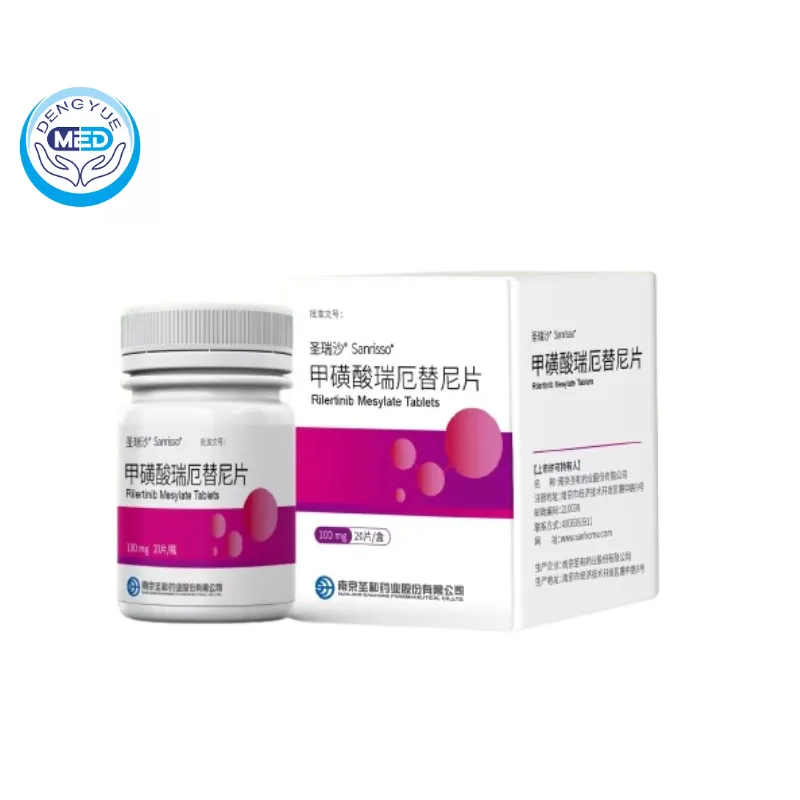
Rilertinib Mesylate Tablets Characteristics
-
Ingredients: Active ingredient is rilertinib mesylate (chemical formula C32H41N7O5S; alternative names include oritinib mesylate, SH-1028 mesylate). Inactive ingredients are not publicly specified in available sources.
-
Properties: Oral film-coated tablets.
-
Packaging Specification: 20 tablets per bottle (available in 100 mg strength; however, recommended dose is 200 mg, so dosing may require multiple tablets).
-
Storage: Store at 20–25°C, sealed and protected from light and moisture.
-
Expiry Date: As stated on the packaging
-
Executive Standard: Category 1 innovative drug (China NMPA classification).
-
Approval Number: H20240020 (China NMPA); Drug Code 86901583000930.
-
Date of Revision: Not publicly specified; latest indication approvals as of September 3, 2024 (for EGFR exon 19 deletions and exon 21 substitutions) and June 11, 2024 (for EGFR T790M mutation).
-
Manufacturer: Nanjing Sanhome Pharmaceutical Co., Ltd.
Guidelines for the Use of Rilertinib Mesylate Tablets
-
Dosage and Administration:
-
Recommended Dose: Recommended Dose: 200 mg once daily.
-
Administration: Oral administration (with or without food; no specific restrictions noted in trials).
-
Missed Dose: Not publicly specified in available sources; standard guidance for similar EGFR TKIs suggests taking the missed dose as soon as remembered unless close to the next dose, but consult a physician.
-
-
Adverse Reactions:
-
Common Adverse Reactions: Rash, diarrhea, elevated liver enzymes, hematologic toxicity (mostly mild to moderate, Grade 1 or 2).
-
Serious Adverse Reactions: Increased blood creatine phosphokinase (dose-limiting in higher doses); interstitial lung disease (monitor as a class effect for EGFR TKIs); serious adverse events occurred in approximately 20% of patients in Phase 1 trials.
-
-
Contraindications: Not publicly specified in available sources (no contraindications listed in clinical data or approvals).
-
Precautions:
- Monitor for signs of interstitial lung disease, rash, diarrhea, and liver function abnormalities. Use caution with drugs or foods affecting CYP3A4 activity, as rilertinib is metabolized primarily by CYP3A4; strong inhibitors (e.g., itraconazole) or inducers (e.g., rifampicin) may alter pharmacokinetics.
Rilertinib Mesylate Tablets Interactions
- Interactions with CYP3A4 inhibitors or inducers (e.g., itraconazole increases exposure, rifampicin decreases exposure; dose adjustments may be needed). In vitro studies show slight inhibition of other CYP enzymes (1A2, 2B6, 2C19, 2D6, 3A4), but no significant effects at clinical doses.
Note:
- If there is a new packaging for the drug, the new packaging shall prevail. The above information is sourced from DengYue Medicine.
- This content is for reference only. Prescription drugs must be used under a doctor’s guidance and purchased from authorized sources.
Related products
-

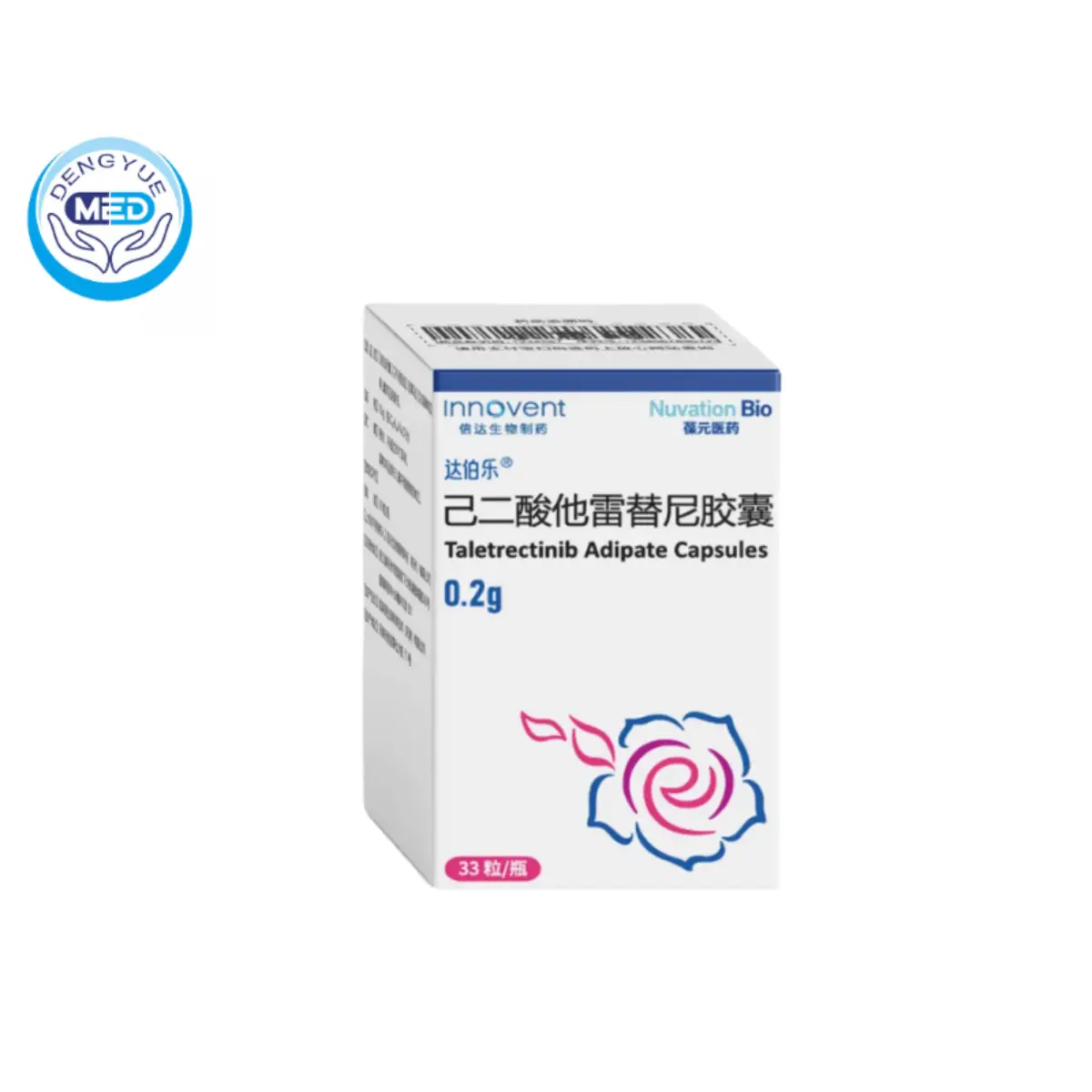
Taletrectinib Adipate Capsules|Non–small cell lung cancer
-

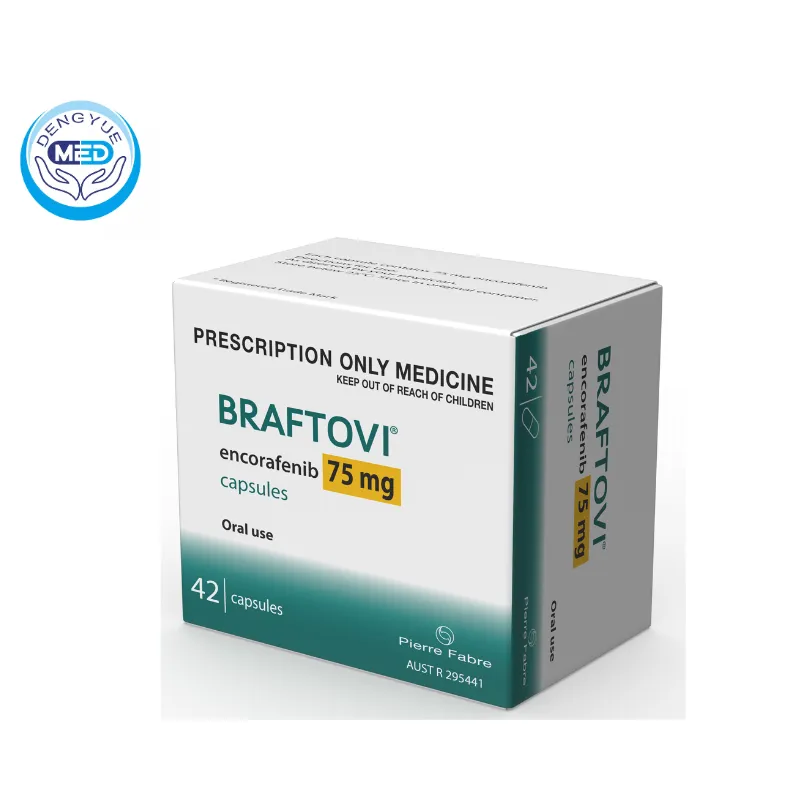
Encorafenib|Non-Small Cell Lung Cancer|HongKong DengYue Medicine
-
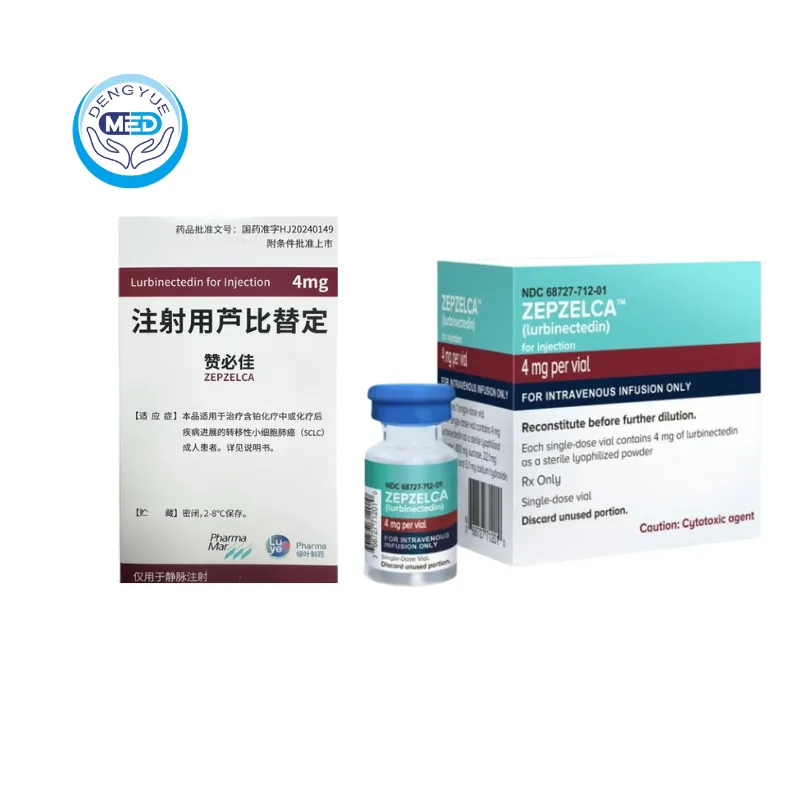
Zepzalca (Lurbinectedin) – NSCLC|HongKong DengYue Medicine
-
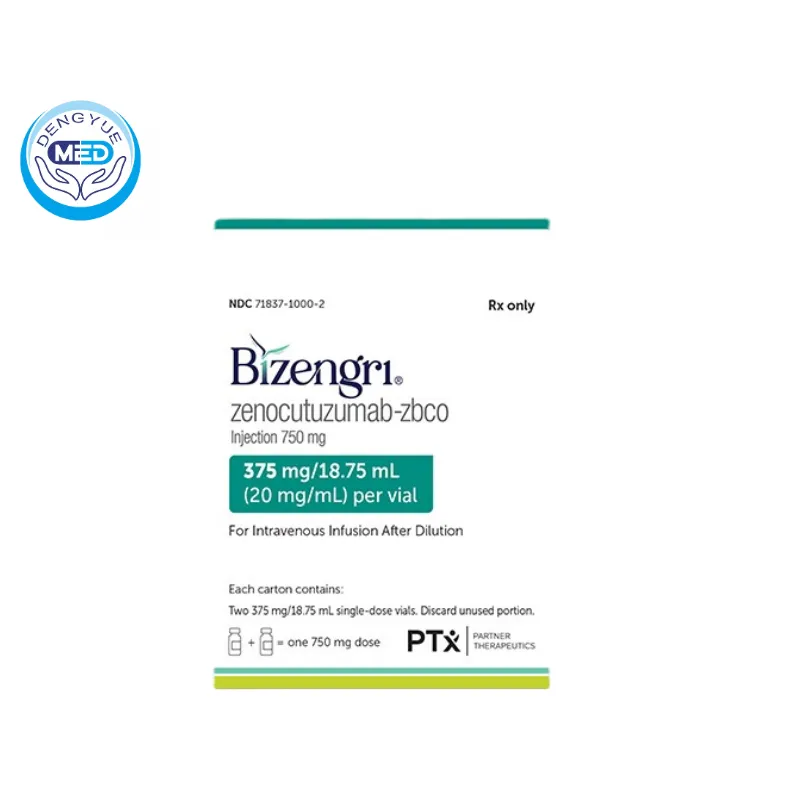
Zenocutuzumab-Zbco|Non-Small Cell Lung Cancer|HongKong DengYue Medicine
-
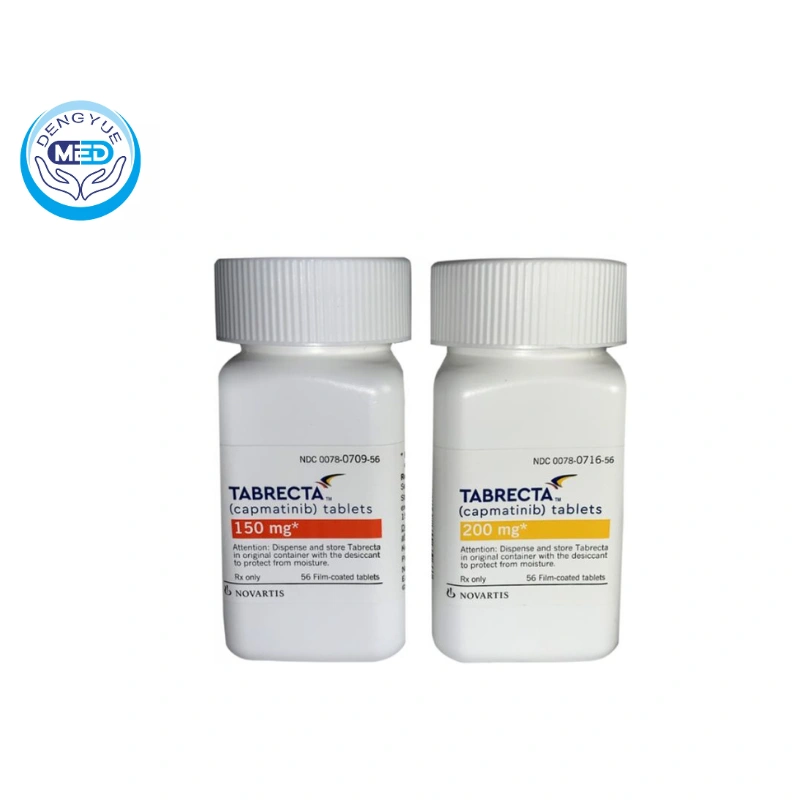
Capmatinib|Non-Small Cell Lung Cancer (NSCLC)
-
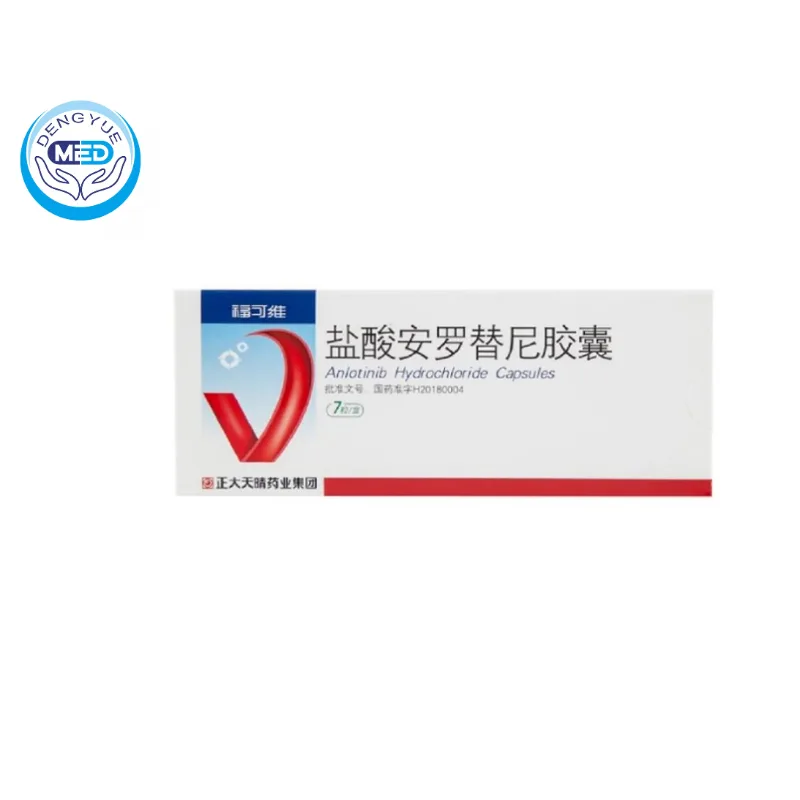
Fukewai (Anlotinib Hydrochloride) – NSCLC | HongKong DengYue Medicine
-
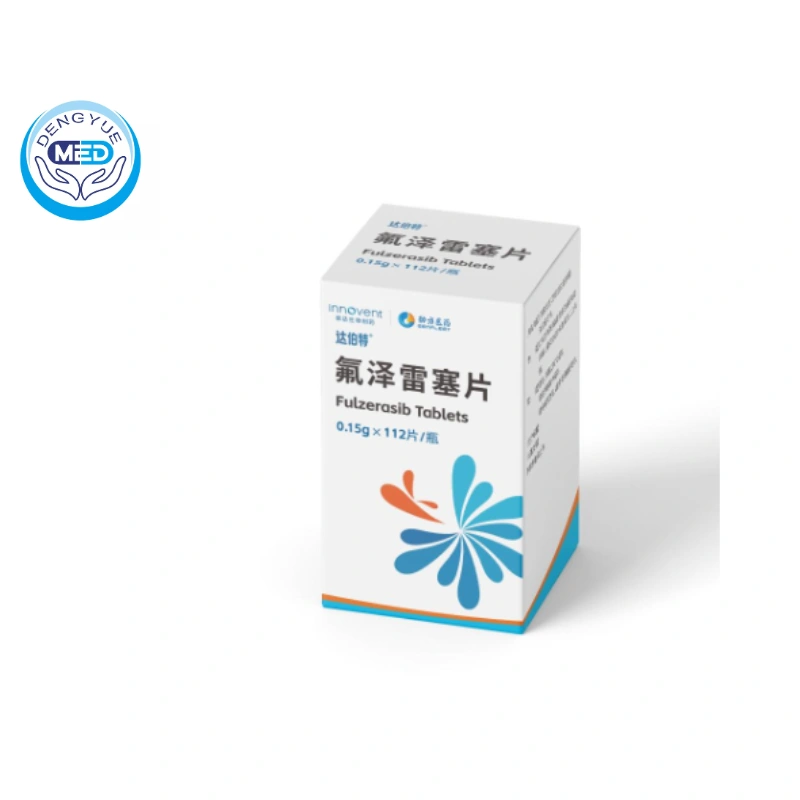
Fulzerasib|Non-Small Cell Lung Cancer (NSCLC)|HongKong DengYue Medicine
-
Selpercatinib|Thyroid Cancer|HongKong DengYue Medicine
Reviews
There are no reviews yet.