
Rilonacept For Injection|Interleukin-1β (IL-1β)
- Generic Name/Brand Name:Rilonacept for Injection/ARCALYST
- Indications: Interleukin-1β
- Dosage Form: lyophilized powder
- Specification: 220mg
Rilonacept for Injection Application Scope
Rilonacept is a biologic therapy used for the treatment of auto-inflammatory conditions, particularly Cryopyrin-Associated Periodic Syndromes (CAPS). These include conditions like Familial Cold Autoinflammatory Syndrome (FCAS) and Muckle-Wells Syndrome (MWS). It works by targeting and inhibiting the activity of interleukin-1β (IL-1β), a key protein in the inflammatory process.
This medicine is also used for the management of Systemic Juvenile Idiopathic Arthritis (SJIA) and can be helpful in reducing the frequency and severity of flares associated with non-infectious, auto-inflammatory conditions.

Rilonacept Package Insert
Ingredients:
- Active Ingredient: Rilonacept (recombinant fusion protein that combines the extracellular domains of the interleukin-1 receptor and the IL-1 receptor accessory protein).
- Inactive Ingredients: Sodium chloride, sodium phosphate, and water for injection.
Properties:
- It is a selective IL-1β inhibitor and works by binding to the IL-1 receptor, preventing IL-1β from binding and triggering the inflammatory response. This results in a reduction in inflammation associated with the diseases treated.
Specification:
- 220mg
Packaging Specification:
- Each pre-filled syringe contains 150 mg of Rilonacept. It is packaged in a sterile environment to maintain its integrity.
- Also available in single-use vials depending on treatment needs.
Storage:
- Rilonacept should be stored at 2°C to 8°C (36°F to 46°F) in a refrigerator.
- It should not be frozen.
- Keep the solution in its original packaging to protect it from light.
Expiry Date:
- The expiration date is typically 24 months from the manufacturing date, but the exact expiry should be verified on the packaging.
Executive Standard:
- The product complies with regulatory standards for biologic medications, including guidelines from the FDA (U.S.), EMA (EU), or other relevant health authorities in different regions.
Approval Number:
- Approval is dependent on the country. In the U.S., the approval number is associated with the FDA (Drug Approval number).
Date of Revision:
- This would be listed on the most recent product label or datasheet, following any updates or changes in formulation or usage instructions.
Manufacturer:
- Regeneron Pharmaceuticals is the company responsible for the development and commercialization of Rilonacept.
Guidelines for the Use of Rilonacept for Injection
Rilonacept Uses, Dosage and Administration:
-
It is administered subcutaneously. The usual dosing regimen is:
- Initial dose: 320 mg as a single subcutaneous injection.
- Maintenance doses: 160 mg every two weeks after the initial dose.
- For systemic juvenile idiopathic arthritis (SJIA): The recommended dose for children is based on body weight and ranges from 80 mg to 320 mg every two weeks.
-
Pre-injection instructions:
- Allow the syringe to reach room temperature before injecting.
- Check the solution for particulate matter or discoloration; the solution should be clear and colorless.
Rilonacept Side Effects:
- Common side effects include injection site reactions (pain, redness, or swelling), upper respiratory tract infections, headache, and nausea.
- Serious adverse events may include severe infections, such as tuberculosis or bacterial infections, due to the immunosuppressive action of the drug.
- Patients should be monitored for signs of serious infections or systemic reactions.
Rilonacept for Injection Medication Limitations
Contraindications:
- Active infections, especially systemic infections like tuberculosis.
- Known hypersensitivity to Rilonacept or any of its components.
- Severe immunosuppressive conditions that would increase the risk of infection.
- Pregnancy: It is classified as Category C, which means its safety during pregnancy is not established, so it should be used only when absolutely necessary.
Precautions:
- It should be used with caution in patients with renal or hepatic impairment, as the metabolism may be altered.
- Live vaccines should be avoided during treatment because the drug may weaken immune response.
- Close monitoring for infections is required, and patients should be screened for latent tuberculosis before starting therapy.
- It is recommended that patients be given concurrent vaccines before starting Rilonacept therapy, as the immune response to vaccines could be decreased during treatment.
Rilonacept for Injection Interactions
Drug Interactions:
- Immunosuppressive agents: Concurrent use with other immunosuppressants or biologic agents could increase the risk of infections or other immune-related complications.
- Live Vaccines: Avoid using live vaccines during treatment, as Rilonacept may impair the body’s ability to mount a proper immune response.
- Cytochrome P450 Enzyme Substrates: Although it is not known to strongly interact with cytochrome P450 enzymes, caution should be exercised when used with medications that are metabolized through these pathways.
Note:
- If there is a new packaging for the drug, the new packaging shall prevail. The above information is sourced from HongKong DengYue Medicine. It is only for internal discussion among medical staff and does not serve as a basis for medication. For specific medication guidelines, please consult the attending physician.
Related products
-

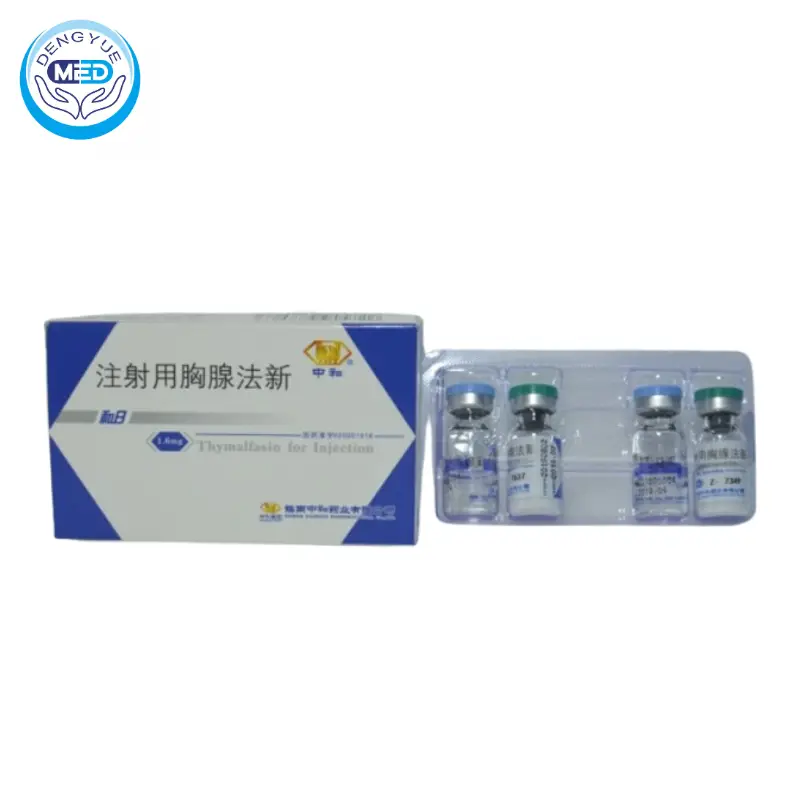
Thymalfasin for Injection – Adjuvant for Influenza Vaccine
-

Nusinersen Injection – Spinal Muscular Atrophy
-
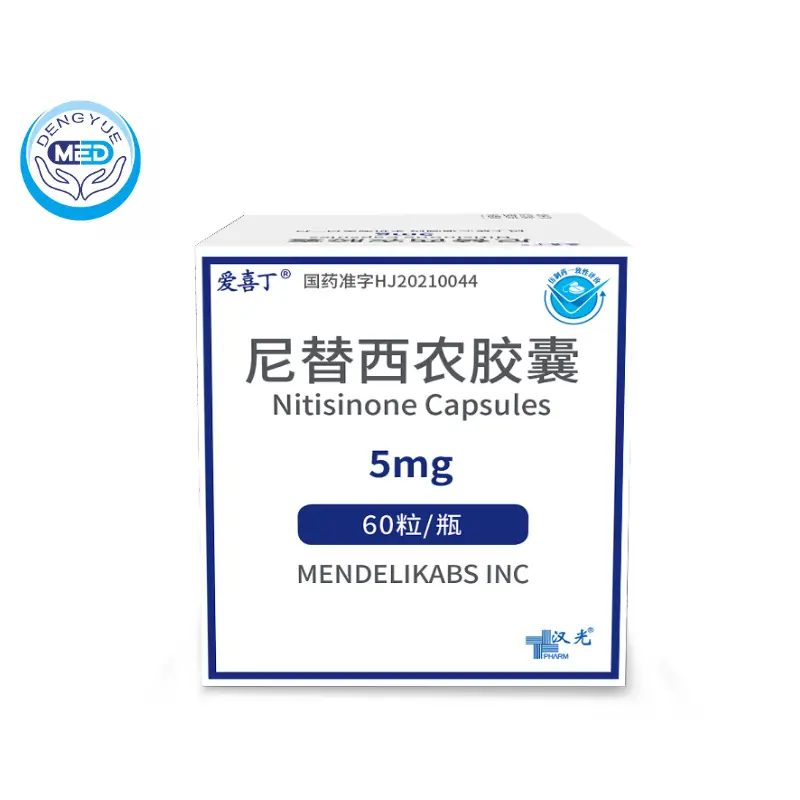
Nitisinone Capsules | Hereditary Tyrosinemia Type 1
-
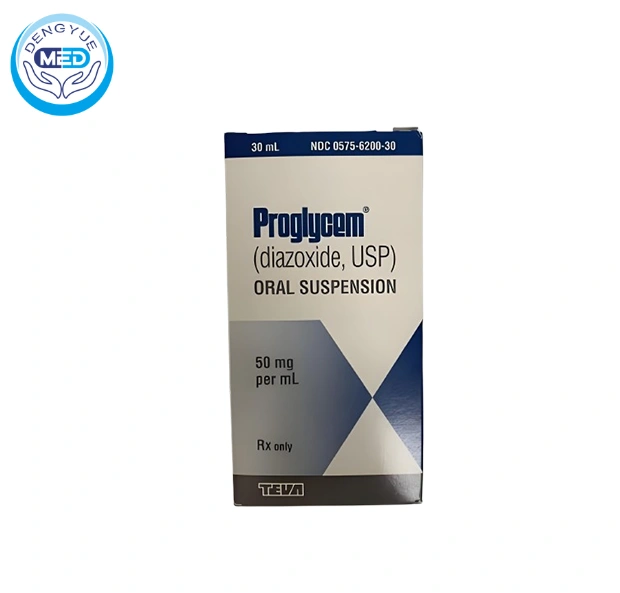
Proglycem Diazoxide | Hyperinsulinemic Hypoglycemia | DengYueMedicine
-
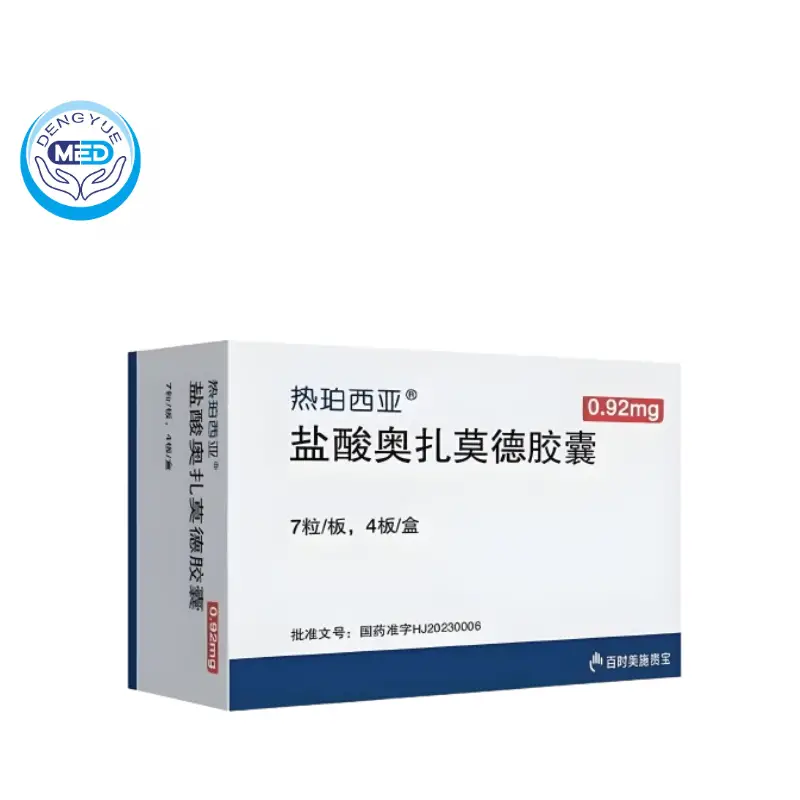
Ozamode/Ozanimod Hydrochloride Capsules
-
Agalsidase Alfa | Anti Fabry Disease
-
Risdiplam Oral Solution For Spinal Muscular Atrophy
-
Enspryng Satralizumab | Optic Nerve Myelitis Spectrum Disorders

Reviews
There are no reviews yet.