
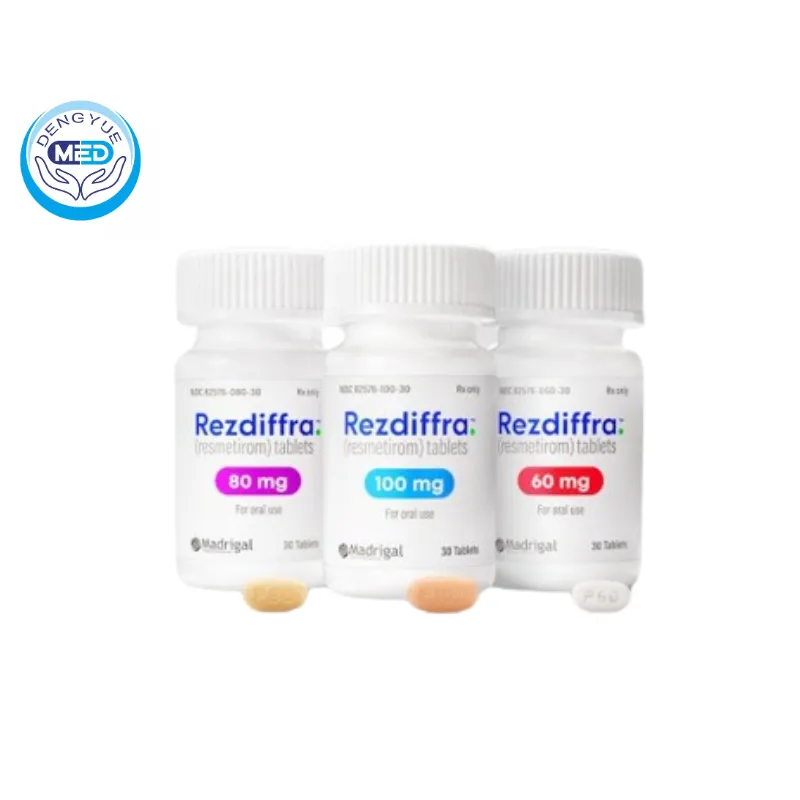
Resmetirom | Nonalcoholic Steatohepatitis | HongKong DengYue Med
- Generic Name/Brand Name: Resmetirom/ Rezdiffra
- Indications: Noncirrhotic nonalcoholic steatohepatitis (NASH)
- Dosage Form: Oral tablets
- Specification: Details on packaging are not specified in the available sources.
Resmetirom Application Scope
Resmetirom is approved for use in conjunction with diet and exercise to treat adults with noncirrhotic nonalcoholic steatohepatitis (NASH) accompanied by moderate to advanced liver fibrosis (stages F2 to F3).
Resmetirom Characteristics
-
Ingredients:
- Active ingredient: resmetirom; excipients include colloidal silicon dioxide, croscarmellose sodium, magnesium stearate, mannitol, microcrystalline cellulose, and film coating agents such as polyethylene glycol, polyvinyl alcohol, talc, titanium dioxide, red iron oxide (100 mg tablets), and yellow iron oxide (80 mg and 100 mg tablets).
-
Properties: Selective thyroid hormone receptor-beta (THR-β) agonist targeting liver-specific pathways to reduce fat accumulation and inflammation.
-
Packaging Specification: Available in bottles of 30 or 90 tablets, depending on strength.
-
Storage: Store at 20°C to 25°C (68°F to 77°F); excursions permitted between 15°C and 30°C (59°F and 86°F).
-
Expiry Date: Unknown
-
Executive Standard: Unknown
-
Approval Number: FDA NDA #217785
-
Date of Revision: Unknown
-
Manufacturer: Madrigal Pharmaceuticals
Guidelines for the Use of Resmetirom
-
Dosage and Administration:
-
Standard Dosage:
-
Patients weighing <100 kg: 80 mg orally once daily
-
Patients weighing ≥100 kg: 100 mg orally once daily
-
Administer with or without food.
-
-
Dosage Adjustments:
-
When used with moderate CYP2C8 inhibitors (e.g., clopidogrel):
-
<100 kg: reduce to 60 mg once daily
-
≥100 kg: reduce to 80 mg once daily
-
-
-
-
Adverse Reactions:
Common adverse reactions (≥5% of patients and higher compared to placebo):
-
Diarrhea
-
Nausea
-
Pruritus (itching)
-
Vomiting
-
Constipation
-
Abdominal pain
-
Dizziness
-
Diarrhea and nausea were the most common causes of treatment discontinuation.
-
-
Contraindications: No specific contraindications are listed.
-
Precautions:
-
Hepatotoxicity:
-
Monitor liver function tests and watch for symptoms like fatigue, nausea, vomiting, right upper quadrant pain, jaundice, fever, rash, or eosinophilia.
-
Discontinue if hepatotoxicity is suspected.
-
-
Gallbladder-related Adverse Reactions:
-
Cases of cholelithiasis, acute cholecystitis, and obstructive pancreatitis have been observed.
-
If such conditions are suspected, conduct appropriate diagnostic studies and consider interrupting treatment until resolution.
-
-
Use in Specific Populations:
-
Avoid use in patients with decompensated cirrhosis (Child-Pugh Class B or C) due to increased exposure and risk of adverse reactions.
-
Safety and effectiveness have not been established in patients with NASH cirrhosis.
-
No dosage adjustment is necessary for patients with mild hepatic impairment.
-
No dosage adjustment is necessary for patients with mild to moderate renal impairment; resmetirom has not been studied in patients with severe renal impairment.
-
-
Resmetirom Interactions
- Drug Interactions:
-
CYP2C8 Inhibitors:
-
Concomitant use with strong CYP2C8 inhibitors (e.g., gemfibrozil) is not recommended.
-
If used with moderate CYP2C8 inhibitors (e.g., clopidogrel), reduce resmetirom dosage as specified above.
-
-
OATP1B1 and OATP1B3 Inhibitors:
-
Concomitant use with inhibitors such as cyclosporine is not recommended due to increased resmetirom exposure.
-
-
Statins:
-
Resmetirom increases plasma concentrations of certain statins (e.g., atorvastatin, pravastatin, rosuvastatin, simvastatin).
-
Limit daily dosages:
-
Rosuvastatin and simvastatin: 20 mg
-
Pravastatin and atorvastatin: 40 mg
-
-
Monitor for statin-related adverse reactions, including liver enzyme elevations, myopathy, and rhabdomyolysis.
-
-
CYP2C8 Substrates:
-
Resmetirom is a weak CYP2C8 inhibitor and may increase exposure to CYP2C8 substrates.
-
Monitor patients more frequently for substrate-related adverse reactions if co-administered with CYP2C8 substrates where minimal concentration changes may lead to serious adverse reactions.
-
Note:
- If there is a new packaging for the drug, the new packaging shall prevail. The above information is sourced from DengYue Medicine.
- It is only for internal discussion among medical staff and does not serve as a basis for medication. For specific medication guidelines, please consult the attending physician.
Related products
-

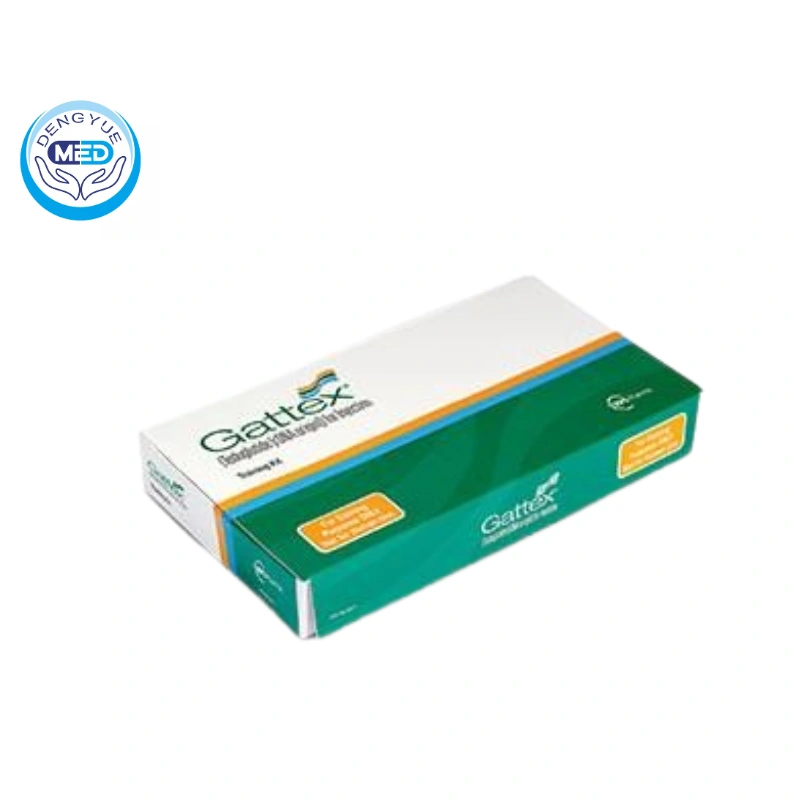
Gattex Teduglutide | Short Bowel Syndrome | DengYueMedicine
-
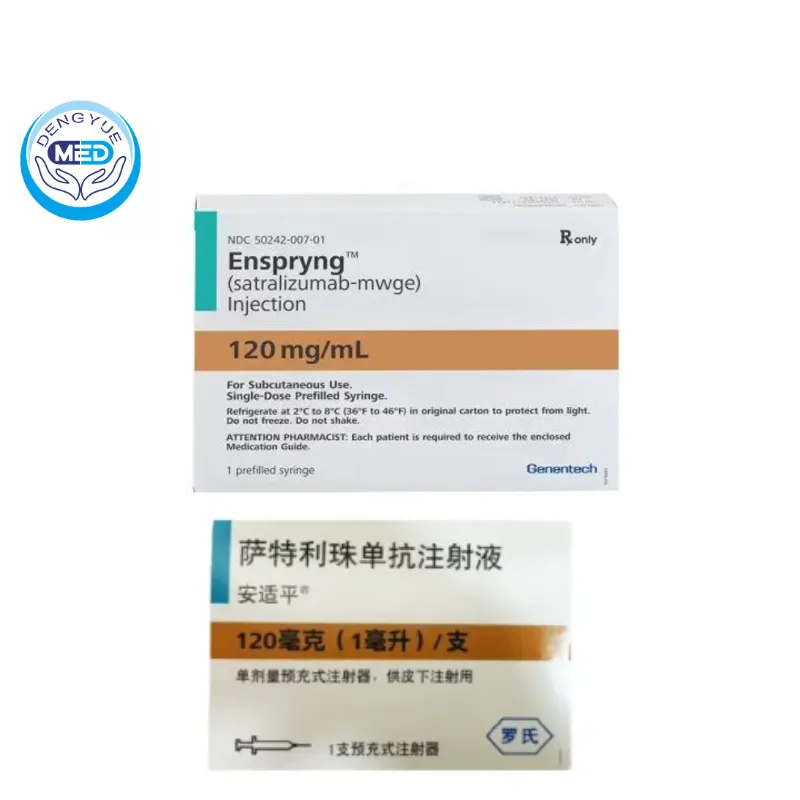
Enspryng Satralizumab | Optic Nerve Myelitis Spectrum Disorders
-
Aidixi Disitamab Vedotin Of Injection | HER2-Overexpressing | DengYueMedicine
-
Vimizim Elosulfase Alpha | Mucopolysaccharidosis Type IV
-

Proglycem Diazoxide | Hyperinsulinemic Hypoglycemia | DengYueMedicine
-
Agalsidase Alfa | Anti Fabry Disease
-

Syprine Trientine Hydrochloride Tablets | Wilson’s Disease | DengYueMedicine
-
Myozyme(Alglucosidase Alfa )- Pompe Disease
.webp "Vimizim Elosulfase Alpha | Mucopolysaccharidosis Type IV")
.webp "Myozyme(Alglucosidase Alfa )- Pompe Disease")
Reviews
There are no reviews yet.