
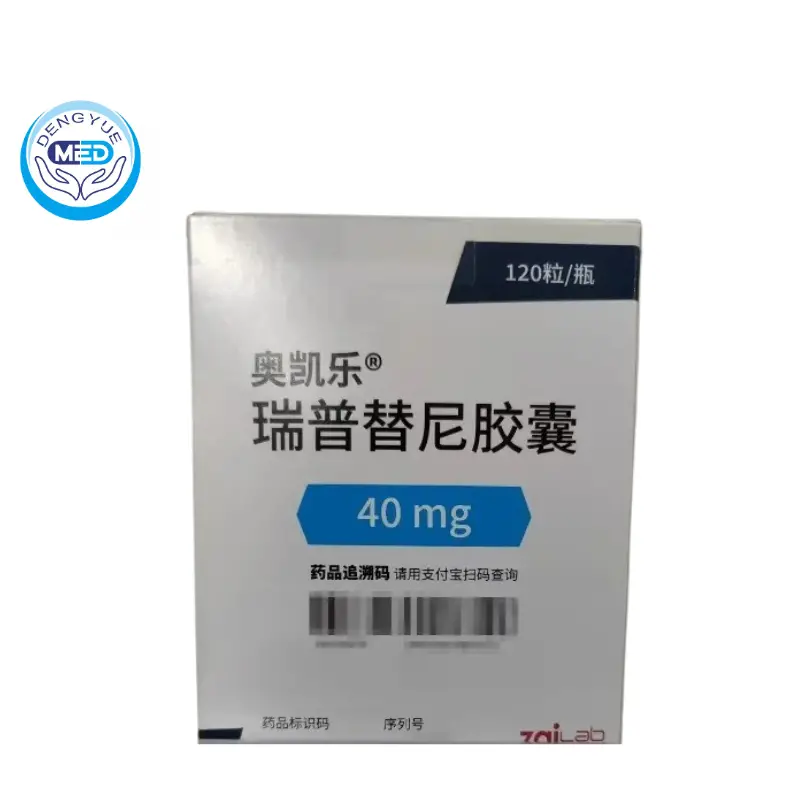
Repotrectinib NTRK | Non-small Cell Lung Cancer
- Generic Name/Brand Name: Repotrectinib/Augtyro
- Indications: NSCLC, solid tumors, Lung Cancer
- Dosage Form: Oral hard-shell capsules
- Specification: 40 mg and 160 mg
Repotrectinib Application Scope
Repotrectinib is a next-generation tyrosine kinase inhibitor (TKI) that targets ROS1, NTRK, and ALK fusion proteins.
It is indicated for patients whose tumors harbor these specific genetic alterations and is administered orally as described in the dosing guidelines below.
Repotrectinib Characteristics
- Ingredients: repotrectinib
- Properties:
A small-molecule kinase inhibitor presented as a white to off-white powder.
Molecular formula: C₁₈H₁₈FN₅O₂; molecular weight: approximately 355.37 Daltons. - Specification:
Available in capsule form (40 mg and 160 mg).
Quality and purity are maintained in accordance with FDA-approved manufacturing standards. - Packaging Specification:
Capsules are supplied in blister packs or bottles as per the approved packaging.
The 40 mg capsules (often marked “REP 40” in blue) and the 160 mg capsules (marked “REP 160” in white) adhere to the product labeling details. - Storage:
Store at controlled room temperature (typically 20–25°C) in a dry environment; protect from moisture and direct light. -
Expiry Date:
As specified on the package insert (check individual product labeling). -
Executive Standard:
Manufactured in compliance with Good Manufacturing Practices (GMP) and meets all regulatory quality standards. -
Approval Number:
FDA approval was granted in November 2023 (for ROS1-positive NSCLC) and subsequently expanded for NTRK-positive solid tumors. Specific label numbers are available in the prescribing information. -
Date of Revision:
Latest revision dates on the product label are around mid-2024 (e.g., June 2024). -
Manufacturer:
Bristol Myers Squibb Company (marketed as Augtyro™).
Guidelines For The Use Of Repotrectinib NTRK
Dosage and Administration:
• Recommended Dose for ROS1-positive NSCLC:
– Days 1–14: 160 mg orally once daily
– Day 15 onward: 160 mg orally twice daily
• For NTRK-positive solid tumors (patients ≥12 years):
– The same dosing regimen as above is recommended.
• Capsules should be swallowed whole with water (do not chew, crush, or open).
• Take with or without food; maintain consistent dosing time each day.
Adverse Reactions:
• Common adverse reactions include: dizziness, dysgeusia, peripheral neuropathy, constipation, dyspnea, fatigue, ataxia, cognitive impairment, muscular weakness, and nausea.
• Additional warnings: monitor for CNS effects, interstitial lung disease/pneumonitis, hepatotoxicity, myalgia with creatine phosphokinase elevation, hyperuricemia, skeletal fractures, and embryo-fetal toxicity.
Contraindications:
• No absolute contraindications are noted; however, it should not be used in patients with a known hypersensitivity to any of its components.
Precautions:
• Monitor liver function tests (ALT, AST, bilirubin), CPK levels, and serum uric acid before and during treatment.
• Advise patients on potential CNS effects (e.g., dizziness, cognitive changes) and to avoid driving or operating machinery if affected.
• Avoid concomitant use with strong or moderate CYP3A inhibitors, P‑gp inhibitors, and CYP3A inducers, as these may alter repotrectinib plasma levels.
• It is a CYP3A4 inducer and may reduce the effectiveness of hormonal contraceptives; nonhormonal methods are recommended during treatment and for specified periods post-therapy (2 months for women, 4 months for men).
Repotrectinib Side Effects:
• Most frequently reported include: dizziness, dysgeusia, peripheral neuropathy, constipation, dyspnea, fatigue, ataxia, cognitive impairment, muscular weakness, and nausea.
• Patients should be informed about the risk of serious adverse events, including those related to the central nervous system and potential embryo-fetal toxicity.
Repotrectinib Interactions
Drug Interactions:
Avoid use with strong or moderate CYP3A inhibitors (or inducers) and P‑gp inhibitors due to potential increases or decreases in its levels.
Because it is a CYP3A4 inducer, caution is warranted when co-administering with drugs metabolized by CYP3A4, including certain hormonal contraceptives, which may become less effective.
Note:
- If there is a new packaging for the drug, the new packaging shall prevail. The above information is sourced from HongKong DengYue Medicine. It is only for internal discussion among medical staff and does not serve as a basis for medication. For specific medication guidelines, please consult the attending physician.
Related products
-

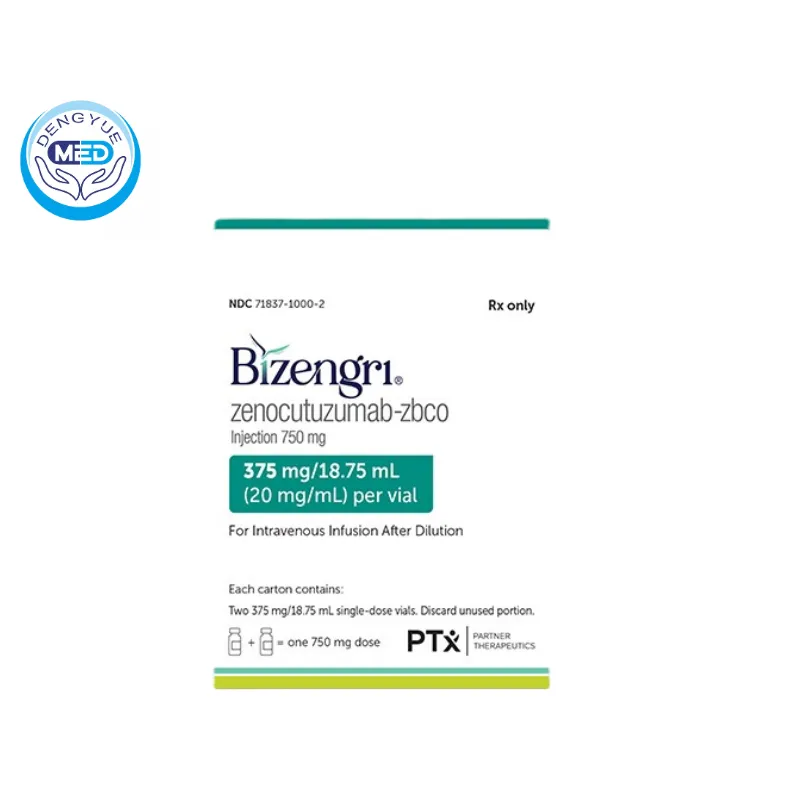
Zenocutuzumab-Zbco|Non-Small Cell Lung Cancer|HongKong DengYue Medicine
-
Tetrandrine Tablets | Anti Rheumatism | Lung Cancer
-
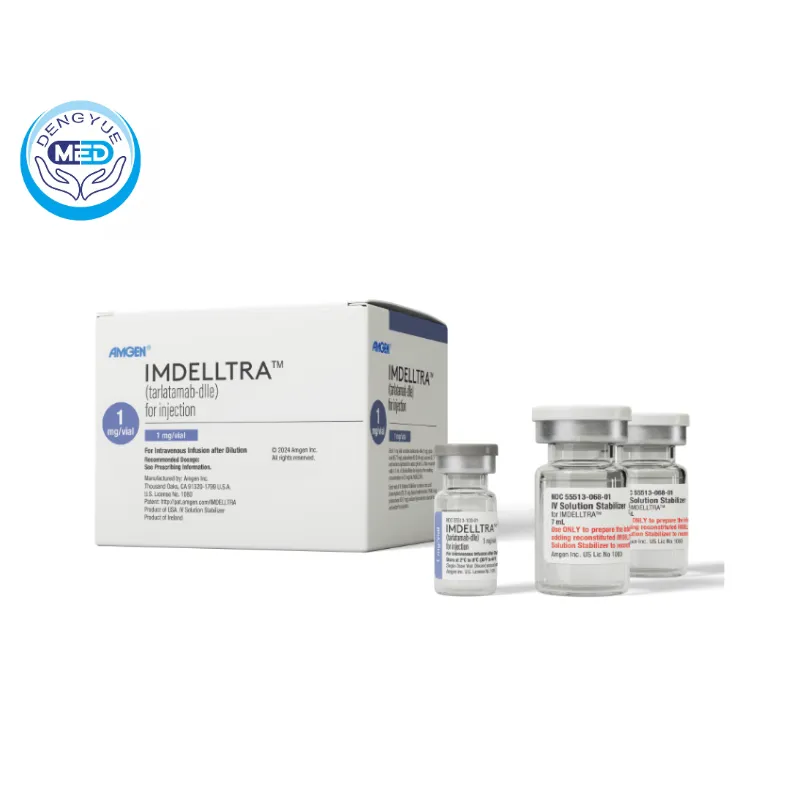
Tarlatamab-Dlle|Extensive-Stage Small Cell Lung Cancer
-
Vindesine Sulfate For Injection | Melanoma | HK DengYue
-
Methotrexate 2.5mg Tablets | Cancer Chemotherapy
-
Opdivo (Nivolumab) – NSCLC | HongKong DengYue Medicine
-
Transfer Factor Injection | Other Tumors | HK DengYueMed
-
Fukewai (Anlotinib Hydrochloride) – NSCLC | HongKong DengYue Medicine

Reviews
There are no reviews yet.