
Raynovent (Onradivir) – Influenza A | HongKong DengYue Medicine
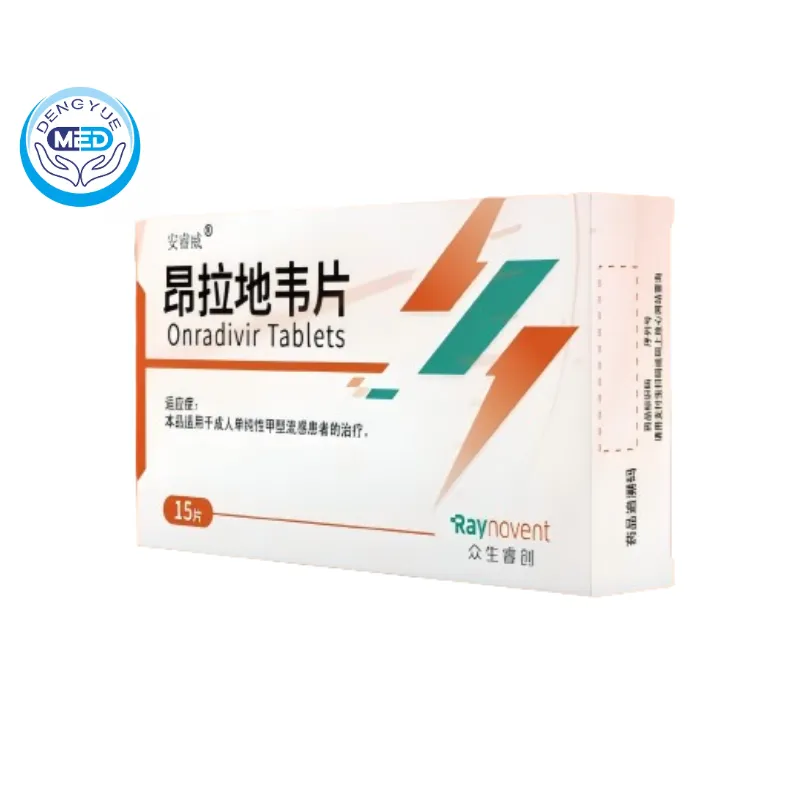
- Generic Name/Brand Name: Onradivir/An Rui Wei
- Indications:Adult uncomplicated influenza A treatment.
- Dosage Form: Tablets
- Specification: 200 mg × 15
Onradivir Application Scope
Used for the treatment of adult uncomplicated influenza A, excluding patients at high risk for influenza-related complications.
Onradivir Characteristics
-
Ingredients: Onradivir (chemical formula C₂₂H₂₂F₂N₆O₂).
-
Properties: Chemical drug class 1 innovative drug; global first-in-class RNA polymerase PB2 subunit inhibitor that blocks viral genome replication by binding to the PB2 subunit and inhibiting the initiation of the RNA polymerase complex’s replication functions.
-
Packaging Specification: 0.2g (200mg) per tablet.
-
Storage: Protect from light and moisture.
-
Expiry Date: As indicated on the packaging.
-
Executive Standard: As indicated on the packaging.
-
Approval Number: Guoyao Zhunzi H20250019
-
Date of Revision: As indicated on the packaging.
-
Manufacturer: Guangdong Zhongsheng Rui Chuang Biotechnology Co., Ltd.
Guidelines for the Use of Onradivir
-
Dosage and Administration: Oral administration within 48 hours of symptom onset; recommended dose is 0.6g (600mg) once daily for 5 consecutive days. Can be taken with or without food. For mild hepatic impairment: Reduce to 0.4g once daily. No adjustment needed for mild renal impairment. No data available for moderate or severe hepatic/renal impairment.
-
Recommended Dose: 0.6g (600mg) once daily for adults.
-
Administration: Oral; can be taken with or without food. Not affected by high-fat meals.
-
Missed Dose: If a dose is missed, skip the missed dose and take the next dose at the scheduled time. Do not double the dose.
-
-
Adverse Reactions:
-
Common Adverse Reactions:Very common: Diarrhea (mostly mild to moderate, lasting 1-2 days, no discontinuations reported). Common: Nausea, vomiting, abdominal pain, bloating, abdominal discomfort, decreased neutrophil count, decreased white blood cell count, abnormal coagulation test, sinus bradycardia, palpitations, hypertriglyceridemia, dizziness, chest discomfort.
-
Serious Adverse Reactions: None reported in clinical trials; no participant deaths. Safety monitoring is ongoing, with no warnings issued by regulatory authorities and no post-marketing adverse reports received to date.
-
-
Contraindications: Hypersensitivity to the active ingredient or any excipients.
-
Precautions:
-
No evidence of efficacy for diseases other than influenza A.
-
No studies on impact on driving or operating machinery.
-
Elderly patients: No dose adjustment needed; good safety and tolerability.
-
Lactation: Breastfeeding can resume 7 days after dosing.
-
No data for moderate/severe hepatic or renal impairment.
-
Onradivir Interactions
-
With probenecid (UGT inhibitor): Increases Onradivir Cmax and AUC by 40.79% and 51.87%.
-
With itraconazole (P-gp/BCRP inhibitor): No effect on Onradivir pharmacokinetics.
-
Onradivir on midazolam (CYP3A substrate) and its metabolite: Decreases Cmax by 44.27% and 49.17%; no effect on AUC.
-
No effect on S-warfarin (CYP2C9 substrate).
-
Increases rosuvastatin (BCRP/OATP substrate) Cmax and AUC by 55.52% and 15.85%.
-
No effect on digoxin (P-gp substrate).
Note:
- If there is a new packaging for the drug, the new packaging shall prevail. The above information is sourced from DengYue Medicine.
- This content is for reference only. Prescription drugs must be used under a doctor’s guidance and purchased from authorized sources.
Related products
-

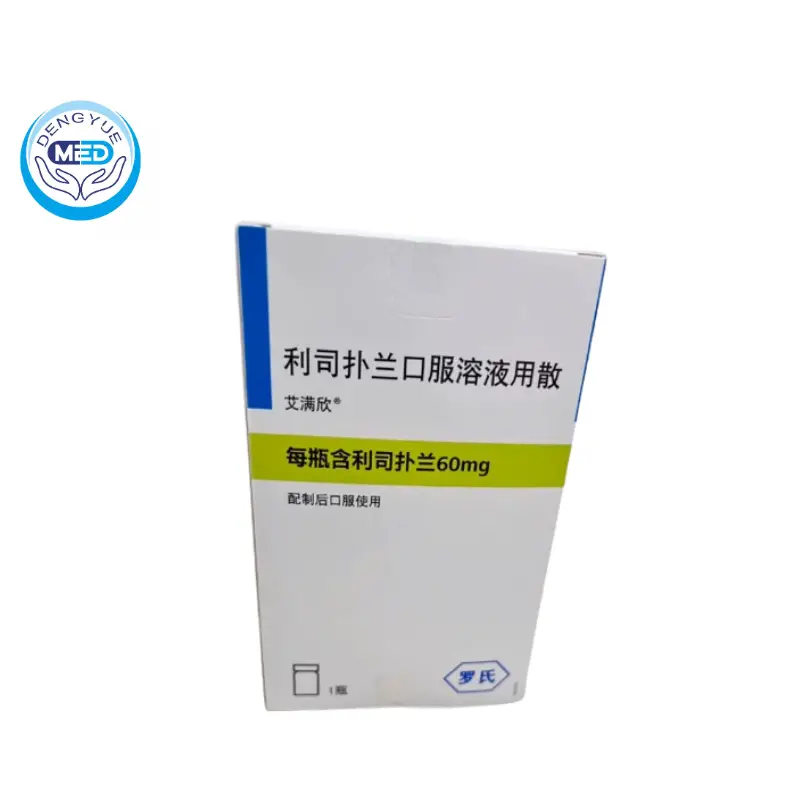
Risdiplam Oral Solution For Spinal Muscular Atrophy
-
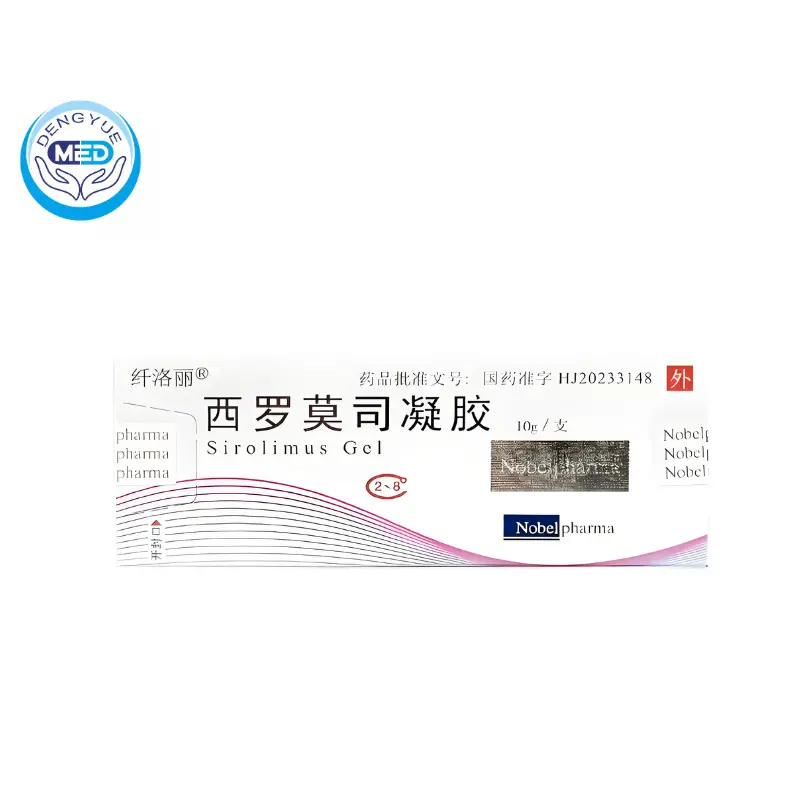
Sirolimus Gel | Facial Angiofibroma
-
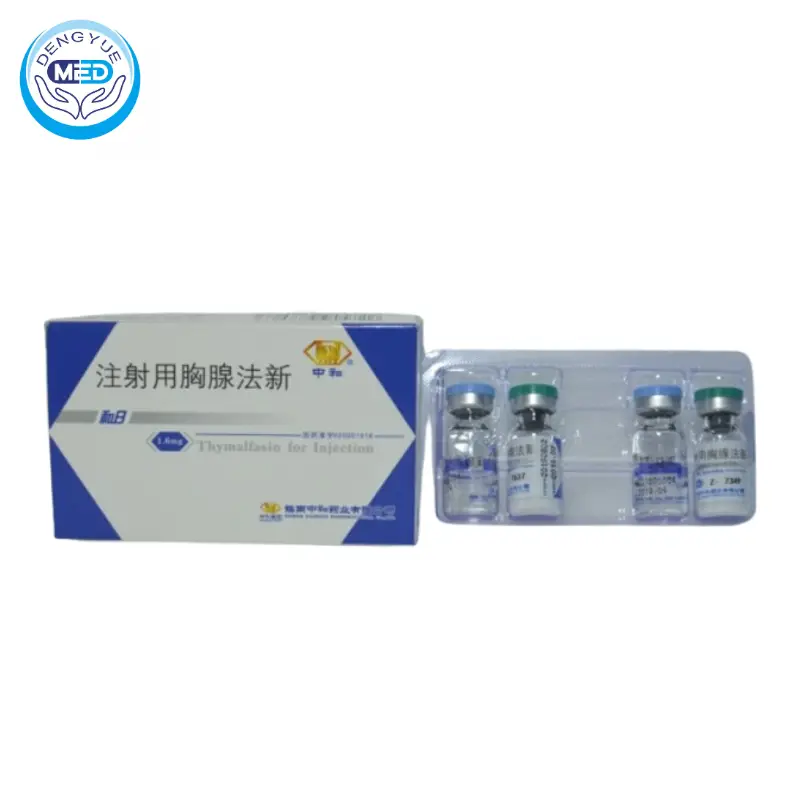
Thymalfasin for Injection – Adjuvant for Influenza Vaccine
-

Syprine Trientine Hydrochloride Tablets | Wilson’s Disease | DengYueMedicine
-
Ubenimex Capsules|Enhancement of immune function
-
Teysuno (Tegafur Gimeracil and Oteracil Potassium) – Gastric Cancer | HongKong DengYue Medicine
-
Thiamazole Cream | Anti Hyperthyroidism
-
Prednisone Acetate Tablets|Immune Inflammatory Diseases
Reviews
There are no reviews yet.