
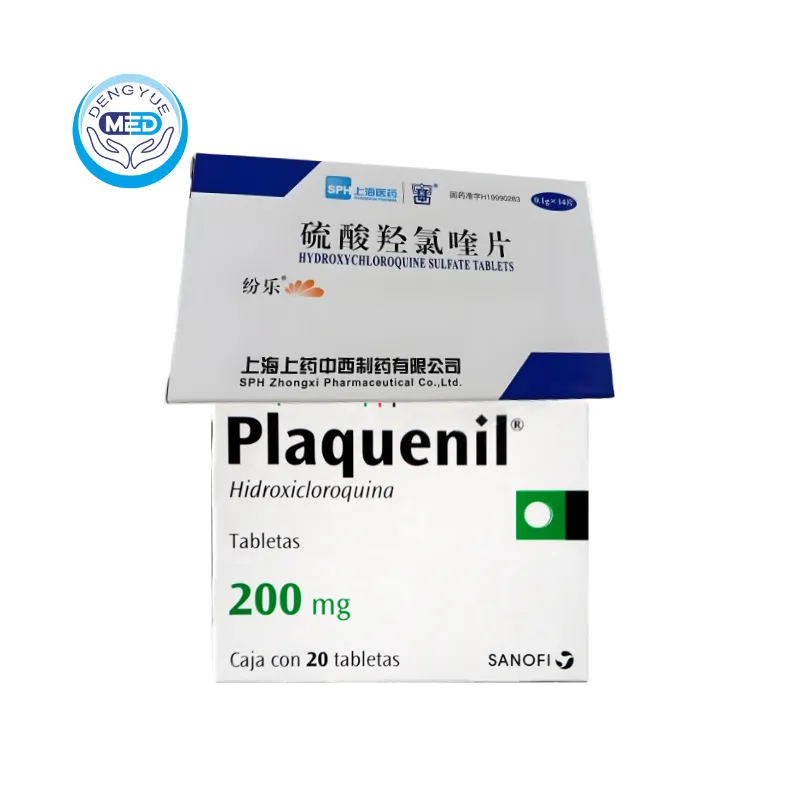
Plaquenil (Hydroxychloroquine Sulfate) – Autoimmune | HongKong DengYue Medicine
- Generic Name/Brand Name: Hydroxychloroquine Sulfate / Plaquenil®
- Indications: Malaria, RA, SLE
- Dosage Form: Tablet
- Specification: 100 mg × 14 tablets/box
Hydroxychloroquine Sulfate Application Scope
Used for the treatment and prophylaxis of malaria.
Indicated for rheumatoid arthritis (RA), systemic lupus erythematosus (SLE), and discoid lupus erythematosus.
Sometimes used in juvenile idiopathic arthritis.
Hydroxychloroquine Sulfate Characteristics
Ingredients:
Active: Hydroxychloroquine Sulfate
Excipients: Standard pharmaceutical excipients
Properties:
White crystalline powder
Slightly bitter taste, odorless
Soluble in water
Packaging Specification: Tablets, commonly 0.1 g × 14 tablets / blister pack
Storage:
Store in a cool, dry place below 25°C
Keep away from light and moisture
Expiry Date: 24–36 months (depending on batch and manufacturer)
Executive Standard: Meets pharmacopeia standards (e.g., ChP / USP)
Approval Number: According to national drug regulatory authority (e.g., CFDA)
Date of Revision: FEB 21, 2025 (as per Sanofi Canada product monograph)
Manufacturer: Sanofi-Aventis Canada Inc.
Guidelines for the Use of Plaquenil
Dosage and Administration:
Recommended Dose:
Malaria prophylaxis: 0.4 g once weekly, starting 2 weeks before exposure
Rheumatoid arthritis / SLE: 0.2–0.4 g daily (in divided doses if necessary)
Malaria treatment: Initial 0.8 g, followed by 0.4 g at 6–8 h, then 0.4 g daily for 2 days
Administration: Swallow tablets whole with water after meals to reduce gastrointestinal discomfort
Missed Dose: Take as soon as remembered; if near next dose, skip the missed one. Do not double dose.
Adverse Reactions:
Common Adverse Reactions:
Gastrointestinal discomfort (nausea, vomiting, diarrhea)
Headache, dizziness
Skin rash, itching
Serious Adverse Reactions:
Retinopathy (long-term/high-dose use)
Cardiotoxicity (rare)
Blood dyscrasias (leukopenia, anemia)
Severe hypersensitivity reactions
Contraindications:
Hypersensitivity to hydroxychloroquine or related compounds (chloroquine)
Patients with pre-existing retinopathy
Children under 6 years (risk of toxicity)
Precautions:
Regular ophthalmologic examination is required during long-term use
Use with caution in patients with hepatic or renal impairment
Monitor blood counts in prolonged therapy
Avoid overdose (narrow therapeutic index)
Hydroxychloroquine Sulfate Interactions
Antacids: May reduce absorption (separate by ≥4 hours)
Digoxin: Increases plasma digoxin levels → risk of toxicity
Insulin & antidiabetic drugs: May enhance hypoglycemic effect
Drugs prolonging QT interval (e.g., amiodarone, azithromycin): Increased risk of arrhythmia
Cyclosporine: May increase cyclosporine plasma levels
Tamoxifen: Increases risk of retinal toxicity
Note:
- If there is a new packaging for the drug, the new packaging shall prevail. The above information is sourced from DengYue Medicine.
- This content is for reference only. Prescription drugs must be used under a doctor’s guidance and purchased from authorized sources.
Related products

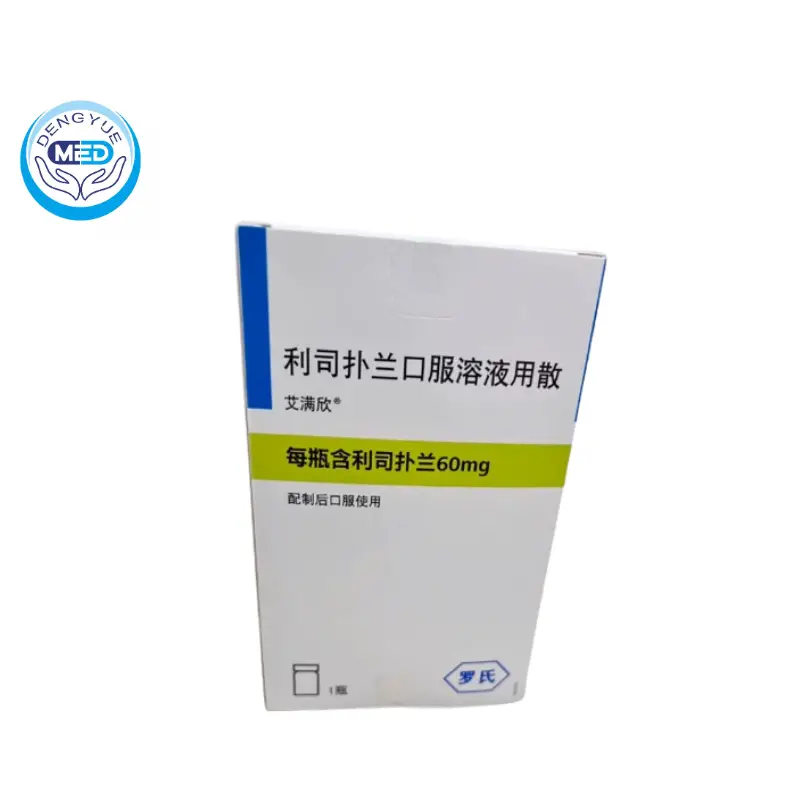
Risdiplam Oral Solution For Spinal Muscular Atrophy
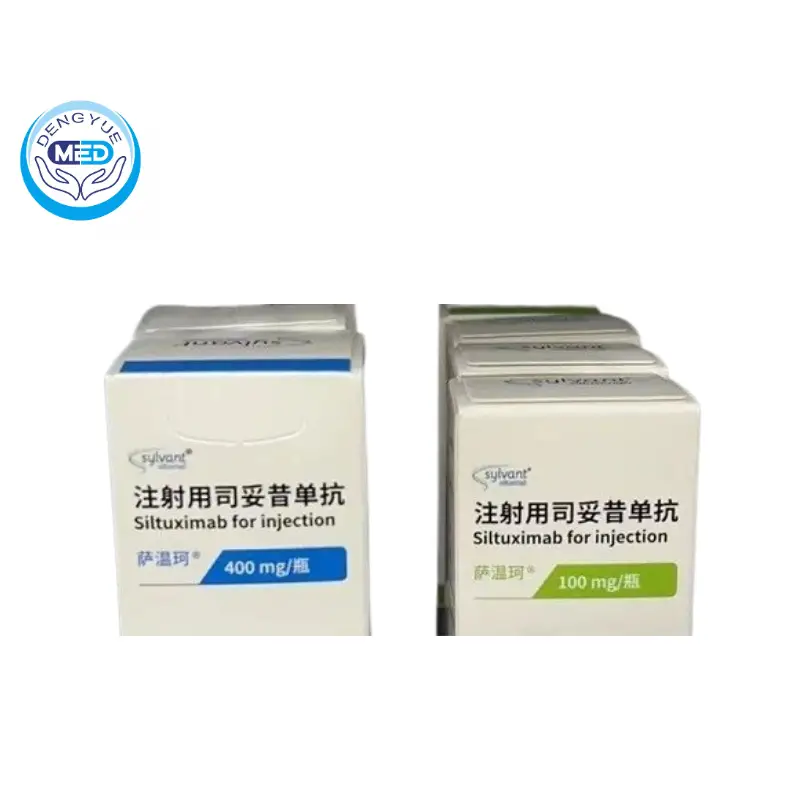
Siltuximab For Injection | Castleman’s Disease
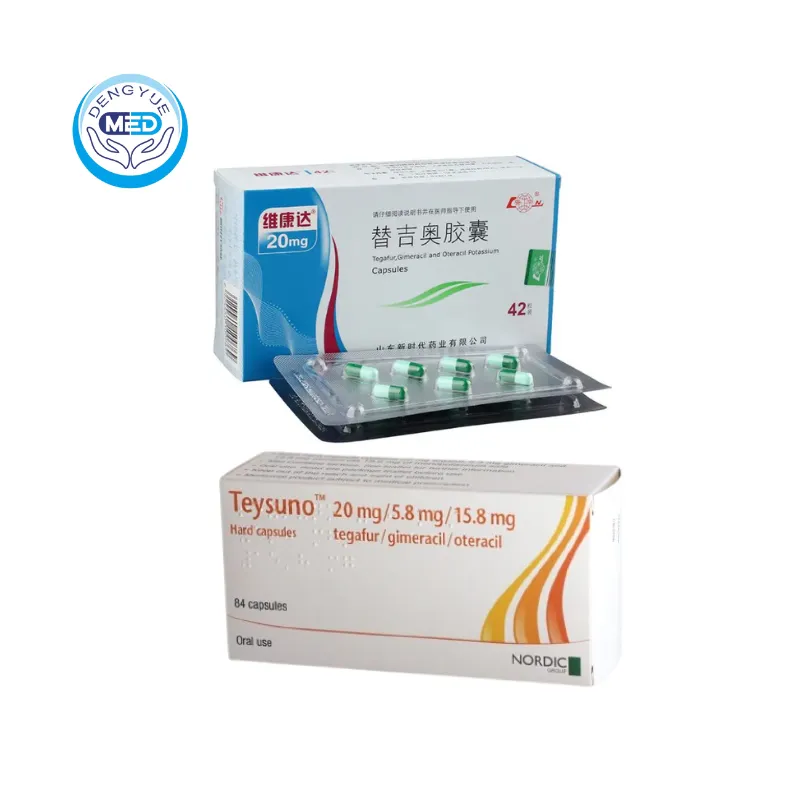
Teysuno (Tegafur Gimeracil and Oteracil Potassium) – Gastric Cancer | HongKong DengYue Medicine
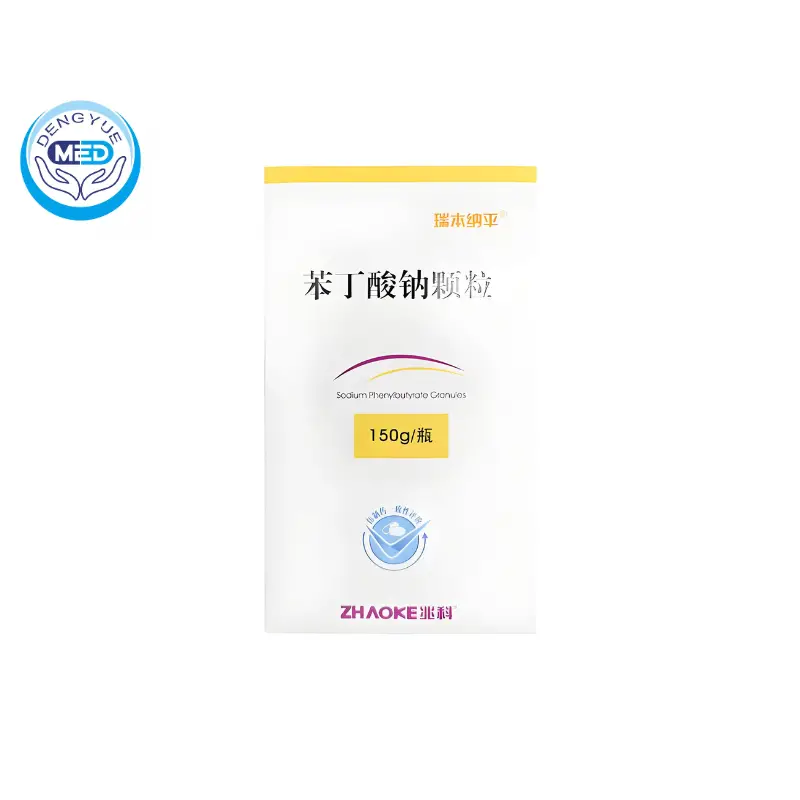
Sodium Phenylbutyrate Granules | Urea Cycle Disorders
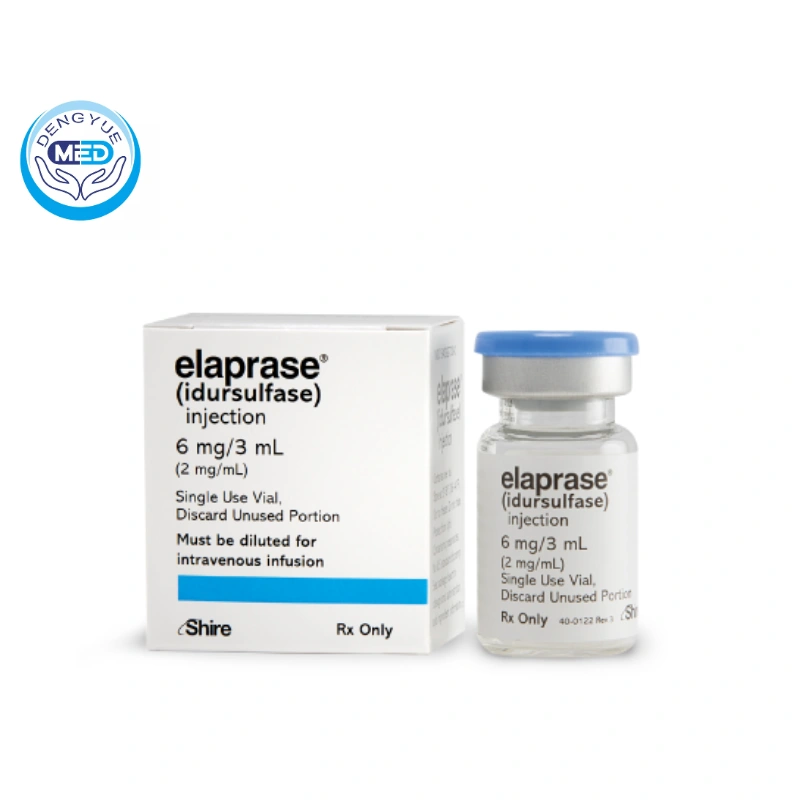
Elaprase Idursulfase | Mucopolysaccharidosis Type II | DengYueMedicine
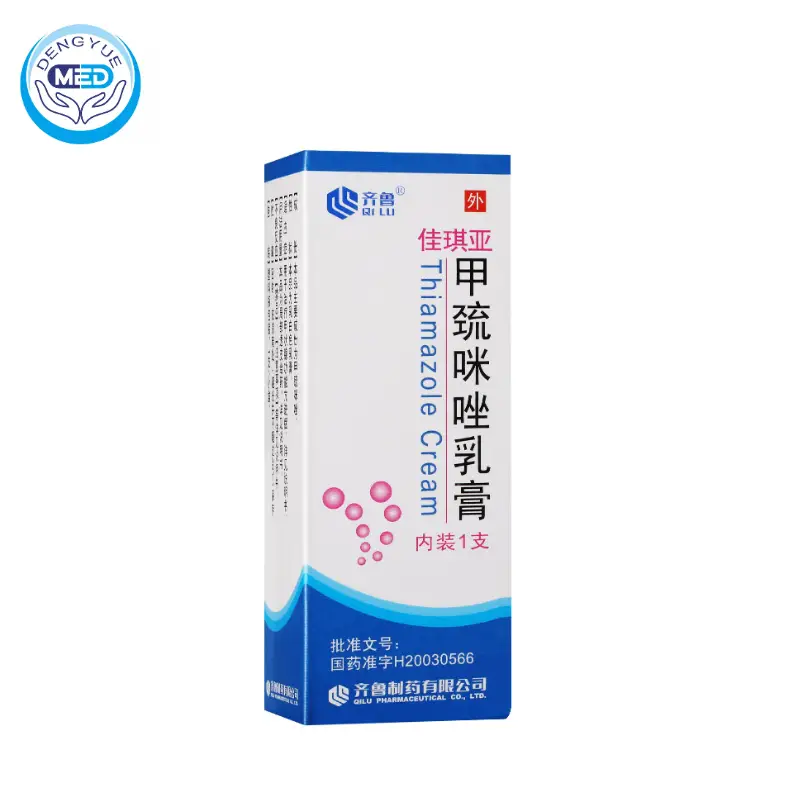
Thiamazole Cream | Anti Hyperthyroidism

Syprine Trientine Hydrochloride Tablets | Wilson’s Disease | DengYueMedicine
Thymalfasin for Injection – Adjuvant for Influenza Vaccine
Reviews
There are no reviews yet.