
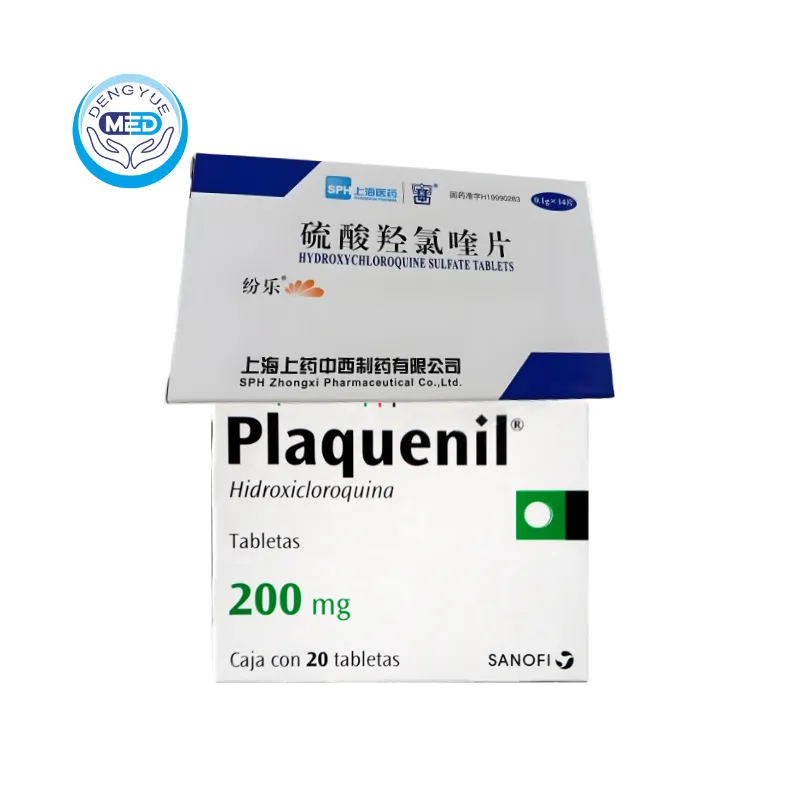
Plaquenil (Hydroxychloroquine Sulfate) – Autoimmune | HongKong DengYue Medicine
- Generic Name/Brand Name: Hydroxychloroquine Sulfate / Plaquenil®
- Indications: Malaria, RA, SLE
- Dosage Form: Tablet
- Specification: 100 mg × 14 tablets/box
Hydroxychloroquine Sulfate Application Scope
-
Used for the treatment and prophylaxis of malaria.
-
Indicated for rheumatoid arthritis (RA), systemic lupus erythematosus (SLE), and discoid lupus erythematosus.
-
Sometimes used in juvenile idiopathic arthritis.
Hydroxychloroquine Sulfate Characteristics
-
Ingredients:
-
Active: Hydroxychloroquine Sulfate
-
Excipients: Standard pharmaceutical excipients
-
-
Properties:
-
White crystalline powder
-
Slightly bitter taste, odorless
-
Soluble in water
-
-
Packaging Specification: Tablets, commonly 0.1 g × 14 tablets / blister pack
-
Storage:
-
Store in a cool, dry place below 25°C
-
Keep away from light and moisture
-
-
Expiry Date: 24–36 months (depending on batch and manufacturer)
-
Executive Standard: Meets pharmacopeia standards (e.g., ChP / USP)
-
Approval Number: According to national drug regulatory authority (e.g., CFDA)
-
Date of Revision: FEB 21, 2025 (as per Sanofi Canada product monograph)
-
Manufacturer: Sanofi-Aventis Canada Inc.
Guidelines for the Use of Plaquenil
-
Dosage and Administration:
-
Recommended Dose:
-
Malaria prophylaxis: 0.4 g once weekly, starting 2 weeks before exposure
-
Rheumatoid arthritis / SLE: 0.2–0.4 g daily (in divided doses if necessary)
-
Malaria treatment: Initial 0.8 g, followed by 0.4 g at 6–8 h, then 0.4 g daily for 2 days
-
-
Administration: Swallow tablets whole with water after meals to reduce gastrointestinal discomfort
-
Missed Dose: Take as soon as remembered; if near next dose, skip the missed one. Do not double dose.
-
-
Adverse Reactions:
-
Common Adverse Reactions:
-
Gastrointestinal discomfort (nausea, vomiting, diarrhea)
-
Headache, dizziness
-
Skin rash, itching
-
-
Serious Adverse Reactions:
-
Retinopathy (long-term/high-dose use)
-
Cardiotoxicity (rare)
-
Blood dyscrasias (leukopenia, anemia)
-
Severe hypersensitivity reactions
-
-
-
Contraindications:
-
Hypersensitivity to hydroxychloroquine or related compounds (chloroquine)
-
Patients with pre-existing retinopathy
-
Children under 6 years (risk of toxicity)
-
-
Precautions:
-
Regular ophthalmologic examination is required during long-term use
-
Use with caution in patients with hepatic or renal impairment
-
Monitor blood counts in prolonged therapy
-
Avoid overdose (narrow therapeutic index)
-
Hydroxychloroquine Sulfate Interactions
-
Antacids: May reduce absorption (separate by ≥4 hours)
-
Digoxin: Increases plasma digoxin levels → risk of toxicity
-
Insulin & antidiabetic drugs: May enhance hypoglycemic effect
-
Drugs prolonging QT interval (e.g., amiodarone, azithromycin): Increased risk of arrhythmia
-
Cyclosporine: May increase cyclosporine plasma levels
-
Tamoxifen: Increases risk of retinal toxicity
Note:
- If there is a new packaging for the drug, the new packaging shall prevail. The above information is sourced from DengYue Medicine.
- This content is for reference only. Prescription drugs must be used under a doctor’s guidance and purchased from authorized sources.
Related products
-

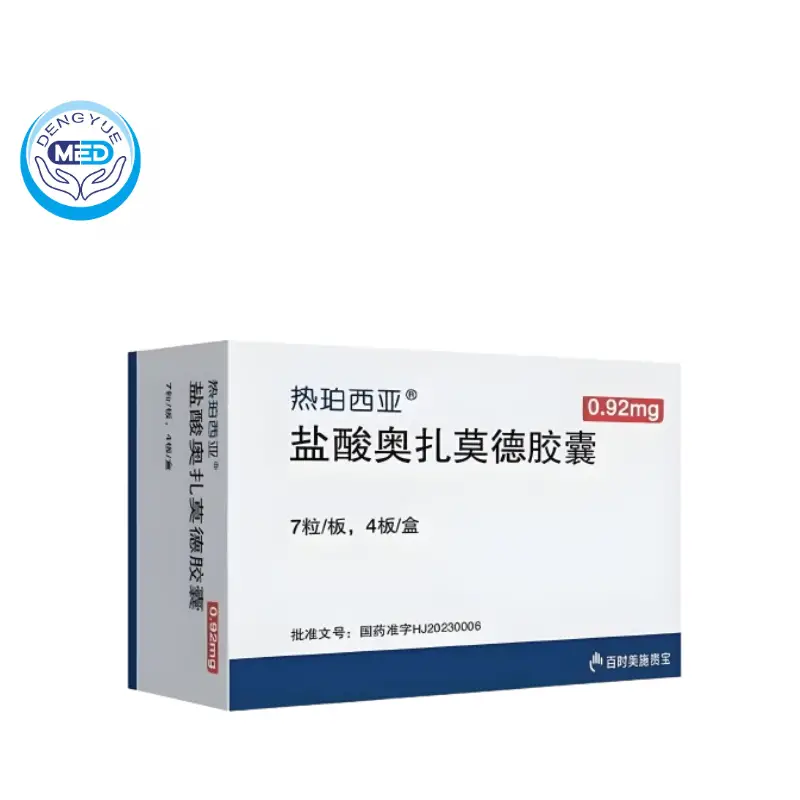
Ozamode/Ozanimod Hydrochloride Capsules
-
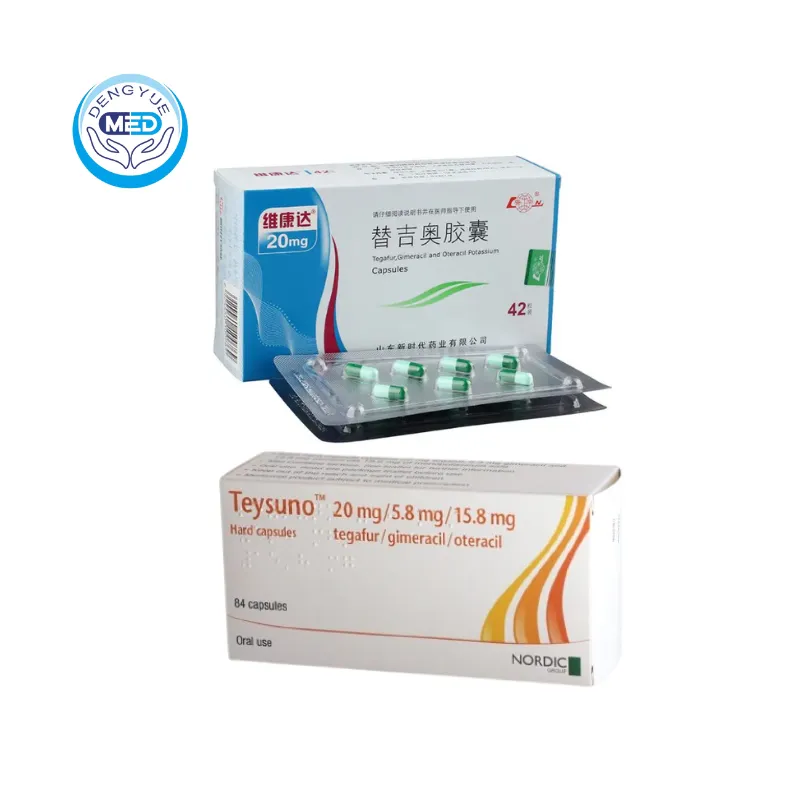
Teysuno (Tegafur Gimeracil and Oteracil Potassium) – Gastric Cancer | HongKong DengYue Medicine
-
Sirolimus Gel | Facial Angiofibroma
-
Hydroxycarbamide Tablets | Treatment of Leukemia
-
Risdiplam Oral Solution For Spinal Muscular Atrophy
-
Marinolone Urea Ointment | Chapped Hands And Feet | HK DengYueMedicine
-
Agalsidase Alfa | Anti Fabry Disease
-
Thiamazole Cream | Anti Hyperthyroidism
Reviews
There are no reviews yet.