
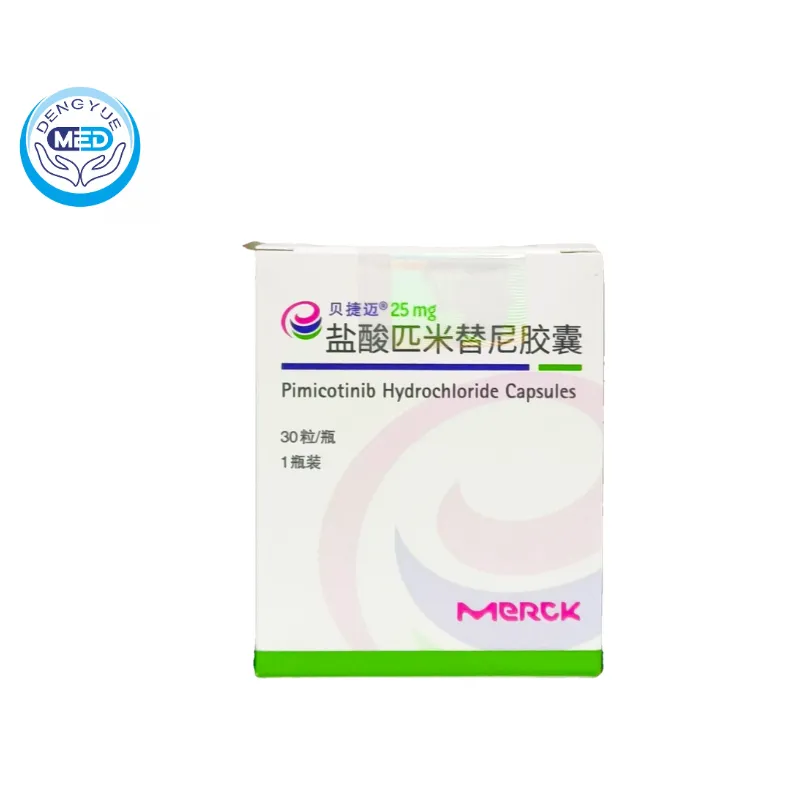
Pimjetmi (Pimicotinib) – TGCT | HongKong DengYue Medicine
- Generic Name/Brand Name: Pimicotinib/Pimjetmi
- Indications: Symptomatic Tenosynovial Giant Cell Tumor (TGCT) in Adults
- Dosage Form: Capsules
- Specification: 25 mg × 30 capsules/bottle
Pimjetmi Pimicotinib Application Scope
Pimicotinib Hydrochloride Capsules are indicated for the treatment of adult patients with symptomatic tenosynovial giant cell tumor (TGCT) for whom surgical resection may result in functional limitations or severe complications.
Pimicotinib Characteristics
Ingredients: The active ingredient is pimicotinib hydrochloride.
Properties: Opaque white capsules with the black imprint “PIMI25” on the cap. The capsules are tightly locked and contain white to off-white powder or granules.
Packaging Specification: 25 mg × 30 capsules/bottle
Storage: Store in a sealed container at a temperature not exceeding 30°C. After opening, store in the original packaging at a temperature not exceeding 30°C and use within 15 days, provided the product remains within its expiry date.
Expiry Date: 18 months.
Executive Standard: Please refer to the approved package insert for the applicable standard.
Approval Number: The NMPA Approval Number is H20250072.
Date of Revision: Please refer to the latest approved package insert for the revision date.
Manufacturer: Abbisko Therapeutics Co., Ltd. (Developer); licensed to Merck & Co., Inc.
Guidelines for the Use of Pimjetmi
Dosage and Administration:
Recommended Dose: The recommended dose is 50 mg (two 25 mg capsules) orally once daily. Treatment may continue as long as clinical benefit is maintained and toxicity remains tolerable. The dose may be reduced to 25 mg once daily or temporarily interrupted based on tolerability.
Administration: Take orally with or without food. Swallow capsules whole with water. Do not open, split, or chew.
Missed Dose: If a dose is missed, take the next dose at the regularly scheduled time. Do not take an extra dose.
Adverse Reactions:
Common Adverse Reactions: Common adverse reactions include pruritus, rash, facial edema, periorbital edema, fatigue, nausea, headache, hypertension, and elevated liver enzymes and CPK.
Serious Adverse Reactions: Serious safety concerns include hypertension, elevated liver enzymes, CPK elevation, and potential embryo-fetal toxicity.
Contraindications: Contraindicated in patients with known hypersensitivity to pimicotinib or any of its excipients.
Precautions:
- Liver Function: Monitor liver enzymes and bilirubin before treatment, at Months 1 and 3, and periodically thereafter. Interrupt, reduce, or discontinue treatment as necessary.
- CPK Elevation: Monitor CPK levels during treatment. Dose interruption or reduction may be required.
- Hepatic Impairment: Not recommended for patients with moderate or severe hepatic impairment or active liver disease.
- Embryo-Fetal Toxicity: May cause fetal harm. Effective contraception is recommended during treatment and for 2 weeks after the last dose.
- Pregnancy and Breastfeeding: Do not use during pregnancy. Breastfeeding is not recommended during treatment or for 2 weeks after the last dose.
Pimicotinib Interactions
- Strong CYP3A Inhibitors: Avoid concomitant use, as they may increase pimicotinib exposure and the risk of adverse reactions.
- Moderate CYP3A Inhibitors: May increase pimicotinib exposure. Monitor for adverse reactions and adjust the dose if necessary.
- Strong CYP3A Inducers: Avoid concomitant use, as they may reduce pimicotinib exposure and potentially decrease its efficacy.
- P-gp and BCRP Substrates: Pimicotinib may increase the exposure of these substrates, potentially increasing adverse reaction risks. Monitor patients when used concomitantly.
Note:
- If there is a new packaging for the drug, the new packaging shall prevail. The above information is sourced from DengYue Medicine.
- This content is for reference only. Prescription drugs must be used under a doctor’s guidance and purchased from authorized sources.
Related products
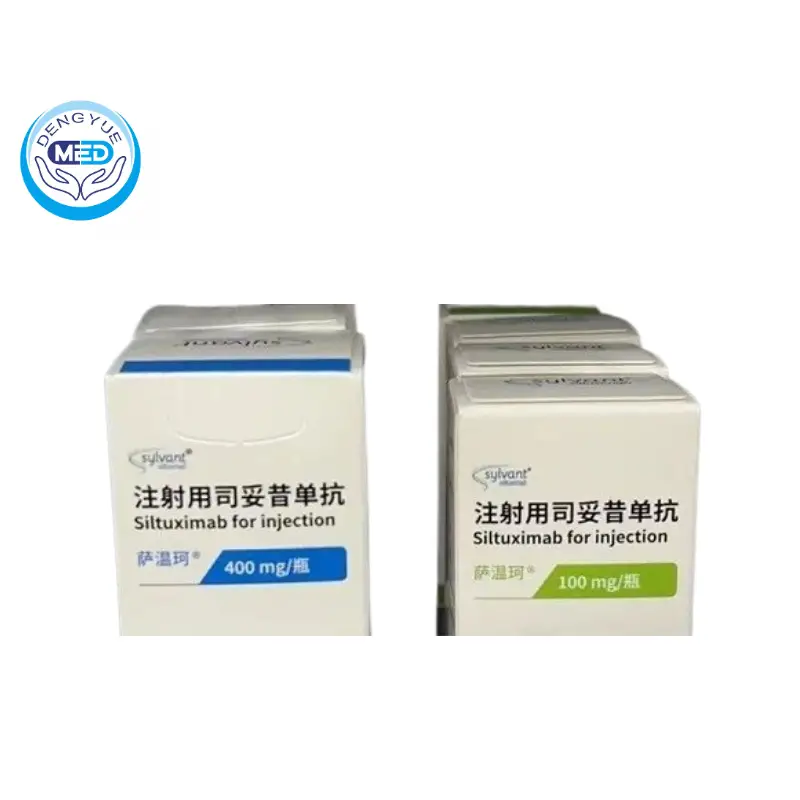
Siltuximab For Injection | Castleman’s Disease
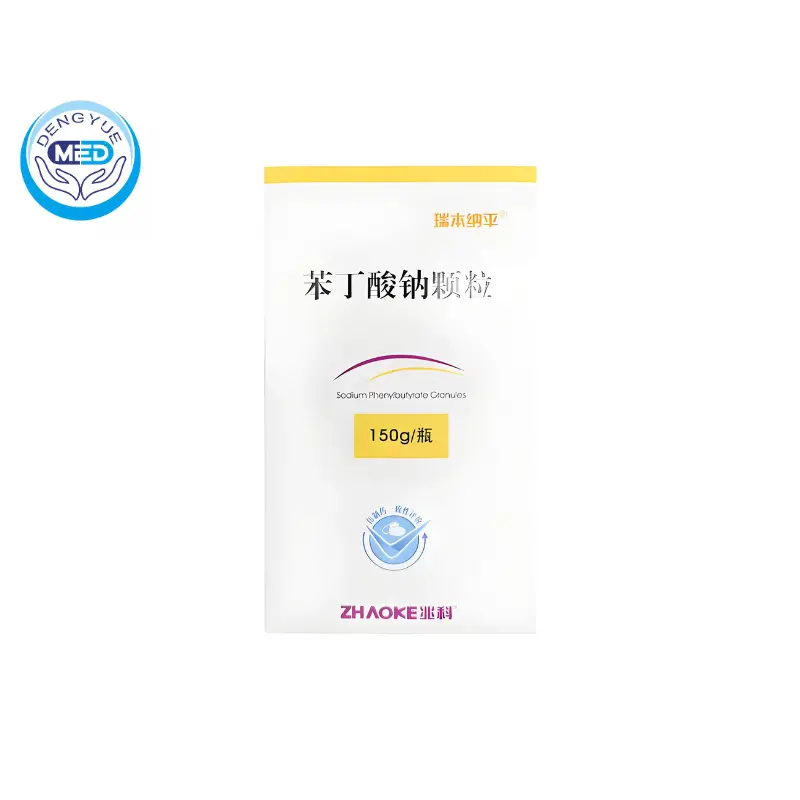
Sodium Phenylbutyrate Granules | Urea Cycle Disorders
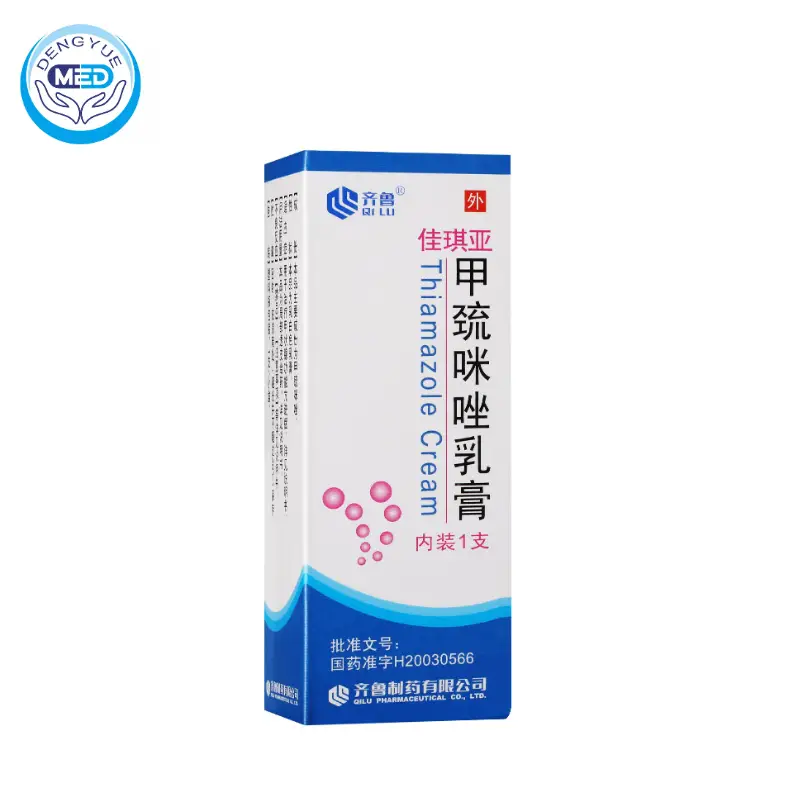
Thiamazole Cream | Anti Hyperthyroidism
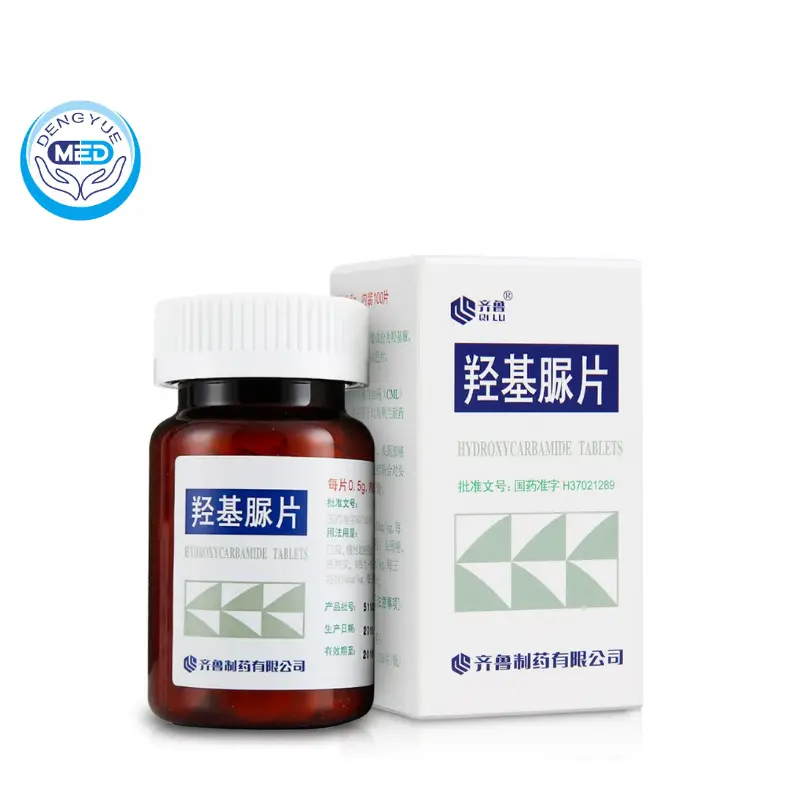
Hydroxycarbamide Tablets | Treatment of Leukemia
Gattex Teduglutide | Short Bowel Syndrome | DengYueMedicine
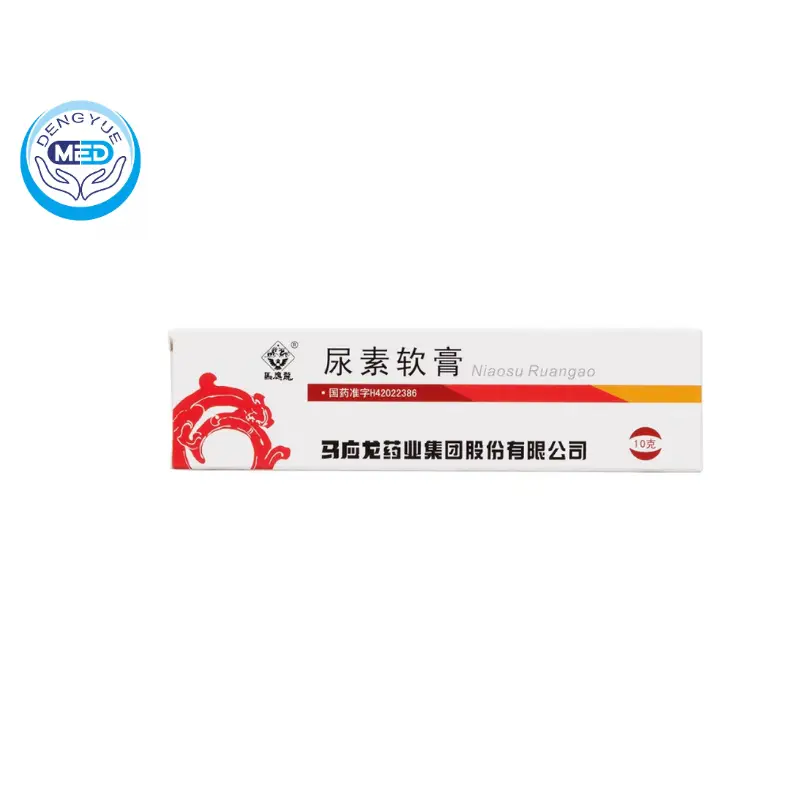
Marinolone Urea Ointment | Chapped Hands And Feet | HK DengYueMedicine
Enspryng Satralizumab | Optic Nerve Myelitis Spectrum Disorders
Agalsidase Alfa | Anti Fabry Disease
Reviews
There are no reviews yet.