

Perjeta (Pertuzumab) | Metastatic Breast Cancer | HongKong DengYue
- Generic Name/Brand Name: Pertuzumab/Perjeta
- Indications: HER2-positive metastatic breast cancer
- Dosage Form: Intravenous injection solution
- Specification: 420 mg/14 mL x 1 vial
Pertuzumab Application Scope
-
For treatment of HER2-positive metastatic breast cancer, in combination with trastuzumab and docetaxel
-
As neoadjuvant or adjuvant therapy for early HER2-positive breast cancer, when given with trastuzumab and chemotherapy

Pertuzumab Characteristics
-
Ingredients: Pertuzumab, a humanized monoclonal antibody targeting HER2 dimerization
-
Properties: Acts as a HER dimerization inhibitor, binding the HER2 extracellular domain to block HER2/HER3 signaling and tumor growth
-
Packaging Specification:
-
Supplied in 420 mg/14 mL single-use vials for IV infusion
-
Subcutaneous form (PHESGO) is packaged in vials for single use
-
-
Storage:
-
IV vials: store at 2–8 °C (36–46 °F) in original carton; do not freeze
-
Subcutaneous PHESGO: similar refrigeration guidelines
-
Drug substance stability: 24 months at 2–8 °C; drug substance at −20 °C
-
-
Expiry Date: Typically expires 24 months post-manufacture; labeled as month/year on packaging
-
Executive Standard: Meets U.S. FDA biologics license requirements (BLA 125409) with complete prescribing information
-
Approval Number: FDA BLA 125409 — approved June 2012 for metastatic use; September 2013 for neoadjuvant setting
-
Date of Revision: Label updates through 2024 (with safety updates); subcutaneous approval in June 2020
-
Manufacturer:Developed and marketed by Genentech/Roche (manufacturing in U.S. and EU)
Guidelines for the Use of Pertuzumab
-
Dosage and Administration:
-
Metastatic breast cancer:
-
Loading dose: 840 mg IV over 60 min on Day 1 of cycle 1
-
Maintenance dose: 420 mg IV over 30–60 min every 3 weeks
-
Administer before trastuzumab/docetaxel infusion if loading
-
-
Neoadjuvant/adjuvant setting: Similar dosing – often given with subcutaneous trastuzumab/chemo
-
-
Adverse Reactions:
-
Common (≥30%): diarrhea, alopecia, neutropenia, nausea, fatigue, rash, peripheral neuropathy
-
Grade 3–4 (≥2%): neutropenia, febrile neutropenia, leukopenia, diarrhea, anemia, fatigue
-
Other notable reactions: infusion/injection-related reactions (~13–21%), hypersensitivity/anaphylaxis (~8–11%), left ventricular dysfunction (~4%), embryo-fetal toxicity, pulmonary toxicity
-
-
Contraindications: Known hypersensitivity to pertuzumab or any component
-
Precautions:
-
Monitor cardiac function (LVEF) before/during treatment; avoid use in baseline LVEF ≤50% or CHF history
-
Be prepared for infusion reactions (monitor during and post-infusion) and manage with supportive meds or slowing infusion
-
Avoid during pregnancy (fetal harm risk); require contraception during and post-treatment
-
Counsel on risk of pulmonary toxicity and manage new respiratory symptoms
-
Pertuzumab Interactions
- Drug Interactions:
-
No major metabolic drug–drug interactions; monoclonal antibody not CYP-metabolized
-
Moderate interactions with efgartigimod alfa, idelalisib, nipocalimab, rozanolixizumab
-
Disease-state interactions: existing CHF, pulmonary disease, neuropathy, thrombocytopenia, renal impairment
Note:
- If there is a new packaging for the drug, the new packaging shall prevail. The above information is sourced from DengYue Medicine.
- It is only for internal discussion among medical staff and does not serve as a basis for medication. For specific medication guidelines, please consult the attending physician.
Related products
-

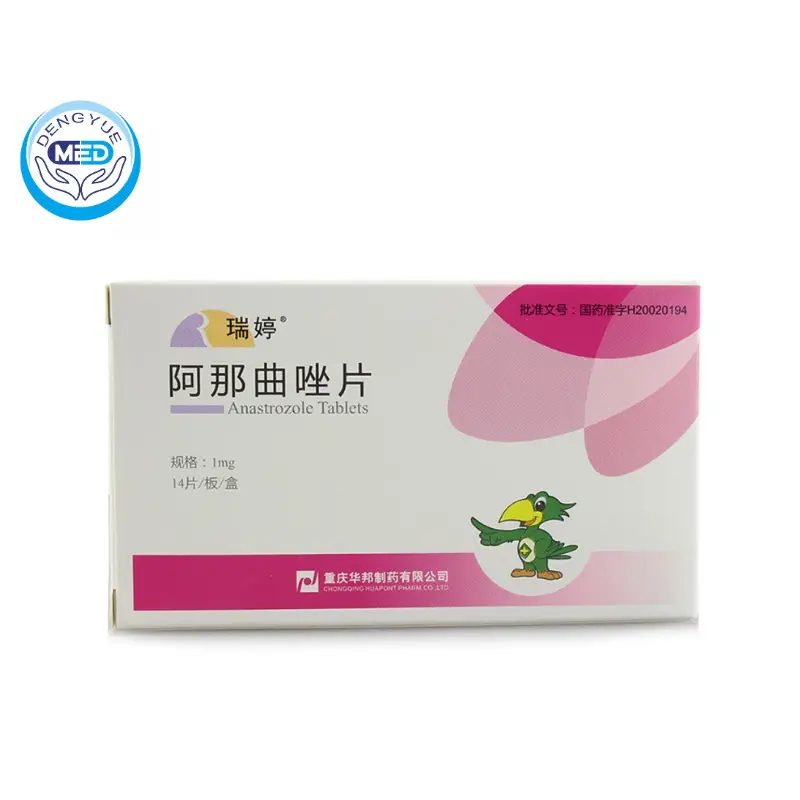
Anastrozole Tablets | Early Breast Cancer | HK DengYueMed
-
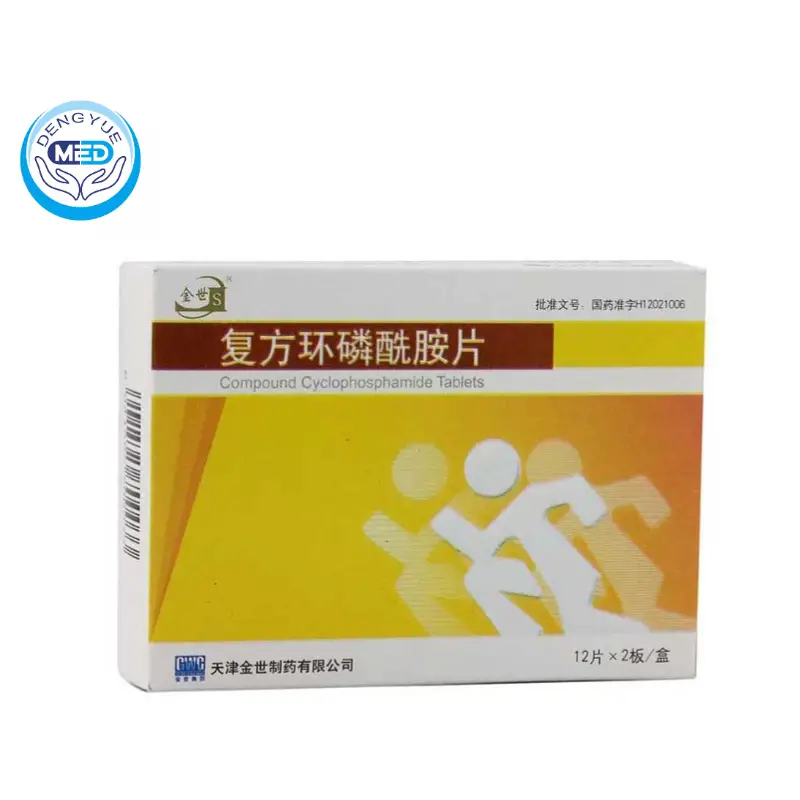
Compound Cyclophosphamide Tablets | Ovarian Cancer | DengYueMed
-
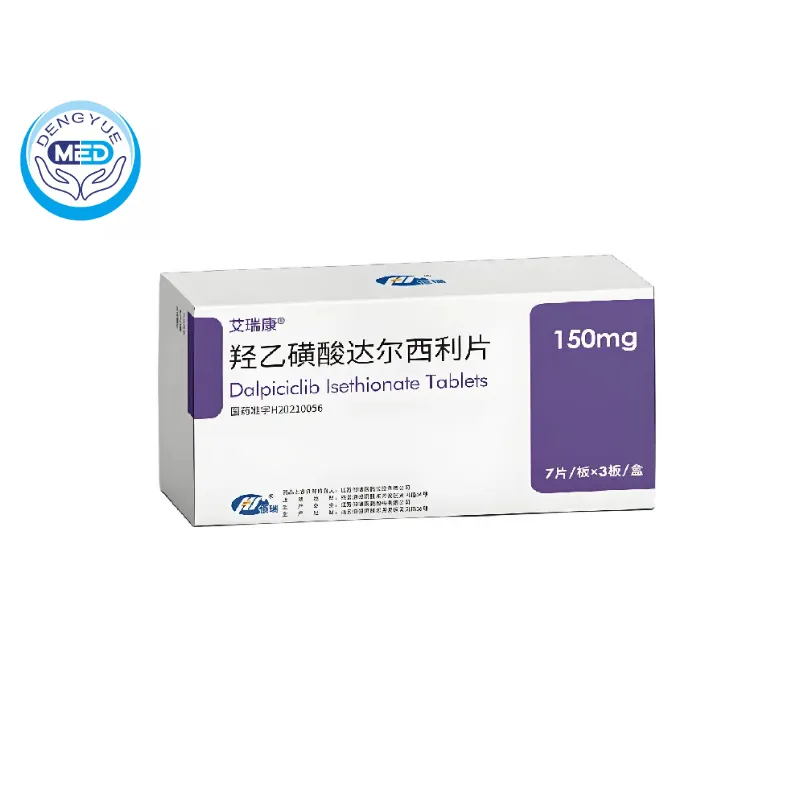
Airuikang (Dalpiciclib Isethionate) | Breast Cancer
-
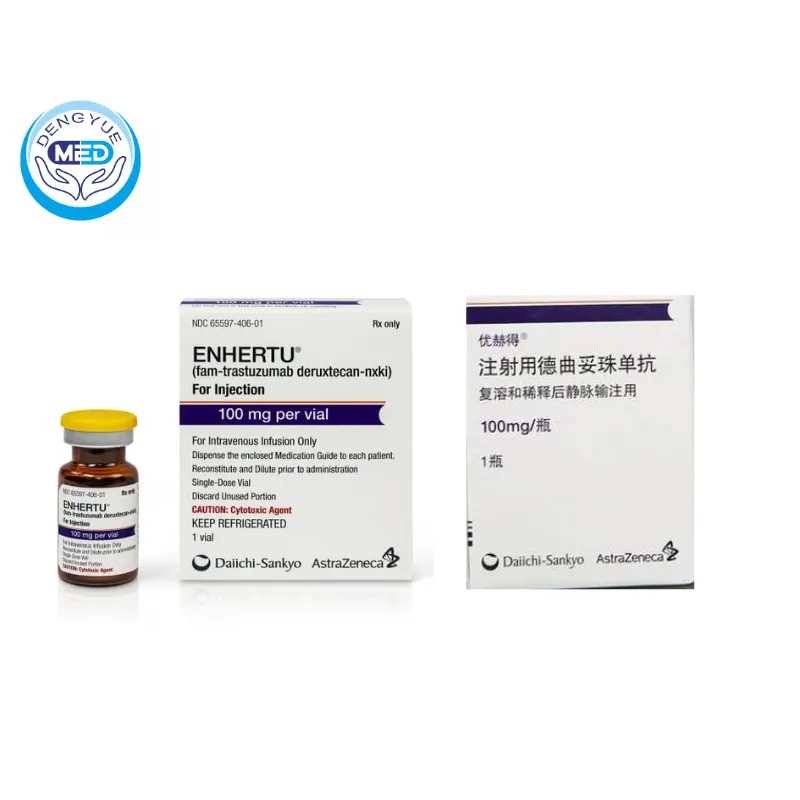
ENHERTU (Trastuzumab Deruxtecan) – HER2-driven cancers | HongKong DengYue Medicine
-
Capecitabine Tablets|Metastatic Breast Cancer
-
Cipterbin (Inetetamab) | Metastatic Breast Cancer | DengYue
-
Lynparza (Olaparib) – Ovarian Cancer | HongKong DengYue Medicine
-
Herceptin (Trastuzumab) – Breast Cancer | HongKong DengYue Medicine



Reviews
There are no reviews yet.