
ORENITRAM (Treprostinil) – PAH | HongKong DengYue Medicine
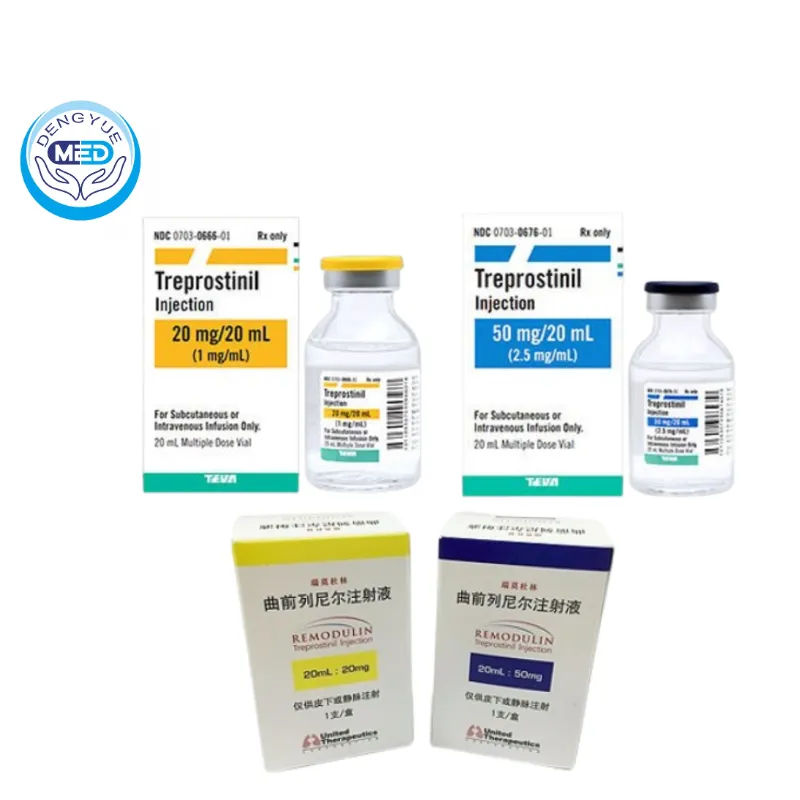
- Generic Name/Brand Name: Treprostinil/ORENITRAM
- Indications: PAH, WHO Group 1
- Dosage Form: Extended-release tablet for oral administration
- Specification:1 mg/mL, 2.5 mg/mL, 5 mg/mL, 10 mg/mL sterile solution, 20 mL multi-dose vial
ORENITRAM Treprostinil Application Scope
Treatment of pulmonary arterial hypertension (PAH; WHO Group 1) to delay disease progression and improve exercise capacity, particularly in patients with WHO functional class II–III symptoms, including idiopathic/heritable PAH (~66%) and PAH associated with connective tissue disease (~26%).
ORENITRAM Treprostinil Characteristics
-
Ingredients: Treprostinil
-
Properties: Sterile solution for subcutaneous or intravenous infusion
-
Packaging Specification:
-
Available in 20 mL multi-dose vials
-
Each vial contains 20 mg of treprostinil
-
-
Storage: Store at room temperature (20-25°C or 68-77°F), with excursions permitted between 15-30°C (59-86°F)
-
Expiry Date: Typically 24 months from the date of manufacture, but refer to the packaging for the exact expiration date
-
Executive Standard: Manufactured under FDA approval and complies with USP standards
-
Approval Number: NDA 203496
-
Date of Revision: Approved on December 20, 2019. Revisions may occur; refer to the latest prescribing information
-
Manufacturer: United Therapeutics Corporation
Guidelines for the Use of ORENITRAM Treprostinil
-
Dosage and Administration:
-
Recommended Dose:
-
Initial dose: 1.25 ng/kg/min administered subcutaneously or intravenously
-
Titrate to effect, based on clinical response and tolerability
-
-
Administration:
-
Administer via continuous subcutaneous or intravenous infusion
-
Dilute with sterile 0.9% sodium chloride solution or water for injection prior to intravenous use
-
-
Missed Dose:
-
If a dose is missed, administer as soon as possible
-
Do not double the dose to make up for a missed dose
-
-
-
Adverse Reactions:
-
Common Adverse Reactions: Arthralgia, pain, nausea, dizziness, headache, fatigue, depression
-
Serious Adverse Reactions:
-
Abrupt discontinuation or large dose reductions may cause worsening of PAH symptoms
-
In patients with diverticulosis, tablet shells may lodge in diverticula
-
-
-
Contraindications: Severe hepatic impairment (Child–Pugh class C)
-
Precautions:
-
Use with caution in patients with low blood pressure, liver impairment, or bleeding disorders
-
Monitor for signs of hypotension and bleeding
-
Avoid abrupt discontinuation; gradual dose reduction is recommended
-
ORENITRAM Interactions
-
Drug Interactions:
-
Concomitant use with other vasodilators or antihypertensive agents may potentiate the hypotensive effect
-
Increased risk of bleeding when used with anticoagulants
-
-
Food Interactions:
-
Absorption may be increased when administered following a high-fat, high-calorie meal
-
Note:
- If there is a new packaging for the drug, the new packaging shall prevail. The above information is sourced from DengYue Medicine.
- This content is for reference only. Prescription drugs must be used under a doctor’s guidance and purchased from authorized sources.
Related products
-

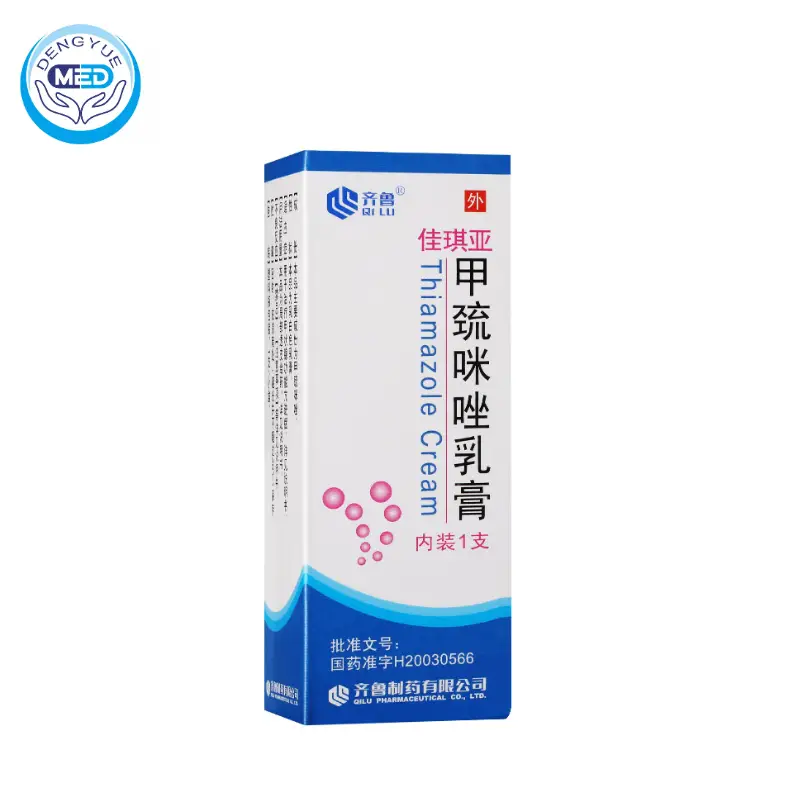
Thiamazole Cream | Anti Hyperthyroidism
-
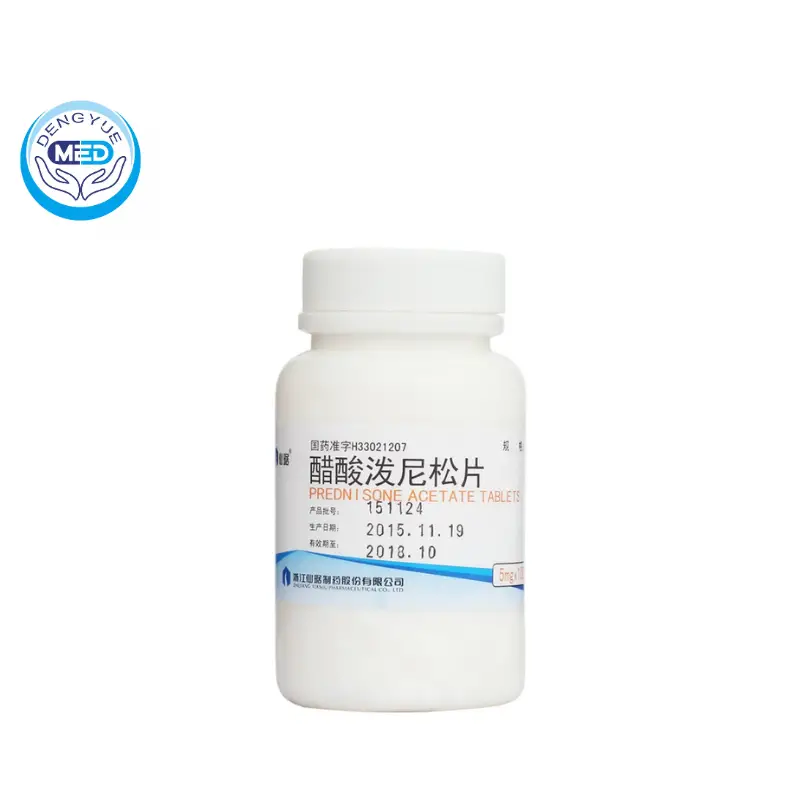
Prednisone Acetate Tablets|Immune Inflammatory Diseases
-
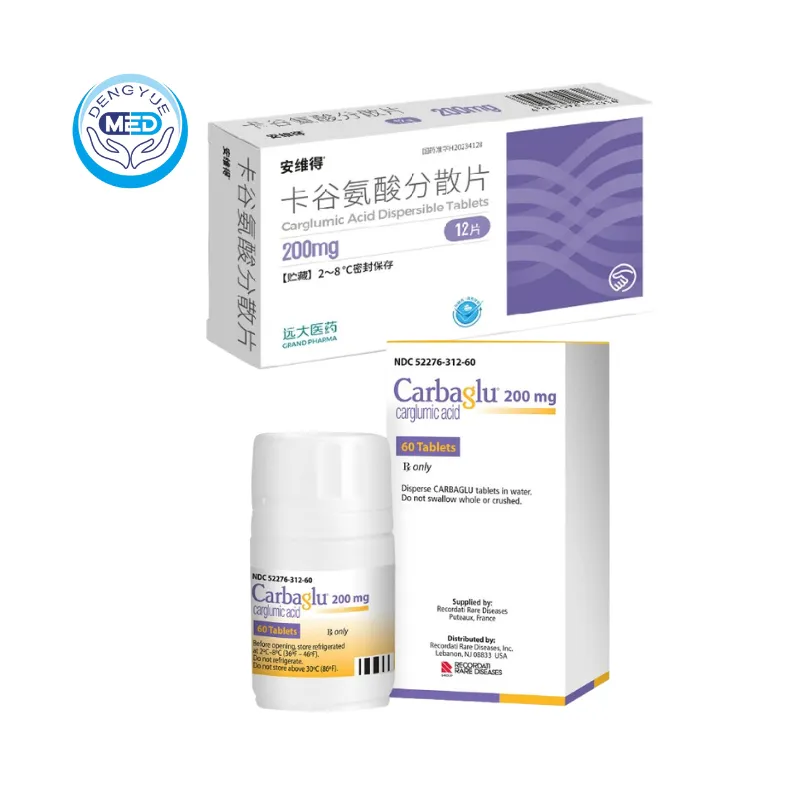
Carbaglu Carglumic Acid | Urea Cycle Disorders | HK DengYueMedicine
-
Tetrabenazine Tablets | Huntington’s Disease | DengYueMedicine
-
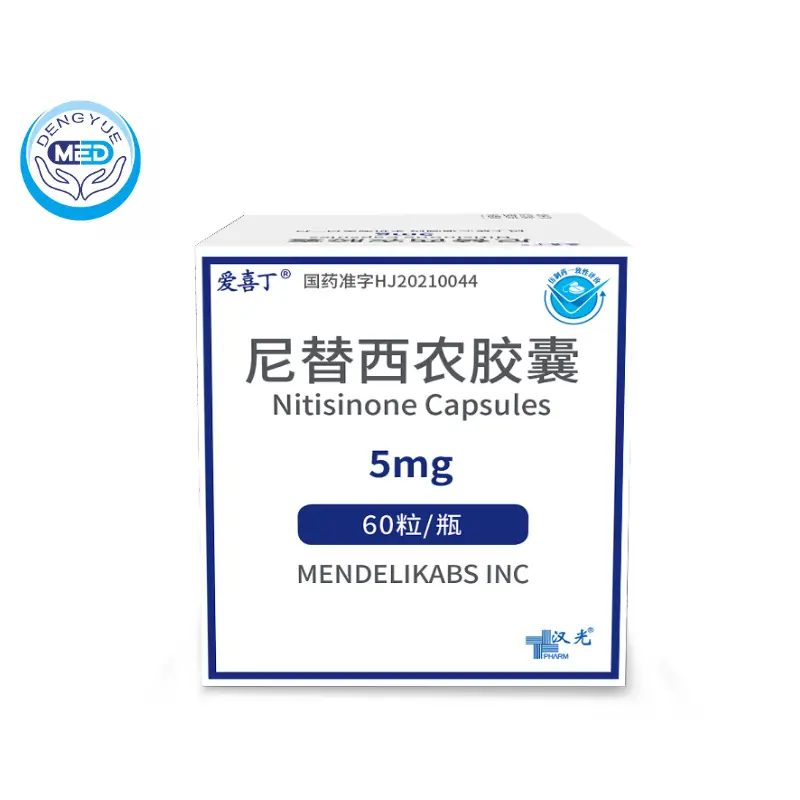
Nitisinone Capsules | Hereditary Tyrosinemia Type 1
-
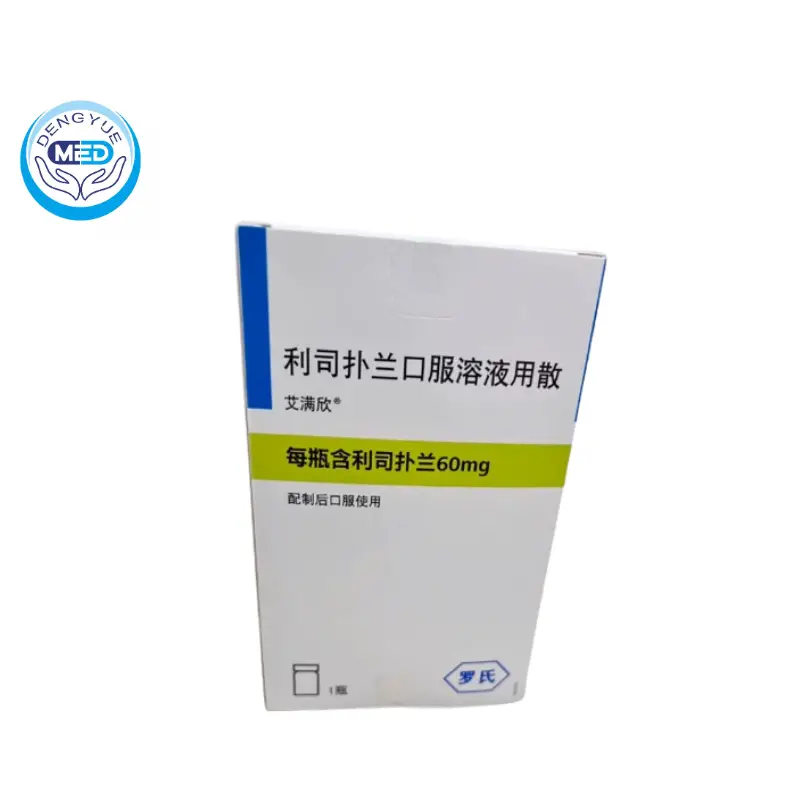
Risdiplam Oral Solution For Spinal Muscular Atrophy
-
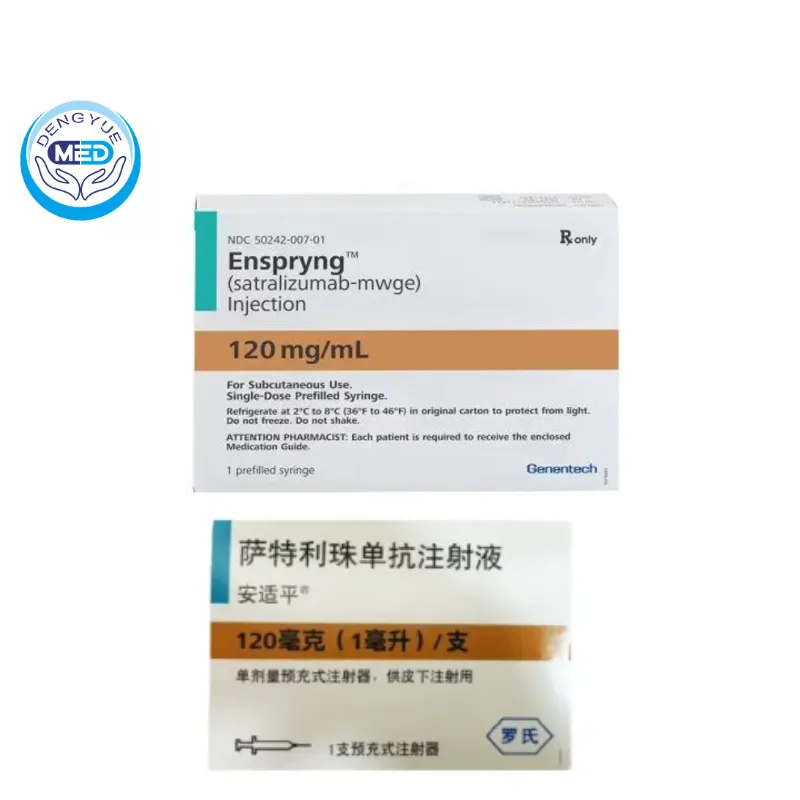
Enspryng Satralizumab | Optic Nerve Myelitis Spectrum Disorders
-
Teysuno (Tegafur Gimeracil and Oteracil Potassium) – Gastric Cancer | HongKong DengYue Medicine

Reviews
There are no reviews yet.