

Ohtuvayre (Ensifentrine) – Chronic Obstructive Pulmonary Disease
- Generic Name/Brand Name: Ensifentrine / Ohtuvayre
- Indications: Chronic Obstructive Pulmonary Disease
- Dosage Form: Inhalation suspension
- Specification: 3 mg/2.5 mL
Ohtuvayre Application Scope
Ohtuvayre is an inhaled prescription medication for adults with chronic obstructive pulmonary disease (COPD) that helps improve breathing by relaxing airway muscles and reducing inflammation.

Characteristics
Ingredients: Ensifentrine
Properties:
- Ensifentrine is a dual inhibitor of phosphodiesterase 3 (PDE3) and phosphodiesterase 4 (PDE4)
Providing both bronchodilator and anti-inflammatory effects.
Packaging Specification: Supplied as 2.5 mL of sterile ensifentrine (1.2 mg/mL) suspension
Storage:
Store at controlled room temperature (68°F to 77°F [20°C to 25°C])
With excursions permitted between 59°F and 86°F (15°C to 30°C)
- Keep in the protective foil pouch until use. Do not freeze.
Expiry Date: Refer to the expiration date printed on the packaging
Executive Standard: Refer to the official prescribing information for detailed standards.
Approval Number: FDA approval granted on June 26, 2024.
Date of Revision: June 2024.
Manufacturer: Verona Pharma, Inc.
Guidelines for the Use of Ohtuvayre
Dosage and Administration:
- Frequency: Twice daily (morning and evening).
- Dose: 3 mg (one ampule) per administration.
- Method: Oral inhalation using a standard jet nebulizer with a mouthpiece.
- Preparation: Shake the ampule vigorously before use.
- Post-Administration: Discard any residual content.
Adverse Reactions:
- Common Reactions (≥1% incidence and more frequent than placebo):
- Back pain
- Hypertension
- Urinary tract infection
- Diarrhea
- Psychiatric Reactions:
- Psychiatric adverse reactions have been reported, including suicidality.
- Common Reactions (≥1% incidence and more frequent than placebo):
Contraindications: Contraindicated in patients with hypersensitivity to ensifentrine or any component of the product.
Precautions:
Not for treating acute symptoms of bronchospasm.
Discontinue use if paradoxical bronchospasm occurs.
Use with caution in patients with hepatic impairment or a history of depression and/or suicidal thoughts or behavior.
Interactions
Drug Interactions: Concomitant administration with CYP2C9 inhibitors (e.g., fluconazole) may increase ensifentrine exposure.
Note:
- If there is a new packaging for the drug, the new packaging shall prevail. The above information is sourced from DengYue Medicine.
- It is only for internal discussion among medical staff and does not serve as a basis for medication. For specific medication guidelines, please consult the attending physician.
Related products

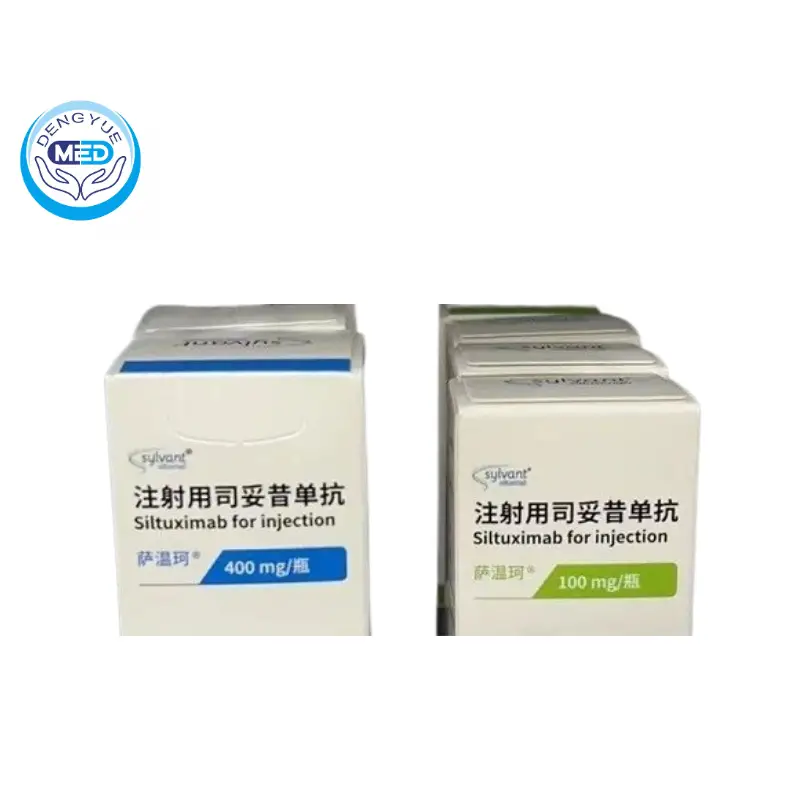
Siltuximab For Injection | Castleman’s Disease
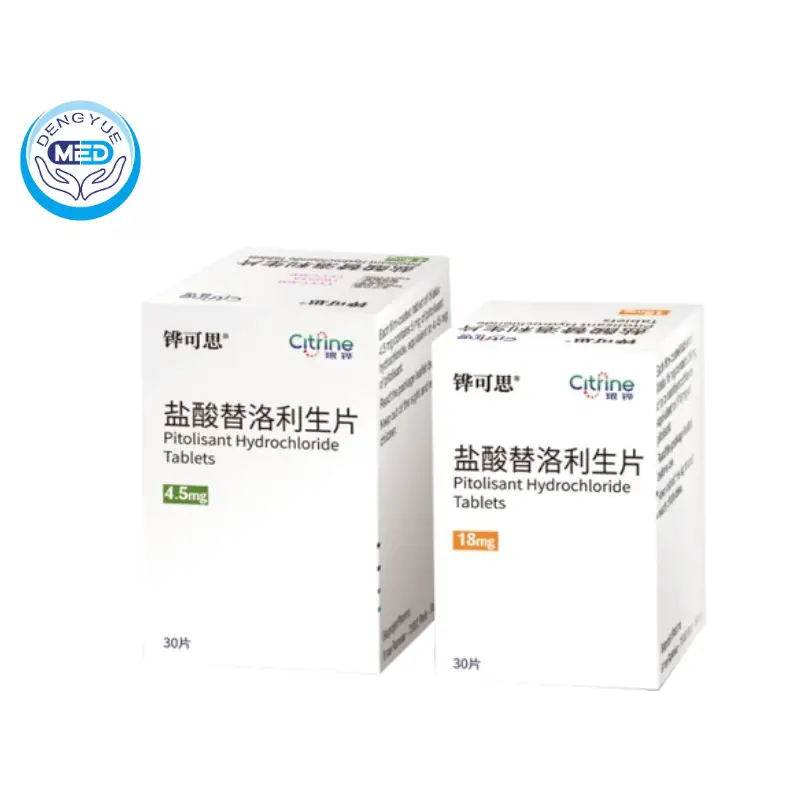
Pitolisant Hydrochloride Tablets
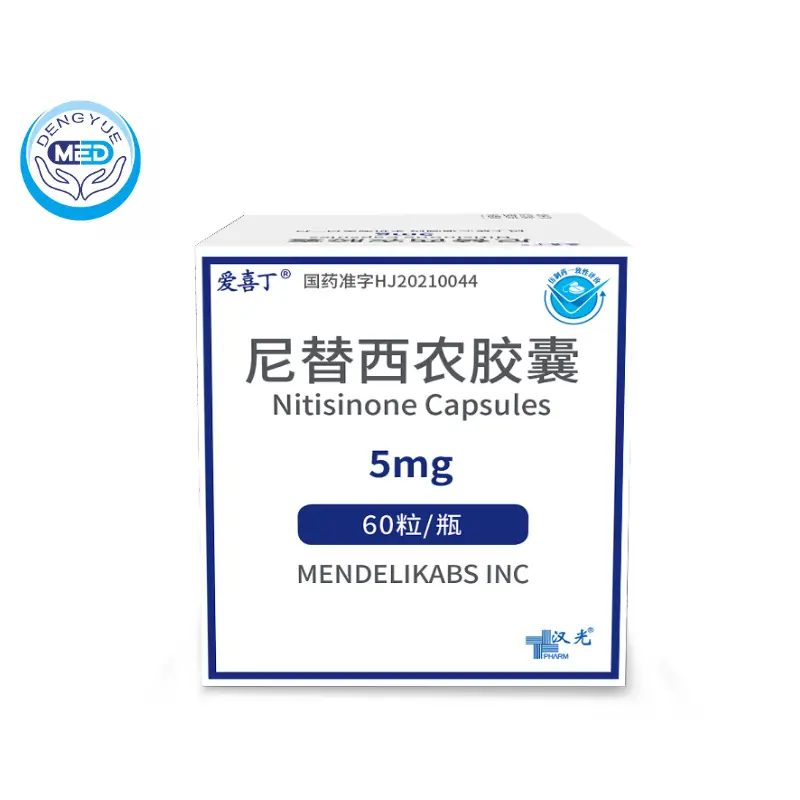
Nitisinone Capsules | Hereditary Tyrosinemia Type 1
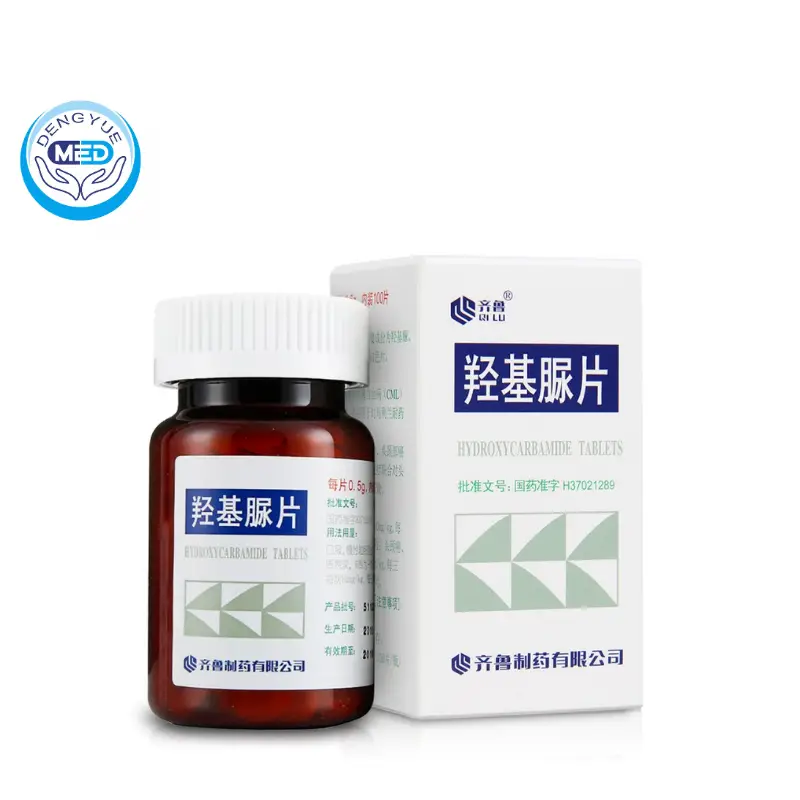
Hydroxycarbamide Tablets | Treatment of Leukemia
Aidixi Disitamab Vedotin Of Injection | HER2-Overexpressing | DengYueMedicine
Enspryng Satralizumab | Optic Nerve Myelitis Spectrum Disorders
Risdiplam Oral Solution For Spinal Muscular Atrophy
Gattex Teduglutide | Short Bowel Syndrome | DengYueMedicine
Reviews
There are no reviews yet.