
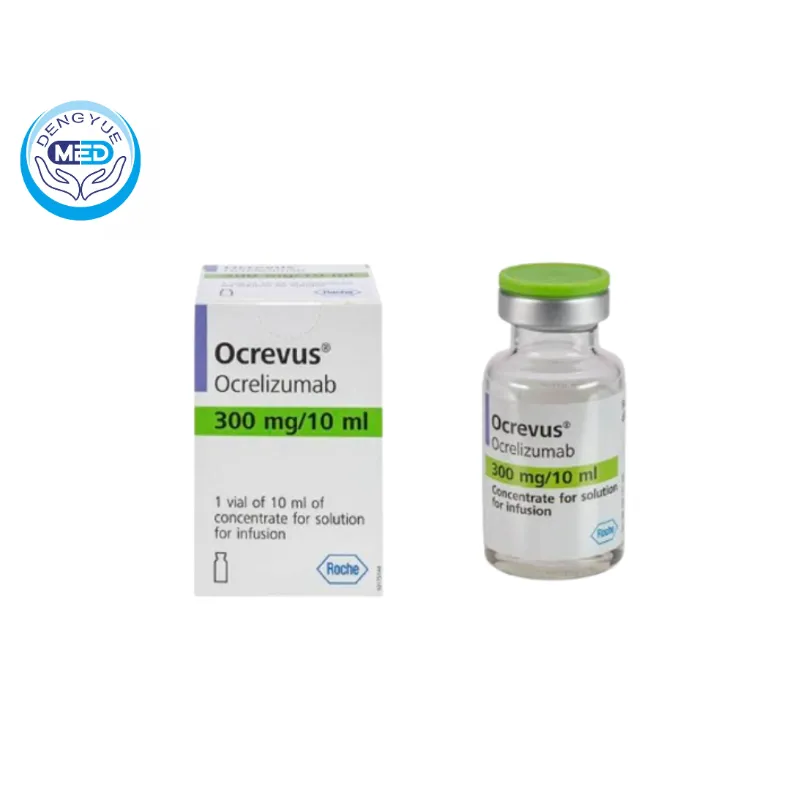
Ocrevus (Ocrelizumab) – RMS/PPMS | HongKong DengYue Medicine
- Generic Name/Brand Name: Ocrelizumab/Ocrevus
- Indications: RMS,PPMS
- Dosage Form: Intravenous infusion concentrate for dilution
- Specification: 300 mg/10 mL (30 mg/mL) × 1 vial
Ocrevus Ocrelizumab Application Scope
Relapsing forms of multiple sclerosis (RMS), including clinically isolated syndrome, relapsing-remitting MS, and active secondary progressive MS.
Primary progressive multiple sclerosis (PPMS) in adults.

ocrevus ocrelizumab
Ocrevus Ocrelizumab Characteristics
Ingredients: Ocrelizumab
Properties: A clear or slightly opalescent, colorless to pale brown solution for intravenous infusion
Packaging Specification: Supplied as a single-dose vial containing 300 mg/10 mL (30 mg/mL) solution
Storage: Store refrigerated (2 °C to 8 °C); do not freeze; protect from light; use immediately once diluted (or per local label)
Expiry Date: As per vial label / packaging (e.g. shelf life from manufacture) — check the specific package for expiry date
Executive Standard: As defined by regulatory authorities (e.g. U.S. FDA, EMA) and Roche / Genentech product monograph documents
Approval Number: Varies by country (in the U.S., the FDA label; in Europe, EMA’s marketing authorization)
Date of Revision: As per the latest prescribing document
Manufacturer: F. Hoffmann-La Roche Ltd (Roche) / Genentech
Guidelines for the Use of Ocrevus Ocrelizumab
Dosage and Administration:
Recommended Dose:
Initial dose: 600 mg total, split into two infusions of 300 mg each, given 14 days apart.
Subsequent doses: 600 mg as a single IV infusion every 6 months.
Administration:
Dilute in 0.9% sodium chloride; infuse with a 0.2 or 0.22 μm in-line filter.
The first infusions are often slower to reduce risk of infusion reactions; later infusions may proceed over ~3.5 hours or per label.
Patients should be observed during infusion and for at least 1 hour post-infusion for reactions.
Pre-medication (e.g. corticosteroid, antihistamine, optional antipyretic) is recommended ~30 minutes before infusion to reduce infusion reactions
Missed Dose: If a dose is missed or delayed, consult the prescribing physician. Re-initiation or rescheduling should consider B cell repletion and infusion reaction risk.
Adverse Reactions:
Common Adverse Reactions: From clinical trials (incidence ≥ 10% in RMS trials) include:
Infusion reactions (e.g., pruritus, rash, flushing, hypotension, headache, fever).
Upper respiratory tract infections, nasopharyngitis
Serious Adverse Reactions:
Severe infusion reactions (including anaphylaxis and bronchospasm).
Infections: risk of serious infections (bacterial, viral, opportunistic). Herpes virus infections, respiratory infections, etc.
Reactivation of hepatitis B virus (HBV) in those with prior infection.
Malignancies (including possible increased risk of breast cancer) observed in clinical trials—causal relationship uncertain.
Immune-mediated colitis (rare, postmarketing reports).
Decreased immunoglobulin levels (e.g., IgM, IgG) over time, possibly contributing to infection risk.
Progressive multifocal leukoencephalopathy (PML), a rare but serious brain infection, reported in some patients receiving ocrelizumab.
Contraindications:
Known history of life-threatening infusion reactions to ocrelizumab or any component of the formulation.
Active hepatitis B virus infection (since risk of HBV reactivation).
Precautions:
Screen for HBV before initiation; monitor patients at risk for reactivation.
Delay initiation in presence of active infection until resolved.
Live or live-attenuated vaccines should be given at least 4 weeks before starting therapy; avoid use of live vaccines during treatment.
Monitor immunoglobulin levels periodically during treatment.
Pregnancy/lactation: Safety not well established; effective contraception recommended during treatment and for some time after last dose.
Caution in patients switching from other immunosuppressive/immunomodulatory MS therapies to avoid overlapping immunosuppression.
Monitor for malignancies, especially breast cancer in women, per local screening guidelines.
Ocrevus Interactions
Concomitant use of other immunosuppressants may increase risk of infection and immunosuppression; caution when combining therapies.
Vaccines: Live vaccines are contraindicated during ocrelizumab treatment; response to inactivated vaccines may be diminished.
There are limited data on other specific drug–drug interactions; always review concomitant medications before initiation.
Note:
- If there is a new packaging for the drug, the new packaging shall prevail. The above information is sourced from DengYue Medicine.
- This content is for reference only. Prescription drugs must be used under a doctor’s guidance and purchased from authorized sources.
Related products

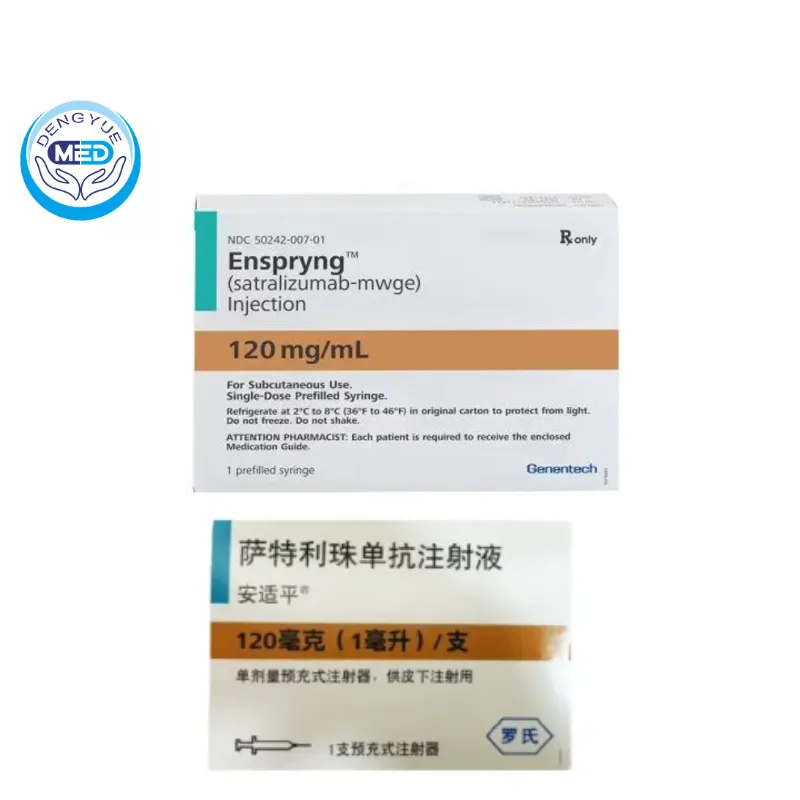
Enspryng Satralizumab | Optic Nerve Myelitis Spectrum Disorders
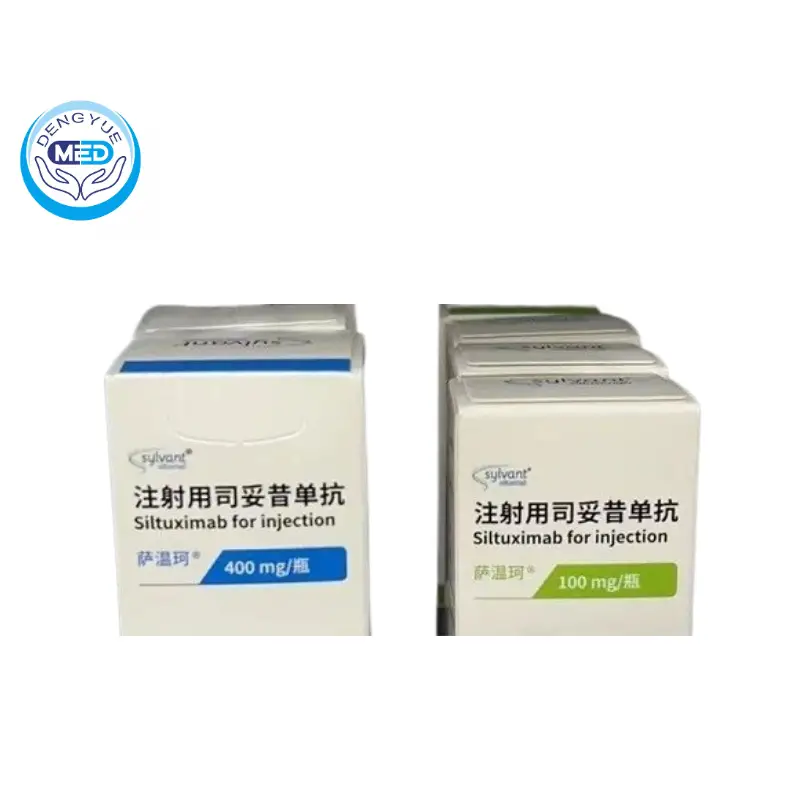
Siltuximab For Injection | Castleman’s Disease

Syprine Trientine Hydrochloride Tablets | Wilson’s Disease | DengYueMedicine
Nitisinone Capsules | Hereditary Tyrosinemia Type 1
Risdiplam Oral Solution For Spinal Muscular Atrophy
Gattex Teduglutide | Short Bowel Syndrome | DengYueMedicine
Ubenimex Capsules|Enhancement of immune function
Pitolisant Hydrochloride Tablets
Reviews
There are no reviews yet.