
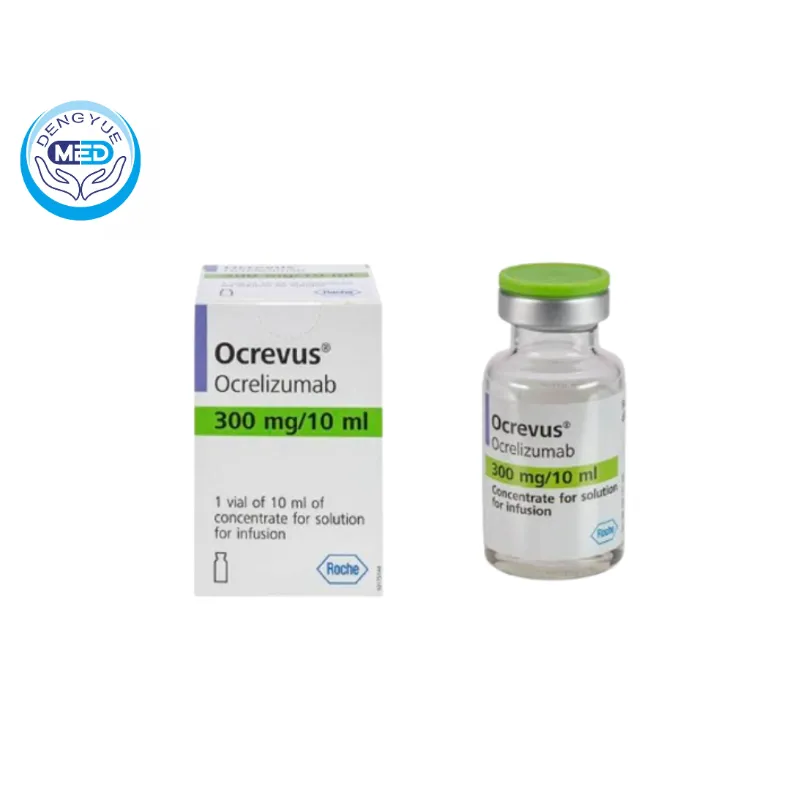
Ocrevus (Ocrelizumab) – RMS/PPMS | HongKong DengYue Medicine
- Generic Name/Brand Name: Ocrelizumab/Ocrevus
- Indications: RMS,PPMS
- Dosage Form: Intravenous infusion concentrate for dilution
- Specification: 300 mg/10 mL (30 mg/mL) × 1 vial
Ocrevus Ocrelizumab Application Scope
-
Relapsing forms of multiple sclerosis (RMS), including clinically isolated syndrome, relapsing-remitting MS, and active secondary progressive MS.
-
Primary progressive multiple sclerosis (PPMS) in adults.
ocrevus ocrelizumab
Ocrevus Ocrelizumab Characteristics
-
Ingredients: Ocrelizumab
-
Properties: A clear or slightly opalescent, colorless to pale brown solution for intravenous infusion
-
Packaging Specification: Supplied as a single-dose vial containing 300 mg/10 mL (30 mg/mL) solution
-
Storage: Store refrigerated (2 °C to 8 °C); do not freeze; protect from light; use immediately once diluted (or per local label)
-
Expiry Date: As per vial label / packaging (e.g. shelf life from manufacture) — check the specific package for expiry date
-
Executive Standard: As defined by regulatory authorities (e.g. U.S. FDA, EMA) and Roche / Genentech product monograph documents
-
Approval Number: Varies by country (in the U.S., the FDA label; in Europe, EMA’s marketing authorization)
-
Date of Revision: As per the latest prescribing document
-
Manufacturer: F. Hoffmann-La Roche Ltd (Roche) / Genentech
Guidelines for the Use of Ocrevus Ocrelizumab
-
Dosage and Administration:
-
Recommended Dose:
-
Initial dose: 600 mg total, split into two infusions of 300 mg each, given 14 days apart.
-
Subsequent doses: 600 mg as a single IV infusion every 6 months.
-
-
Administration:
-
Dilute in 0.9% sodium chloride; infuse with a 0.2 or 0.22 μm in-line filter.
-
The first infusions are often slower to reduce risk of infusion reactions; later infusions may proceed over ~3.5 hours or per label.
-
Patients should be observed during infusion and for at least 1 hour post-infusion for reactions.
-
Pre-medication (e.g. corticosteroid, antihistamine, optional antipyretic) is recommended ~30 minutes before infusion to reduce infusion reactions
-
-
Missed Dose: If a dose is missed or delayed, consult the prescribing physician. Re-initiation or rescheduling should consider B cell repletion and infusion reaction risk.
-
-
Adverse Reactions:
-
Common Adverse Reactions: From clinical trials (incidence ≥ 10% in RMS trials) include:
-
Infusion reactions (e.g., pruritus, rash, flushing, hypotension, headache, fever).
-
Upper respiratory tract infections, nasopharyngitis
-
-
Serious Adverse Reactions:
-
Severe infusion reactions (including anaphylaxis and bronchospasm).
-
Infections: risk of serious infections (bacterial, viral, opportunistic). Herpes virus infections, respiratory infections, etc.
-
Reactivation of hepatitis B virus (HBV) in those with prior infection.
-
Malignancies (including possible increased risk of breast cancer) observed in clinical trials—causal relationship uncertain.
-
Immune-mediated colitis (rare, postmarketing reports).
-
Decreased immunoglobulin levels (e.g., IgM, IgG) over time, possibly contributing to infection risk.
-
Progressive multifocal leukoencephalopathy (PML), a rare but serious brain infection, reported in some patients receiving ocrelizumab.
-
-
-
Contraindications:
-
Known history of life-threatening infusion reactions to ocrelizumab or any component of the formulation.
-
Active hepatitis B virus infection (since risk of HBV reactivation).
-
-
Precautions:
-
Screen for HBV before initiation; monitor patients at risk for reactivation.
-
Delay initiation in presence of active infection until resolved.
-
Live or live-attenuated vaccines should be given at least 4 weeks before starting therapy; avoid use of live vaccines during treatment.
-
Monitor immunoglobulin levels periodically during treatment.
-
Pregnancy/lactation: Safety not well established; effective contraception recommended during treatment and for some time after last dose.
-
Caution in patients switching from other immunosuppressive/immunomodulatory MS therapies to avoid overlapping immunosuppression.
-
Monitor for malignancies, especially breast cancer in women, per local screening guidelines.
-
Ocrevus Interactions
-
Concomitant use of other immunosuppressants may increase risk of infection and immunosuppression; caution when combining therapies.
-
Vaccines: Live vaccines are contraindicated during ocrelizumab treatment; response to inactivated vaccines may be diminished.
-
There are limited data on other specific drug–drug interactions; always review concomitant medications before initiation.
Note:
- If there is a new packaging for the drug, the new packaging shall prevail. The above information is sourced from DengYue Medicine.
- This content is for reference only. Prescription drugs must be used under a doctor’s guidance and purchased from authorized sources.
Related products
-

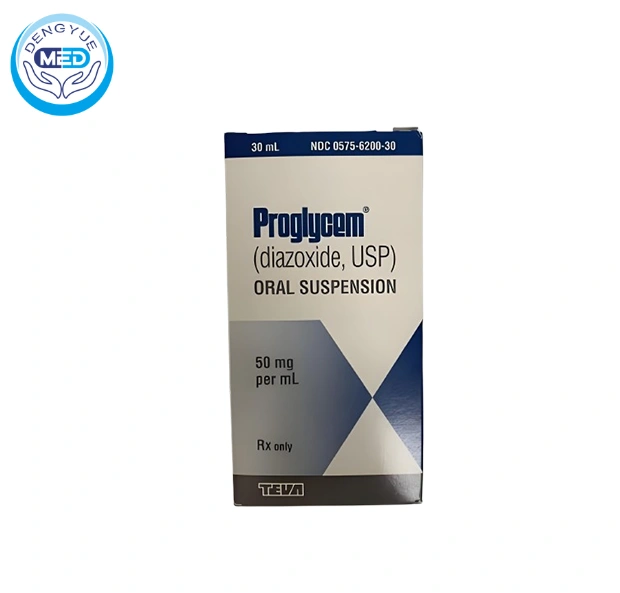
Proglycem Diazoxide | Hyperinsulinemic Hypoglycemia | DengYueMedicine
-

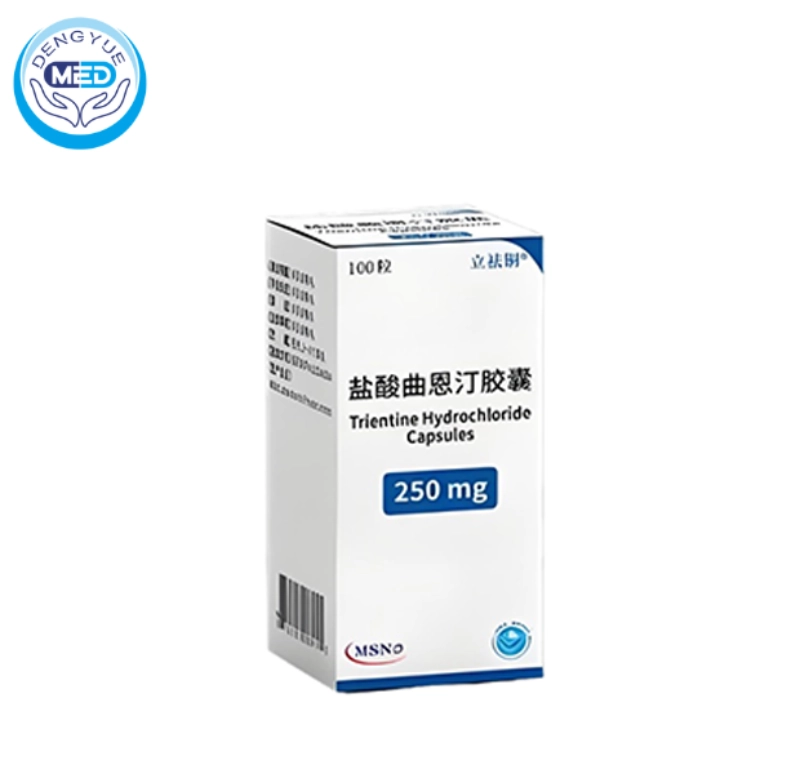
Syprine Trientine Hydrochloride Tablets | Wilson’s Disease | DengYueMedicine
-

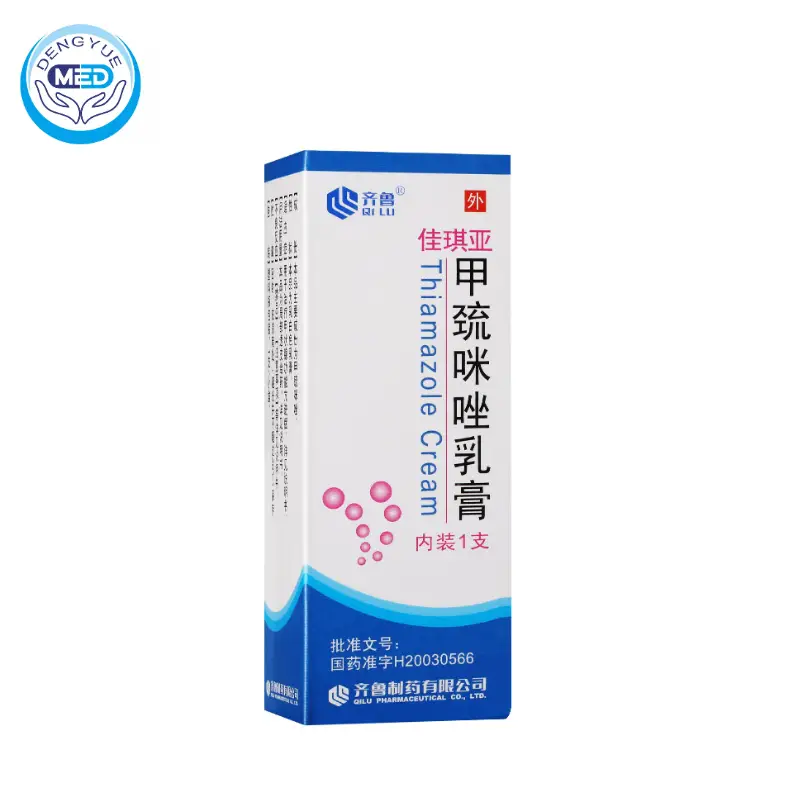
Thiamazole Cream | Anti Hyperthyroidism
-
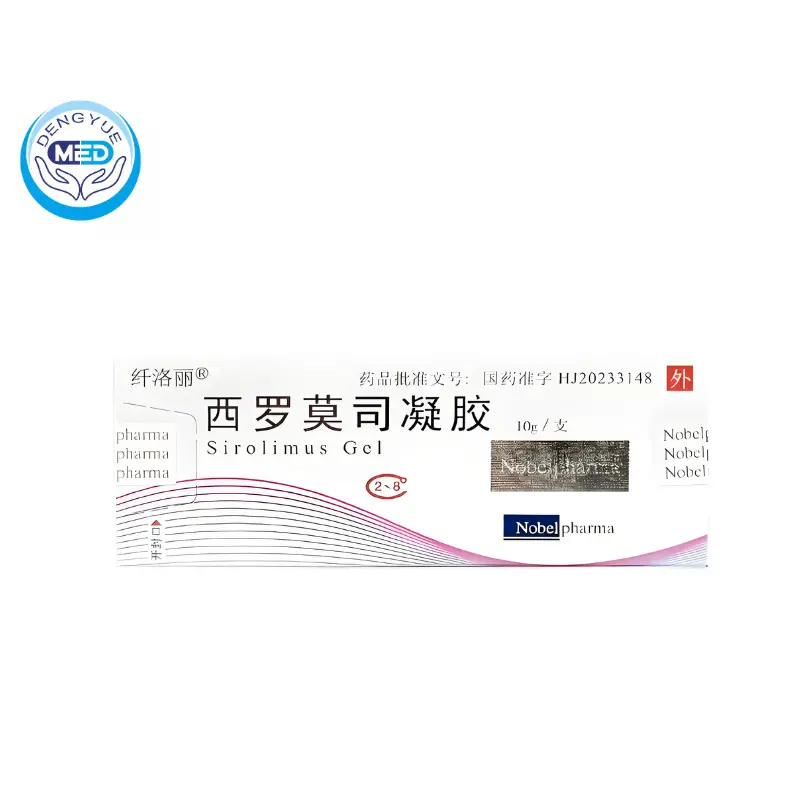
Sirolimus Gel | Facial Angiofibroma
-
Spesolimab Injection | Psoriatic Arthritis Treatment
-
Myozyme(Alglucosidase Alfa )- Pompe Disease
-
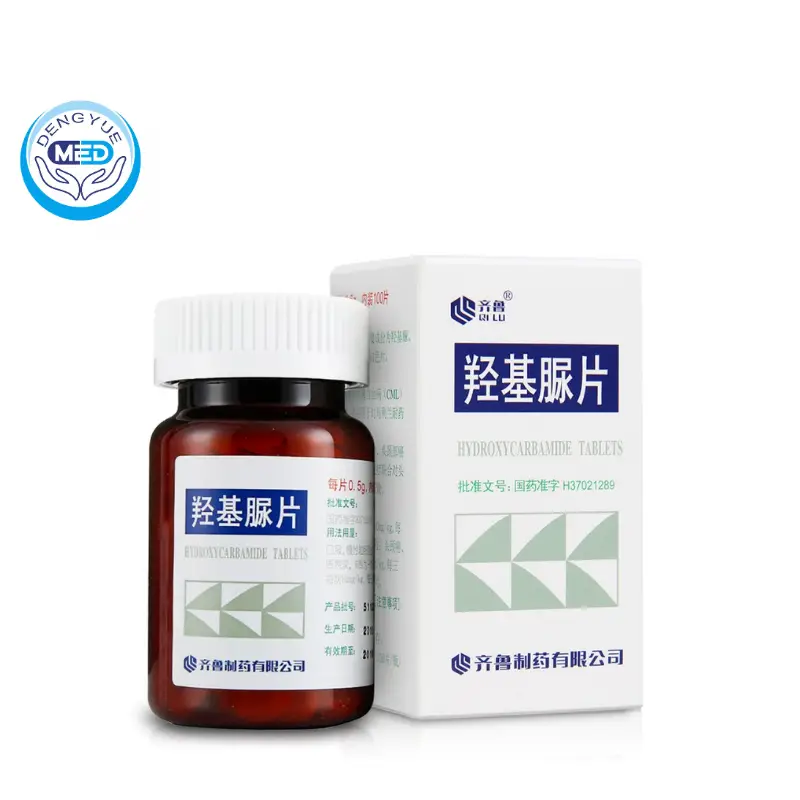
Hydroxycarbamide Tablets | Treatment of Leukemia
-
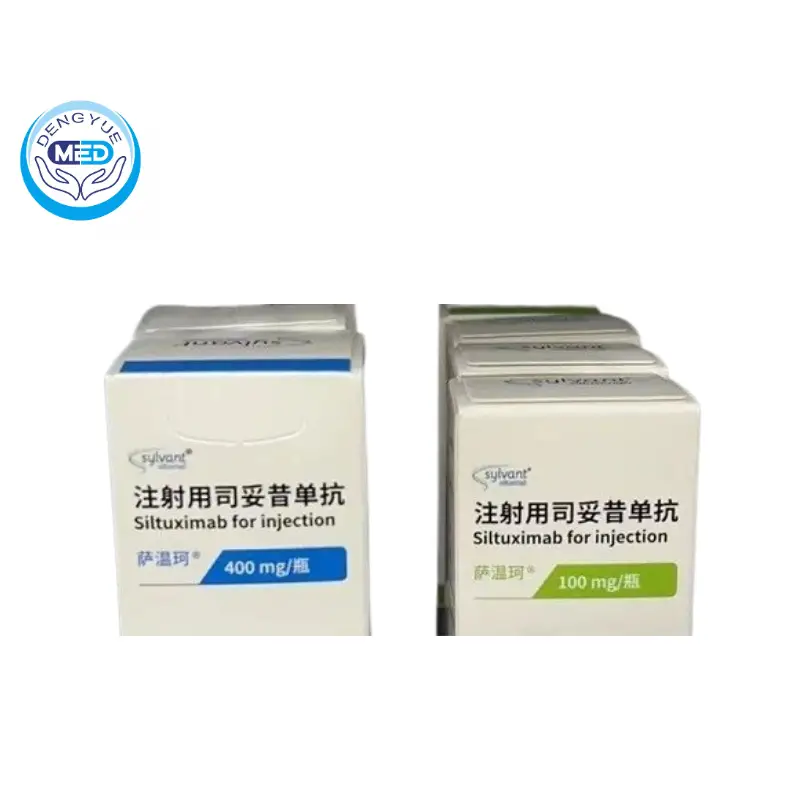
Siltuximab For Injection | Castleman’s Disease

.webp "Myozyme(Alglucosidase Alfa )- Pompe Disease")
Reviews
There are no reviews yet.