
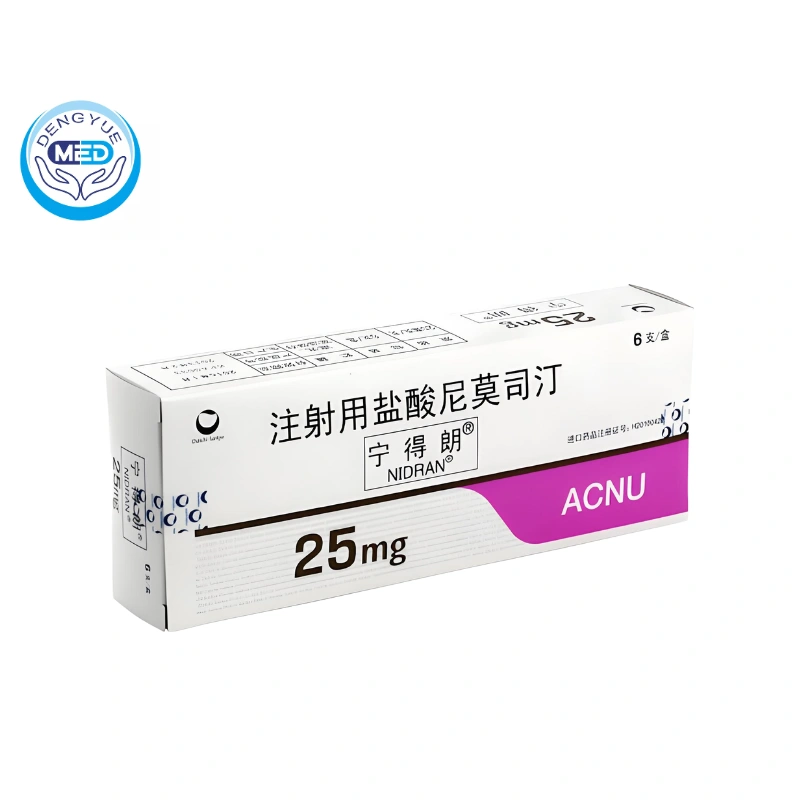
Nimustine Hydrochloride for Injection | Brain Cancer
- Generic Name/Brand Name: Nimustine Hydrochloride
- Indications: brain cancer
- Dosage Form: Intravenous injection (IV)
- Specification: 100 mg/vial
Nimustine Hydrochloride for Injection Application Scope
Nimustine Hydrochloride is a chemotherapy drug used primarily for the treatment of brain tumors, particularly gliomas such as glioblastoma multiforme (GBM). It is an alkylating agent that interferes with the DNA in cancer cells, preventing their replication and ultimately leading to their death. Nimustine is used to help control the growth of tumors and improve survival rates in patients with brain cancer.
Nimustine Hydrochloride for Injection Characteristics
-
Ingredients:
- Active Ingredient: Nimustine Hydrochloride (also known as ACNU, a derivative of nitrosourea)
- Excipients: Various excipients suitable for intravenous administration.
-
Properties:Nimustine Hydrochloride is a nitrosourea compound that is primarily used for its cytotoxic effects on rapidly dividing cancer cells. It is particularly effective in treating gliomas, a type of brain tumor.
-
Specification:Available Formulation: 100 mg/vial for intravenous injection.
-
Storage:Store at room temperature (between 20°C and 25°C). Protect from light.
-
Expiry Date:Typically 36 months from the manufacturing date, verify with the specific product.
-
Executive Standard:Meets regulatory standards from health authorities like the FDA or EMA.
-
Approval Number:Approval by FDA or relevant regional regulatory agencies.
-
Manufacturer:Manufactured by companies like Nippon Kayaku or other pharmaceutical manufacturers.
Guidelines For The Use Of Nimustine Hydrochloride for Injection
Dosage and Administration:
- Nimustine Hydrochloride is usually administered as an intravenous infusion, with a typical dose being 100 mg every 3-4 weeks, depending on the patient’s response and medical condition.
- The treatment may be combined with other chemotherapy agents for optimal effect.
Adverse Reactions:
- Common side effects include nausea, vomiting, bone marrow suppression, fatigue, and alopecia (hair loss).
- Serious side effects may include neurotoxicity, liver toxicity, and infections due to immune system suppression.
Medication Limitations
Contraindications:
- Hypersensitivity to Nimustine Hydrochloride or any of its excipients.
- Severe bone marrow suppression.
- Pregnancy and lactation unless the benefits outweigh the risks.
Precautions:
- Patients should be closely monitored for bone marrow suppression, liver function, and kidney function during treatment.
- Special caution is needed in patients with pre-existing neurological conditions.
Nimustine Hydrochloride for Injection Interactions
Drug Interactions:
- Cytotoxic drugs may enhance the bone marrow suppression effects of Nimustine Hydrochloride.
- Corticosteroids and other immune-suppressing drugs may affect the immune response during treatment.
Note:
- If there is a new packaging for the drug, the new packaging shall prevail. The above information is sourced from HongKong DengYue Medicine. It is only for internal discussion among medical staff and does not serve as a basis for medication. For specific medication guidelines, please consult the attending physician.
Related products
-

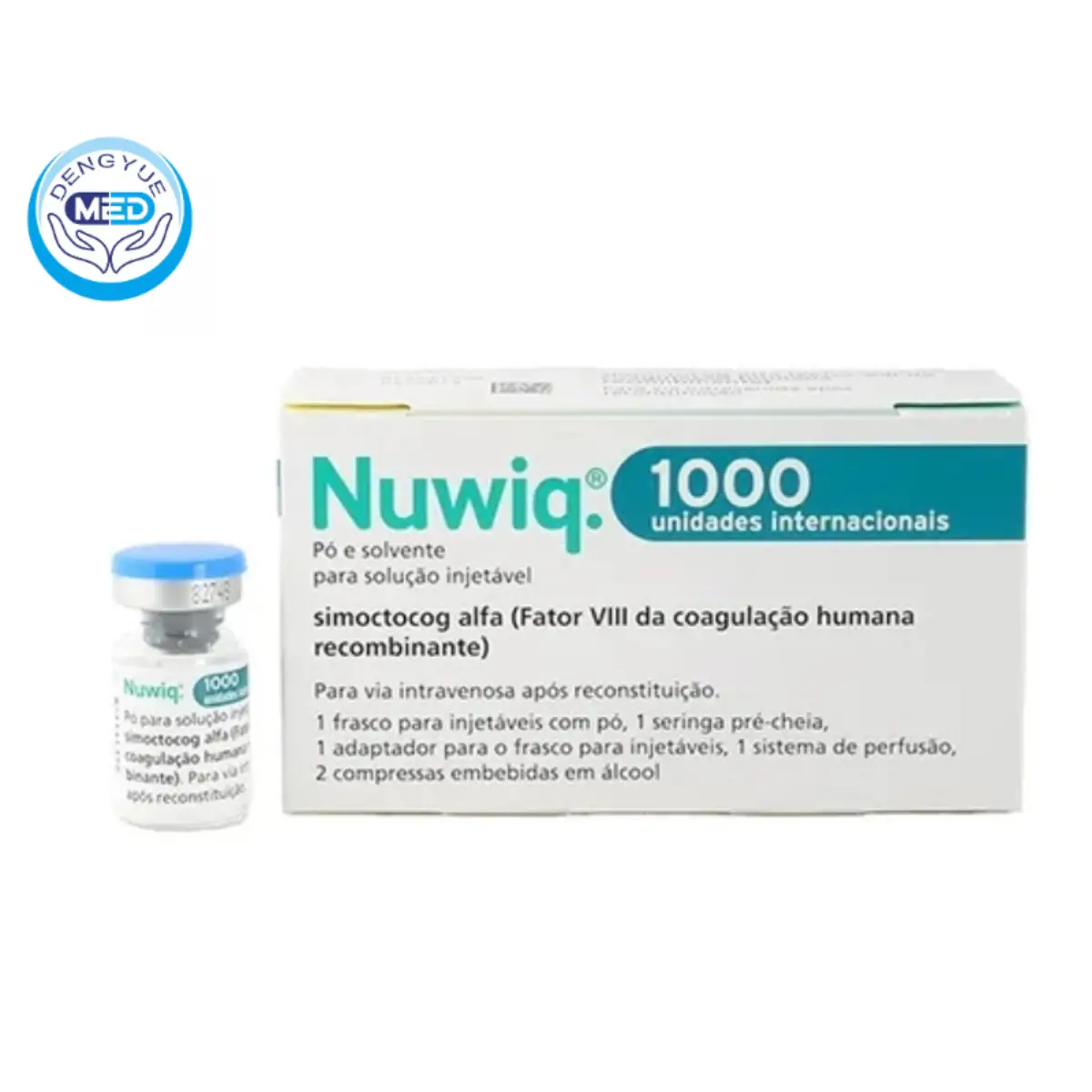
Simoctocog Alfa|Hemophilia A|HongKong DengYue Medicine
-

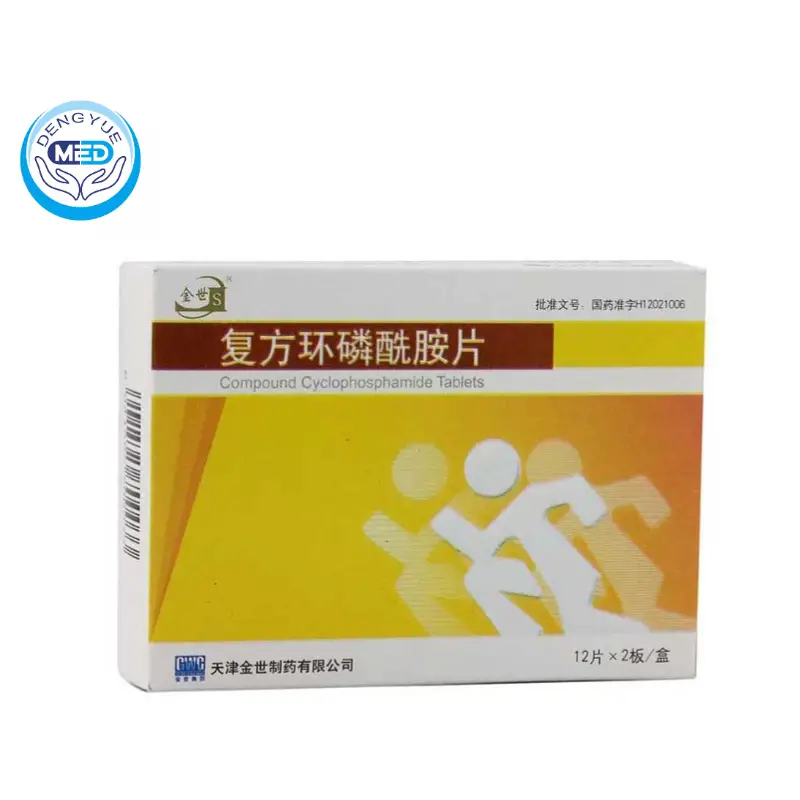
Compound Cyclophosphamide Tablets | Ovarian Cancer | DengYueMed
-
Turoctocog Alfa|Hemophiliac|HongKong DengYue Medicine
-
Methotrexate 2.5mg Tablets | Cancer Chemotherapy
-
Piasky Crovalimab | Paroxysmal Nocturnal Hemoglobinuria
-
Prednisone Acetate Tablets|Immune Inflammatory Diseases
-
Nplate Romiplostim | Immune Thrombocytopenia | DengYueMedicine
-
Imatinib Mesylate Capsules | Leukemia Treatment
Reviews
There are no reviews yet.