

Methotrexate For Injection | Leukemia | HongKong DengYue Medicine
- Generic Name/Brand Name: Methotrexate
- Indications: Leukemia, Lymphoma, Breast cancer, Osteosarcoma
- Dosage Form: Intravenous injection、oral tablets
- Specification:50 mg/mL or 2.5 mg/mL
Methotrexate For Injection Application Scope
Methotrexate is a chemotherapy drug used in the treatment of various cancers such as leukemia, lymphoma, and breast cancer. It is also used in the treatment of autoimmune diseases like rheumatoid arthritis and psoriasis. Methotrexate acts by inhibiting dihydrofolate reductase, an enzyme involved in the synthesis of folic acid, thereby disrupting DNA replication and the growth of cancerous cells and immune cells.
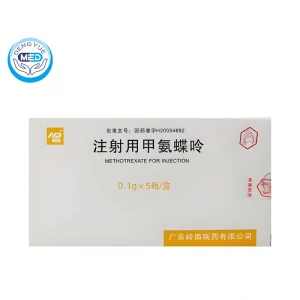
Methotrexate For Injection Characteristics
- Ingredients:
- Active Ingredient: Methotrexate (as sodium salt)
- Excipients: Various stabilizers and inactive ingredients suitable for intravenous injection.
- Properties:Methotrexate is a folate antagonist and antimetabolite, primarily used for its cytotoxic effects against rapidly dividing cells, making it effective in cancer treatment and autoimmune disorders. It is used as an intravenous injection for more targeted delivery.
- Specification:Typically available in 50 mg/mL vials for intravenous use. Exact concentrations depend on packaging.
- Storage:Store at room temperature (between 20°C and 25°C) and protect from light and moisture.
- Expiry Date:Typically 36 months from the manufacturing date (verify with specific packaging).
- Executive Standard:Meets regulatory standards set by FDA or local health authorities.
- Approval Number:Check the official approval number from FDA or other relevant regulatory bodies.
- Manufacturer:Manufactured by companies like Pfizer, Sandoz, or other generic manufacturers.
Guidelines For The Use Of Methotrexate For Injection
Dosage and Administration:
- Cancer treatment: The dosage for cancer treatment varies by indication, but it is typically administered as intravenous injection, often in doses of 2.5-5 mg/m² depending on the cancer being treated. High-dose methotrexate may require leucovorin rescue to mitigate toxic effects.
- Autoimmune diseases: For diseases like rheumatoid arthritis, Methotrexate is usually administered at 7.5-15 mg/week as a subcutaneous injection, but in severe cases, doses may be adjusted.
Adverse Reactions:
- Common side effects include nausea, vomiting, mouth ulcers, and fatigue.
- Serious side effects may include bone marrow suppression, liver toxicity, renal impairment, and pulmonary toxicity.
Medication Limitations
Contraindications:
- Known hypersensitivity to Methotrexate.
- Pregnancy and lactation unless the potential benefits outweigh the risks.
- Severe liver or renal disease.
Precautions:
- Patients undergoing Methotrexate therapy should be monitored for liver function, renal function, and blood counts regularly.
- Hydration and adequate renal function are crucial when administering high-dose Methotrexate.
Methotrexate For Injection Interactions
Drug Interactions:
- NSAIDs or aspirin can increase Methotrexate toxicity, especially in high doses.
- Penicillins, cephalosporins, and other antibiotics may increase Methotrexate levels, requiring dose adjustments.
- Folic acid supplementation may reduce Methotrexate’s effectiveness in treating cancer, but can be used to alleviate side effects in other conditions.
Note:
- If there is a new packaging for the drug, the new packaging shall prevail. The above information is sourced from HongKong DengYue Medicine. It is only for internal discussion among medical staff and does not serve as a basis for medication. For specific medication guidelines, please consult the attending physician.
Contact Us
Related products
-

Risdiplam Oral Solution For Spinal Muscular Atrophy
-
Agalsidase Alfa | Anti Fabry Disease
-
Prednisone Acetate Tablets|Immune Inflammatory Diseases
-
Carbaglu Carglumic Acid | Urea Cycle Disorders | HK DengYueMedicine
-
Vimizim Elosulfase Alpha | Mucopolysaccharidosis Type IV
-
Sodium Phenylbutyrate Granules | Urea Cycle Disorders
-
Spesolimab Injection | Psoriatic Arthritis Treatment
-

Nusinersen Injection – Spinal Muscular Atrophy
.webp "Vimizim Elosulfase Alpha | Mucopolysaccharidosis Type IV")


Reviews
There are no reviews yet.