
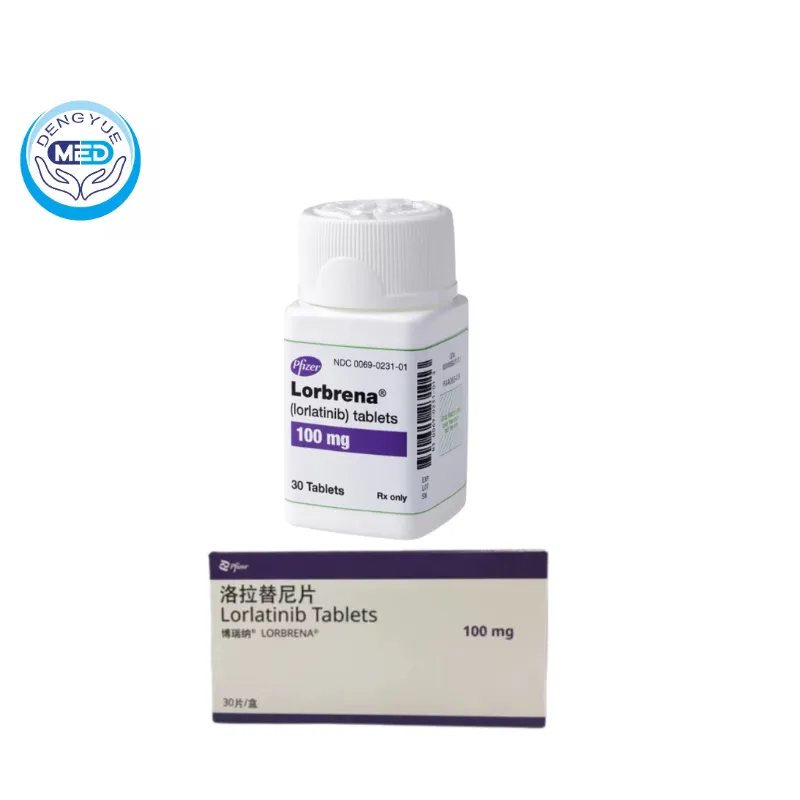
Lorbrena (Lorlatinib) – Lymphoma Kinase | HongKong DengYue Medicine
- Generic Name/Brand Name: Lorlatinib/Lorbrena
- Indications: Lymphoma Kinase
- Dosage Form: tablet
- Specification: 25 mg / 100 mg × 30 tablets
Lorlatinib Application Scope
Lorlatinib is a third-generation inhibitor of anaplastic lymphoma kinase (ALK) indicated for the treatment of patients with ALK-positive locally advanced or metastatic non-small cell lung cancer (NSCLC).
This drug may be used as an initial treatment option for patients with untreated ALK-positive NSCLC.
Lorlatinib Characteristics
-
Ingredients: Lorlatinib is the active ingredient.
-
Properties: Third-generation tyrosine kinase inhibitor that selectively targets anaplastic lymphoma kinase (ALK) and C-ros oncogene 1 (ROS1), effectively inhibiting tumor growth in ALK-positive and ROS1-positive non-small cell lung cancer (NSCLC).
-
Specification: Available in tablet form with strengths of 25 mg and 100 mg.
-
Packaging Specification: Tablets are packaged in bottles containing 30 tablets each.
-
Storage: Store at room temperature between 20°C to 25°C (68°F to 77°F); excursions permitted between 15°C to 30°C (59°F to 86°F).
-
Expiry Date: Refer to the packaging for the expiration date.
-
Executive Standard: Manufactured in compliance with current Good Manufacturing Practices (cGMP) and approved by regulatory authorities such as the FDA and EMA.
-
Approval Number: Refer to the specific regulatory approval number in your country.
-
Date of Revision: Check the prescribing information for the most recent revision date.
-
Manufacturer: Pfizer Inc.
Guidelines for the Use of Lorlatinib
-
Dosage and Administration:
-
Recommended Dosage: The standard dose is 100 mg taken orally once daily, with or without food, until disease progression or unacceptable toxicity occurs.
-
Dose Modifications: Dose adjustments may be necessary based on individual tolerance and adverse reactions. Consult the prescribing information for detailed guidelines.
-
-
Adverse Reactions:
-
Common adverse reactions include edema, peripheral neuropathy, weight gain, cognitive effects, fatigue, dyspnea, arthralgia, diarrhea, mood effects, hypercholesterolemia, hypertriglyceridemia, and cough.
-
Serious adverse reactions may occur. Patients should be monitored regularly, and any severe or persistent symptoms should be reported to a healthcare provider.
-
-
Contraindications:
-
Hypersensitivity to lorlatinib or any of its excipients.
-
Concomitant use with strong CYP3A inducers, as this may reduce lorlatinib plasma concentrations and efficacy.
-
-
Precautions:
-
Monitor liver function tests and lipid levels before and during treatment.
-
Assess for central nervous system effects, including cognitive and mood changes.
-
Use effective contraception during treatment and for some time after the last dose, as lorlatinib may cause fetal harm.
-
Lorbrena Interactions
-
Drug Interactions:
-
Avoid concomitant use with strong CYP3A inducers (e.g., rifampin, carbamazepine) and strong CYP3A inhibitors (e.g., ketoconazole, clarithromycin), as they can significantly alter lorlatinib plasma concentrations.
-
May affect the plasma concentrations of other drugs metabolized by CYP3A; dose adjustments may be necessary.
-
Note:
- If there is a new packaging for the drug, the new packaging shall prevail. The above information is sourced from DengYue Medicine.
- It is only for internal discussion among medical staff and does not serve as a basis for medication. For specific medication guidelines, please consult the attending physician.
Related products
-

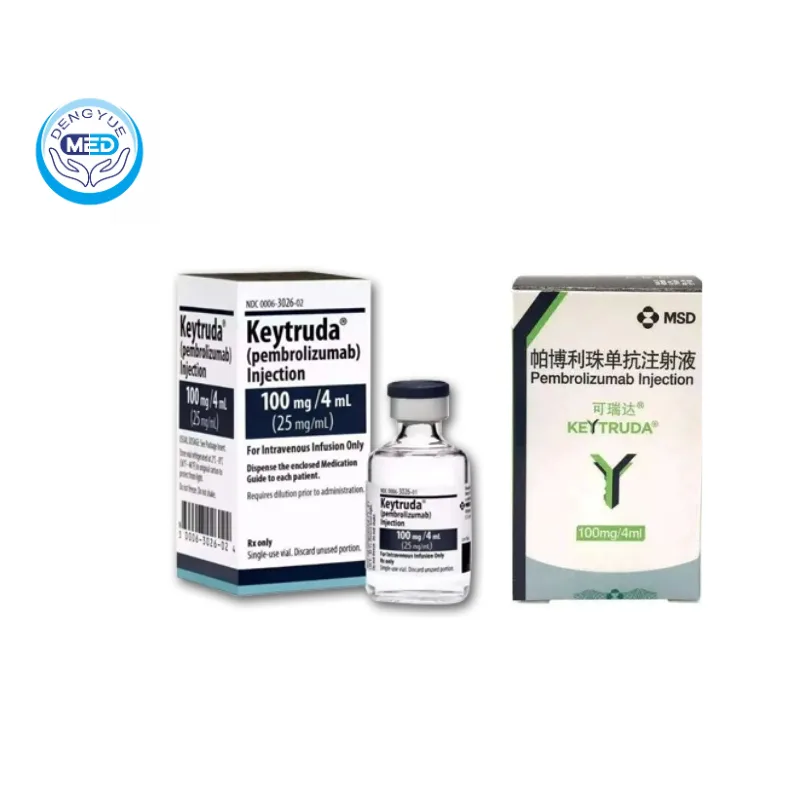
Keytruda (Pembrolizumab) – NSCLC | HongKong DengYue Medicine
-
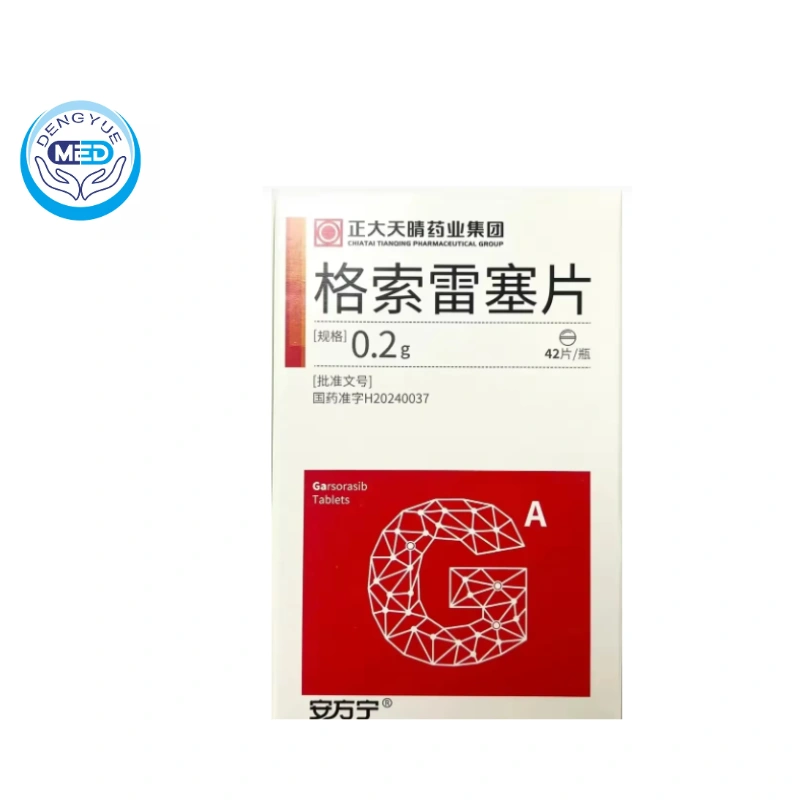
Anfangning (Garsorasib) – NSCLC | HongKong DengYue Medicine
-
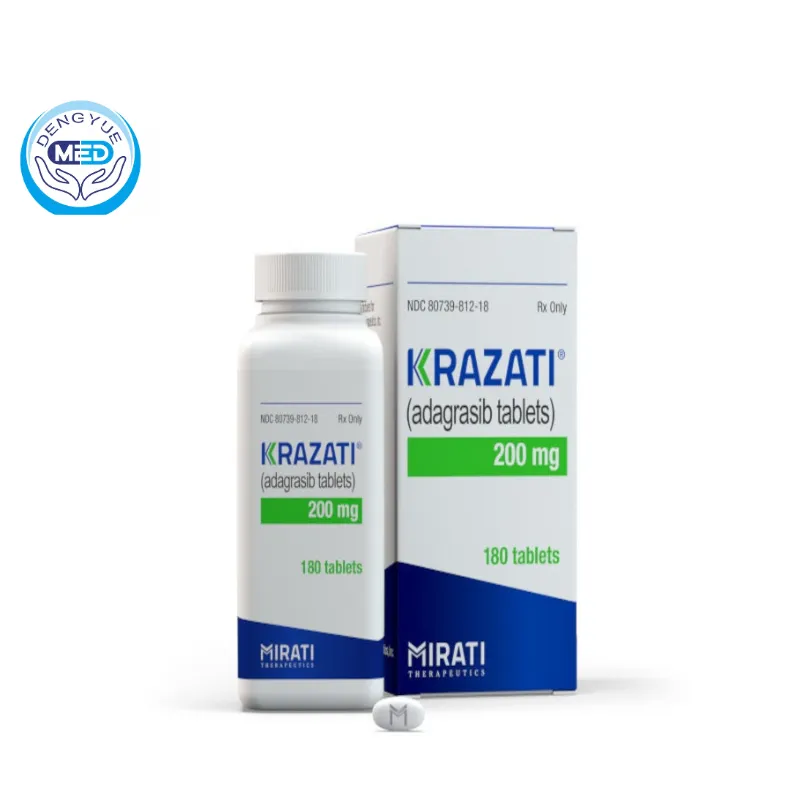
Adagrasib Tablets | Lung Cancer | HK DengYueMed
-
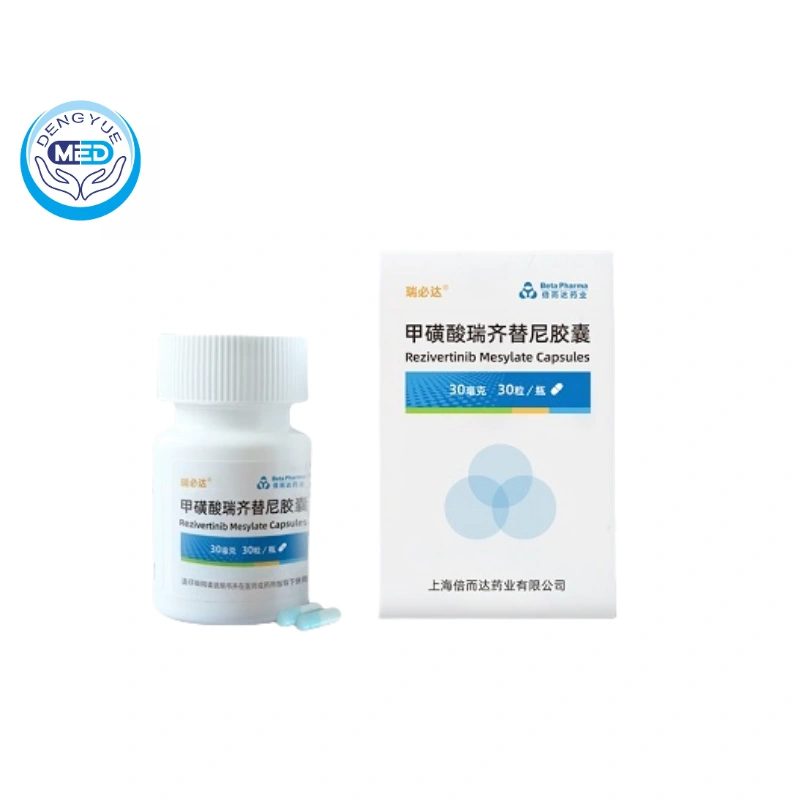
Rezivertinib Mesylate Capsules|Non-Small Cell Lung Cancer (NSCLC)
-
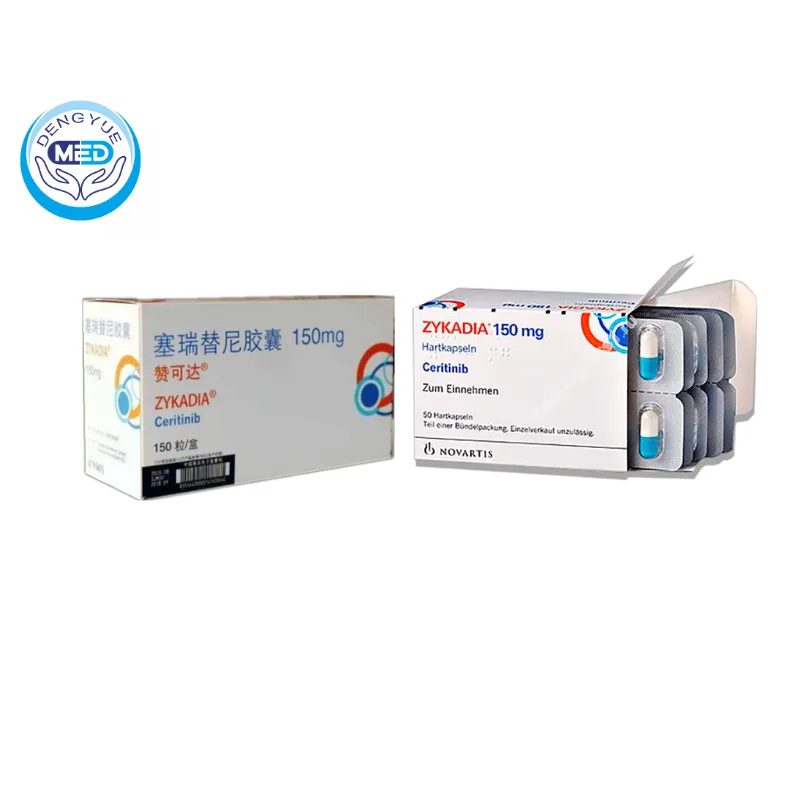
Zykadia (Ceritinib) – NSCLC | HongKong DengYue Medicine
-
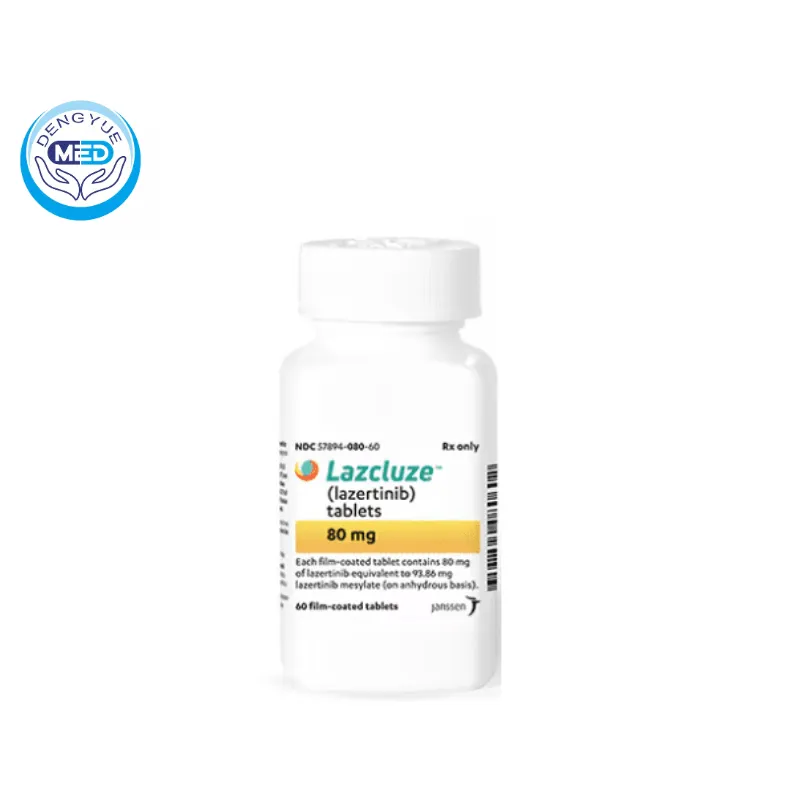
Lazertinib | Non-Small Cell Lung Cancer | HongKong DengYue Medicine
-
Encorafenib|Non-Small Cell Lung Cancer|HongKong DengYue Medicine
-
Chloroxoquinoline Capsules | Lung Cancer
Reviews
There are no reviews yet.