
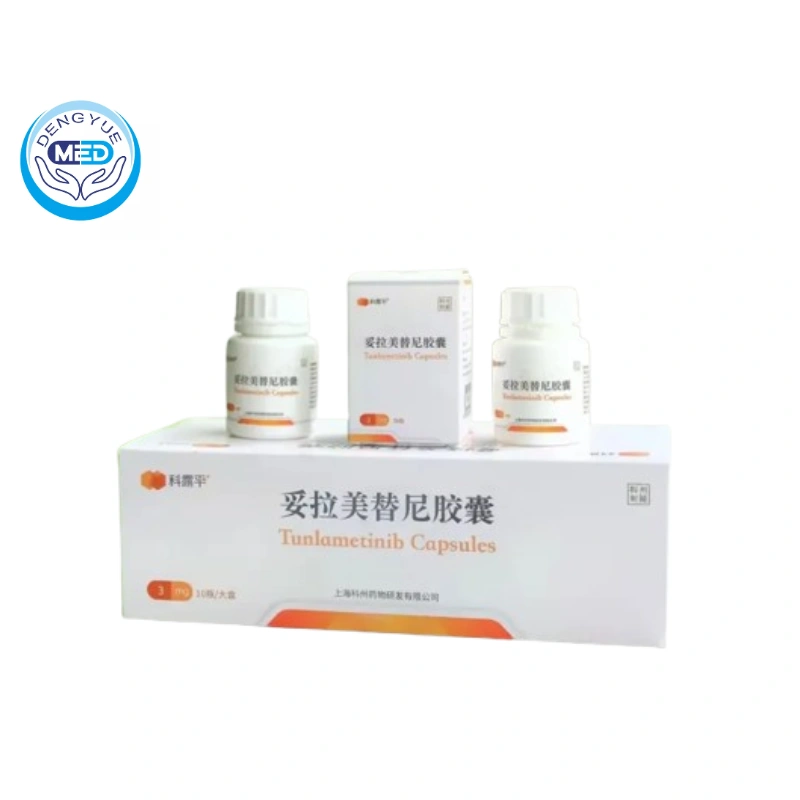
Keluping Tunlametinib | Melanoma | China Drug Import and Export Wholesaler
- Generic Name/Brand Name: Tunlametinib/Keluping
- Indications: Melanoma
- Dosage Form: Capsules
- Specification: 3mg*10 Capsules
Keluping Tunlametinib Application Scope
Keluping Tunlametinib is primarily used in the treatment of cancers that involve mutations in the MEK pathway, such as melanoma, non-small cell lung cancer (NSCLC), and other solid tumors that are driven by mutations in the RAS/RAF/MEK/ERK signaling pathway. This targeted therapy is typically used in patients who have BRAF V600 mutations, as these mutations cause uncontrolled cell growth, leading to cancer.
Keluping Tunlametinib Characteristics
- Ingredients: Tunlametinib (a selective MEK1/2 inhibitor)
- Properties: Tunlametinib works by specifically targeting and inhibiting the MEK1/2 enzymes, thus interfering with the MAPK/ERK signaling pathway, which is often overactive in various cancers. This inhibition prevents tumor cell proliferation, migration, and survival, contributing to reduced tumor growth.
- Specification: The drug is usually available in oral tablet form at a concentration of 1 mg, 2 mg, or 5 mg per tablet.
- Ingredients: Tunlametinib (active ingredient) and appropriate excipients for tablet formulation.
- Properties: Solid dosage form designed for oral administration.
- Storage: Store at room temperature (between 20°C and 25°C) in a tightly sealed container. Keep away from moisture and excessive heat.
- Effective period: The medication remains stable for up to 3 years from the date of manufacture, with the expiration date indicated on the packaging.
Guidelines For The Use Of Keluping Tunlametinib
- Dosage and Administration:
- The recommended dose for adults is 2 mg twice daily, or as prescribed by a physician based on individual patient characteristics, including tolerability and disease state.
- Dose adjustment may be required for patients with impaired liver or kidney function.
- The medication should be taken with or without food, but it is essential to adhere to the prescribed schedule for optimal efficacy.
- Adverse Reactions:
- Common side effects include fatigue, diarrhea, nausea, and rash.
- More serious side effects may include cardiac toxicity, visual disturbances, and hepatic dysfunction.
- Patients should be monitored regularly for potential signs of thromboembolism or ocular toxicity.
Medication Limitations
- Contraindications:
- Hypersensitivity to Tunlametinib or any of its excipients.
- Pregnancy (due to potential teratogenic effects).
- Severe hepatic impairment or concurrent use with strong CYP3A4 inhibitors.
- Precautions:
- Use with caution in patients with pre-existing cardiac conditions or history of eye disorders.
- Regular monitoring for liver function and visual disturbances is recommended during treatment.
- Not recommended for use in children under 18 years of age unless part of a clinical trial.
Keluping Tunlametinib Interactions
- Drug Interactions:
- CYP3A4 inhibitors (e.g., ketoconazole, ritonavir) may increase the concentration of Tunlametinib, requiring dose adjustments.
- CYP3A4 inducers (e.g., rifampin, phenytoin) may decrease the efficacy of Tunlametinib.
- Anticoagulants and antiplatelet drugs may increase the risk of bleeding when taken together.
Note:
- If there is a new packaging for the drug, the new packaging shall prevail. The above information is sourced from HongKong DengYue Medicine. It is only for internal discussion among medical staff and does not serve as a basis for medication. For specific medication guidelines, please consult the attending physician.
Contact Us
Related products
-

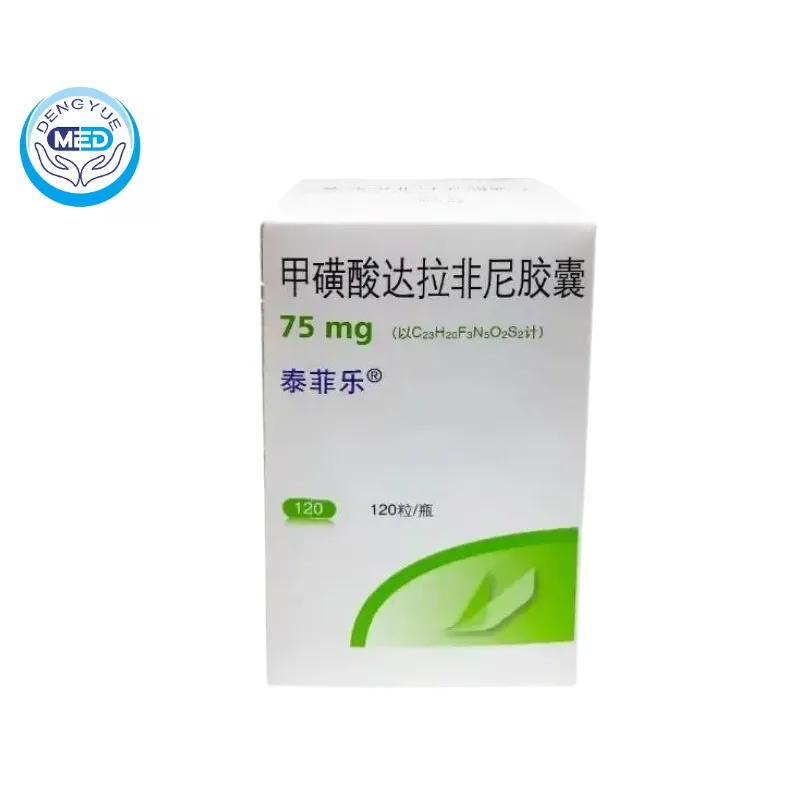
Tafinlar (Dabrafenib Mesylate) – Melanoma & Lung Cancer | DengYue Medicine
-
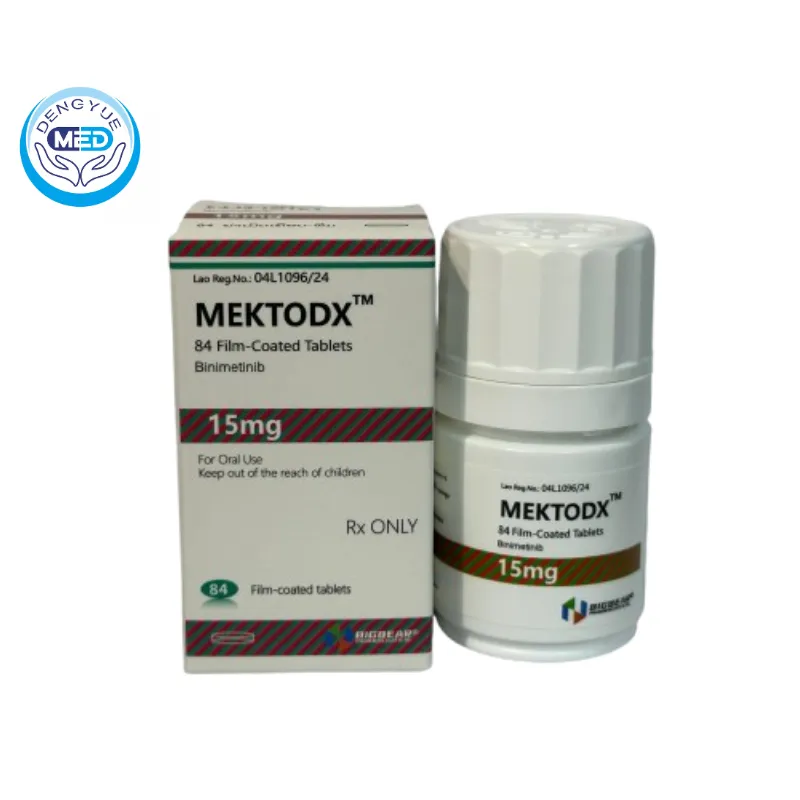
Mektovi (Binimetinib) – Melanoma | HongKong DengYue Medicine
-
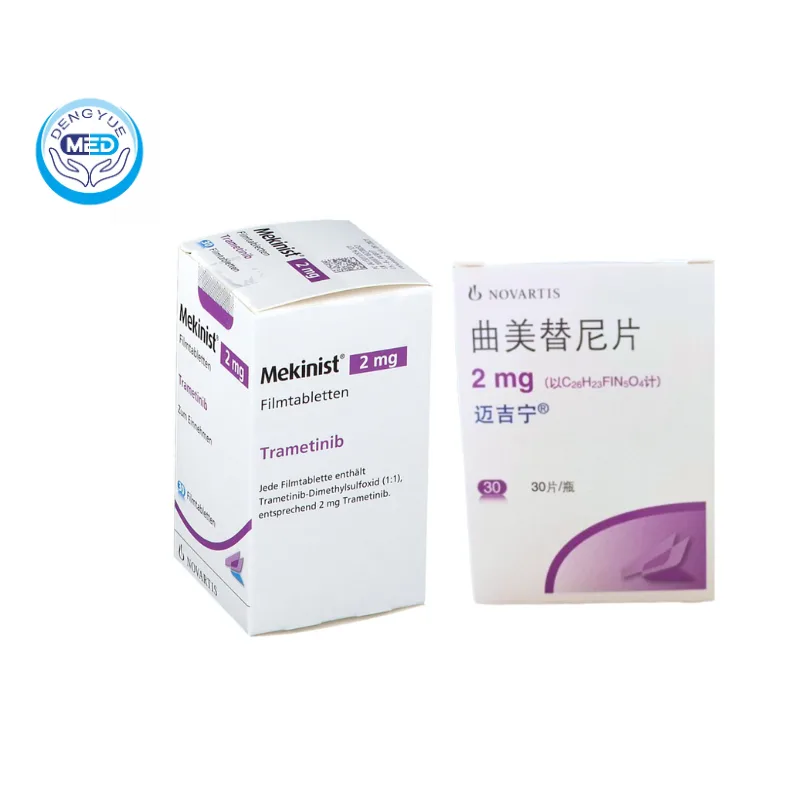
Mekinist (Trametinib) – NSCLC | DengYue Medicine
-
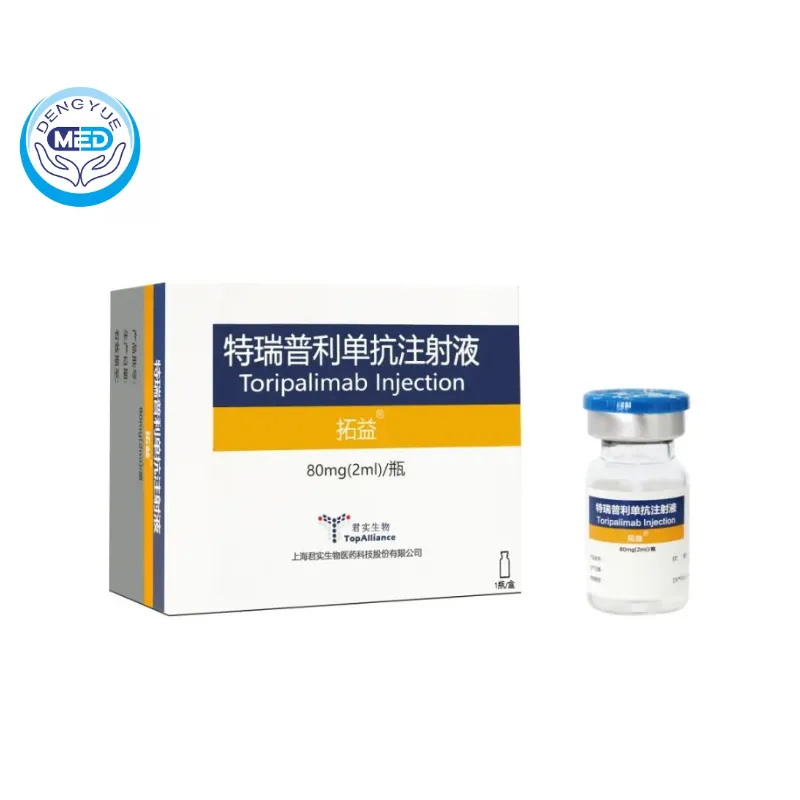
Tuoyi (Toripalimab) – Nasopharyngeal Carcinoma | HongKong DengYue Medicine
-
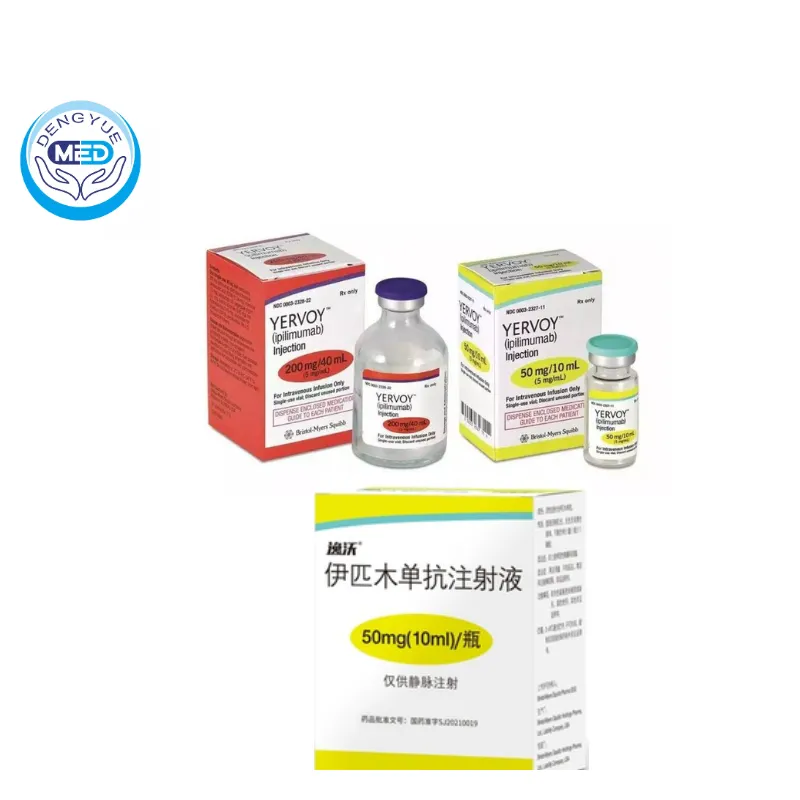
YERVOY (Ipilimumab) – Advanced Malignancies | HongKong DengYue Medicine
-
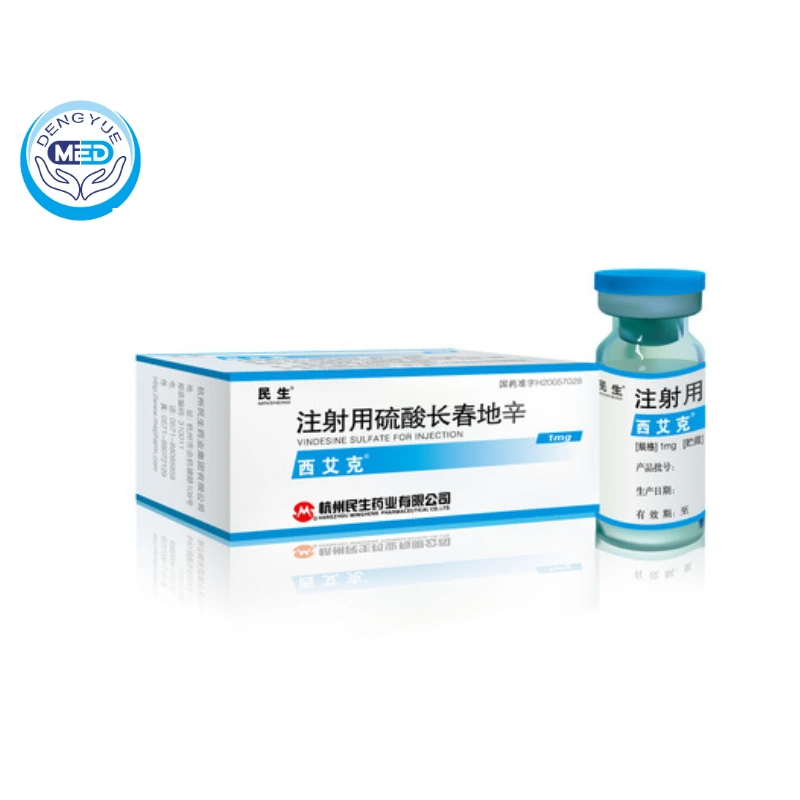
Vindesine Sulfate For Injection | Melanoma | HK DengYue
-
Mekinist (Trametinib) – Melanoma | DengYue Medicine
Reviews
There are no reviews yet.