
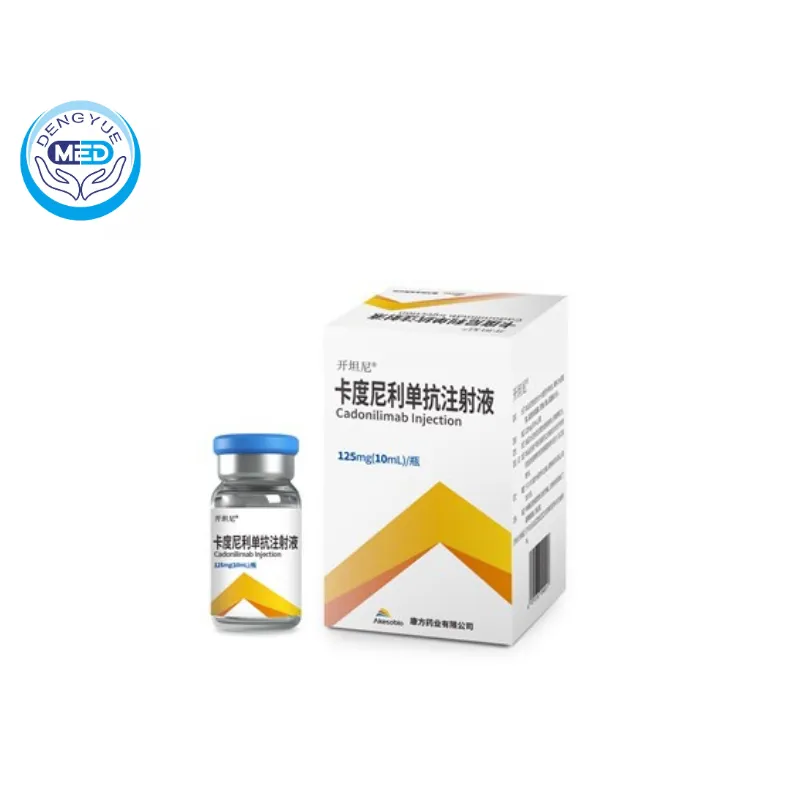
Kaitanni (Cadonilimab Injection) – Oncologic immunotherapy | HongKong DengYue Medicine
- Generic Name/Brand Name: Cadonilimab/Kaitanni
- Indications: Non-small cell lung cancer (NSCLC), hepatocellular carcinoma (HCC), esophageal squamous cell carcinoma (ESCC), pancreatic cancer
- Dosage Form: Injection (sterile concentrate for intravenous infusion)
- Specification: 125 mg/10 mL × 1 vial
Cadonilimab Injection Application Scope
It is a recombinant humanized bispecific monoclonal antibody that simultaneously targets and blocks two immune checkpoint pathways: PD-1 (Programmed Cell Death Protein 1) and CTLA-4 (Cytotoxic T-Lymphocyte-Associated Protein 4).
Cadonilimab Injection Characteristics
-
Ingredients: Cadonilimab
-
Properties: Clear, colorless to light yellow liquid
-
Packaging Specification: 125 mg/10 mL/vial
-
Storage: Store refrigerated at 2–8°C (36–46°F). Keep in original carton to protect from light. Do not freeze
-
Expiry Date: 24 months from manufacturing date
-
Executive Standard: National Drug Standard
-
Approval Number: National Drug Approval Number S20220018
-
Date of Revision: 9.July.2025 (Please refer to the latest version of the package insert for the most current information)
-
Manufacturer: Zhongshan Kangfang Biopharmaceutical Co., Ltd
Guidelines for the Use of Cadonilimab Injection
-
Dosage and Administration:
-
Recommended Dose:
-
For Cervical Cancer: The recommended dosage is 6 mg/kg body weight, administered via intravenous infusion every 2 weeks (Q2W) until disease progression or unacceptable toxicity occurs.
-
For Gastric or GEJ Adenocarcinoma: Please consult the latest official prescribing information for the specific recommended dosage regimen for this indication, as it may involve combination therapy.
-
-
Administration: Administer as an intravenous infusion over approximately 60 minutes (±10 minutes). Do not administer as an intravenous push or bolus. Use a sterile, pyrogen-free, low-protein-binding in-line filter (pore size 0.22 or 0.2 μm) during infusion. Do not co-administer other drugs through the same infusion line.
-
Missed Dose: If a dose is missed, administer it as soon as possible. Subsequently, adjust the dosing schedule to maintain the regular interval. Consult the treating physician for specific guidance.
-
-
Adverse Reactions:
-
Common Adverse Reactions:
-
Fatigue: Reported in clinical trials
-
Rash: Skin reactions observed
-
Diarrhea: Gastrointestinal disturbances
-
Pruritus: Itching
-
-
Serious Adverse Reactions:
-
Infusion-Related Reactions (IRRs): Symptoms include fever, chills, rash, and hypotension
-
Immune-Related Adverse Events (irAEs): Such as pneumonitis, hepatitis, colitis, and endocrinopathies
-
-
-
Contraindications:
-
Hypersensitivity: Known allergy to cadonilimab or any component of the formulation
-
Active Infections: Uncontrolled infections
-
Autoimmune Disorders: Patients with active autoimmune diseases
-
-
Precautions:
-
Monitoring: Regular monitoring for adverse reactions during treatment
-
Pre-medication: Consideration for pre-medication to reduce the risk of infusion-related reactions
-
Discontinuation: Discontinue if severe adverse reactions occur
-
Cadonilimab Injection Interactions
-
Concomitant Use: Use with other immunosuppressive agents may increase the risk of adverse reactions
-
Vaccinations: Avoid live vaccines during treatmen
Note:
- If there is a new packaging for the drug, the new packaging shall prevail. The above information is sourced from DengYue Medicine.
- This content is for reference only. Prescription drugs must be used under a doctor’s guidance and purchased from authorized sources.
Related products
-

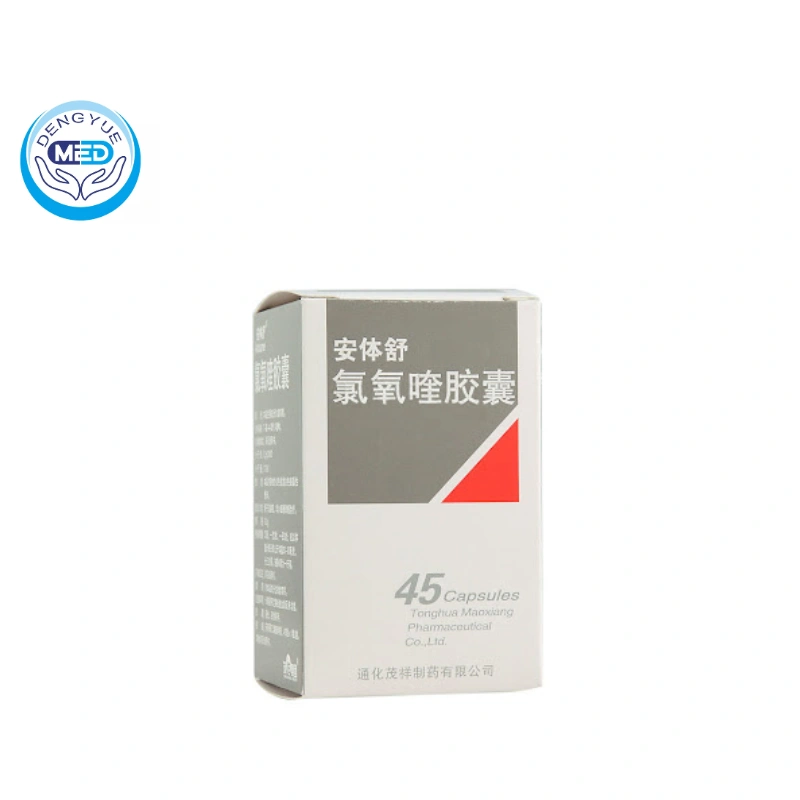
Chloroxoquinoline Capsules | Lung Cancer
-
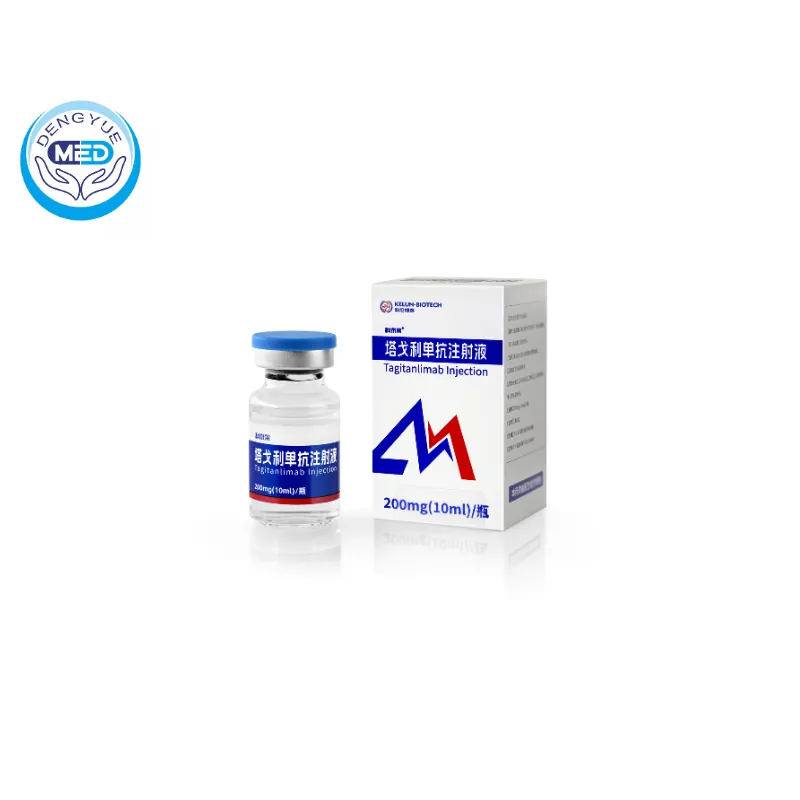
Cotelet (Tagitanlimab) | Nasopharyngeal Carcinoma | DengYue
-
Nirogacestat|Fibroid Tumor|HongKong DengYue Medicine
-
Crysvita Burosumab | X-linked Hypophosphatemia | DengYueMedicine
-
Transfer Factor Injection | Other Tumors | HK DengYueMed
-

Bimekizumab|Osteoarthritis|HongKong DengYue Medicine
-
Vindesine Sulfate For Injection | Melanoma | HK DengYue
-
Meisoindigo Tablets | Chronic Myelogenous Leukemia


Reviews
There are no reviews yet.