
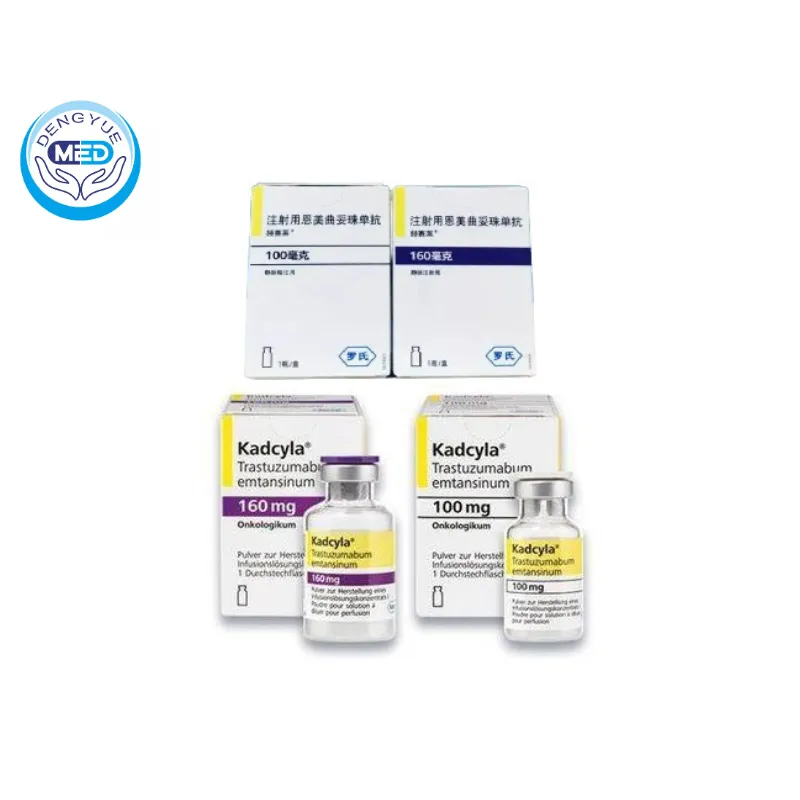
Kadcyla (Trastuzumab Emtansine) | Metastatic Breast Cancer | DengYue
- Generic Name/Brand Name: Trastuzumab Emtansine/Kadcyla
- Indications: Metastatic breast cancer
- Dosage Form: Lyophilized powder in single-dose vials
- Specification: 100 mg or 160 mg x 1 vial
Trastuzumab Emtansine Application Scope
-
HER2-positive metastatic breast cancer in patients previously treated with trastuzumab and a taxane
-
Early-stage HER2-positive breast cancer with residual invasive disease after neoadjuvant trastuzumab/taxane therapy (adjuvant use)
Trastuzumab Emtansine Characteristics
-
Ingredients:
- Active: Ado-trastuzumab emtansine — an antibody–drug conjugate combining trastuzumab (HER2-targeting monoclonal antibody) with cytotoxic agent DM1 via a thioether linker
-
Properties: Targets HER2‑expressing tumor cells; internalization releases DM1 to inhibit microtubule assembly while trastuzumab retains its HER2 signaling inhibition and ADCC action
-
Packaging Specification: Lyophilized powder in single-dose vials. 100 mg or 160 mg per vial
-
Storage: Store unopened vials at 2–8 °C; do not freeze. After reconstitution or dilution, store at 2–8 °C for up to 4 hours (vial) and up to 24 hours in infusion bag
-
Expiry Date: Typically 24 months from manufacture; exact month/year on carton/vial
-
Executive Standard:
-
U.S. FDA-approved biologic: BLA 125427
-
Approved in EU, China, and other regions; full prescribing info follows regulatory standards
-
-
Approval Number: FDA: BLA 125427; initial approval February 22, 2013 for metastatic use, expanded May 3, 2019 for adjuvant early-stage use
-
Date of Revision:
-
Metastatic approval: Feb 22, 2013
-
Adjuvant approval: May 3, 2019
-
-
Manufacturer: Genentech, a member of the Roche Group; produced with Lonza manufacturing
Guidelines for the Use of Trastuzumab Emtansine
-
Dosage and Administration:
-
Dose: 3.6 mg/kg IV infusion every 21 days
-
Preparation: Reconstitute vial (20 mg/mL), dilute in 250 mL saline (no dextrose); infuse via 0.2/0.22 µm filter over recommended time
-
Cycles: Up to 14 cycles for adjuvant therapy, or until disease progression/unacceptable toxicity in metastatic setting
-
-
Adverse Reactions:
-
Common (≥25%): fatigue, nausea, increased transaminases, musculoskeletal pain, hemorrhage, thrombocytopenia, headache, peripheral neuropathy, arthralgia
-
Serious: hepatotoxicity (including fatal), left ventricular dysfunction, interstitial lung disease/pneumonitis, severe thrombocytopenia, pulmonary toxicity
-
-
Contraindications: None specified in U.S. label — no known absolute contraindications other than hypersensitivity to components
-
Precautions:
-
Hepatotoxicity: Monitor liver enzymes and bilirubin each cycle; discontinue if ALT >3×ULN with bilirubin >2×ULN
-
Cardiac: Monitor LVEF prior to and during treatment; withhold or discontinue based on LVEF criteria (<45% or ≥10% drop)
-
Pulmonary: Discontinue permanently if interstitial lung disease or severe pneumonitis occurs
-
Neuropathy: Withhold for grade ≥3 and resume at next-lower dose upon recovery
-
Interactions
- Drug Interactions:
-
Minimal CYP interactions; metabolism via CYP3A4/3A5 but no major dosing changes recommended
-
Use caution with other hepatotoxic or cardiotoxic agents; monitor overlapping toxicity
Note:
- If there is a new packaging for the drug, the new packaging shall prevail. The above information is sourced from DengYue Medicine.
- It is only for internal discussion among medical staff and does not serve as a basis for medication. For specific medication guidelines, please consult the attending physician.
Related products
-

Datopotamab Deruxtecan-dlnk | Breast Cancer | HongKong DengYue Medicine
-
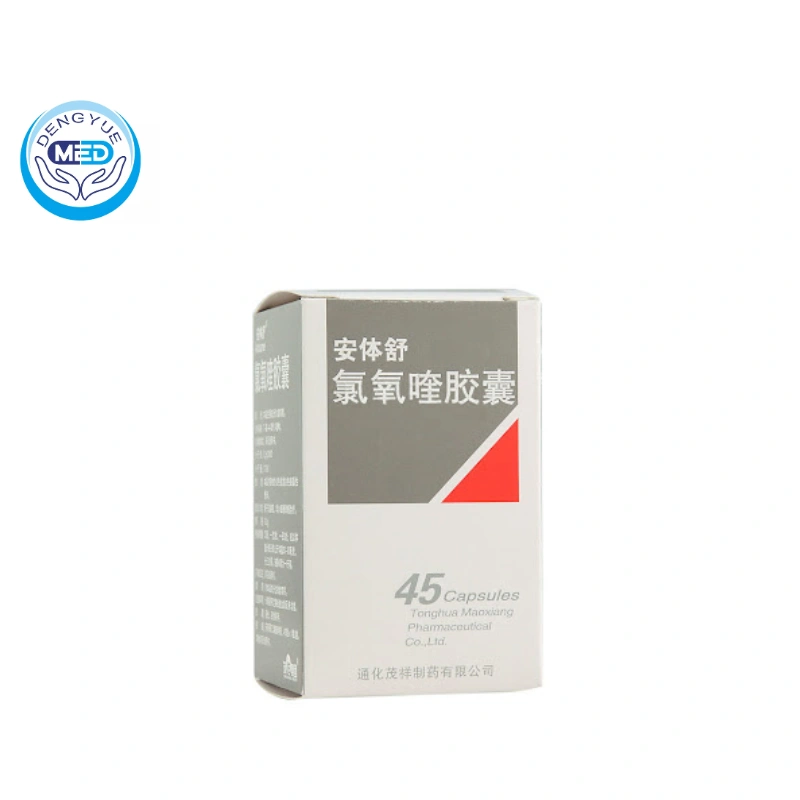
Chloroxoquinoline Capsules | Lung Cancer
-
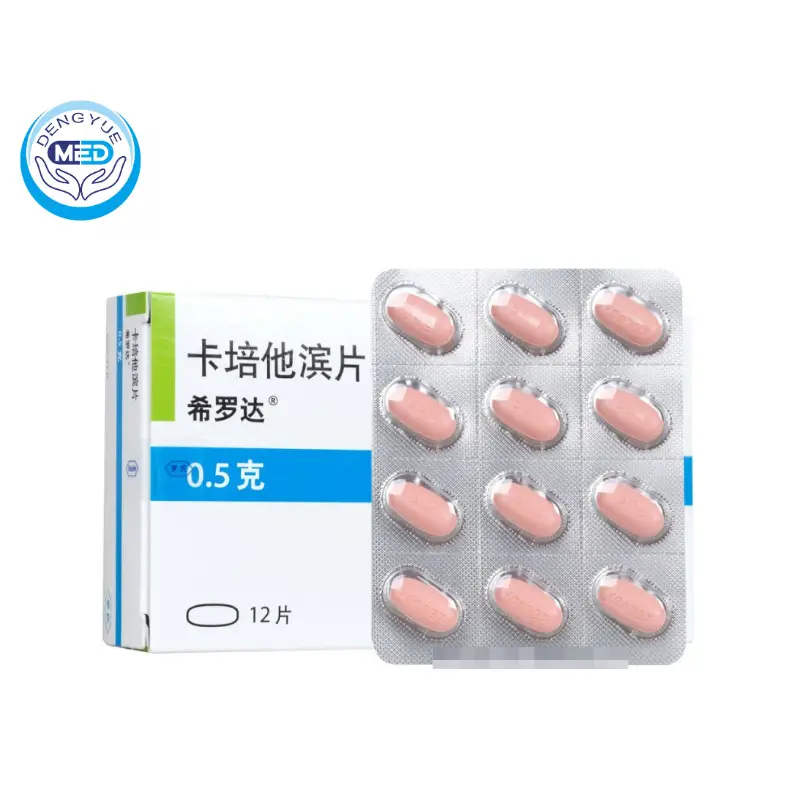
Capecitabine Tablets|Metastatic Breast Cancer
-
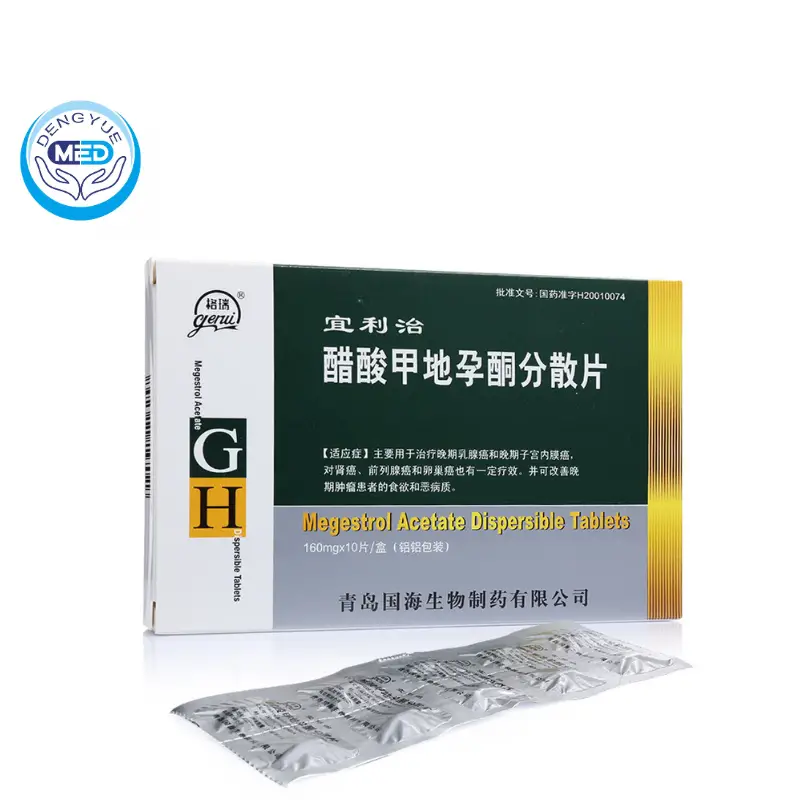
Megestrol Acetate Dispersible Tablets|Breast Cancer
-
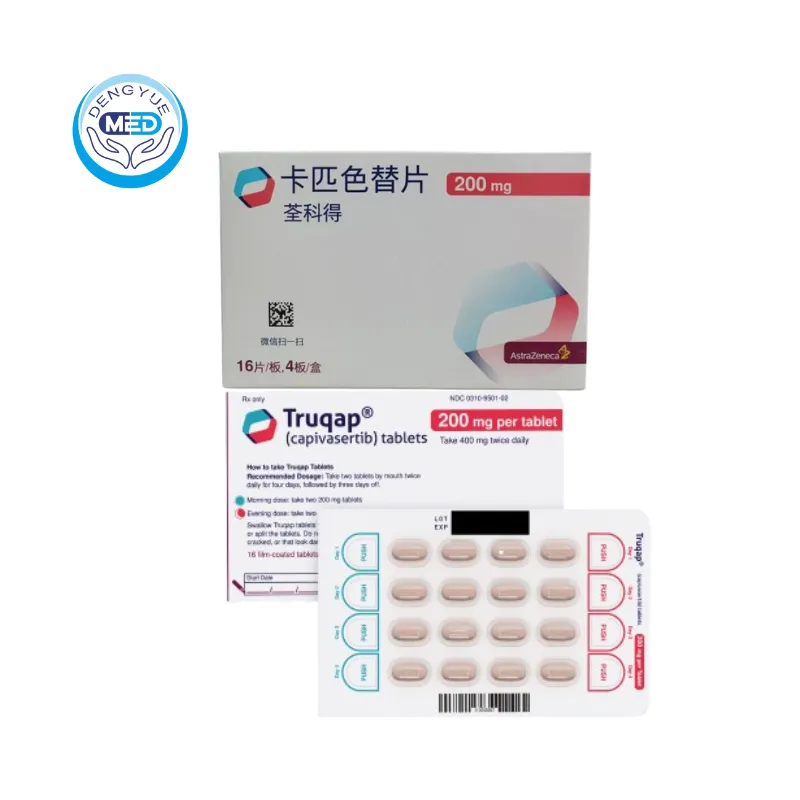
Truqap (Capivasertib) – Breast Cancer | HongKong DengYue Medicine
-
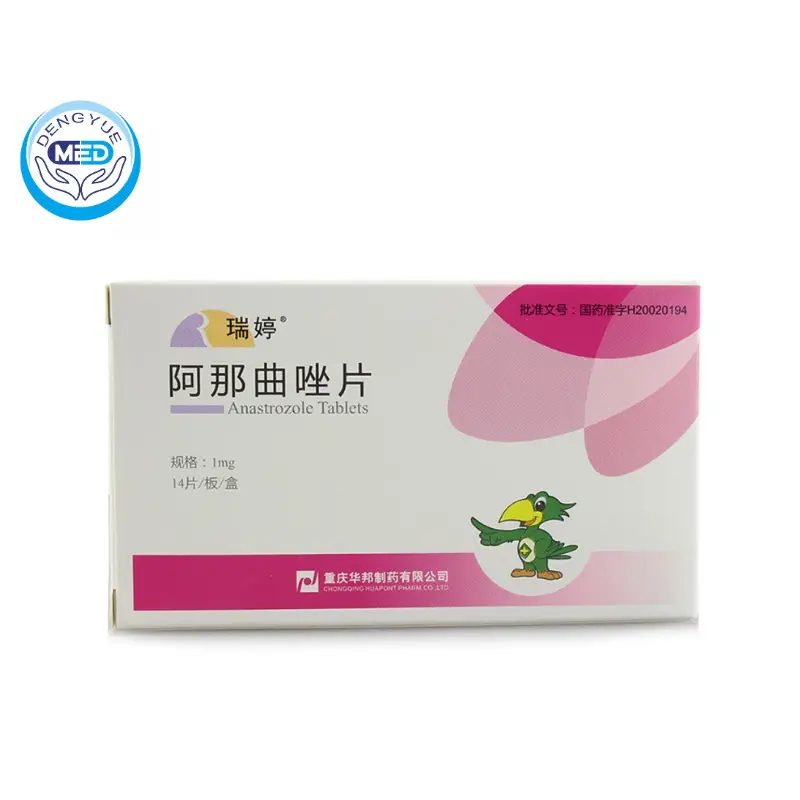
Anastrozole Tablets | Early Breast Cancer | HK DengYueMed
-
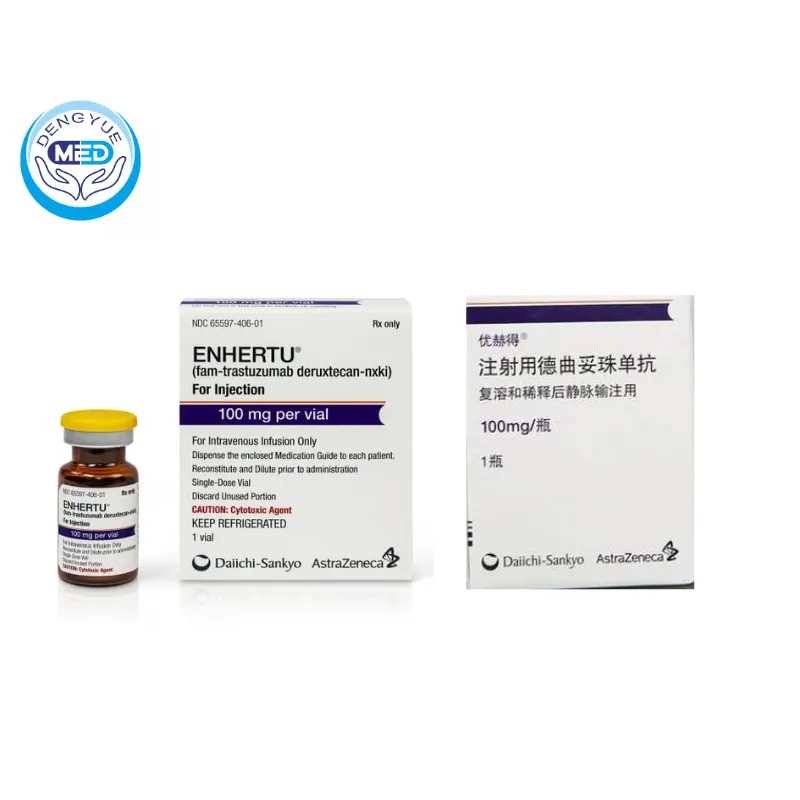
ENHERTU (Trastuzumab Deruxtecan) – HER2-driven cancers | HongKong DengYue Medicine
-
Herceptin (Trastuzumab) – Breast Cancer | HongKong DengYue Medicine

Reviews
There are no reviews yet.