
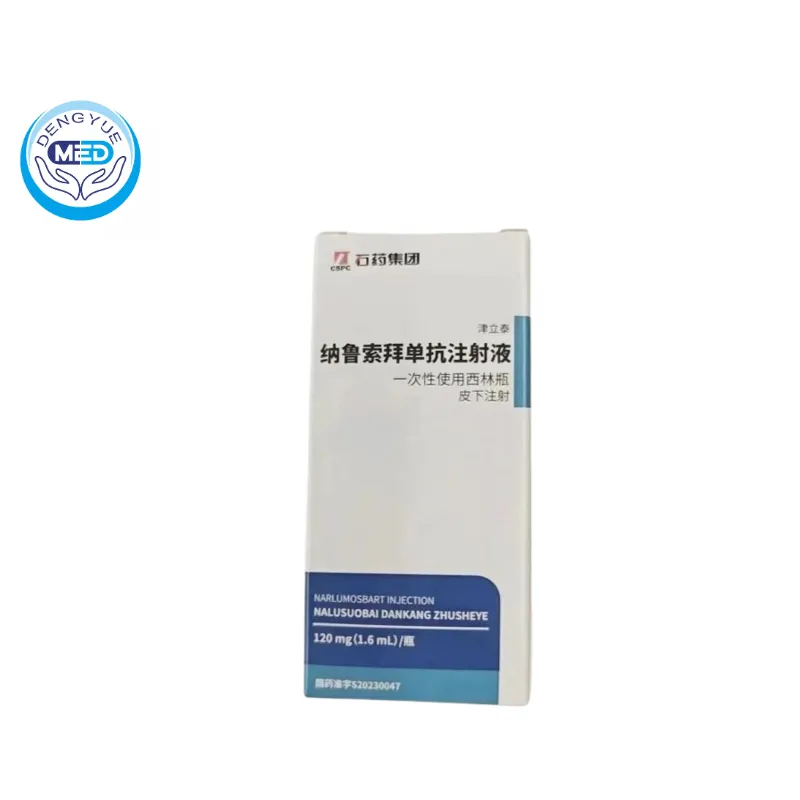
Junlitai (Narlumosbart) – GCTB | HongKong DengYue Medicine
- Generic Name/Brand Name: Narlumosbart/Junlitai
- Indications: Giant cell tumor of bone (GCTB)
- Dosage Form: Injection
- Specification: 120 mg (1.6 ml) × 1 vial
Narlumosbart Application Scope
-
Therapeutic Area: Oncology, Musculoskeletal Disorders.
-
Approved Indication: Treatment of adults and skeletally mature adolescents with giant cell tumor of bone (GCTB) that is unresectable or where surgery is likely to result in severe functional impairment.
Narlumosbart Characteristics
-
Ingredients: Narlumosbart
-
Properties: A clear, colorless to pale yellow liquid
-
Packaging Specification: 120 mg (1.6 ml)/vial
-
Storage: Store at 2°C to 8°C
-
Expiry Date: Must be taken from the actual carton or prescribing information accompanying your specific vial
-
Executive Standard: Must be taken from the actual carton or prescribing information accompanying your specific vial
-
Approval Number: 国药准字 S20230047
-
Date of Revision: This is product-specific and should be checked on the latest package insert
-
Manufacturer: CSPC Pharmaceutical Group Limited
Guidelines for the Use of Narlumosbart
-
Dosage and Administration:
-
Recommended Dose:
-
Loading Dose (Cycles 1-4): 120 mg administered as three separate 40 mg injections at different sites on Days 1, 8, and 15 of a 4-week cycle.
-
Maintenance Dose (Starting from Cycle 5): 120 mg administered as a single injection once every 4 weeks.
-
-
Administration:
-
Route: For subcutaneous injection only.
-
Injection Sites: Abdomen, thigh, or upper arm. Rotate injection sites.
-
-
Missed Dose: If a dose is missed, administer the subcutaneous injection as soon as possible. Thereafter, the dosing schedule should be adjusted to maintain the every-4-week interval. Consult the prescribing physician for specific guidance.
-
-
Adverse Reactions:
-
Common Adverse Reactions:
-
In clinical trials (e.g., treatment of bone metastases), common treatment‑related events included hypophosphatemia (≈ 30.5%), hypocalcemia (~ 23.7%), and hypermagnesemia (~ 10.2%), among others.
-
In bone‑metastasis study, no treatment‑related serious adverse events were reported.
-
In a 2024–2025 phase II study in postmenopausal osteoporosis, JMT103 was generally well tolerated; treatment‑related adverse events were similar across groups; no drug-related severe adverse events reported.
-
In the real‑world / clinical‑trial data for GCTB, reported adverse reactions included reversible low calcium / low phosphate; incidence of grade ≥ 3 adverse reactions was low (2.2%), and no cases of osteonecrosis of jaw (ONJ) occurred in the reported cohort.
-
-
Serious Adverse Reactions: Given mechanism: risk of hypocalcemia/hypophosphatemia; as with other anti‑RANKL therapies, potential risk of bone turnover suppression, impaired bone remodeling, possibly jaw osteonecrosis with dental procedures—though publicly disclosed data remain limited.
-
-
Contraindications:
-
Precautions:
-
Dental or jaw conditions: active osteomyelitis, non‑healed dental/oral surgery, planned invasive dental procedures during therapy—these may exclude patients from therapy.
-
Use only via subcutaneous injection; other routes contraindicated.
-
Monitoring of calcium/vitamin D status, bone metabolism markers, and dental health recommended. Because long-term safety data remain limited, careful follow-up is warranted.
-
Narlumosbart Interactions
-
As a monoclonal antibody, Narlumosbart is not metabolized via cytochrome P450 or typical small-molecule pathways, so classic drug–drug interactions via CYP enzymes are not expected.
-
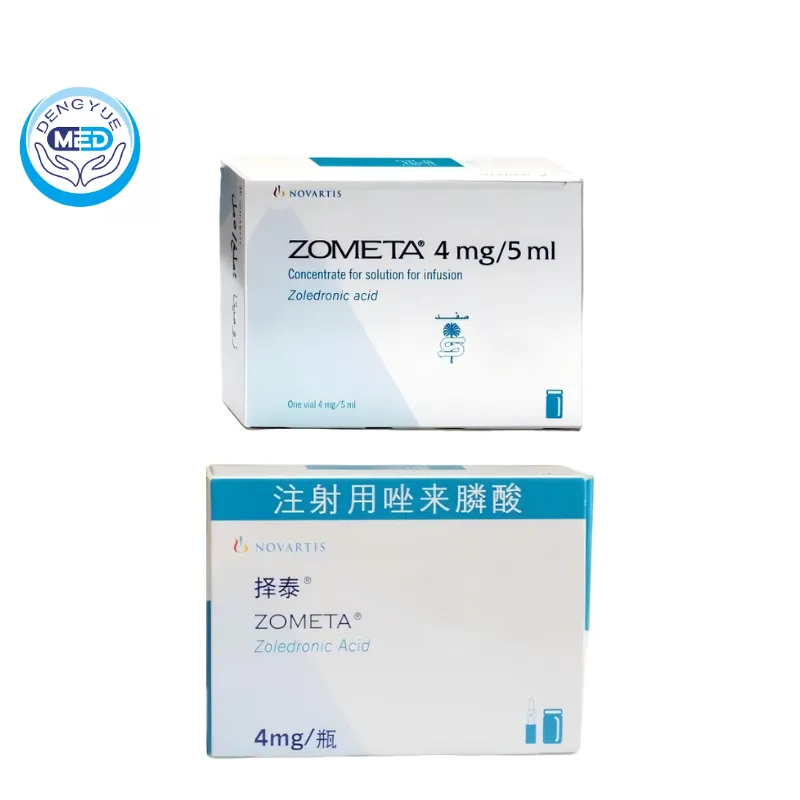
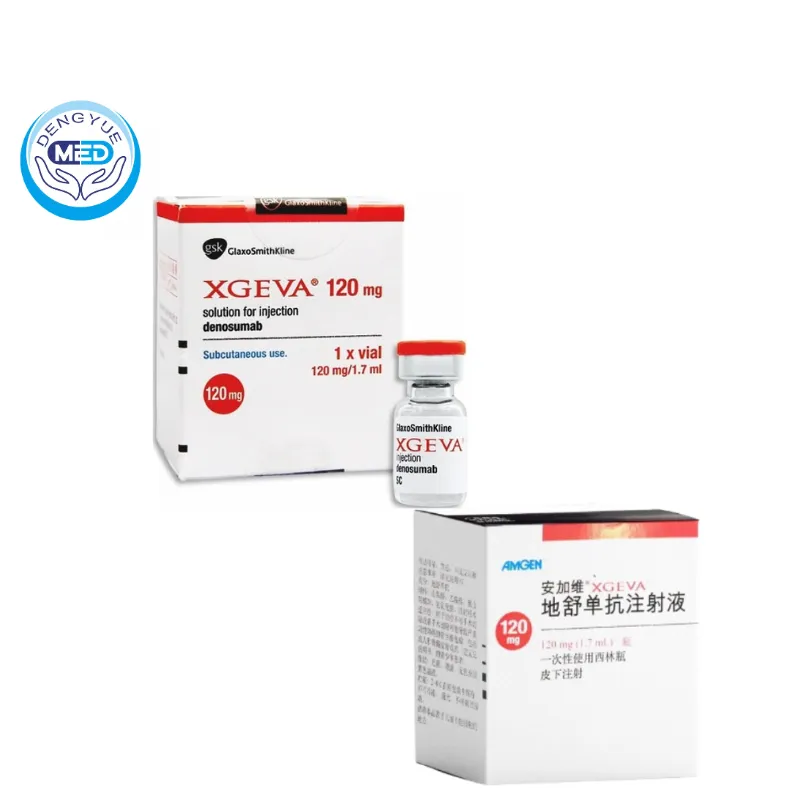
However: combining with bisphosphonates is not recommended (per prescribing info)
Note:
- If there is a new packaging for the drug, the new packaging shall prevail. The above information is sourced from DengYue Medicine.
- This content is for reference only. Prescription drugs must be used under a doctor’s guidance and purchased from authorized sources.
Reviews
There are no reviews yet.