
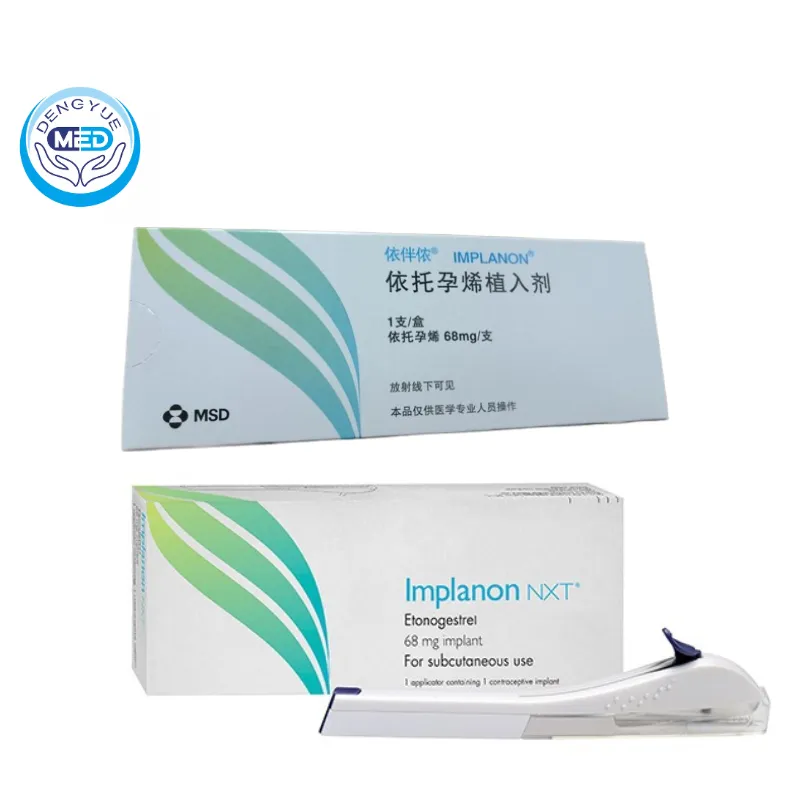
IMPLANON (Etonogestrel Implant) – Contraception | HongKong DengYue Medicine
- Generic Name/Brand Name: Etonogestrel / Implanon®
- Indications: Long-acting reversible contraception for up to 3 years in women of childbearing age
- Dosage Form: Subdermal implant
- Specification: 68 mg etonogestrel x 1 implant
IMPLANON Application Scope
IMPLANON® (etonogestrel implant) is a long-acting, reversible progestin-only contraceptive implanted subdermally for up to 3 years to prevent pregnancy.
It is not suitable for women with estrogen-sensitive conditions and does not protect against HIV or other STIs.
IMPLANON Characteristics
-
Ingredients: Etonogestrel (68 mg) contained in a single rod of non-biodegradable ethylene-vinyl acetate (EVA) copolymer.
-
Properties: Flexible, off-white rod (4 cm × 2 mm) releasing ~60–70 µg/day in week 5–6, decreasing to ~25–30 µg/day by year 3.
-
Packaging Specification: Preloaded in a sterile disposable applicator; individual units blister-packed.
-
Storage: Store at controlled room temperature (15–30 °C), ideally at 25 °C. Keep in original blister and protect from light.
-
Expiry Date: Refer to labeling; typically up to 3–5 years when stored properly.
-
Executive Standard: Compliance with global pharmacopeial and regulatory standards for contraceptive implants. (Not explicitly cited; implied by regulatory approvals.)
-
Approval Number: Products approved in multiple countries since 1998; regulatory details vary by region.
-
Date of Revision: Specific revision dates not listed; refer to current label for updates.
-
Manufacturer: Originally developed by N.V. Organon (Merck subsidiary); marketed as Implanon, later replaced by radiopaque Nexplanon.
Guidelines for the Use of IMPLANON
Dosage and Administration: Designed for subdermal insertion of one implant in the inner side of the upper non-dominant arm. Remains effective up to 3 years; removal at or before year three is necessary to maintain contraceptive efficacy.
Administration: Placed using preloaded sterile applicator; insertion by trained healthcare provider; ensure implant is palpable and correctly placed.
Missed Dose: Not applicable—implant continuously releases hormone without user input.
-
Adverse Reactions:
-
Common Adverse Reactions (≥5% and >3% higher than placebo):
-
Injection site reactions (19%)
-
Decreased platelet count (12%)
-
Arthralgia (9%)
-
-
Serious Adverse Reactions:
Hypersensitivity reactions, including bronchospasm, diffuse erythema, facial swelling, urticaria, chills, and myalgias.
Contraindications: Known or suspected breast cancer or other progestin-sensitive malignancies; hypersensitivity to components.
Precautions: Proper insertion required to prevent complications; follow-up for abnormal bleeding; removal issues addressed particularly in deep or migrated implants.
-
IMPLANON Interactions
Systemic drug interactions minimal due to local release; enzyme induction (e.g., CYP3A4 inducers) may reduce etonogestrel levels and contraceptive efficacy.
Note:
- If there is a new packaging for the drug, the new packaging shall prevail. The above information is sourced from DengYue Medicine.
- This content is for reference only. Prescription drugs must be used under a doctor’s guidance and purchased from authorized sources.
Related products
-

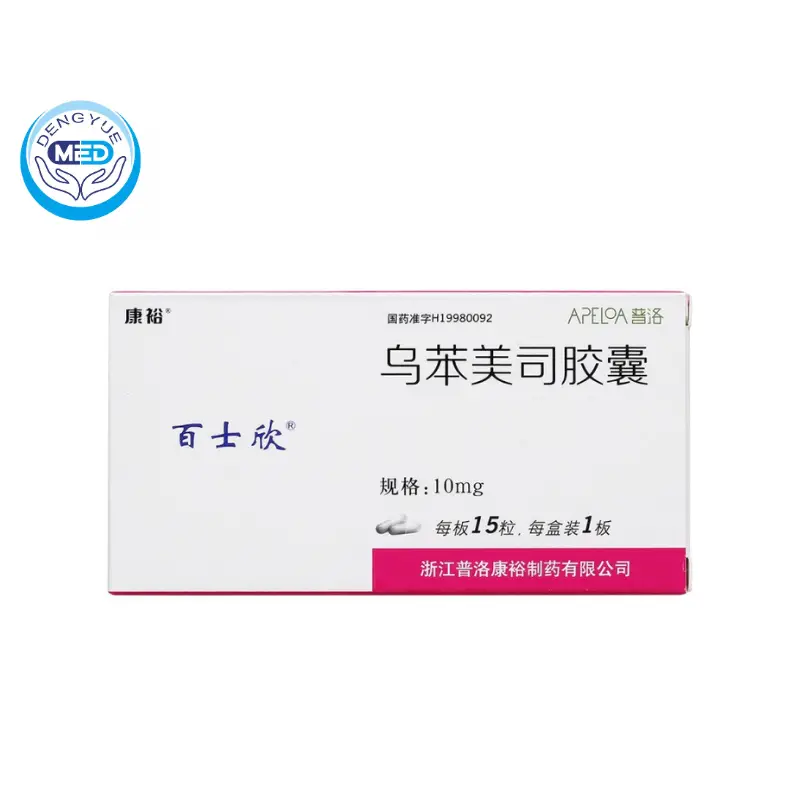
Ubenimex Capsules|Enhancement of immune function
-
Spesolimab Injection | Psoriatic Arthritis Treatment
-
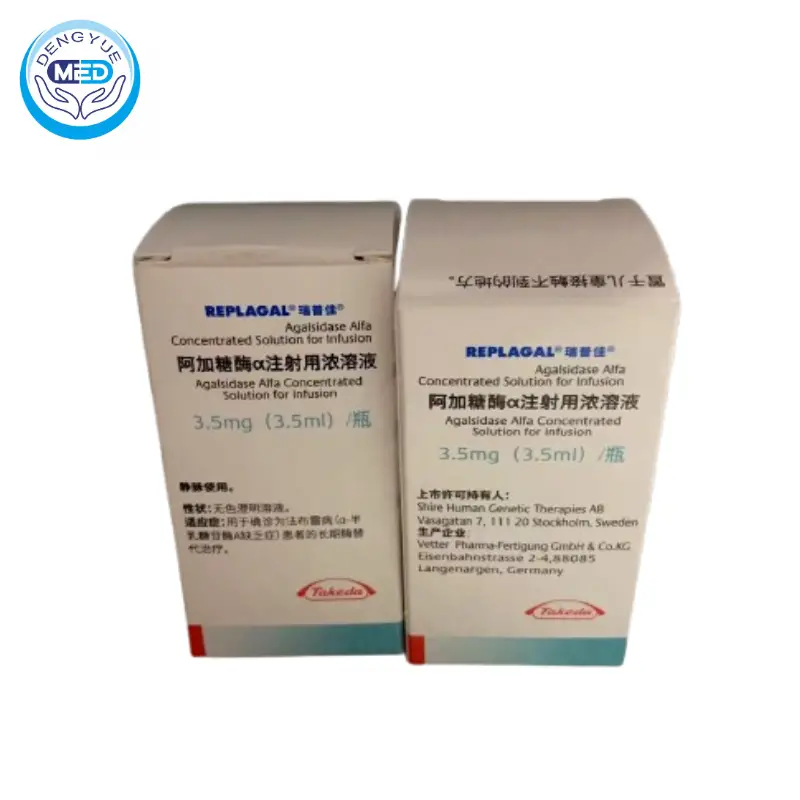
Agalsidase Alfa | Anti Fabry Disease
-
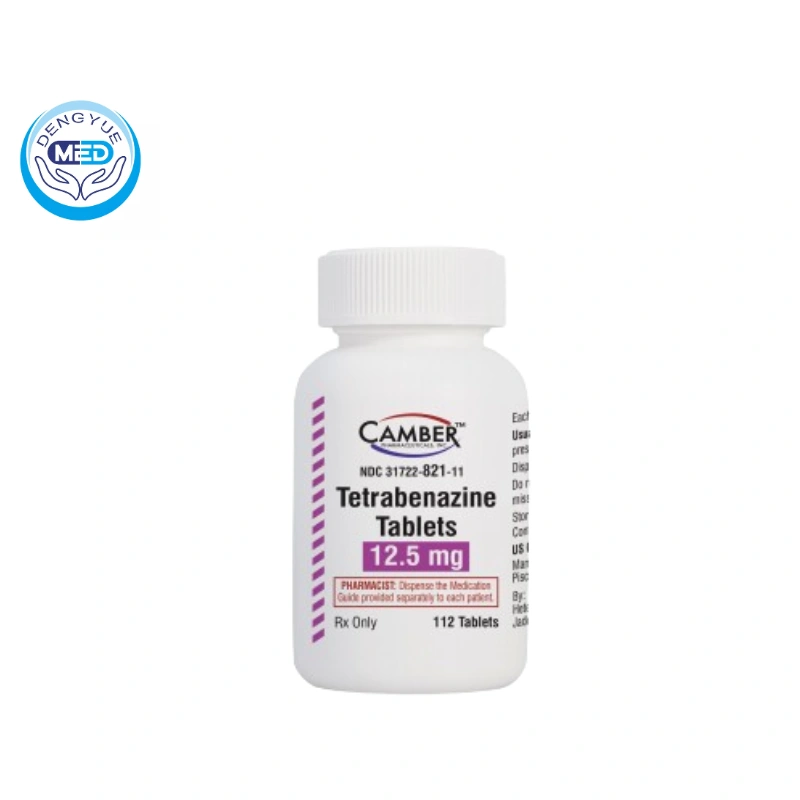
Tetrabenazine Tablets | Huntington’s Disease | DengYueMedicine
-
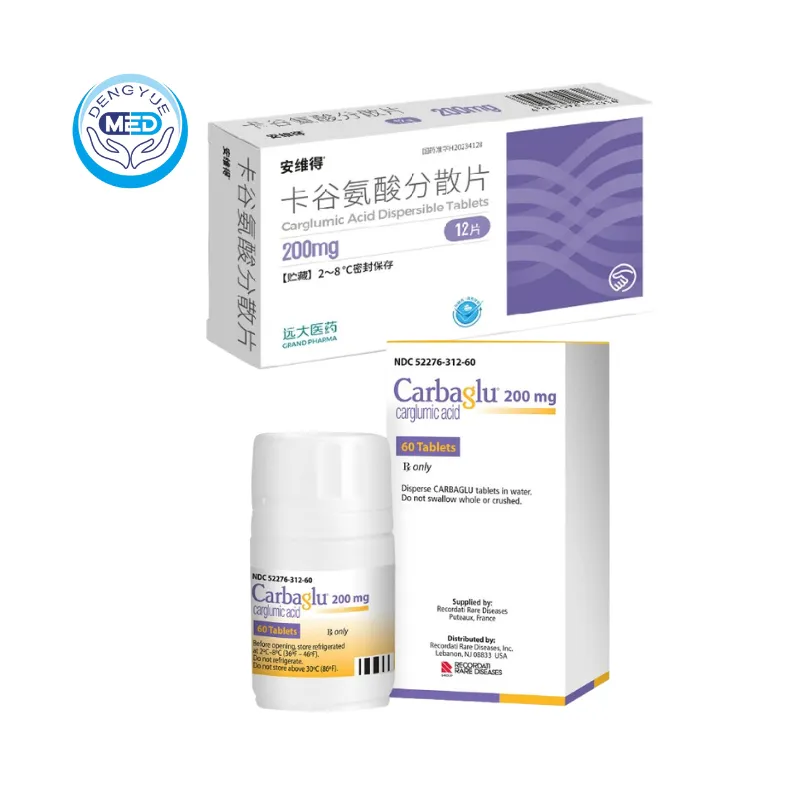
Carbaglu Carglumic Acid | Urea Cycle Disorders | HK DengYueMedicine
-
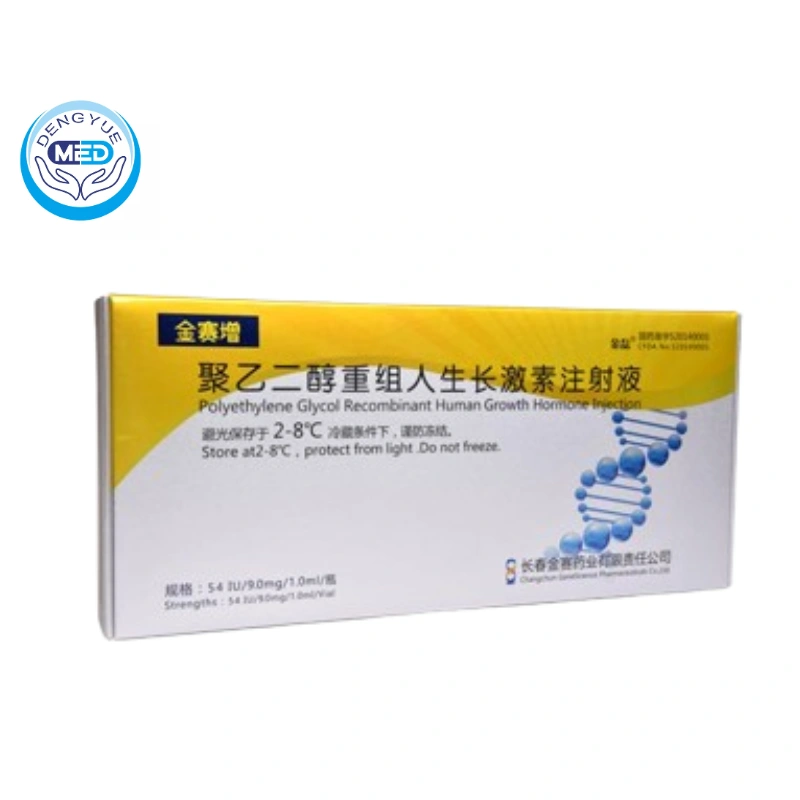
Recombinant Human Somatropin | Growth Hormone Deficiency | DengYueMedicine
-
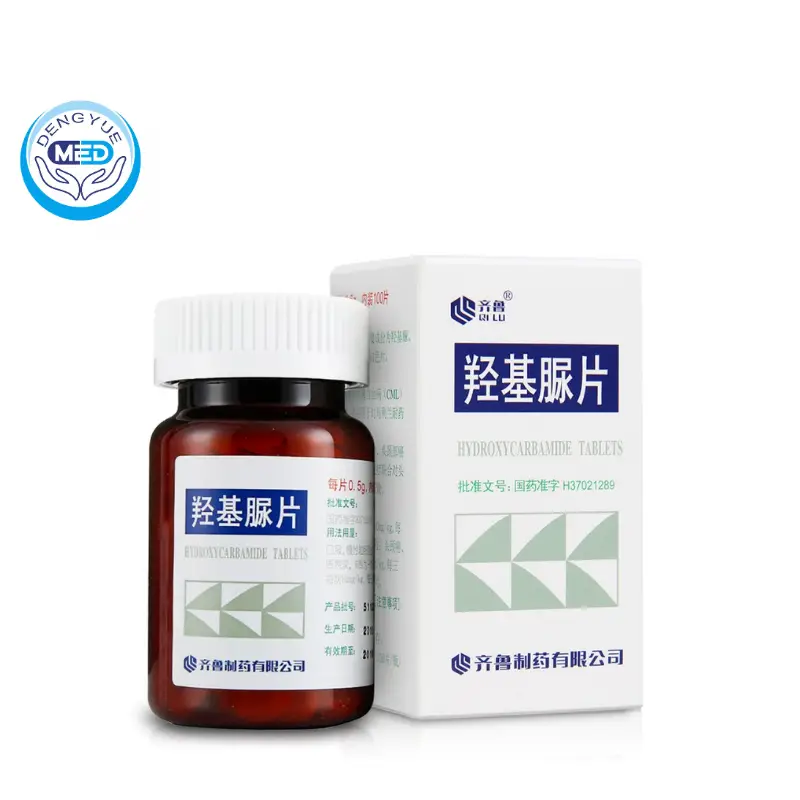
Hydroxycarbamide Tablets | Treatment of Leukemia
-
Sirolimus Gel | Facial Angiofibroma

Reviews
There are no reviews yet.