
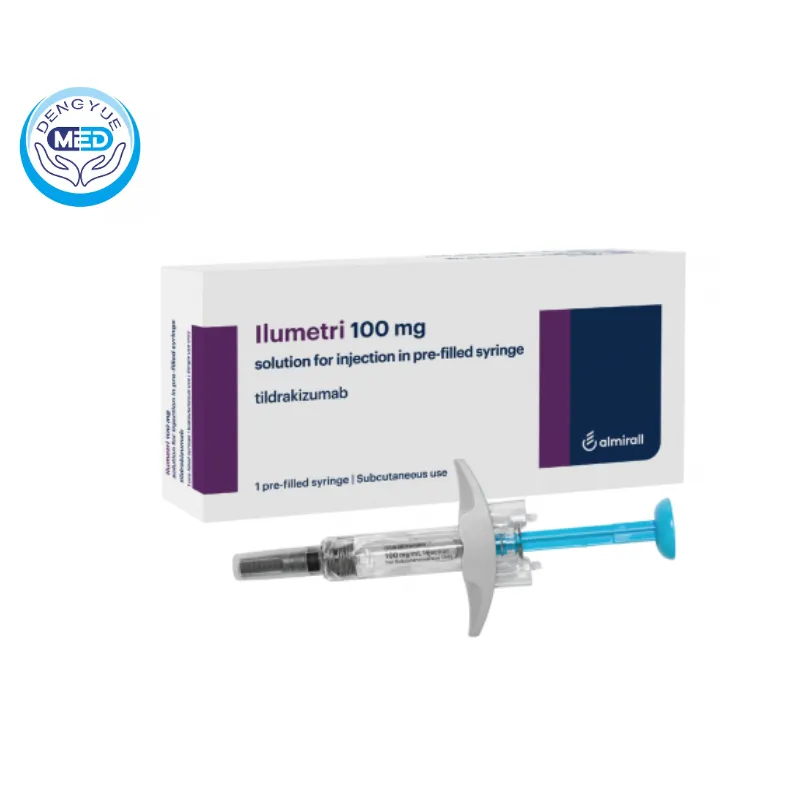
ILUMETRI (Tildrakizumab) – Tlaque Psoriasis | HongKong DengYue Medicine
- Generic Name/Brand Name: Tildrakizumab/ILUMETRI
- Indications: Tlaque Psoriasis
- Dosage Form: Solution for subcutaneous injection
- Specification: 100 mg / 1 mL * 1 vial
Tildrakizumab Application Scope
Tildrakizumab is indicated for the treatment of adult patients with moderate to severe plaque psoriasis who are candidates for systemic therapy or phototherapy.
Tildrakizumab Characteristics
-
Ingredients:
-
Active ingredient: Tildrakizumab (recombinant humanized monoclonal antibody).
-
Excipients: See local label for full excipient list (stabilizers, buffers, etc.).
-
-
Properties: A clear to slightly opalescent, colorless to pale-yellow sterile solution for injection; supplied in single-use prefilled syringe (1 mL).
-
Packaging Specification: 100 mg / 1 mL prefilled syringe (single-use). Typical pack: 1 syringe/box (verify local packaging).
-
Storage: Refrigerate 2 °C – 8 °C (36–46 °F). Do not freeze. Protect from light. Keep in original carton until use.
-
Expiry Date: See outer carton/vial for the exact expiry date. (China approval record lists product validities on packaging—example: certified shelf dates shown on registration record).
-
Executive Standard: Manufactured and released under applicable regulatory standards for therapeutic biological products (GMP/NMPA/EMA/FDA requirements as applicable).
-
Approval Number: NMPA registration / Approval number (China): SJ20230006 (registered/approved May 26, 2023).
-
Date of Revision: Refer to the revision date printed on the local package insert; Chinese approval date listed 2023-05-26.
-
Manufacturer: Manufacturing site listed on China registration: Vetter Pharma-Fertigung GmbH & Co. KG (Germany). Marketing/MAH: Sun Pharmaceutical Industries Limited (as recorded on Chinese registration).
Guidelines for the Use of Tildrakizumab
-
Dosage and Administration:
-
Recommended Dose:
-
100 mg subcutaneously at Week 0 and Week 4, then 100 mg every 12 weeks thereafter.
-
In some patients (e.g., high body weight or high disease burden), clinicians may consider a 200 mg option where locally approved — follow local label.
-
-
Administration: For subcutaneous injection only. Administer the full contents of the prefilled syringe. Should be given by a healthcare professional (local labelling may specify whether patient self-injection is allowed and provide training instructions). Follow aseptic technique and injection instructions in the leaflet.
-
Missed Dose: If a scheduled dose is missed, administer as soon as possible and then resume the regular dosing schedule (do not double dose). Refer to local prescribing information for detailed guidance.
-
-
Adverse Reactions:
-
Common Adverse Reactions: pper respiratory tract infections (e.g., nasopharyngitis), injection-site reactions (pain, erythema), headache, diarrhea, gastroenteritis, back pain.
-
Serious Adverse Reactions: Serious infections and hypersensitivity reactions (including angioedema and urticaria) have been reported; discontinue and treat if severe hypersensitivity occurs. Rare cases of reactivation of latent infections (e.g., TB) have been reported with biologic immunomodulators—rule out active infection before therapy.
-
-
Contraindications: Known hypersensitivity to tildrakizumab or any excipient in the formulation.
-
Precautions:
-
Evaluate for active infections prior to initiating therapy; use with caution in patients with chronic infections.
-
Avoid live vaccines during treatment and until immune recovery; complete age-appropriate immunizations prior to starting therapy where possible.
-
Monitor patients for signs of infection; counsel patients to seek medical attention for persistent fever or infection signs.
-
Consider special precautions in pregnancy, lactation, and immunocompromised patients (refer to local label).
-
Tildrakizumab Interactions
- No well-established drug-drug pharmacokinetic interactions reported. Biologic immunomodulators can reduce vaccine responses; avoid live vaccines during therapy. Use clinical judgement when co-prescribing other immunosuppressants (infection risk may be additive).
Note:
- If there is a new packaging for the drug, the new packaging shall prevail. The above information is sourced from DengYue Medicine.
- This content is for reference only. Prescription drugs must be used under a doctor’s guidance and purchased from authorized sources.
Related products
-

Nusinersen Injection – Spinal Muscular Atrophy
-
Proglycem Diazoxide | Hyperinsulinemic Hypoglycemia | DengYueMedicine
-

Marinolone Urea Ointment | Chapped Hands And Feet | HK DengYueMedicine
-
Nitisinone Capsules | Hereditary Tyrosinemia Type 1
-
Spesolimab Injection | Psoriatic Arthritis Treatment
-
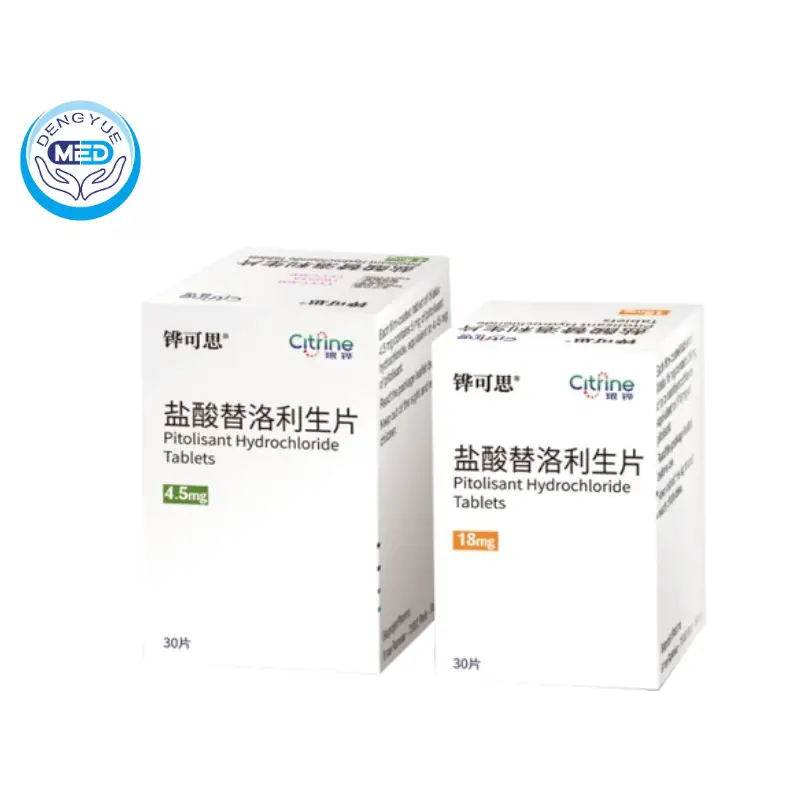
Pitolisant Hydrochloride Tablets
-
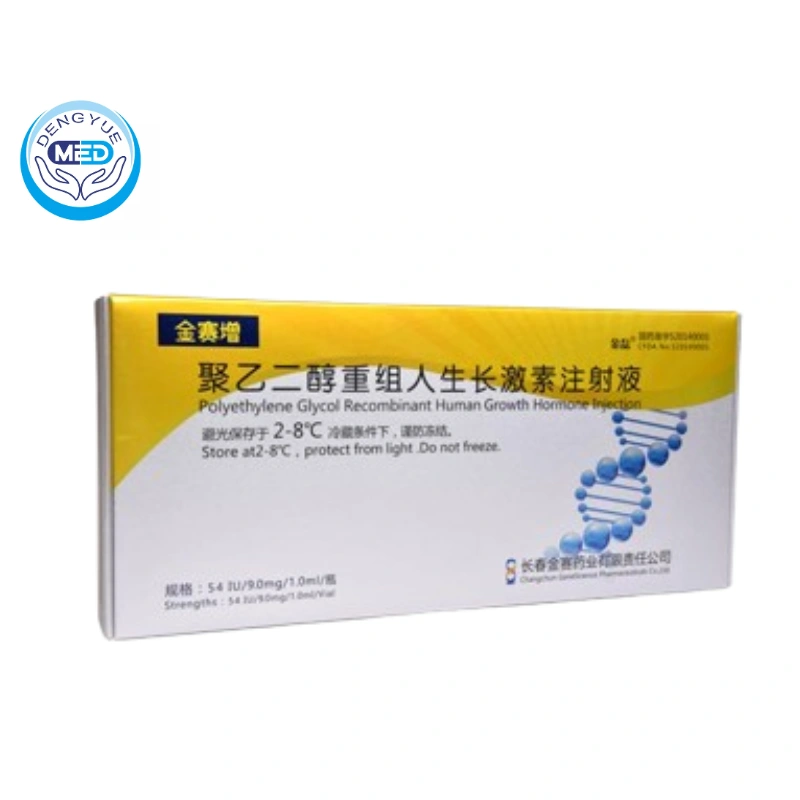
Recombinant Human Somatropin | Growth Hormone Deficiency | DengYueMedicine
-
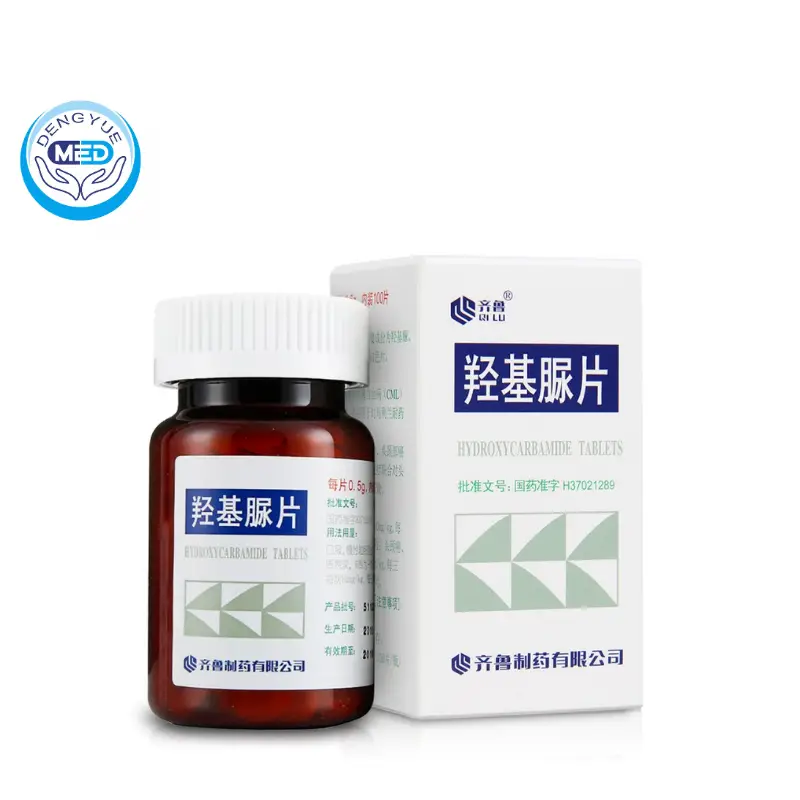
Hydroxycarbamide Tablets | Treatment of Leukemia


Reviews
There are no reviews yet.