
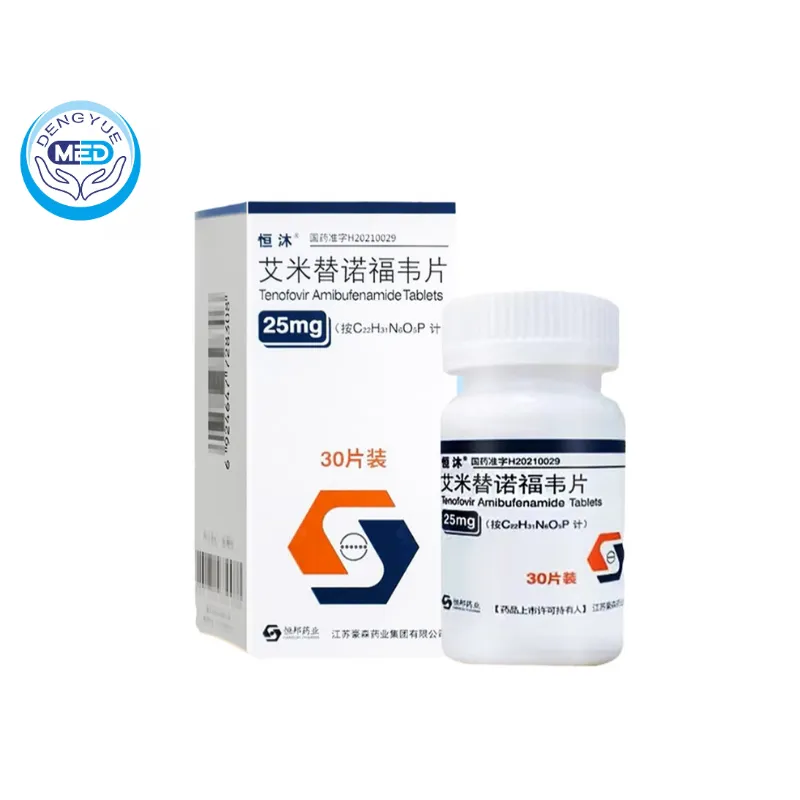
Hengmu (Tenofovir Amibufenamide) | CHB | HongKong DengYue
- Generic Name/Brand Name: Tenofovir amibufenamide/Hengmu
- Indications: Chronic hepatitis B infection
- Dosage Form: Oral tablet
- Specification: 25 mg x 30 tablets
Tenofovir Amibufenamide Application Scope
Treatment of adult patients with chronic hepatitis B infection.
Tenofovir Amibufenamide Characteristics
-
Ingredients:
- Active ingredient: Tenofovir amibufenamide (TMF), a novel phosphoramidated tenofovir prodrug
-
Properties:
-
Liver‑targeted prodrug with enhanced plasma stability
-
Requires <10% dose compared to tenofovir disoproxil fumarate (TDF) for similar efficacy
-
Superior bone and kidney safety, minimal lipid and metabolic impact
-
-
Packaging Specification: Typically supplied in blisters or bottles providing 25 mg per tablet
Pack size varies by manufacturer (see local labelling) -
Storage:
-
Store at room temperature (below 30 °C), keep in a dry place, away from direct light
-
-
Expiry Date: As per manufacturer’s label, generally 2–3 years from manufacture
-
Executive Standard: Meets Chinese Pharmacopoeia standards; approved under special/priority review
-
Approval Number: China: Approval granted June 24, 2021; marketed as Hengmu by Jiangsu Hengrui/Hansen Pharmaceutical
-
Date of Revision: First approved June 2021; 96‑week Phase III data published in mid‑2024
-
Manufacturer: Jiangsu Hansoh Pharmaceutical Group Co., Ltd.
Guidelines for the Use of Tenofovir Amibufenamide
-
Dosage and Administration:
-
Dosage: 25 mg orally once daily with food
-
Administration: Can be taken with or without food; food enhances pharmacokinetics
-
-
Adverse Reactions:
Based on TMF and TAF class profiles (including data from related drugs):
-
Common: headache, fatigue, nausea, abdominal pain, back pain, diarrhea, joint pain, cough
-
Metabolic: possible increases in LDL cholesterol; TMF shows minimal lipid impact compared to TAF
-
Rare but serious: lactic acidosis, hepatotoxicity, hepatic steatosis, kidney issues — standard for tenofovir class
-
-
Contraindications:
-
No formal contraindications listed; avoid in patients with hypersensitivity to tenofovir derivatives.
-
Standard class contraindication: risk of severe acute exacerbation if abruptly discontinued
-
-
Precautions:
-
Monitor renal function, bone mineral density, hepatic function, and lactate levels during treatment
-
Use caution in patients with pre-existing liver disease — potential for lactic acidosis
-
Tenofovir Amibufenamide Interactions
- Drug Interactions:
-
No severe drug interactions noted
-
Potential interactions (class effects):
-
P‑gp/CYP inhibitors (e.g., amiodarone, clarithromycin) may increase systemic TMF — monitoring recommended
-
Co-administration with nephrotoxic agents (aminoglycosides, NSAIDs) may increase renal risk
-
P‑gp inducers (e.g., rifampicin, rifapentine) reduce TMF levels — not recommended without dose adjustment
-
Note:
- If there is a new packaging for the drug, the new packaging shall prevail. The above information is sourced from DengYue Medicine.
- It is only for internal discussion among medical staff and does not serve as a basis for medication. For specific medication guidelines, please consult the attending physician.
Related products
-

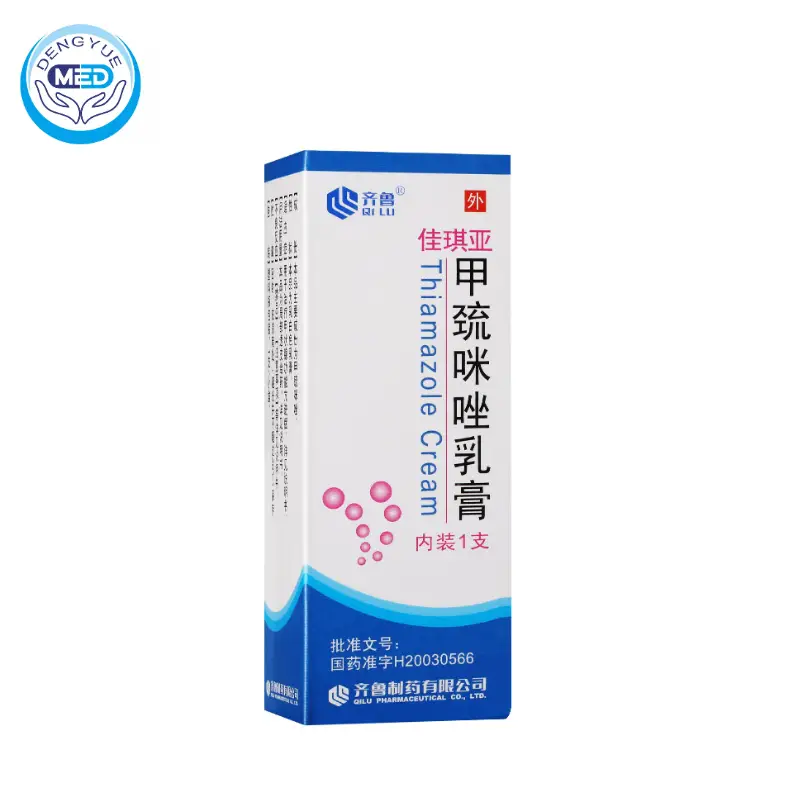
Thiamazole Cream | Anti Hyperthyroidism
-
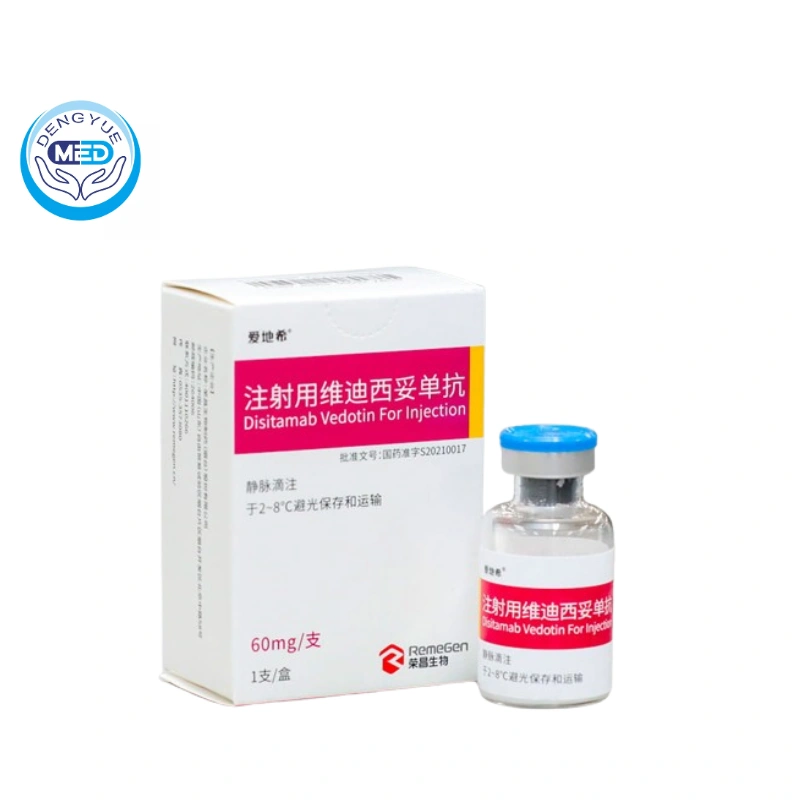
Aidixi Disitamab Vedotin Of Injection | HER2-Overexpressing | DengYueMedicine
-
Tetrabenazine Tablets | Huntington’s Disease | DengYueMedicine
-
Siltuximab For Injection | Castleman’s Disease
-

Syprine Trientine Hydrochloride Tablets | Wilson’s Disease | DengYueMedicine
-
Pitolisant Hydrochloride Tablets
-
Agalsidase Alfa | Anti Fabry Disease
-
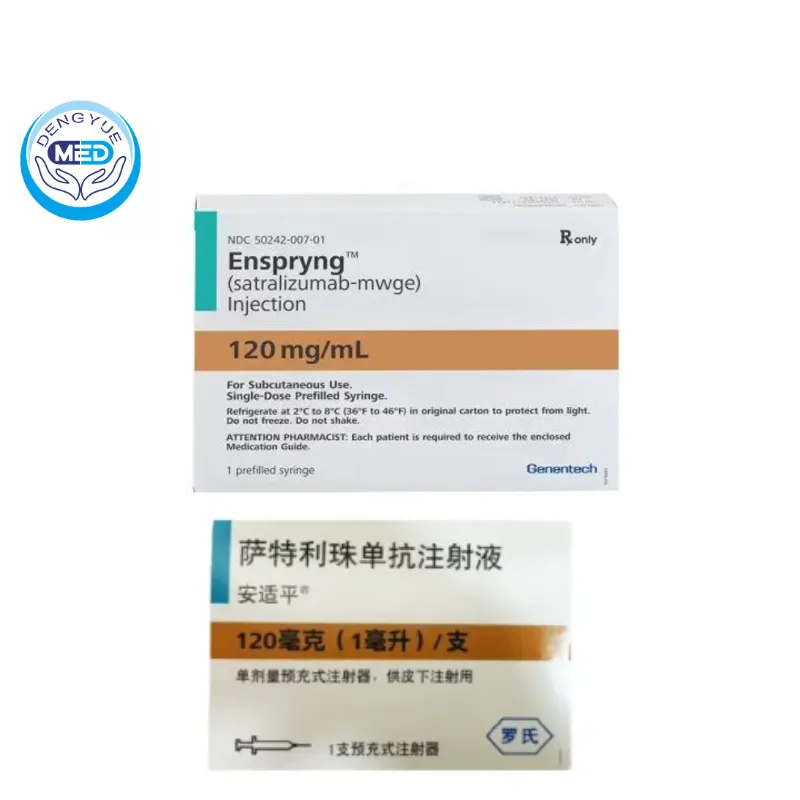
Enspryng Satralizumab | Optic Nerve Myelitis Spectrum Disorders

Reviews
There are no reviews yet.