
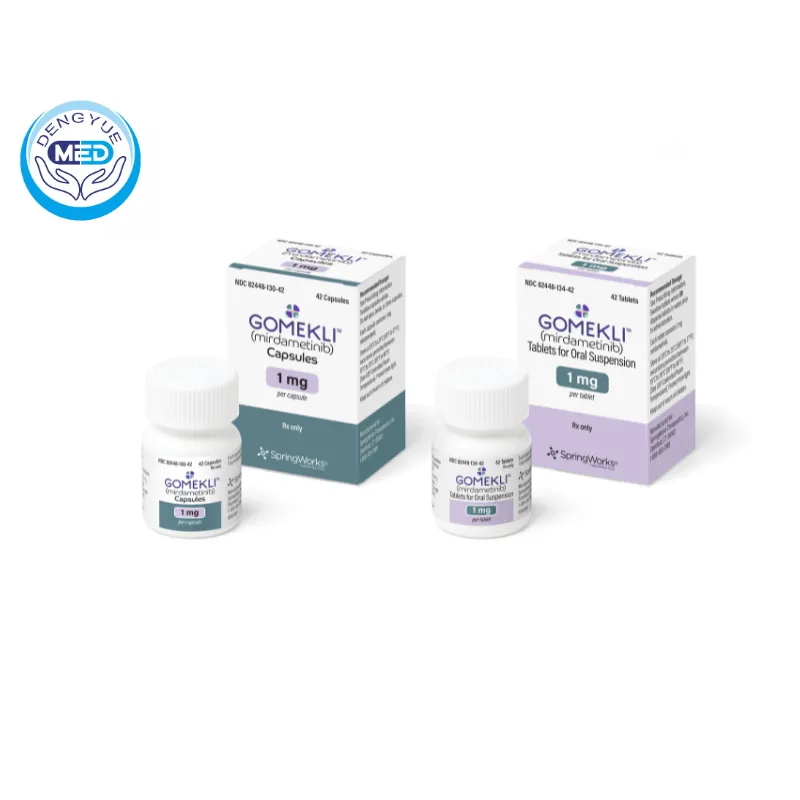
Gomekli | Plexiform Neurofibromas | HongKong DengYue Medicine
- Generic Name/Brand Name: Mirdametinib / Gomekli™
- Indications: Treatment for unresectable NF1 plexiform neurofibromas (≥2 years)
- Dosage Form: Capsules and tablets for oral suspension
- Specification: 1 mg
Gomekli Application Scope
Gomekli™ (mirdametinib) is indicated for the treatment of adult and pediatric patients aged 2 years and older with neurofibromatosis type 1 (NF1) who have symptomatic plexiform neurofibromas (PN) that are not amenable to complete surgical resection.
Characteristics
-
Ingredients:
-
Active: Mirdametinib
-
Inactive (capsules): Gelatin, titanium dioxide, FD&C Blue #1, yellow iron oxide, among others
- Inactive (tablets): Microcrystalline cellulose, croscarmellose sodium, magnesium stearate, grape flavor, sucralose
-
-
Properties: MEK1/2 kinase inhibitor; reduces tumor volume and proliferation in NF1-associated plexiform neurofibromas
-
Packaging Specification: Capsules and tablets supplied in bottles of 42 or 84 units
-
Storage:
- Store at 20°C to 25°C (68°F to 77°F)
-
Excursions permitted between 15°C and 30°C (59°F to 86°F)
- Protect from light
-
Expiry Date: Refer to the product packaging for the expiration date
-
Executive Standard: Refer to FDA-approved labeling and prescribing information
-
Approval Number: FDA-approved in February 2025
-
Date of Revision: February 2025
-
Manufacturer: SpringWorks Therapeutics, Inc.
Guidelines for the Use of Gomekli
-
Dosage and Administration:
-
Recommended dose: 2 mg/m² orally twice daily (approximately every 12 hours) for the first 21 days of each 28-day cycle.
-
Maximum dose: 4 mg twice daily
- Continue treatment until disease progression or unacceptable toxicity
- Dosage based on body surface area (BSA):
- 0.40 to 0.69 m²: 1 mg twice daily
-
0.70 to 1.04 m²: 2 mg twice daily
-
1.05 to 1.49 m²: 3 mg twice daily
-
≥1.50 m²: 4 mg twice daily
-
-
Adverse Reactions:
-
Adults: Common adverse reactions (≥25%) include rash (90%), diarrhea (59%), nausea (52%), musculoskeletal pain (41%), vomiting (38%), and fatigue (29%).
-
Pediatrics: Common adverse reactions (≥25%) include rash (73%), diarrhea (55%), musculoskeletal pain (41%), abdominal pain (39%), vomiting (39%), headache (34%), paronychia (32%), left ventricular dysfunction (27%), and nausea (27%).
-
- Contraindications:None.
-
Precautions:
-
Ocular Toxicity: May cause retinal vein occlusion, retinal pigment epithelium detachment, and blurred vision. Conduct comprehensive ophthalmic assessments prior to initiation and periodically during treatment.
-
Cardiac Effects: Monitor left ventricular ejection fraction (LVEF) before and during treatment.
-
Dermatologic Reactions: Monitor for rash and manage accordingly.
-
Embryo-Fetal Toxicity: Can cause fetal harm. Advise effective contraception during treatment and for 6 weeks (females) or 3 months (males) after the last dose.
-
Interactions
-
Drug Interactions: No specific drug interaction studies have been conducted. Use caution when administering with other medications.
Note:
- If there is a new packaging for the drug, the new packaging shall prevail. The above information is sourced from DengYue Medicine.
- It is only for internal discussion among medical staff and does not serve as a basis for medication. For specific medication guidelines, please consult the attending physician.
Related products
-

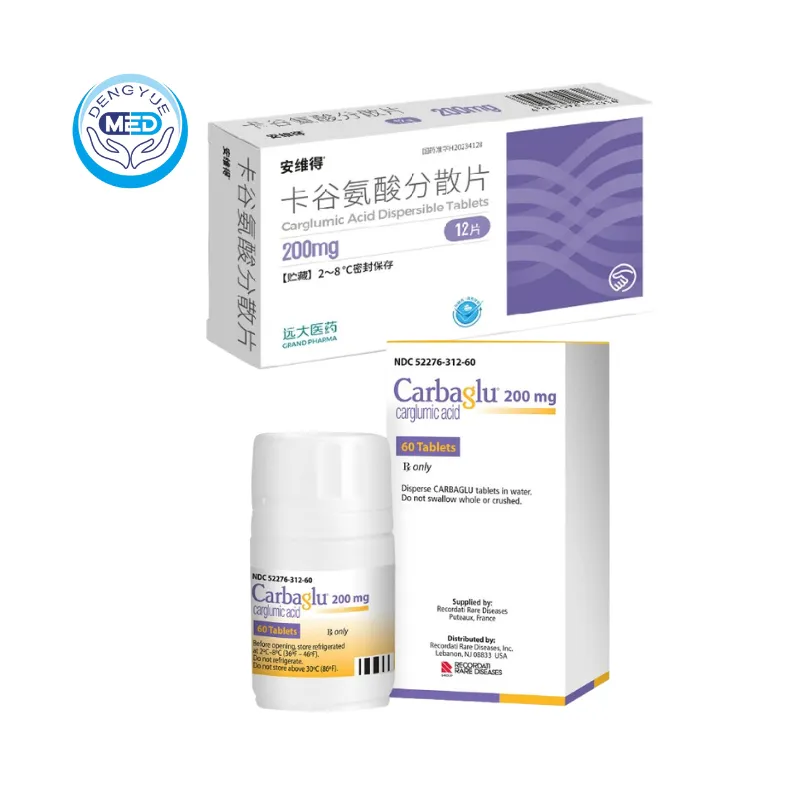
Carbaglu Carglumic Acid | Urea Cycle Disorders | HK DengYueMedicine
-
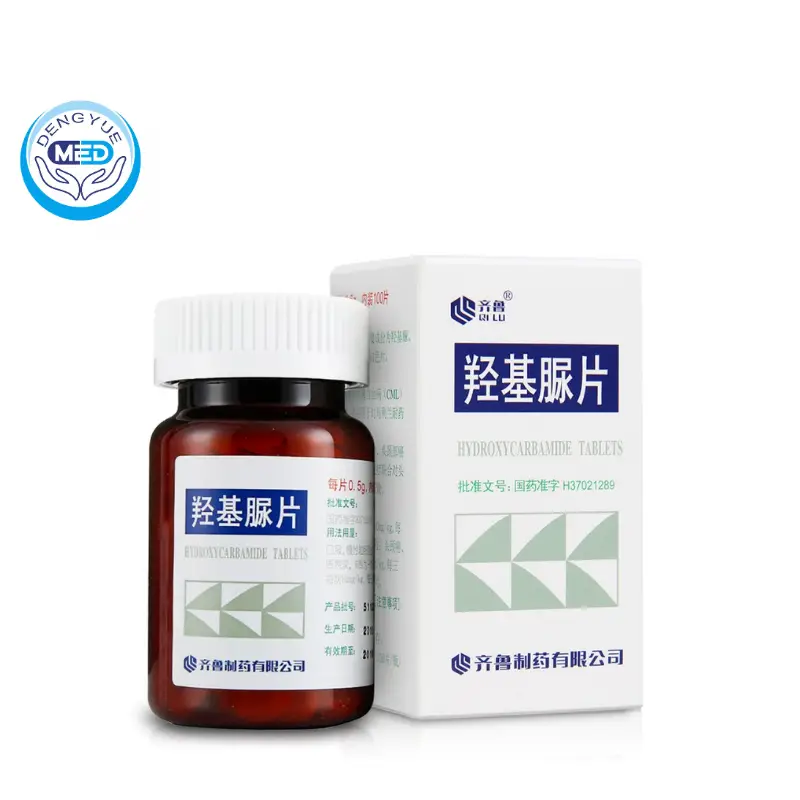
Hydroxycarbamide Tablets | Treatment of Leukemia
-
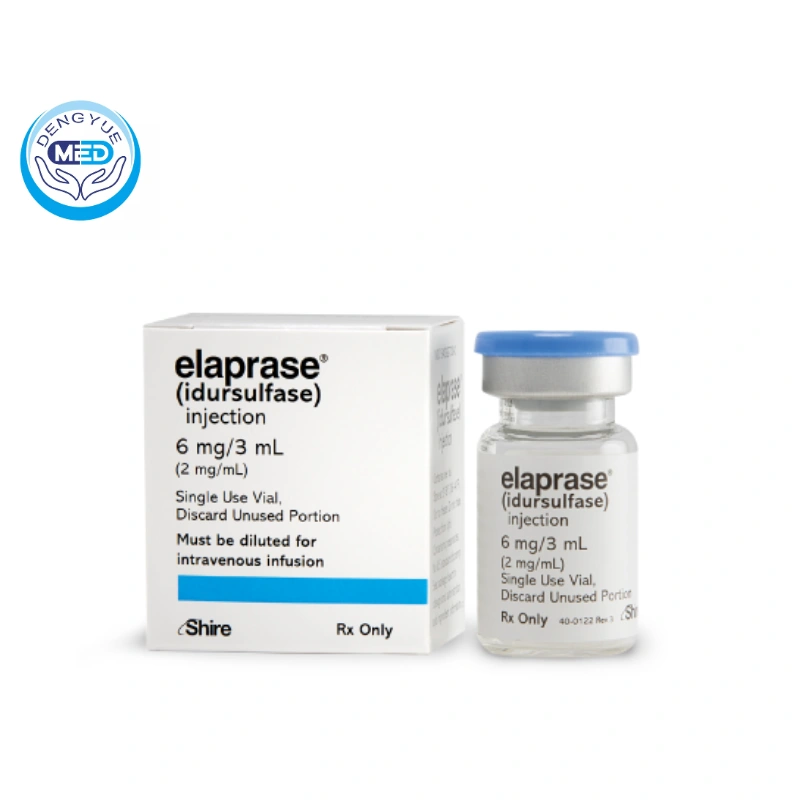
Elaprase Idursulfase | Mucopolysaccharidosis Type II | DengYueMedicine
-
Vimizim Elosulfase Alpha | Mucopolysaccharidosis Type IV
-
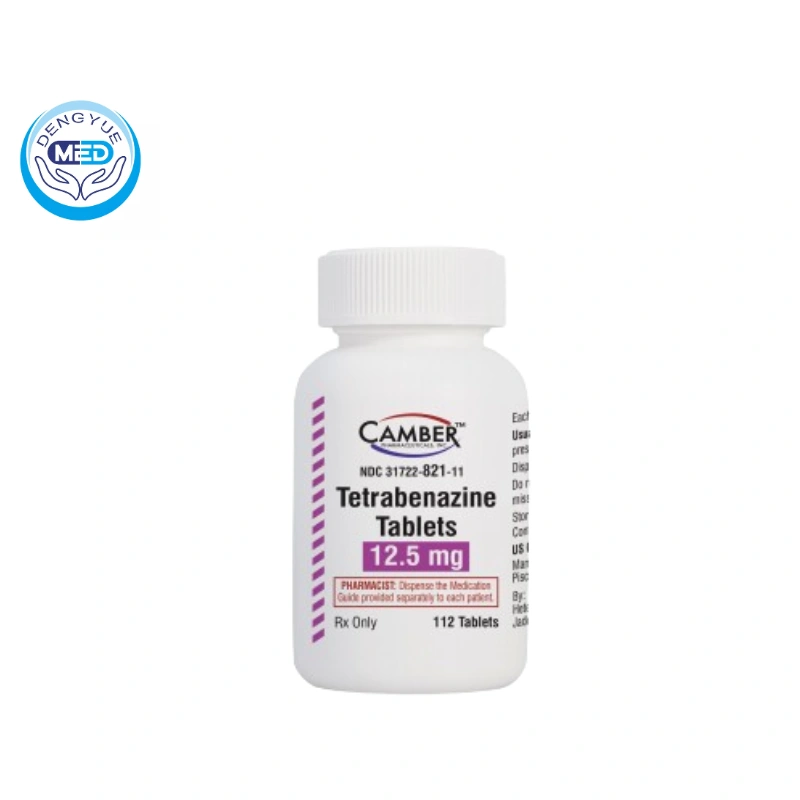
Tetrabenazine Tablets | Huntington’s Disease | DengYueMedicine
-
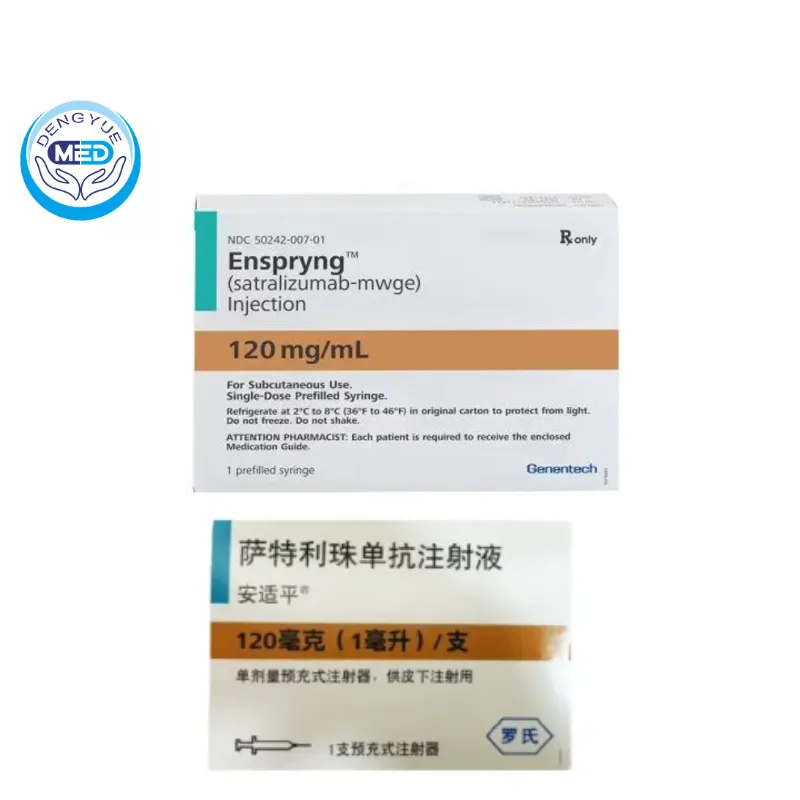
Enspryng Satralizumab | Optic Nerve Myelitis Spectrum Disorders
-
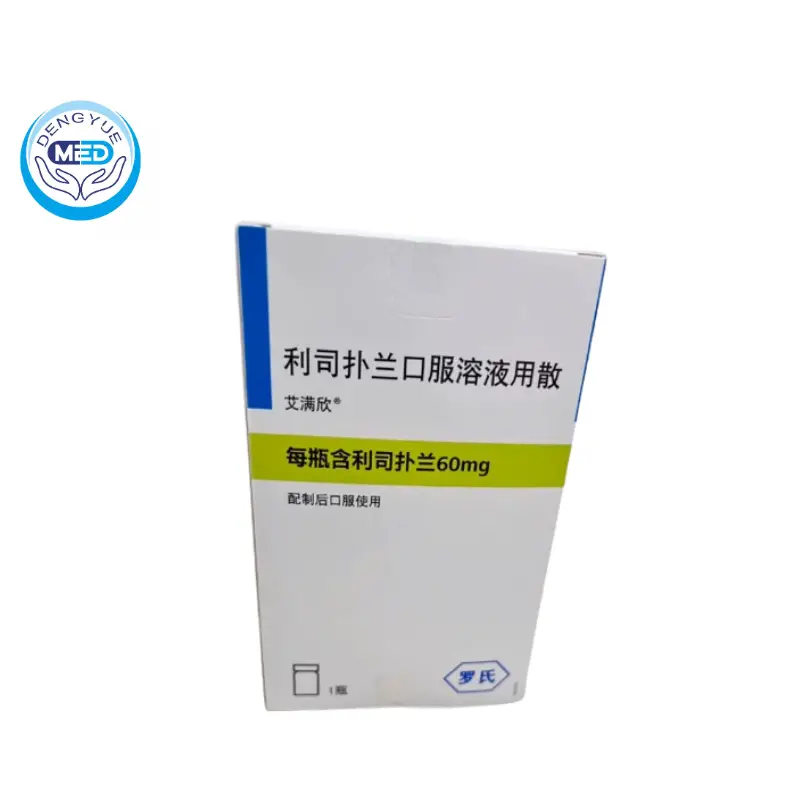
Risdiplam Oral Solution For Spinal Muscular Atrophy
-
Marinolone Urea Ointment | Chapped Hands And Feet | HK DengYueMedicine
.webp "Vimizim Elosulfase Alpha | Mucopolysaccharidosis Type IV")
Reviews
There are no reviews yet.