

Fludarabine Phosphate For Injection | Chronic Lymphocytic Leukemia
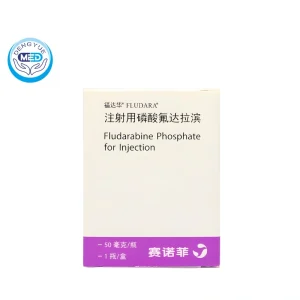
- Generic Name/Brand Name: Fludarabine Phosphate
- Indications: Chronic lymphocytic leukemia
- Dosage Form: Injectable solution
- Specification: 25 mg/vial
Fludarabine Phosphate For Injection Application Scope
Fludarabine Phosphate is primarily used as a chemotherapy agent for the treatment of chronic lymphocytic leukemia (CLL), non-Hodgkin lymphoma (NHL), and other hematological malignancies. It works by inhibiting DNA synthesis in cancer cells, which leads to their death and prevents further proliferation. It is also used as part of combination therapies for hematologic cancers to achieve optimal therapeutic outcomes.
Fludarabine Phosphate For Injection Characteristics
- Ingredients:
- Active Ingredient: Fludarabine Phosphate
- Excipients: Sodium chloride, water for injection, and other excipients.
- Properties:Fludarabine Phosphate is a purine nucleoside analog that disrupts DNA synthesis by interfering with the activity of DNA polymerase and other enzymes involved in DNA replication. This makes it effective in treating cancers like CLL and NHL.
- Specification:Available in 25 mg/vial for intravenous infusion.
- Storage:
- Store at room temperature (between 20°C to 25°C) in a light-protected area.
- Keep vials tightly closed when not in use.
- Expiry Date:Typically 24 months from the manufacturing date, check specific packaging for details.
- Executive Standard:Meets regulatory standards set by health authorities such as the FDA or EMA.
- Approval Number:Approval by local health regulatory bodies (e.g., FDA or NMPA).
- Manufacturer:Manufactured by companies like Genzyme or other recognized pharmaceutical companies.
Guidelines For The Use Of Fludarabine Phosphate For Injection
Dosage and Administration:
- For chronic lymphocytic leukemia (CLL), the recommended dose is 25 mg/m² administered as an IV infusion once a day for 5 consecutive days.
- For non-Hodgkin lymphoma (NHL), dosing regimens may vary depending on the stage and specifics of the disease.
Adverse Reactions:
- Common side effects include myelosuppression, fever, nausea, fatigue, and headache.
- Serious side effects may include opportunistic infections, tumor lysis syndrome, renal toxicity, and severe immunosuppression.
Medication Limitations
Contraindications:
- Hypersensitivity to Fludarabine Phosphate or any of its excipients.
- Severe renal impairment or history of significant hematological toxicity.
- Pregnancy and lactation, unless absolutely necessary and the benefits outweigh the risks.
Precautions:
- Regular monitoring of blood counts, renal function, and liver function is recommended during therapy.
- Hydration is important to prevent tumor lysis syndrome during the first few days of treatment.
Fludarabine Phosphate For Injection Interactions
Drug Interactions:
- Concomitant use with immunosuppressive drugs or other chemotherapy agents may increase the risk of severe infections.
- Ganciclovir, valganciclovir, and other antiviral agents should be used cautiously, as they can enhance myelosuppression.
Note:
- If there is a new packaging for the drug, the new packaging shall prevail. The above information is sourced from HongKong DengYue Medicine. It is only for internal discussion among medical staff and does not serve as a basis for medication. For specific medication guidelines, please consult the attending physician.
Contact Us
Related products
-

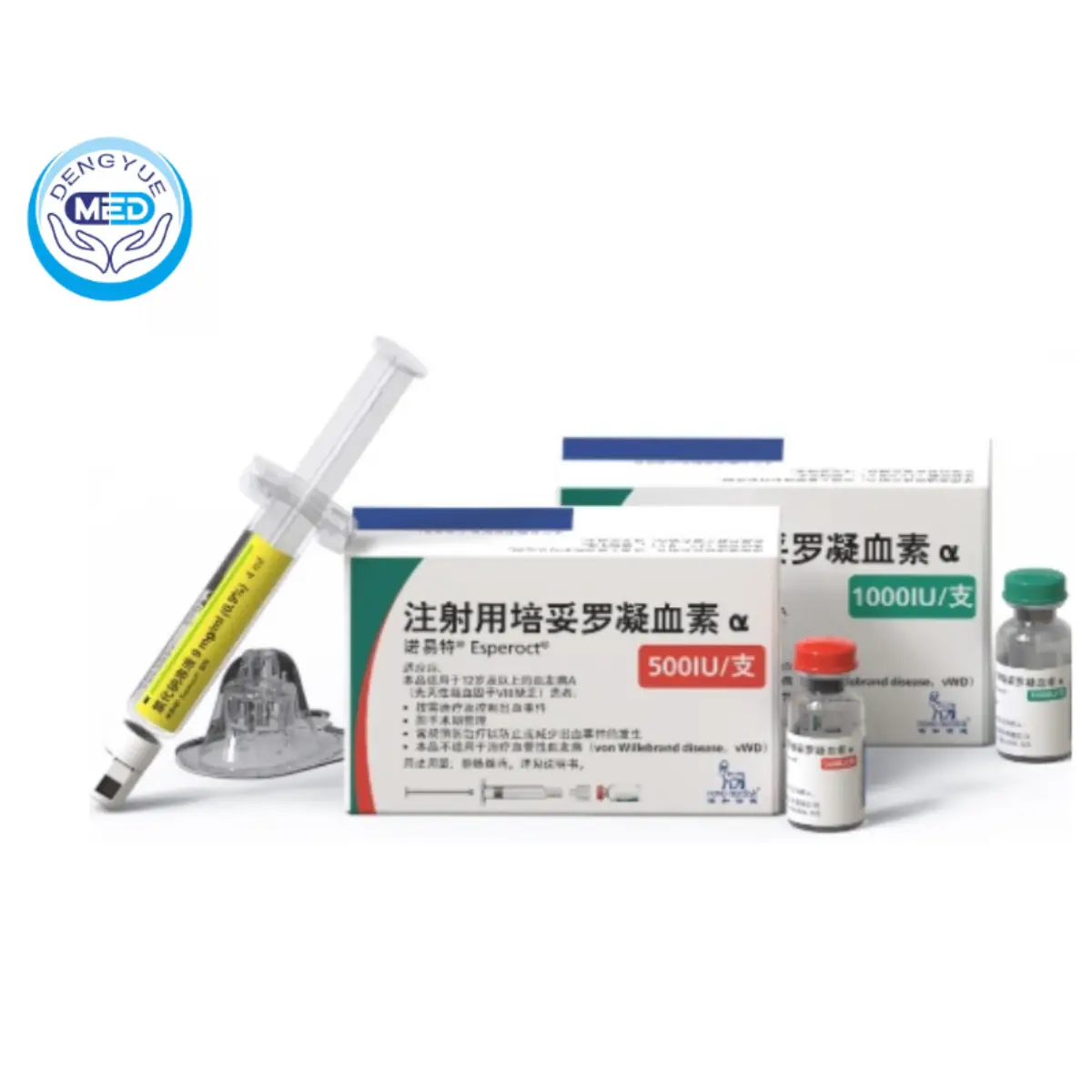
Turoctocog Alfa|Hemophiliac|HongKong DengYue Medicine
-

Imatinib Mesylate Tablets | Leukaemia
-

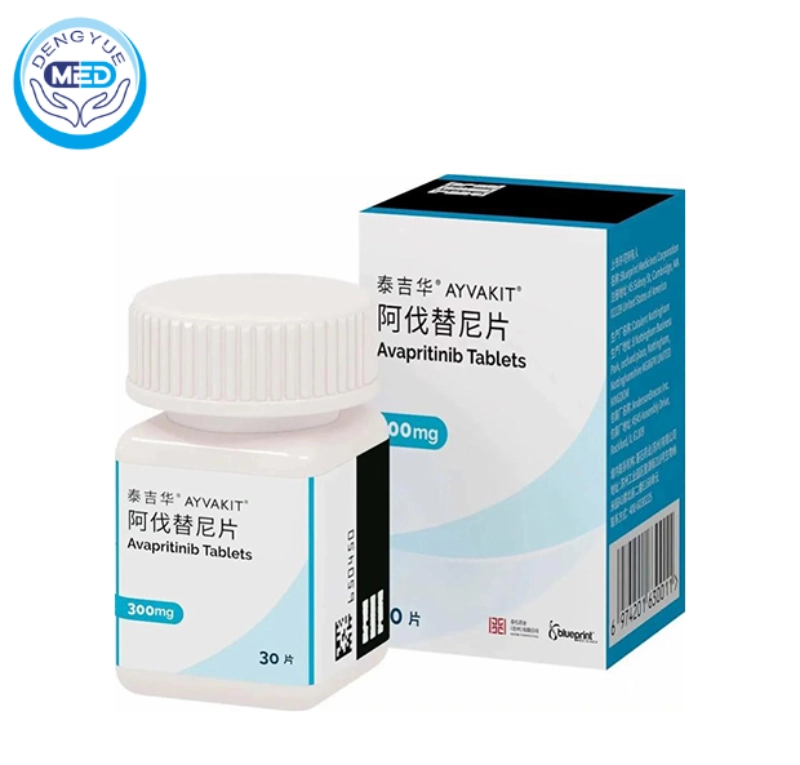
Ayvakit (Avapritinib) – Systemic Mastocytosis | HongKong DengYue Medicine
-
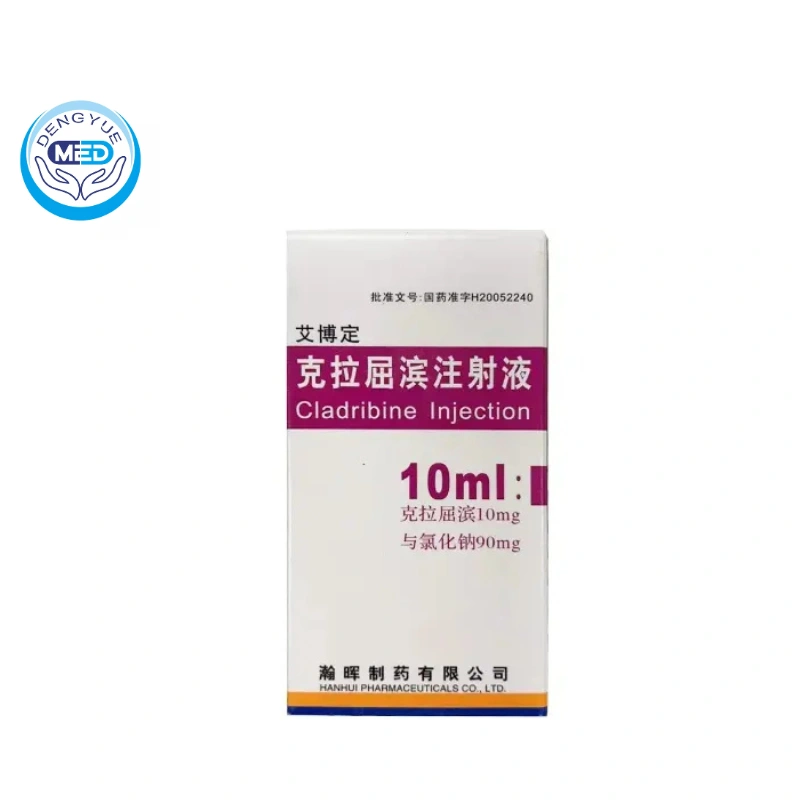
Cladribine Injection | Thrombocytopenia | HK DengYueMedicine
-
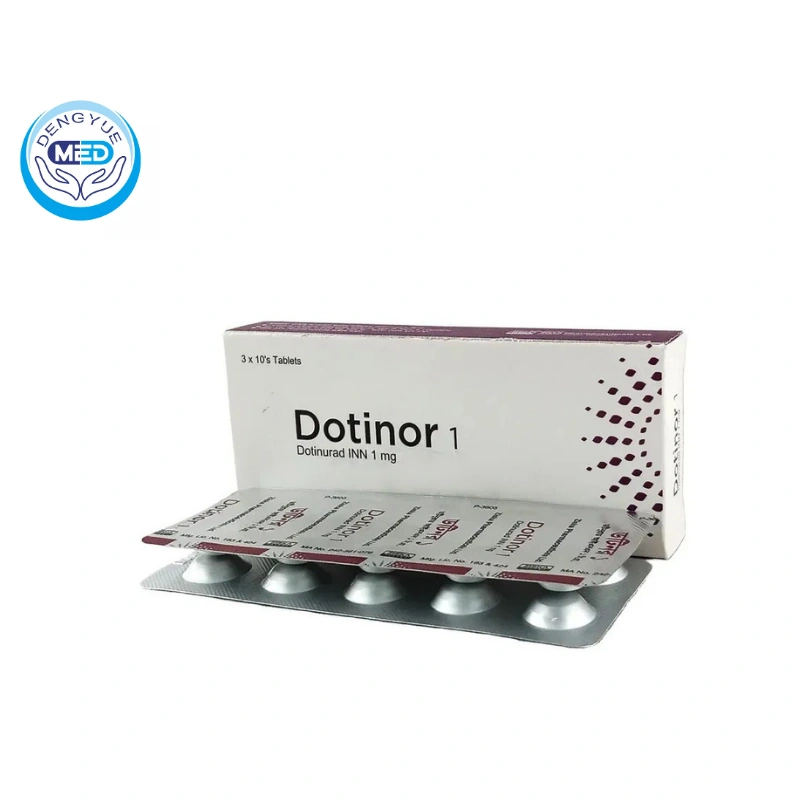
Dotinurad|Hyperuricemia|HongKong DengYue Medicine
-
Pirtobrutinib|Chronic Lymphocytic Leukemia (CLL)
-
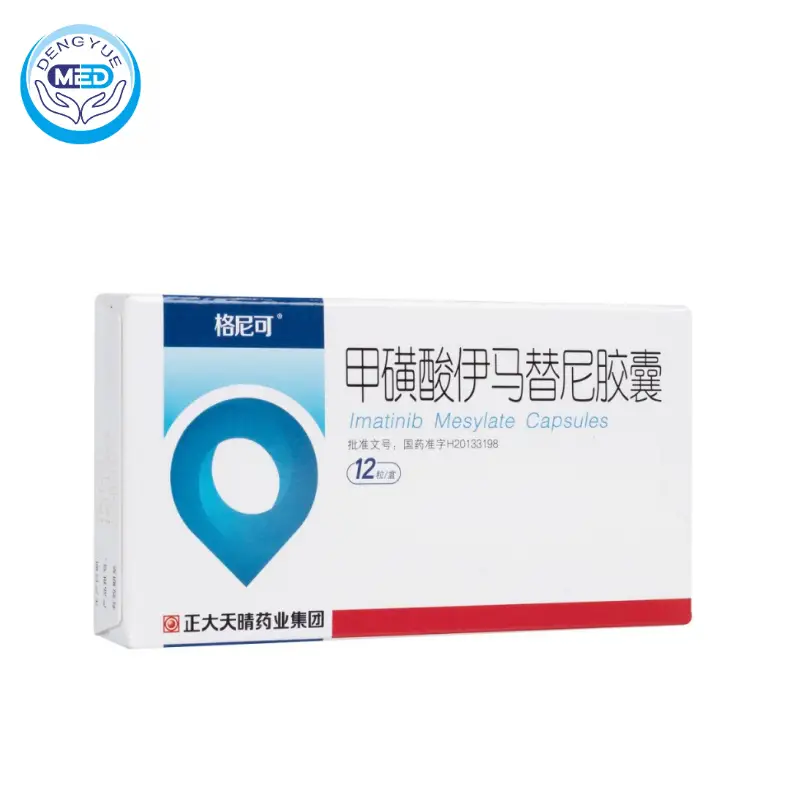
Imatinib Mesylate Capsules | Leukemia Treatment
-
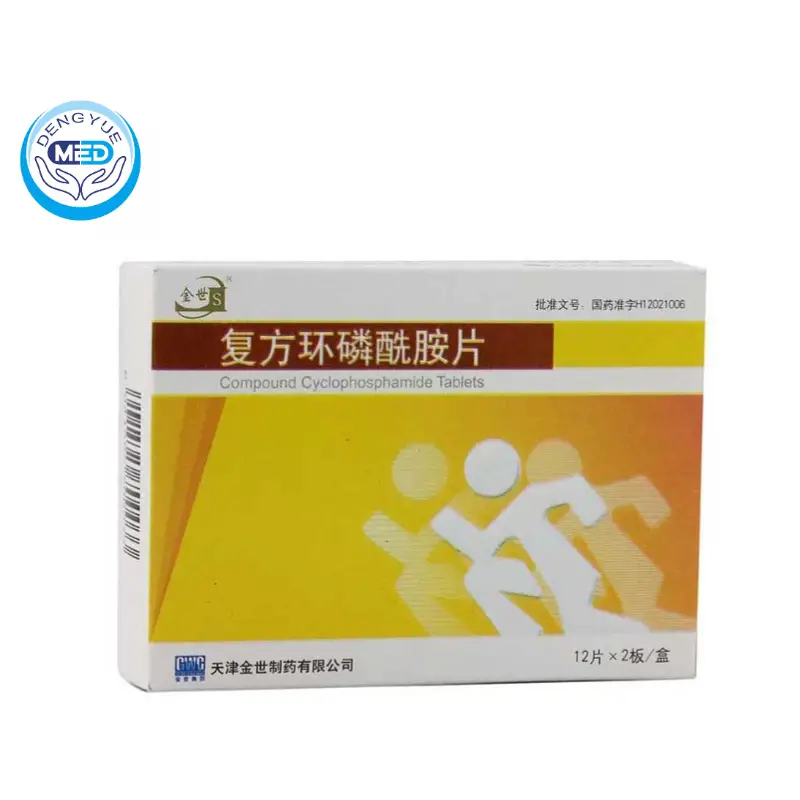
Compound Cyclophosphamide Tablets | Ovarian Cancer | DengYueMed


Reviews
There are no reviews yet.