
Aibite (Famitinib Malate Capsules) – Cervical Cancer | HongKong DengYue Medicine
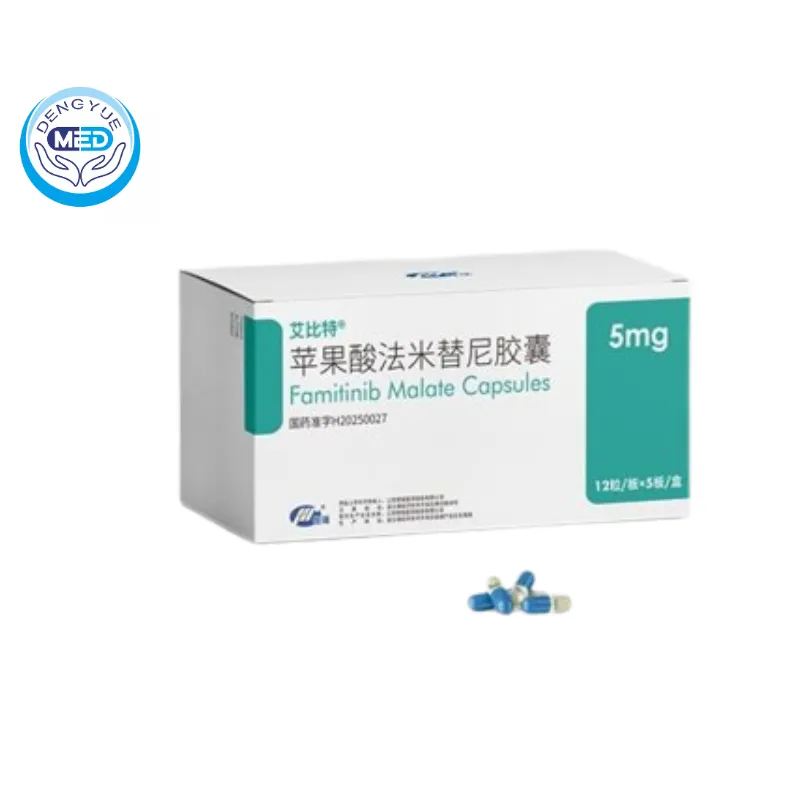
- Generic Name/Brand Name: Famitinib Malate Capsules/Aibite
- Indications: Cervical Cancer
- Dosage Form: Capsules
- Specification: 5 mg x 60
Famitinib Malate Capsules Application Scope
Famitinib Malate Capsules is an orally bioavailable small-molecule multi-targeted tyrosine kinase inhibitor developed for the treatment of various cancer types. The primary approved indication is for use in combination with Camrelizumab for patients with recurrent or metastatic cervical cancer who have previously failed platinum-based chemotherapy but have not received bevacizumab treatment.
The drug is under clinical investigation for additional indications including colorectal cancer, gastrointestinal stromal tumors (GIST), hepatocellular carcinoma, renal cell carcinoma, HER2-negative breast cancer, non-small cell lung cancer, triple-negative breast cancer, and soft tissue sarcoma.
Famitinib Malate Capsules Characteristics
Ingredients: Famitinib malate is the active pharmaceutical ingredient. The chemical formula is C₂₇H₃₃FN₄O₇ with a molecular weight of 544.57 g/mol. The drug is formulated as an L-malate salt for improved pharmaceutical properties. The active ingredient is typically administered at doses of 20 mg or 25 mg per capsule based on clinical trial protocols.
Properties: Famitinib acts as a multi-targeted receptor tyrosine kinase (RTK) inhibitor with selectivity for multiple kinase targets. It inhibits vascular endothelial growth factor receptor 2 (VEGFR-2) and 3 (VEGFR-3), platelet-derived growth factor receptor (PDGFR), stem cell factor receptor (c-Kit), FMS-like tyrosine kinase-3 (Flt3), and VEGFR-1. The drug demonstrates oral bioavailability with once-daily dosing. Famitinib is extensively metabolized, with CYP3A4/5 and CYP1A1/2 being the primary cytochrome P450 enzymes involved in its metabolism, forming the major metabolite SHR116637.
Packaging Specification: Famitinib Malate Capsules are typically supplied in blister packs containing 5mg x 12 x 5 capsules.
Storage: The drug should be stored between 2-8°C (refrigerated) for optimal stability. Protect from light and moisture. Do not freeze.
Expiry Date: The product has a typical shelf life of 24 months from the date of manufacture when stored under recommended conditions.
Executive Standard: Famitinib Malate Capsules comply with the Chinese Pharmacopoeia standards and quality control measures established for pharmaceutical preparations.
Approval Number: The drug received conditional approval from the National Medical Products Administration (NMPA) in May 2025 for the indicated combination therapy in recurrent or metastatic cervical cancer.
Date of Revision: Product information updates are periodically released as new clinical data become available or regulatory requirements change. The most recent revisions reflect data through 2025.
Manufacturer: Jiangsu Hengrui Medicine Co., Ltd. (also known as Suzhou Shengdia Biomedical Co., Ltd. in collaboration agreements) is the original developer and manufacturer of Famitinib Malate Capsules.
Guidelines for the Use of Famitinib Malate Capsules
Dosage and Administration:
Recommended Dose: The recommended starting dose for Famitinib Malate is 25 mg orally once daily, which was established as the optimal dose based on Phase I clinical trial data. However, in combination therapy with Camrelizumab for cervical cancer, the approved dose is 20 mg orally once daily.
Administration:
Take orally once daily, preferably at a consistent time each day
May be taken with or without food, though consistent administration with regard to meals is recommended
Swallow capsules whole with water; do not open or crush the capsules
Treatment should continue until disease progression, unacceptable toxicity, or withdrawal of consent
Missed Dose: If a dose is missed, take the next scheduled dose at the regular time. Do not double the dose to make up for a missed dose.
Adverse Reactions:
Common Adverse Reactions:
Hypertension (54.1% overall; Grade 3-4: 12.5%)
Hand-foot skin reaction/syndrome (45.8% overall; Grade 3-4: 4.2%)
Diarrhea (33.3%)
Neutropenia (45.8%)
Mucositis/oral mucositis (29.2%)
Thrombocytopenia (29.2%)
Hyperlipidemia (41.7%)
Proteinuria (41.7%; Grade 3: 12.5%)
Fatigue and pain
Elevated transaminases or bilirubin
Bone marrow suppression
Peripheral sensory disturbance
Hypothyroidism
Anemia (commonly observed in combination therapy)
Positive urinary occult blood
Serious Adverse Reactions:
Hypertension
Hand-foot syndrome
Grade 3-4 thrombocytopenia and neutropenia
Proteinuria
Hypertriglyceridemia/hypercholesterolemia
Elevated liver enzymes
Anemia
Grade 3-4 proteinuria associated with anti-angiogenic mechanisms
Cardiovascular events
Hepatotoxicity
Immune-related adverse events (when used with immunotherapy; ~20% incidence)
Contraindications:
Known hypersensitivity or allergy to famitinib or any excipients in the formulation
Severe hepatic impairment (Child-Pugh Class C)
Severe renal impairment requiring dialysis
Uncontrolled hypertension despite optimal antihypertensive therapy
Recent myocardial infarction or unstable angina
Active bleeding or thrombotic disorders
Patients requiring live attenuated vaccines during treatment
Precautions:
Monitoring Requirements:
Regular blood pressure monitoring (typically weekly initially, then per clinical judgment)
Baseline and periodic assessment of liver and kidney function
Complete blood counts with differential
Urinalysis to monitor for proteinuria
Lipid panel monitoring (baseline and periodic)
Thyroid function tests (TSH) baseline and periodically
Cardiac assessment in patients with pre-existing cardiac conditions
Assessment for signs of bleeding or thromboembolism
Special Populations:
Pregnancy and Lactation: Famitinib may cause fetal harm. Women of childbearing age should use effective contraception. Not recommended during breastfeeding.
Hepatic Impairment: Use with caution; dose adjustment may be necessary in moderate hepatic impairment. Contraindicated in severe hepatic impairment.
Renal Impairment: Use with caution; monitoring of renal function is essential.
Elderly Patients: More likely to experience serious adverse effects; careful monitoring recommended.
Patients with Pre-existing Hypertension: Enhanced monitoring and possible adjustment of antihypertensive medications.
Famitinib Malate Capsules Interactions
Famitinib metabolism is significantly affected by CYP450 enzymes, particularly CYP3A4/5 and CYP1A1/2. Concomitant medications that inhibit or induce these enzymes may substantially alter famitinib exposure.
CYP3A4 Inhibitors (e.g., itraconazole, ketoconazole, ritonavir): May increase famitinib plasma concentrations and risk of adverse effects
CYP3A4 Inducers (e.g., rifampicin, carbamazepine, phenytoin): May decrease famitinib efficacy by reducing plasma concentrations
Proton Pump Inhibitors (e.g., omeprazole): May reduce oral bioavailability of famitinib
Resveratrol: Demonstrated inhibition of famitinib metabolism, increasing exposure and adverse event risk
Other Tyrosine Kinase Inhibitors: Potential for additive toxicity; combination therapy requires careful monitoring
Antihypertensive Agents: May require dose adjustment due to additive blood pressure-lowering effects when used concurrently with famitinib
Note:
- If there is a new packaging for the drug, the new packaging shall prevail. The above information is sourced from DengYue Medicine.
- This content is for reference only. Prescription drugs must be used under a doctor’s guidance and purchased from authorized sources.
Related products

Hycamtin (Topotecan Hydrochloride) – Malignancies | HongKong DengYue Medicine
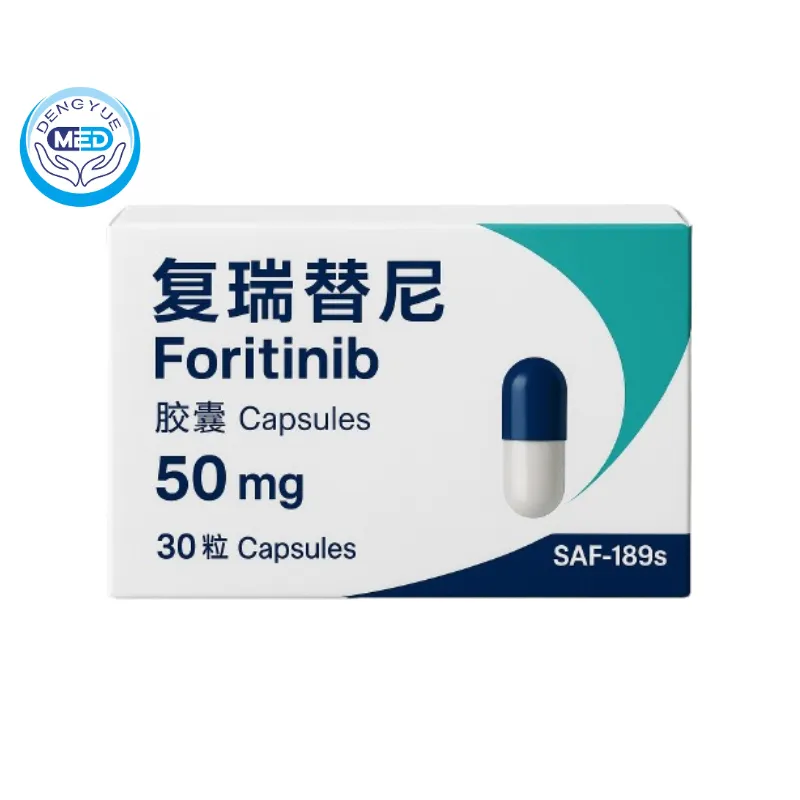
Fosun (Foritinib) – NSCLC | HongKong DengYue Medicine
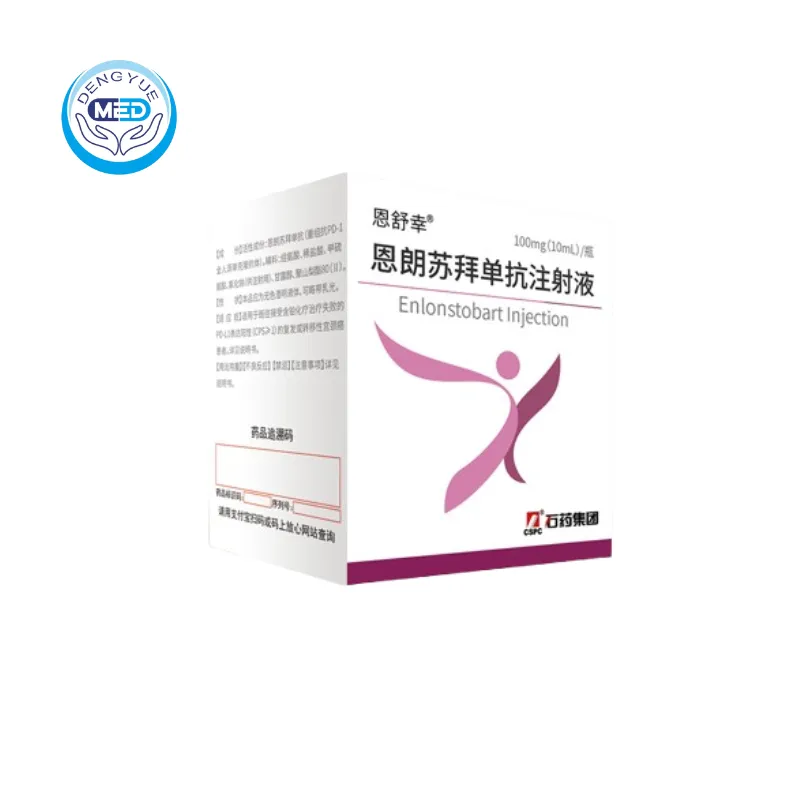
Enshuxing (Enlonstobart) – Cervical Cancer|HongKong DengYue Medicine
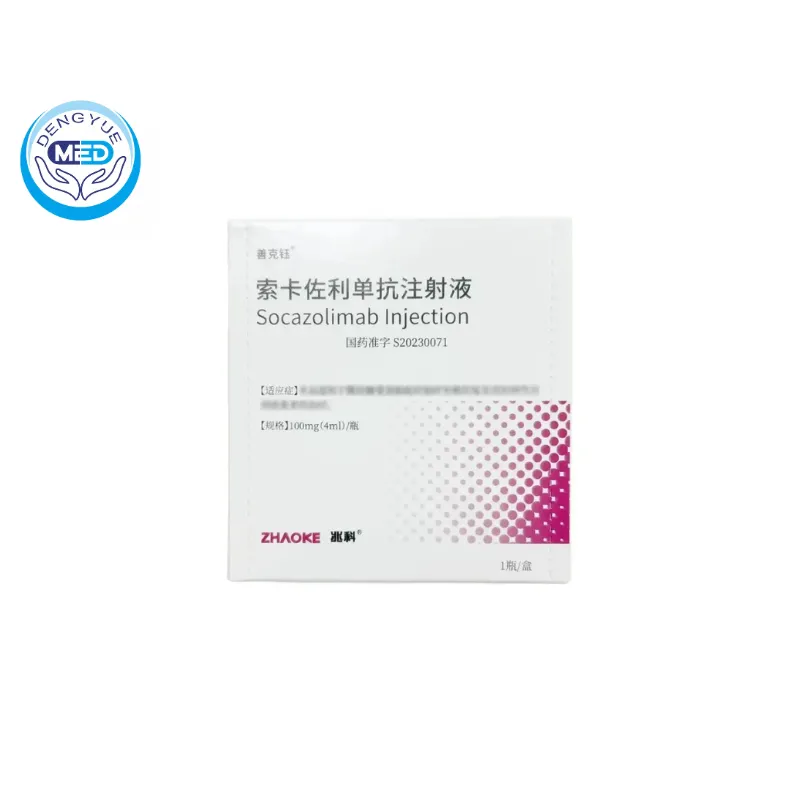
Sorrento (Socazolimab) – Cervical Cancer | HongKong DengYue Medicine
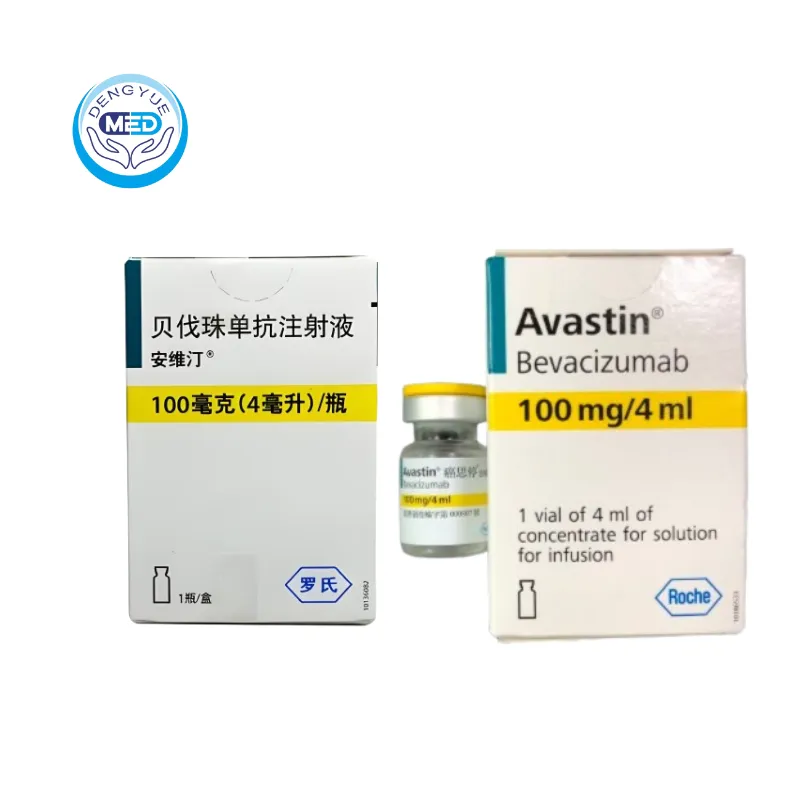
Avastin (Bevacizumab) – mCRC & NSCLC | HongKong DengYue Medicine
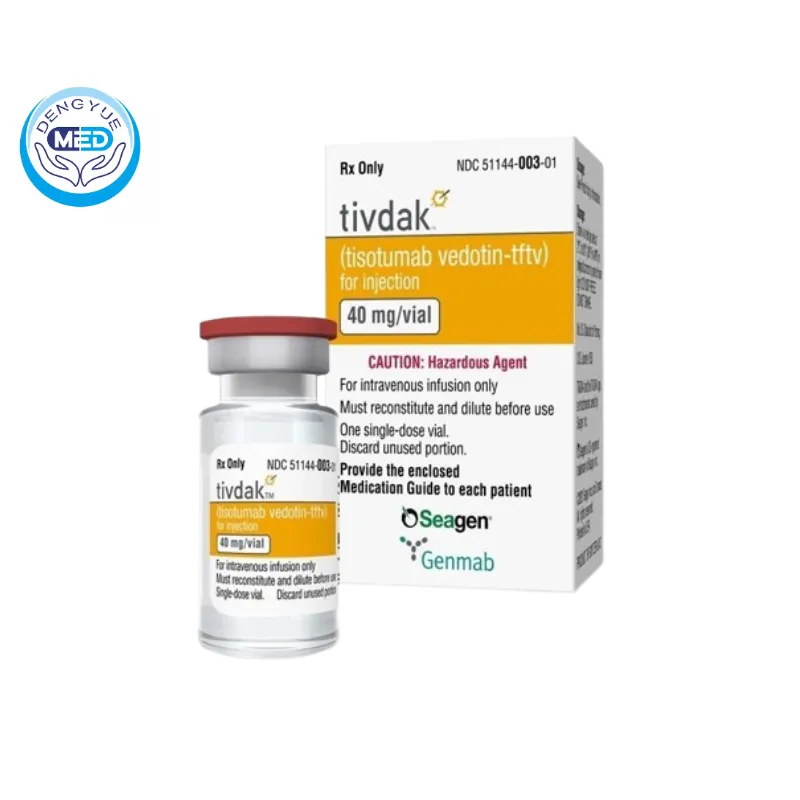
Tivdak (Tisotumab Vedotin) – Uterine Cervical Neoplasms | HongKong DengYue Medicine
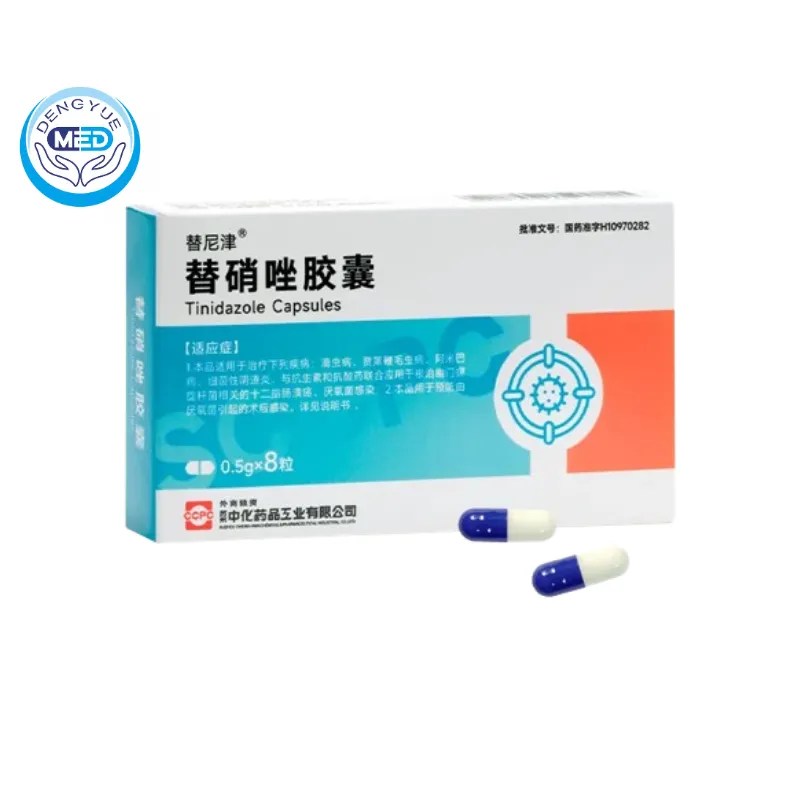
CCPC (Tinidazole Capsules) – Trichomoniasis | HongKong DengYue Medicine

Reviews
There are no reviews yet.