
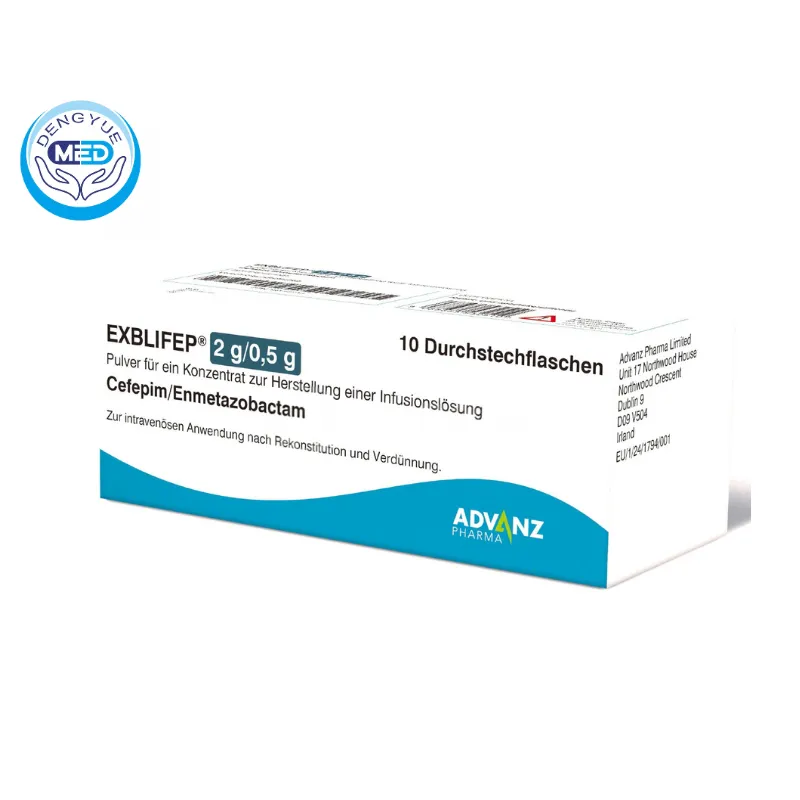
Exblifep (Cefepime and Enmetazobactam) | Urinary Tract Infections | DengYue Med
- Generic Name/Brand Name: Cefepime and Enmetazobactam/ Exblifep
- Indications: Complicated urinary tract infections
- Dosage Form: Powder for solution, intended for intravenous infusion
- Specification: Each vial contains 2.5 grams (2 grams cefepime and 0.5 grams enmetazobactam)
Cefepime And Enmetazobactam Application Scope
Exblifep is indicated for the treatment of adult patients (18 years and older) with:
-
Complicated Urinary Tract Infections (cUTIs), including pyelonephritis, caused by susceptible microorganisms such as Escherichia coli, Klebsiella pneumoniae, Pseudomonas aeruginosa, Proteus mirabilis, and Enterobacter cloacae complex.
Cefepime And Enmetazobactam Characteristics
-
Ingredients:
-
Cefepime: A fourth-generation cephalosporin antibiotic that inhibits bacterial cell wall synthesis.
-
Enmetazobactam: A novel β-lactamase inhibitor effective against serine β-lactamases, including extended-spectrum β-lactamases (ESBLs).
-
-
Properties:
-
Cefepime: A fourth-generation cephalosporin antibiotic that exerts bactericidal activity by inhibiting bacterial cell wall synthesis.
-
Enmetazobactam: A novel β-lactamase inhibitor effective against serine β-lactamases, including extended-spectrum β-lactamases (ESBLs), thereby restoring the efficacy of cefepime against resistant bacteria.
-
-
Packaging Specification: Supplied in single-dose vials containing 2.5 grams (2 grams cefepime and 0.5 grams enmetazobactam).
-
Storage:
-
Vials: Store refrigerated at 2°C to 8°C (36°F to 46°F); excursions permitted to 15°C to 25°C (59°F to 77°F). Keep vials in the outer carton to protect from light.
-
Diluted Solution: Store refrigerated at 2°C to 8°C (36°F to 46°F) for up to 4 hours prior to administration. The intravenous infusion must be completed within 6 hours of dilution
-
-
Expiry Date: Refer to the manufacturer’s labeling for specific expiration information.
-
Executive Standard: Refer to the official prescribing information for detailed standards.
-
Approval Number: FDA approval granted on February 22, 2024.
-
Date of Revision: Refer to the latest prescribing information for revision dates.
-
Manufacturer: Manufactured for Allecra Therapeutics SAS, 68300 Saint Louis, France.
Guidelines for the Use of Cefepime And Enmetazobactam
-
Dosage and Administration:
-
Standard Dosage: 2.5 grams (2 grams cefepime and 0.5 grams enmetazobactam) administered every 8 hours by intravenous infusion over 2 hours for patients with an estimated glomerular filtration rate (eGFR) between 60 and 129 mL/min.
-
Duration: 7 to 14 days, depending on the severity of the infection and presence of bacteremia.
-
Renal Impairment Adjustments:
-
Dosage adjustments are recommended for patients with eGFR < 60 mL/min or ≥ 130 mL/min.
-
For patients on hemodialysis, dosing should occur after the dialysis session.
-
-
-
Adverse Reactions:
-
Common:
-
Increased liver enzymes (transaminases)
-
Headache
-
Phlebitis at the infusion site.
-
-
Serious:
-
Hypersensitivity reactions
-
Neurotoxicity, especially in patients with renal impairment.
-
Clostridioides difficile-associated diarrhea.
-
-
-
Contraindications:
-
Known hypersensitivity to cefepime, other cephalosporins, or any component of the formulation
-
Severe hypersensitivity to other β-lactam antibiotics
-
-
Precautions:
-
Monitor renal function regularly, especially in patients with existing renal impairment
-
Adjust dosage accordingly to prevent accumulation and potential toxicity
-
Be vigilant for signs of neurotoxicity and hypersensitivity reactions.
-
Use with caution in elderly patients due to increased risk of adverse effects.
-
Cefepime And Enmetazobactam Interactions
- Drug Interactions:
-
Live Bacterial Vaccines: May decrease the effectiveness of live bacterial vaccines such as the typhoid vaccine. Avoid concurrent use
-
Drugs Affecting Renal Function: Use cautiously with medications that can affect renal function, as both cefepime and enmetazobactam are primarily eliminated by the kidneys
Note:
- If there is a new packaging for the drug, the new packaging shall prevail. The above information is sourced from DengYue Medicine.
- It is only for internal discussion among medical staff and does not serve as a basis for medication. For specific medication guidelines, please consult the attending physician.
Related products
-

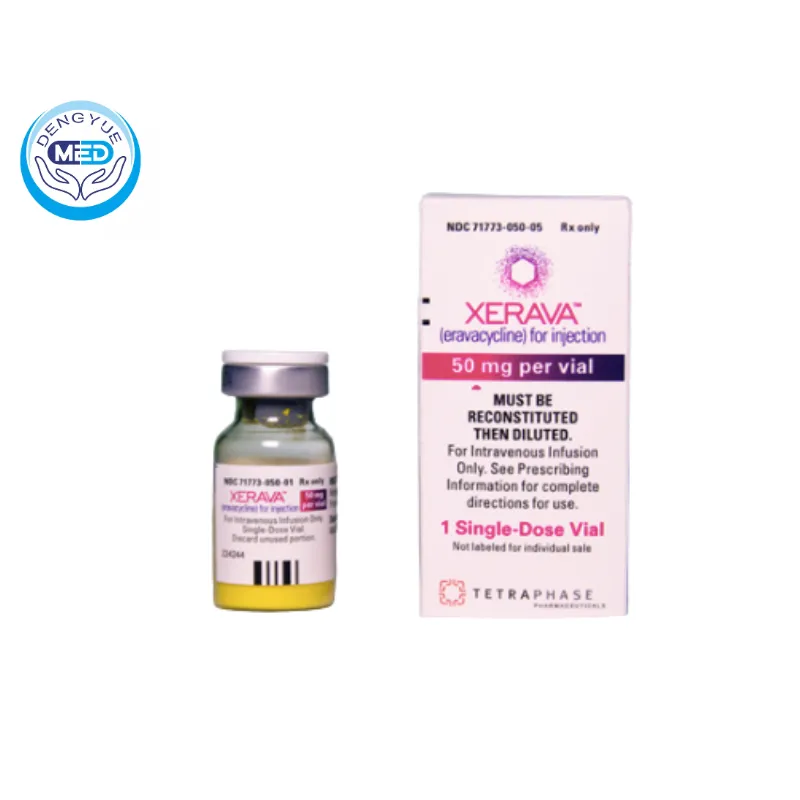
Xerava (Eravacycline) | CIAIs | HongKong DengYue Medicine
-
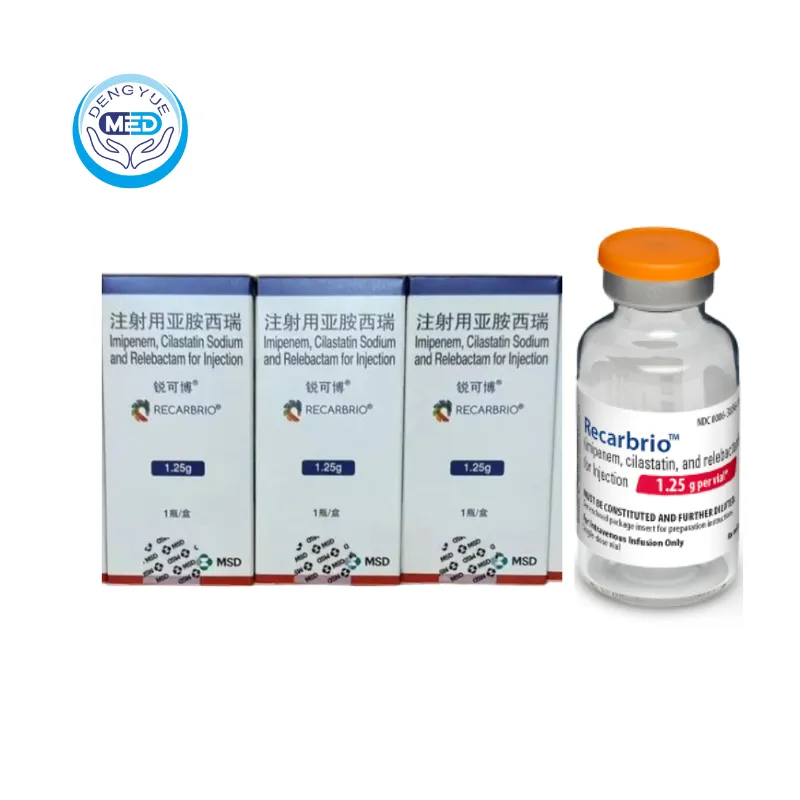
RECARBRIO (Imipenem/Cilastatin/Relebactam) – CUTI & CIAI | HongKong DengYue Medicine
-
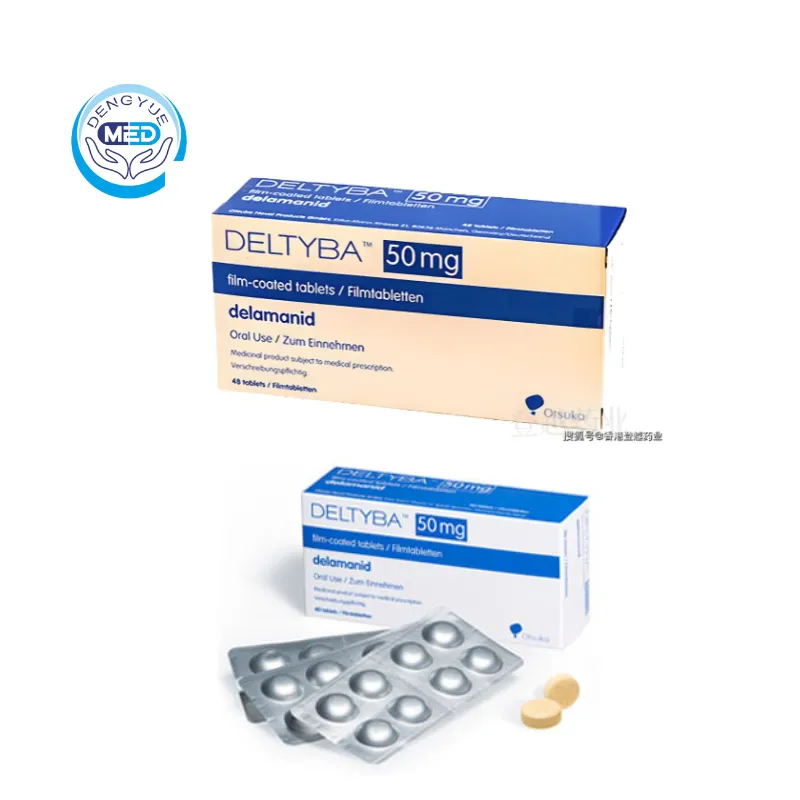
Deltyba (delamanid) – MDR-TB | HongKong DengYue Medicine
-
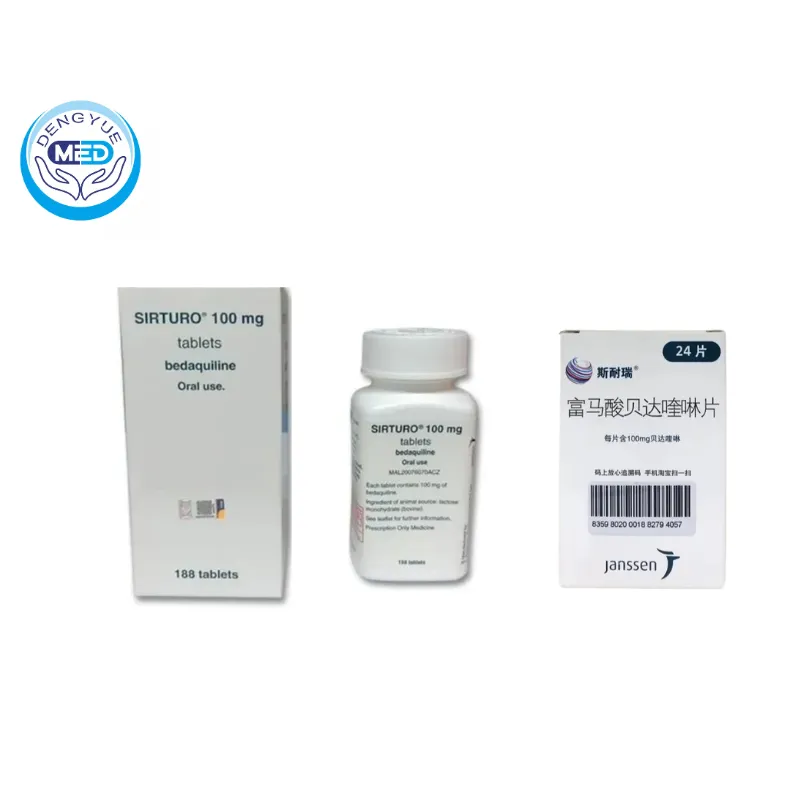
SIRTURO (Bedaquiline) – MDR-TB | HongKong DengYue Medicine
-
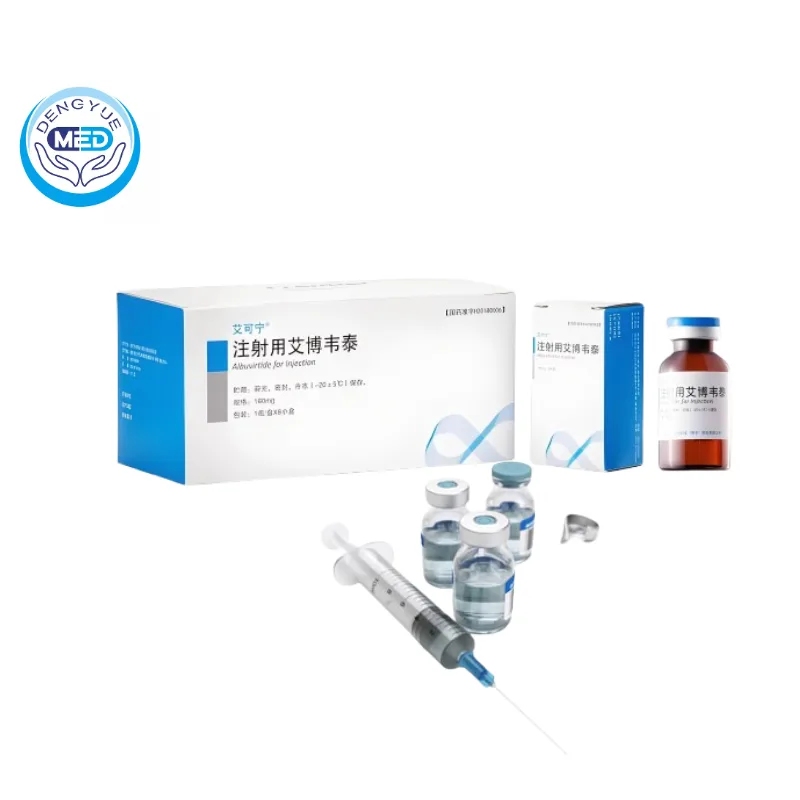
Albuvirtide Injection (Aikening) – HIV | HongKong DengYue Medicine
-
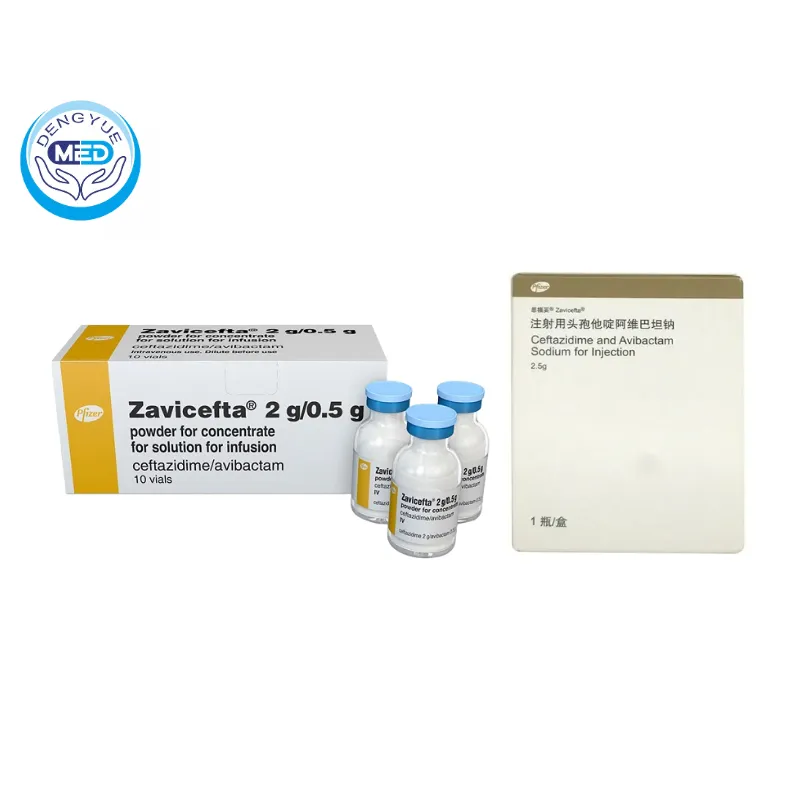
Zavicefta (Ceftazidime and Avibactam Sodium) | CIAI | DengYue
-
Sulbactam Durlobactam | Pneumonia | HK DengYue Med
-
NUZYRA (Omadacycline) – Antibiotics | HongKong DengYue Medicine
Reviews
There are no reviews yet.