
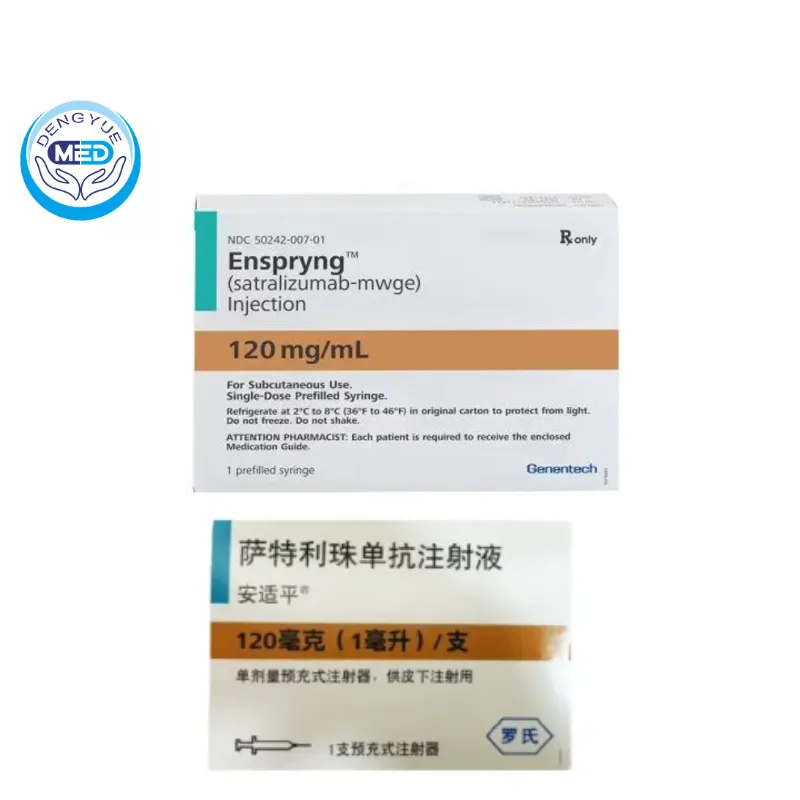
Enspryng Satralizumab | Optic Nerve Myelitis Spectrum Disorders
- Generic Name/Brand Name: Satralizumab / Enspryng
- Indications: Nneuromyelitis Optica Spectrum Disorder (NMOSD) in adults who are aquaporin-4 (AQP4) antibody positive.
- Dosage Form: Injection (subcutaneous)
- Specification: 120 mg/1 mL per pre-filled syringe.
Satralizumab Application Scope
Satralizumab, a new and special drug, marketed under the brand name Enspryng, is a humanized monoclonal antibody that targets the interleukin-6 (IL-6) receptor.
It is primarily used for the treatment of neuromyelitis optica spectrum disorder (NMOSD) in adults who are aquaporin-4 (AQP4) antibody positive.
Satralizumab Characteristics
- Ingredients: Satralizumab-mwge.
- Properties: Satralizumab is a recombinant humanized monoclonal antibody that inhibits IL-6-mediated signaling by binding to both soluble and membrane-bound IL-6 receptors.
- Specification: Each pre-filled syringe contains 120 mg of satralizumab in 1 mL solution.
- Packaging Specification: Available as a single-dose pre-filled syringe for subcutaneous injection.
- Storage: Store in a refrigerator at 2°C to 8°C (36°F to 46°F) in the original carton to protect from light. Do not freeze.
- Expiry Date: Refer to the expiration date printed on the packaging.
- Executive Standard: Manufactured in accordance with Good Manufacturing Practices (GMP) and approved regulatory standards.
- Approval Number: Refer to the specific regulatory approval number in your country (e.g., FDA Biologics License Application (BLA) number in the USA).
- Date of Revision: Refer to the date provided in the official prescribing information or package insert.
- Manufacturer: Chugai Pharmaceutical Co., Ltd., a member of the Roche Group.
Guidelines For The Use Of Satralizumab
- Dosage and Administration:
- Initial Phase: Administer 120 mg subcutaneously at Weeks 0, 2, and 4.
- Maintenance Phase: Administer 120 mg subcutaneously every four weeks thereafter.
- Injection sites include the abdomen and thigh, avoiding areas that are tender, bruised, or scarred. Rotate injection sites with each administration.
- Adverse Reactions:
- Common side effects include nasopharyngitis (common cold), headache, upper respiratory tract infection, gastritis, rash, arthralgia (joint pain), extremity pain, fatigue, and nausea.
- Serious infections, elevated liver enzymes, decreased neutrophil counts, and hypersensitivity reactions have been reported
Medication Limitations
Contraindications:
- Known hypersensitivity to satralizumab or any of its excipients.
- Active hepatitis B infection.
- Active or untreated latent tuberculosis.
Precautions:
- Screen for hepatitis B and tuberculosis prior to initiation.
- Avoid concurrent use of live or live-attenuated vaccines during treatment.
- Monitor for signs of infection during and after treatment.
- Regularly assess liver function and blood cell counts.
Satralizumab Interactions
- No formal drug interaction studies have been conducted.
- Caution is advised when co-administering with immunosuppressants or other biologics.
Note: If there is a new packaging for the drug, the new packaging shall prevail. The above information is sourced from DengYueMed. It is only for internal discussion among medical staff and does not serve as a basis for medication. For specific medication guidelines, please consult the attending physician.
Contact Us
Related products
-

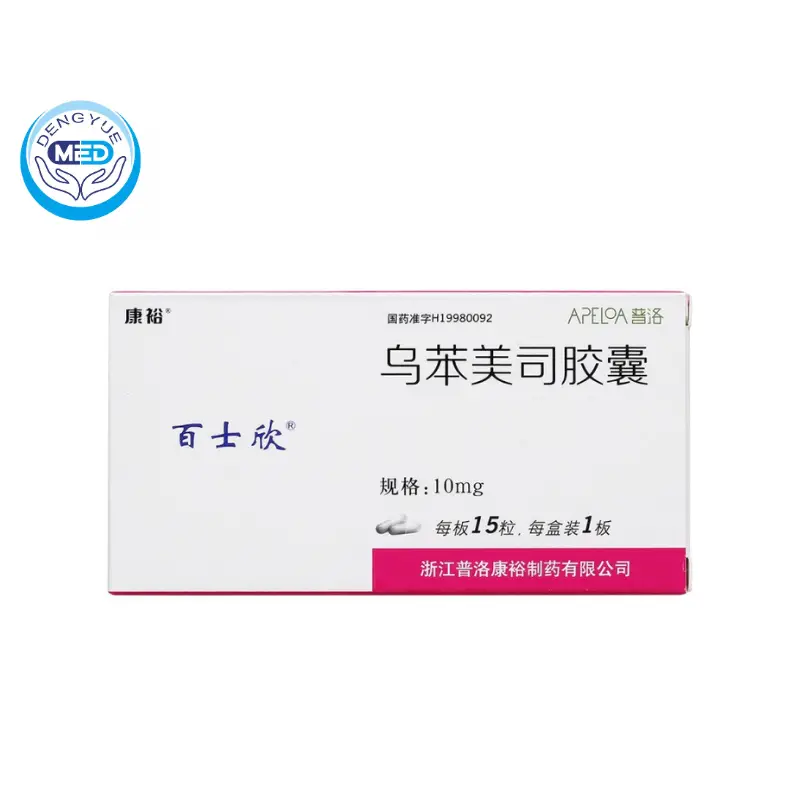
Ubenimex Capsules|Enhancement of immune function
-

Nusinersen Injection – Spinal Muscular Atrophy
-
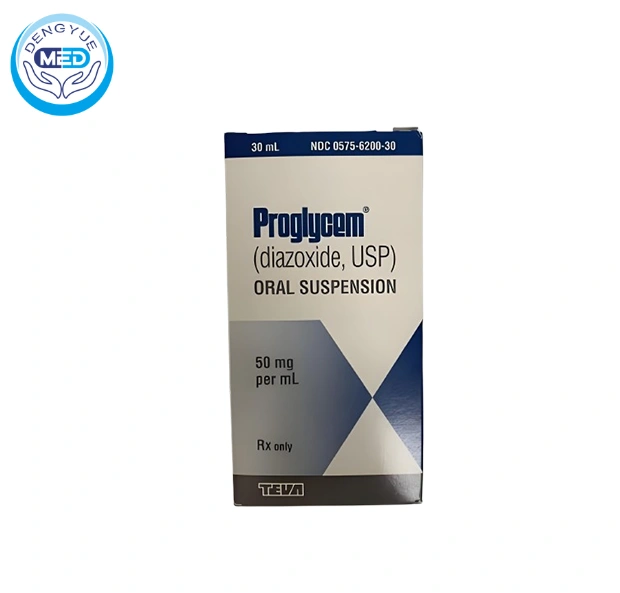
Proglycem Diazoxide | Hyperinsulinemic Hypoglycemia | DengYueMedicine
-
Marinolone Urea Ointment | Chapped Hands And Feet | HK DengYueMedicine
-
Obizur Susoctocog Alfa | Acquired Haemophilia | HK DengYueMed
-
Hydroxycarbamide Tablets | Treatment of Leukemia
-
Agalsidase Alfa | Anti Fabry Disease
-

Syprine Trientine Hydrochloride Tablets | Wilson’s Disease | DengYueMedicine

Reviews
There are no reviews yet.