
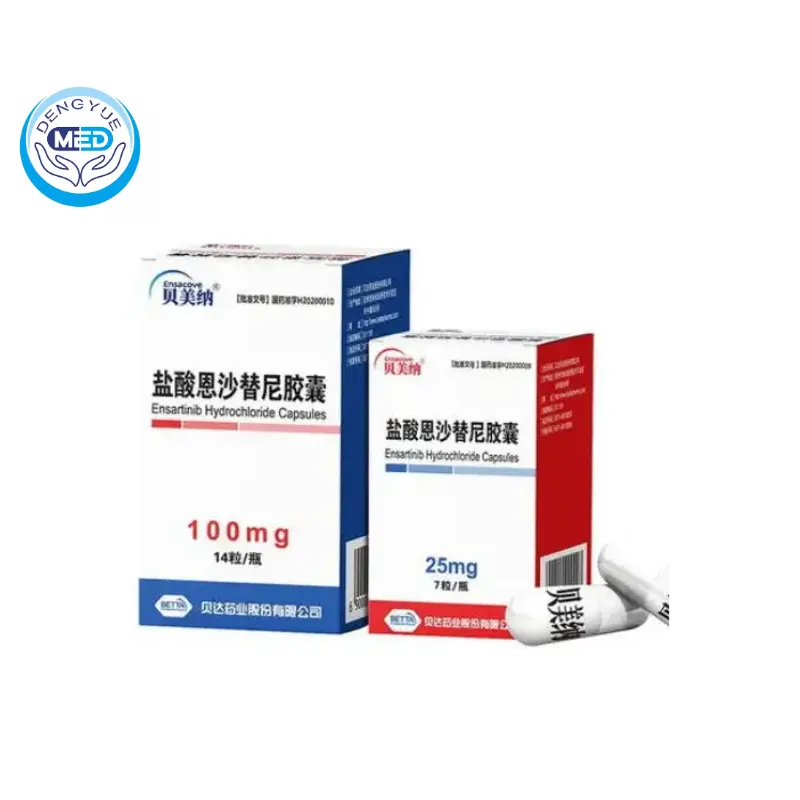
Ensacove (Ensartinib Hydrochloride Capsules) – Lung Cancer | HongKong DengYue Medicine
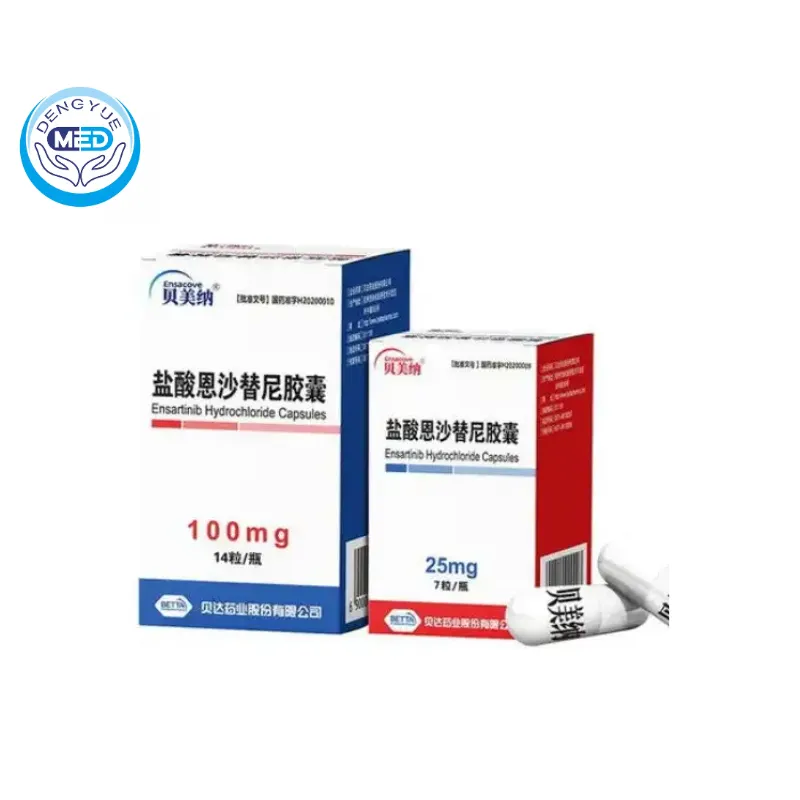
- Generic Name/Brand Name: Ensartinib Hydrochloride Capsules Ensacove
- Indications: Lung Cancer, New and Special Drug
- Dosage Form: Capsules
- Specification: 100mg x 14 capsules
Ensacove Ensartinib Hydrochloride Capsules Application Scope
Treatment of adult patients with ALK‑positive, locally advanced or metastatic non‑small cell lung cancer (NSCLC), including both treatment-naïve (first-line) and those previously treated or intolerant to crizotinib.
Ensacove Ensartinib Hydrochloride Capsules Characteristics
-
Ingredients: Active: ensartinib hydrochloride (aminopyridazine-based ALK TKI)
-
Excipients: microcrystalline cellulose, stearic acid; hypromellose, titanium dioxide, and colorants including FD&C Yellow No.5
-
Properties: Oral small-molecule tyrosine kinase inhibitor targeting ALK (also ROS1, MET, EphA2)
-
Packaging Specification: Hard capsules, available in 25 mg and 100 mg strengths
-
Storage: Store at controlled room temperature (≤ 25 °C), avoid moisture
-
Expiry Date: As per printed packaging; shelf life determined per batch
-
Executive Standard: Meets requirements for prescription oncology drugs in China and US labeling standards
-
Approval Number: NMPA: H20200009 (25 mg) & H20200010 (100 mg); first approved November 19, 2020 for ALK‑positive NSCLC after crizotinib failure
-
FDA: NDA 218171 approved December 18, 2024 for first-line use in ALK-positive advanced/metastatic NSCLC
-
Date of Revision: Most label revisions follow FDA approval in December 2024; NMPA first-line addition in March 2022
-
Manufacturer: Betta Pharmaceuticals Co., Ltd. / Xcovery, Inc. (US)
Guidelines for the Use of Ensartinib Hydrochloride Capsules
-
Dosage and Administration:
-
Recommended Dose: 80 mg administered subcutaneously once every 4 weeks.
-
Administration: Administer via subcutaneous injection using the single-dose autoinjector.
-
Missed Dose: If a dose is missed, administer as soon as possible. Resume monthly dosing from the date of the most recently administered dose.
-
-
Adverse Reactions:
-
Common Adverse Reactions (≥5% and >3% higher than placebo):
-
Injection site reactions (19%)
-
Decreased platelet count (12%)
-
Arthralgia (9%)
-
-
Serious Adverse Reactions:
-
Hypersensitivity reactions, including bronchospasm, diffuse erythema, facial swelling, urticaria, chills, and myalgias.
-
-
-
Contraindications:Patients with a history of serious hypersensitivity to olezarsen or any of the excipients in TRYNGOLZA.
-
Precautions:
-
Hypersensitivity Reactions: Monitor patients for signs and symptoms. Discontinue use if reactions occur.
-
Platelet Count Monitoring: Monitor platelet counts during treatment.
-
Pregnancy and Lactation: Advise patients to inform their healthcare provider if they are pregnant, plan to become pregnant, are breastfeeding, or plan to breastfeed.
-
Drug Interactions
Metabolized primarily by CYP3A4: avoid or adjust when co-administered with strong CYP3A4 inhibitors or inducers
Note:
- If there is a new packaging for the drug, the new packaging shall prevail. The above information is sourced from DengYue Medicine.
- This content is for reference only. Prescription drugs must be used under a doctor’s guidance and purchased from authorized sources.
Related products
-

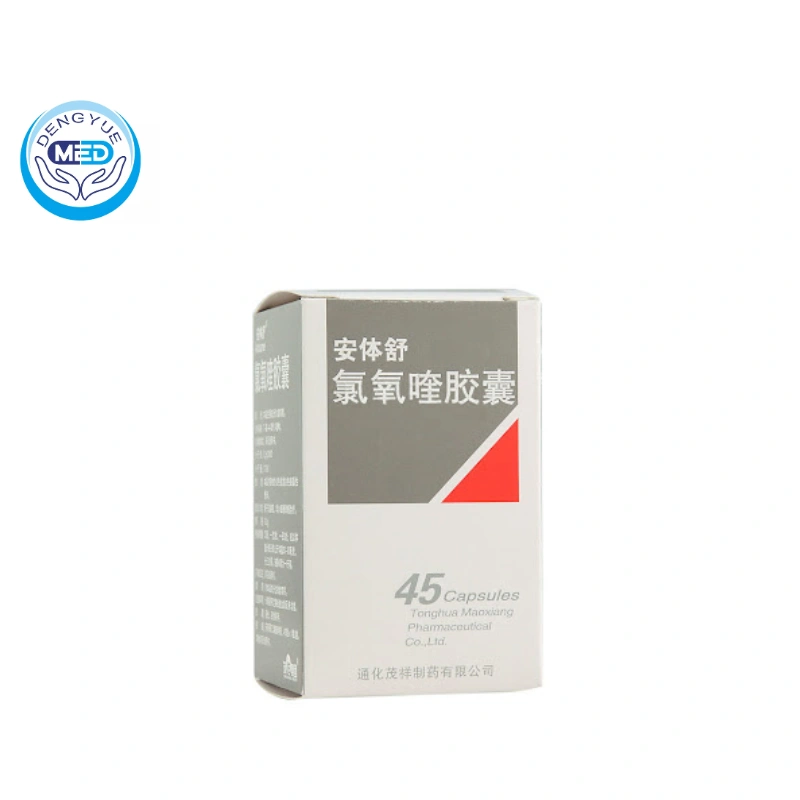
Chloroxoquinoline Capsules | Lung Cancer
-
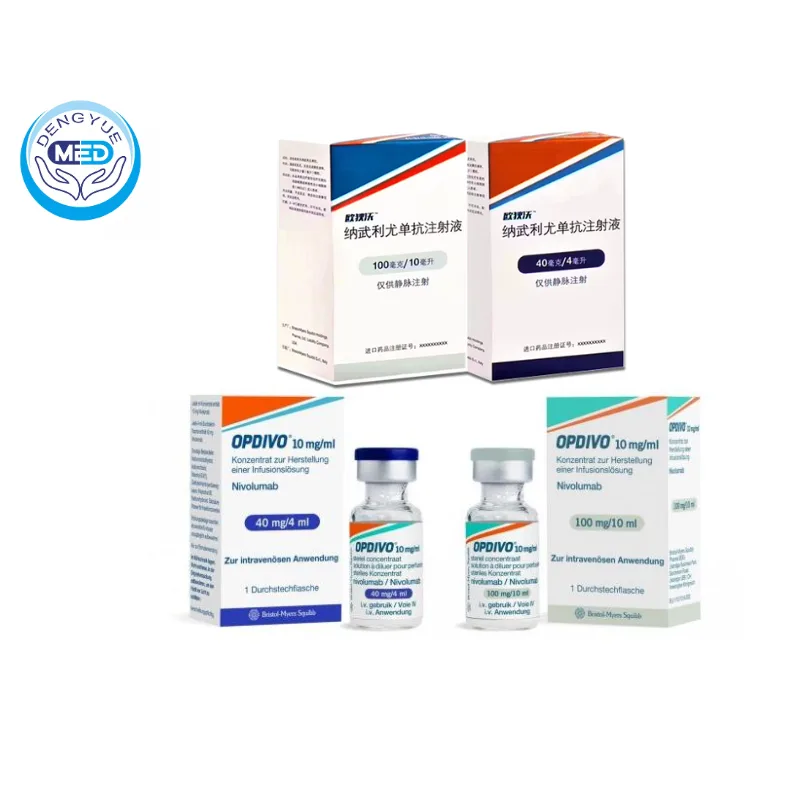
Opdivo (Nivolumab) – NSCLC | HongKong DengYue Medicine
-
Tetrandrine Tablets | Anti Rheumatism | Lung Cancer
-
Encorafenib|Non-Small Cell Lung Cancer|HongKong DengYue Medicine
-
Repotrectinib NTRK | Non-small Cell Lung Cancer
-
Adagrasib Tablets | Lung Cancer | HK DengYueMed
-
Zykadia (Ceritinib) – NSCLC | HongKong DengYue Medicine
-
Lazertinib | Non-Small Cell Lung Cancer | HongKong DengYue Medicine

Reviews
There are no reviews yet.