
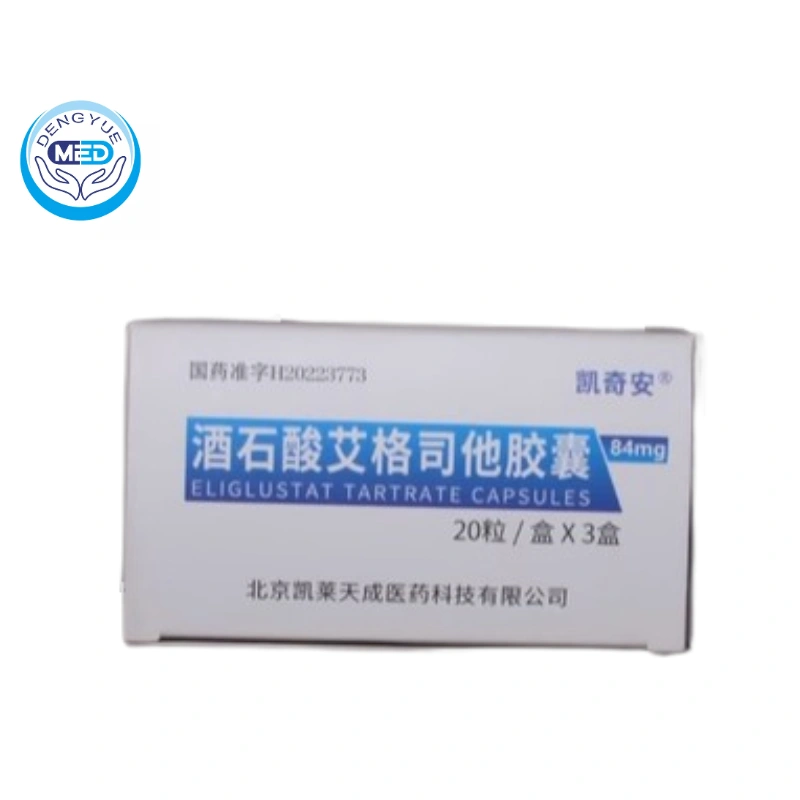
Eliglustat Tartrate Capsules | Type 1 Gaucher Disease | DengYueMed
- Generic Name/Brand Name: Eliglustat Tartrate/ KaiQiAn
- Indications: Type 1 Gaucher disease
- Dosage Form: Oral capsules
- Specification: 84 mg and 100 mg
Eliglustat Tartrate Capsules Application Scope
Eliglustat is used to treat type 1 Gaucher disease, a rare genetic disorder caused by a deficiency in the enzyme glucocerebrosidase, leading to the accumulation of glucocerebroside in various organs such as the spleen, liver, and bone marrow.
Eliglustat is an oral medication that works by inhibiting glucosylceramide synthase, which helps reduce the buildup of glucocerebroside. It is used as a long-term treatment option to manage symptoms and improve quality of life for patients with type 1 Gaucher disease.
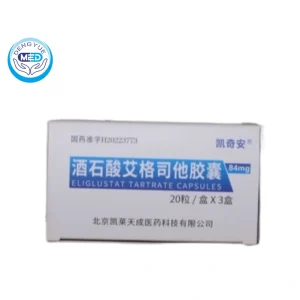
Eliglustat Tartrate Capsules Characteristics
- Ingredients:
- Active ingredient: Eliglustat tartrate
- Excipients: Includes stabilizers and inactive ingredients specific to the formulation.
- Properties:Eliglustat is a glucosylceramide synthase inhibitor. It works by reducing the production of glucosylceramide, a lipid that accumulates in cells due to the enzyme deficiency in Gaucher disease. By reducing its accumulation, Eliglustat helps to improve organ function and reduce symptoms of the disease, such as splenomegaly, hepatomegaly, and bone pain.
- Specification:
- Formulation: Oral capsules
- Strength: Available in 84 mg and 100 mg capsules.
- Storage:Store at room temperature, between 15°C and 30°C, in a dry place, and protect from moisture.
- Expiry Date:Typically 24 months from the manufacturing date (check packaging for specific expiry dates).
- Executive Standard:Meets FDA or other relevant regulatory body standards for pharmaceutical products.
- Approval Number:Specific approval number from FDA or other health authorities.
- Manufacturer:e.g., Sanofi Genzyme.
Guidelines For The Use Of Eliglustat Tartrate Capsules
Dosage and Administration:
- Adults: The recommended dose is usually 84 mg or 100 mg once daily, depending on the patient’s CYP2D6 genotype and CYP3A4 inhibitor use.
- The dose should be adjusted if the patient is taking strong CYP2D6 inhibitors or has moderate hepatic impairment.
Adverse Reactions:
- Common side effects include diarrhea, nausea, fatigue, and headache.
- Serious side effects may include heart rhythm problems, severe liver enzyme elevations, or low platelet counts.
Medication Limitations
Contraindications:
- Hypersensitivity to Eliglustat or any of its components.
- Moderate to severe liver impairment (use with caution in patients with mild liver impairment).
- Strong CYP2D6 inhibitors should be avoided or monitored carefully during treatment.
Precautions:
- Monitor liver function and blood counts regularly.
- Caution should be exercised in patients with cardiovascular disease or who are on other drugs that affect heart rhythms.
Eliglustat Tartrate Capsules Injection Interactions
Drug Interactions:
- Eliglustat may interact with CYP2D6 inhibitors (e.g., fluoxetine, paroxetine) and CYP3A4 inhibitors (e.g., ketoconazole, itraconazole), requiring dose adjustments.
- Use caution when combined with other medications that may affect liver function or heart rhythm.
Note:
- If there is a new packaging for the drug, the new packaging shall prevail. The above information is sourced from HongKong DengYue Medicine, China Drug Import and Export Wholesaler.
It is only for internal discussion among medical staff and does not serve as a basis for medication. For specific medication guidelines, please consult the attending physician.
Contact Us
Related products
-

Carbaglu Carglumic Acid | Urea Cycle Disorders | HK DengYueMedicine
-
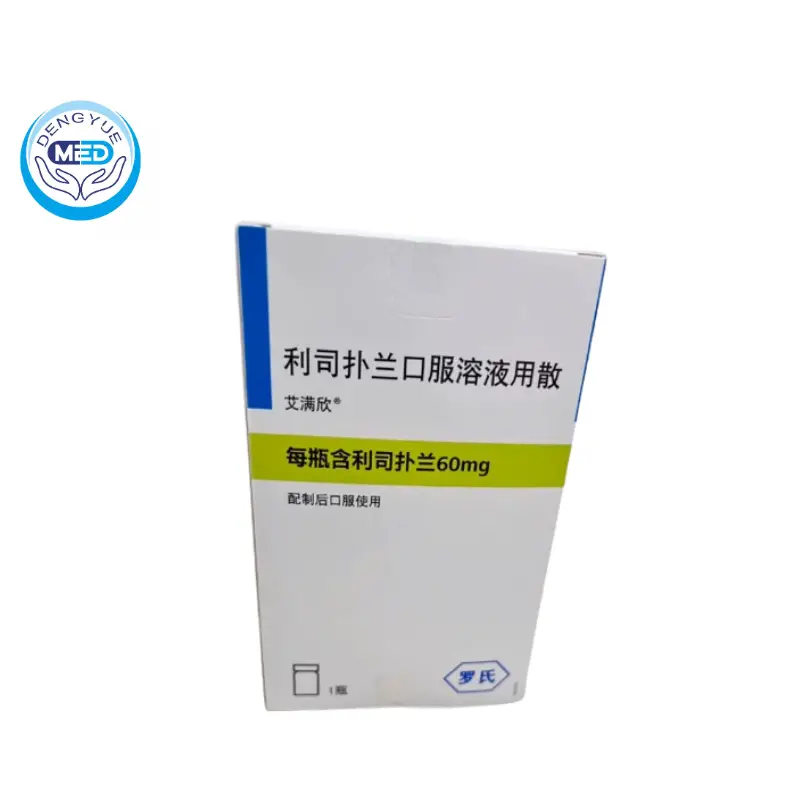
Risdiplam Oral Solution For Spinal Muscular Atrophy
-
Vimizim Elosulfase Alpha | Mucopolysaccharidosis Type IV
-
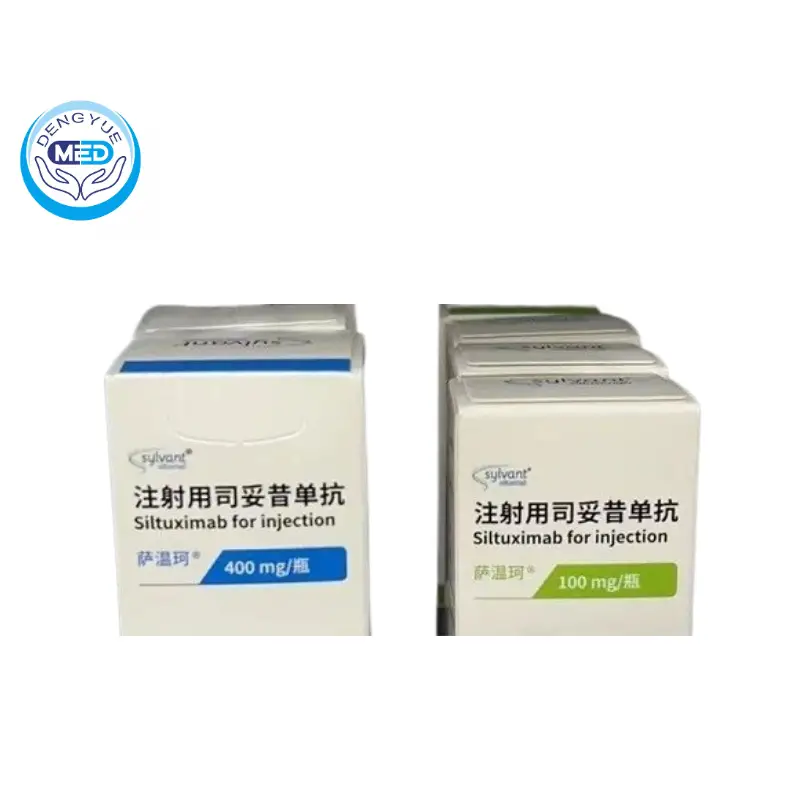
Siltuximab For Injection | Castleman’s Disease
-
Agalsidase Alfa | Anti Fabry Disease
-
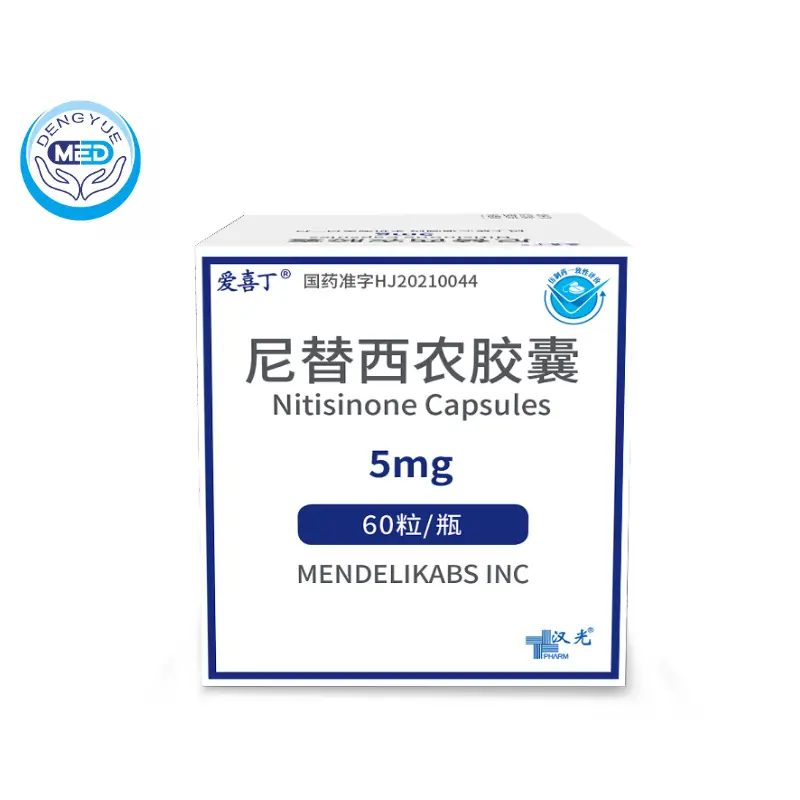
Nitisinone Capsules | Hereditary Tyrosinemia Type 1
-

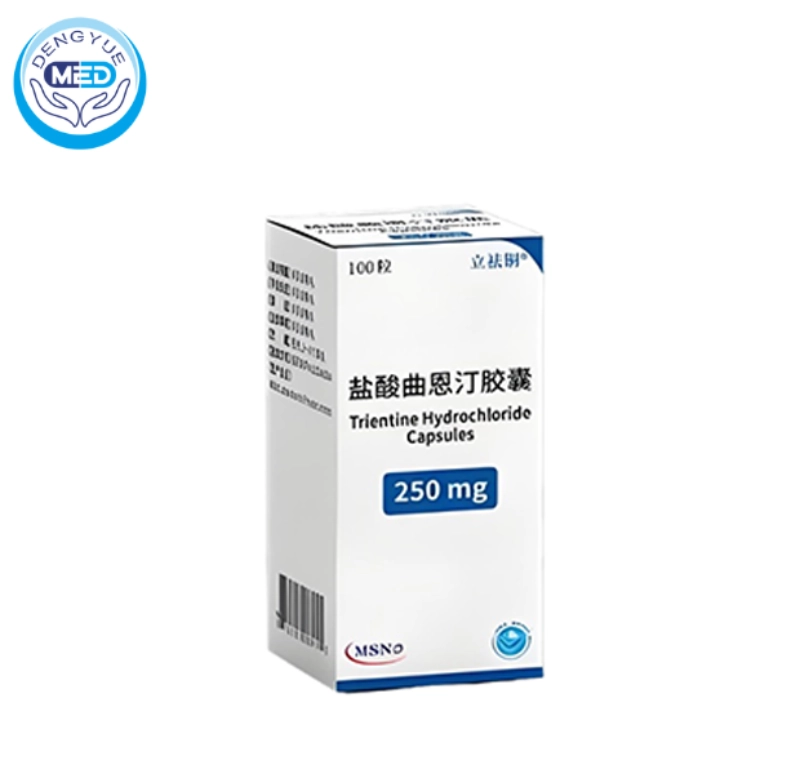
Syprine Trientine Hydrochloride Tablets | Wilson’s Disease | DengYueMedicine
-
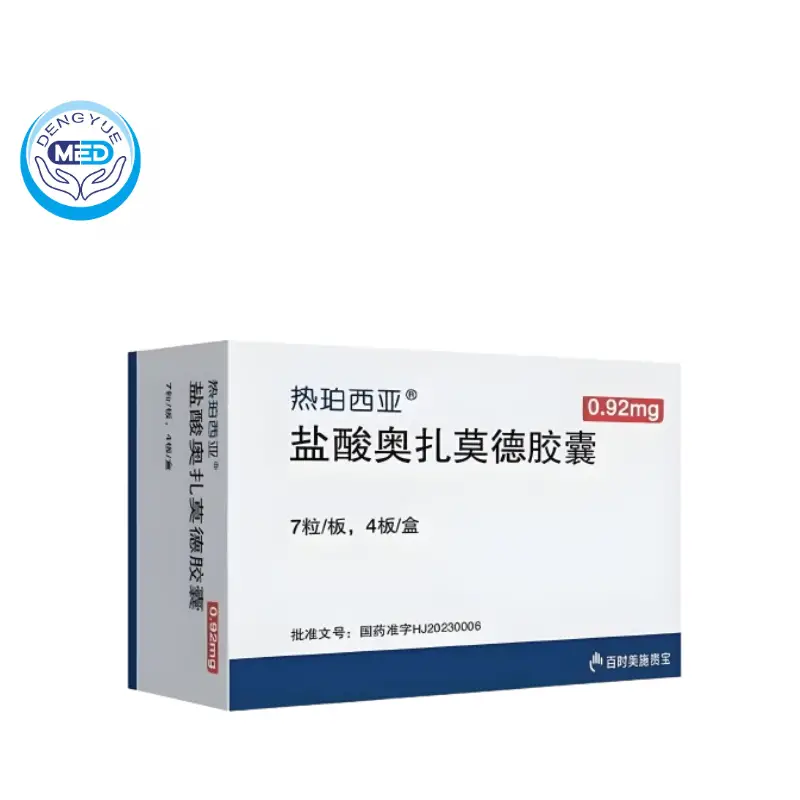
Ozamode/Ozanimod Hydrochloride Capsules

.webp "Vimizim Elosulfase Alpha | Mucopolysaccharidosis Type IV")

Reviews
There are no reviews yet.