
Deflazacort|Inflammatory|HongKong DengYue Medicine
- Generic Name/Brand Name: Deflazacort/Calcort
- Indications: Inflammatory
- Dosage Form: Oral tablets and oral suspension.
- Specification: Tablets available in 6 mg, 18 mg, 30 mg, and 36 mg strengths.
Deflazacort Application Scope
Deflazacort is a corticosteroid used to treat various conditions, including:
-
Duchenne Muscular Dystrophy (DMD)
-
Inflammatory and autoimmune disorders
-
Allergic reactions
-
Certain cancers
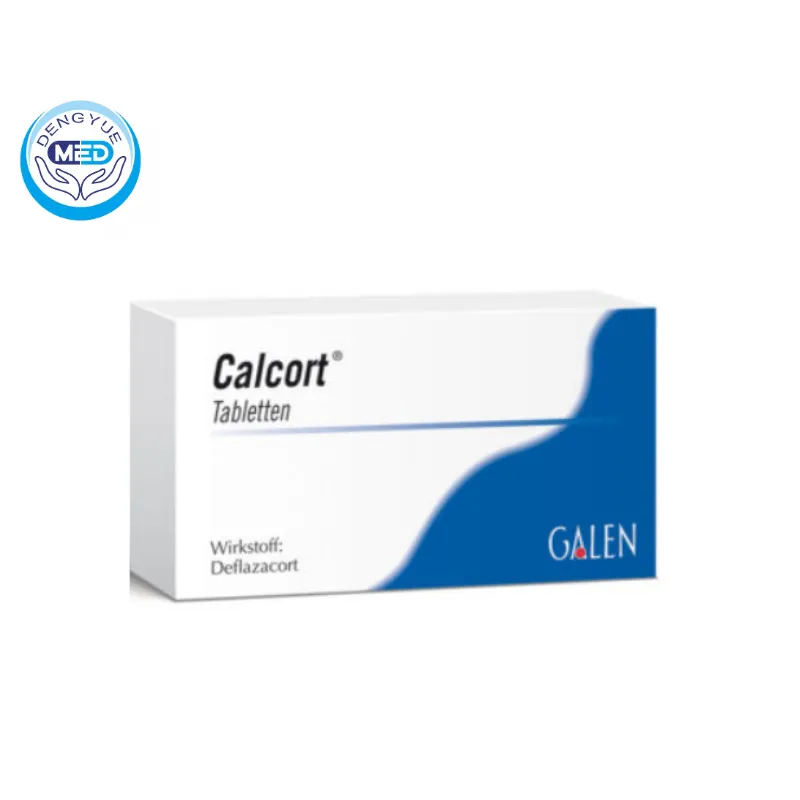
Deflazacort Characteristics
Ingredients
-
Active Ingredient: Deflazacort
-
Inactive Ingredients: Vary by manufacturer; consult specific product labeling for details
Properties
-
Class: Glucocorticoid
-
Mechanism of Action: Anti-inflammatory and immunosuppressive effects
Packaging Specification
-
Tablets: Packaged in blister packs or bottles
-
Oral Suspension: Supplied in bottles with dosing syringe
Storage
-
Store at room temperature, away from moisture and heat.
-
Keep the medication in its original container, tightly closed, and out of reach of children.
-
Dispose of any unused suspension after 1 month.
Expiry Date
-
Refer to the packaging for the expiration date.
Executive Standard
-
Complies with regulatory standards set by health authorities; specific standards may vary by country.
Approval Number
-
Varies by country and regulatory agency; consult local regulatory resources for specific approval numbers.
Date of Revision
-
Refer to the latest prescribing information or package insert for the date of the most recent revision.
Manufacturer
-
Multiple manufacturers produce Deflazacort; refer to the product packaging for specific manufacturer information.
Guidelines for the Use of Deflazacort
Dosage and Administration
-
General Administration: Administer with or without food.
-
Tablets: Can be swallowed whole or crushed and mixed with applesauce; consume immediately.
-
Oral Suspension: Shake well before use; measure with provided dosing syringe; mix with juice (excluding grapefruit juice) or milk and consume immediately.
-
Dosage Adjustments: When used with moderate or strong CYP3A4 inhibitors, reduce the Deflazacort dose to one-third of the recommended dosage.
Adverse Reactions
Common side effects include:
-
Increased appetite
-
Weight gain
-
Increased body hair growth
-
Sleep disturbances
-
Cold-like symptoms
-
Frequent urination
-
Changes in body fat distribution
Serious side effects may include:
-
Severe allergic reactions
-
Adrenal insufficiency
-
Cushing’s syndrome
-
High blood sugar
-
High blood pressure
-
Mood changes
-
Osteoporosis
-
Vision problems
-
Severe skin reactions
-
Slowed growth in children
-
Muscle problems
-
Blood clots
Contraindications
-
Known hypersensitivity to Deflazacort or any of its components.
Precautions
-
Avoid live vaccines during treatment and for at least 4 to 6 weeks before starting Deflazacort.
-
Monitor for signs of infection; Deflazacort may suppress immune response.
-
Use caution in patients with a history of gastrointestinal ulcers or other digestive issues.
-
Long-term use may lead to osteoporosis; monitor bone density.
-
May cause mood or behavioral changes; monitor patients for psychiatric symptoms.
-
Regular eye examinations are recommended during prolonged therapy.
Deflazacort Interactions
Drug Interactions
-
CYP3A4 Inhibitors: Drugs like clarithromycin, fluconazole, diltiazem, verapamil, and grapefruit juice can increase Deflazacort levels; dose adjustment may be necessary.
-
CYP3A4 Inducers: Drugs like rifampin, carbamazepine, and phenytoin can decrease Deflazacort efficacy; concurrent use is not recommended.
-
Neuromuscular Blockers: Concurrent use may increase the risk of acute myopathy.
Note:
- If there is a new packaging for the drug, the new packaging shall prevail. The above information is sourced from DengYue Medicine.
- It is only for internal discussion among medical staff and does not serve as a basis for medication. For specific medication guidelines, please consult the attending physician.
Related products
-

Thymalfasin for Injection – Adjuvant for Influenza Vaccine
-
Nitisinone Capsules | Hereditary Tyrosinemia Type 1
-
Siltuximab For Injection | Castleman’s Disease
-
Tetrabenazine Tablets | Huntington’s Disease | DengYueMedicine
-

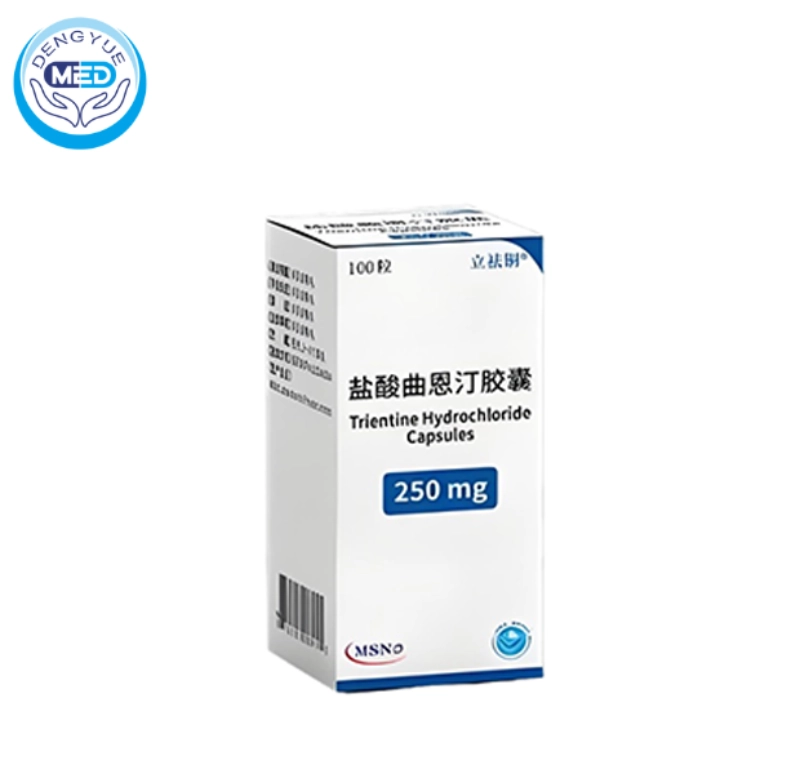
Syprine Trientine Hydrochloride Tablets | Wilson’s Disease | DengYueMedicine
-
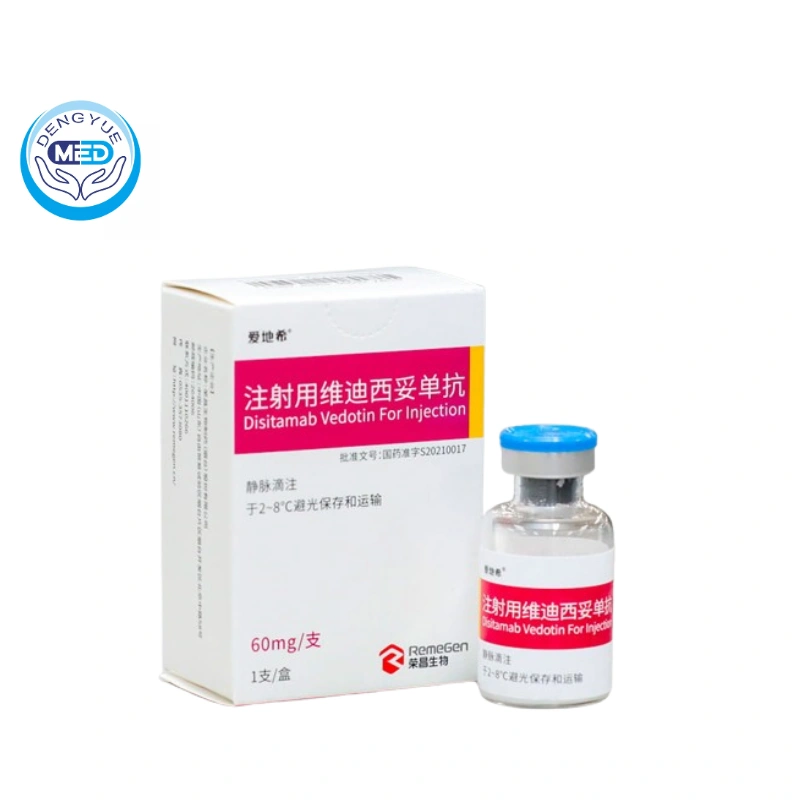
Aidixi Disitamab Vedotin Of Injection | HER2-Overexpressing | DengYueMedicine
-
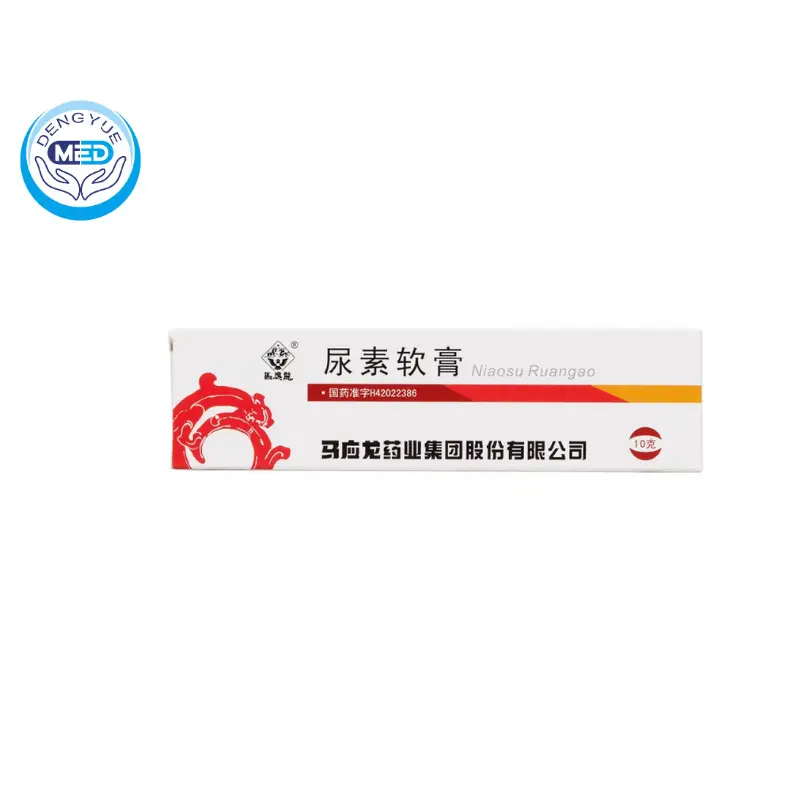
Marinolone Urea Ointment | Chapped Hands And Feet | HK DengYueMedicine
-
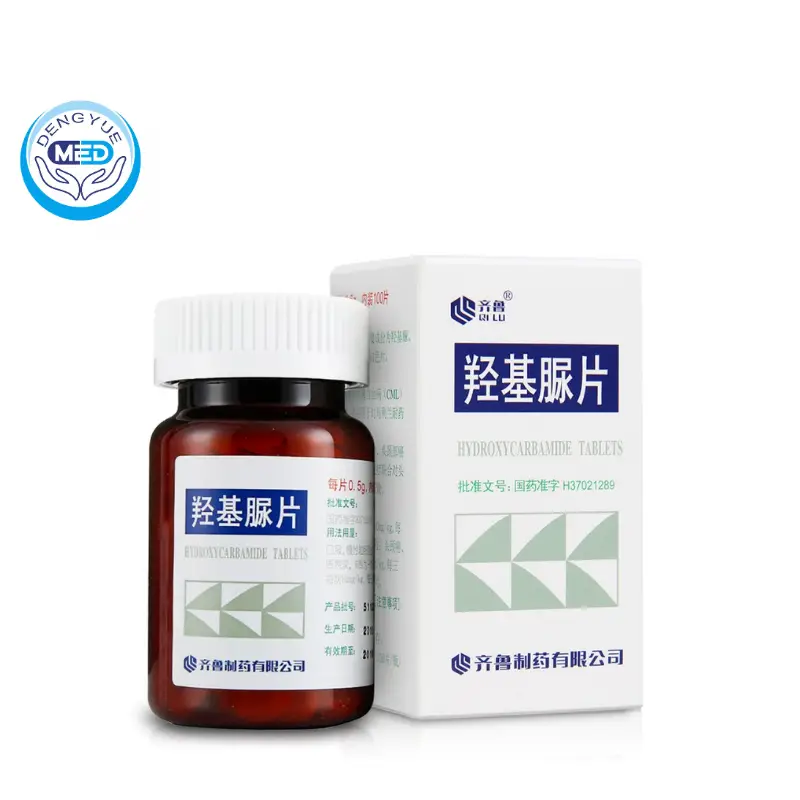
Hydroxycarbamide Tablets | Treatment of Leukemia

Reviews
There are no reviews yet.