
Cyramza (Ramucirumab) – NSCLC | HongKong DengYue Medicine
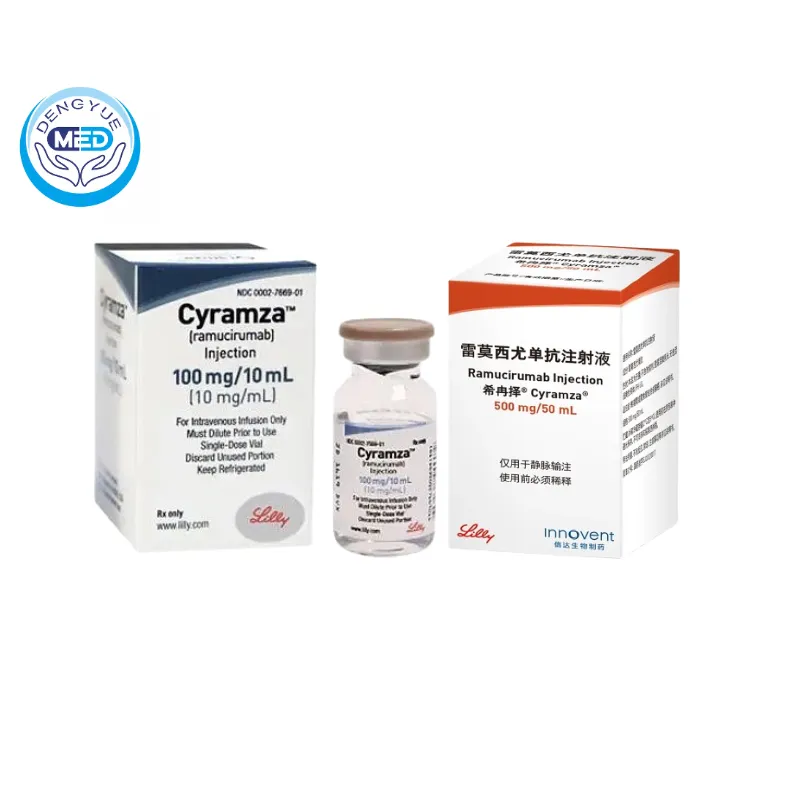
- Generic Name/Brand Name: Ramucirumab/Cyramza
- Indications: GEJ; NSCLC; CRC; HCC
- Dosage Form: Solution for intravenous infusion
- Specification: 100 mg or 500 mg × 1 vial
Ramucirumab Application Scope
Ramucirumab is indicated for the treatment of advanced or metastatic cancers, including gastric or gastroesophageal junction adenocarcinoma, non-small cell lung cancer (NSCLC), colorectal cancer, and hepatocellular carcinoma (HCC), either as monotherapy or in combination with other chemotherapeutic agents.
Ramucirumab Characteristics
-
Ingredients: Ramucirumab (a human IgG1 monoclonal antibody)
-
Properties: Ramucirumab is a vascular endothelial growth factor receptor 2 (VEGFR2) antagonist. It specifically binds to the extracellular domain of VEGFR2 and blocks the binding of VEGF ligands (VEGF-A, VEGF-C, and VEGF-D), thereby inhibiting ligand-induced activation of VEGFR2. This prevents angiogenesis (formation of new blood vessels) which is essential for tumor growth.
-
Packaging Specification: Typically supplied as vials containing a solution for intravenous infusion, e.g., 100 mg/10 mL or 500 mg/50 mL.
-
Storage: Store vials in a refrigerator at 2°C to 8°C (36°F to 46°F). Protect from light (keep the vial in the outer carton). Do not freeze.
-
Expiry Date: Varies by batch. Check the packaging for the specific expiry date.
-
Executive Standard: Determined by the regulatory authority of the country of sale.
-
Approval Number: Determined by the regulatory authority of the country of sale.
-
Date of Revision: Varies by region and regulatory updates.
-
Manufacturer: Typically Eli Lilly and Company.
Guidelines for the Use of Ramucirumab
-
Dosage and Administration:
-
Recommended Dose: Typically 8 mg/kg every 2 weeks, depending on indication and combination regimen.
-
Administration: Infuse intravenously over approximately 60 minutes. Do not administer as an intravenous push or bolus. Premedication with an antihistamine is recommended.
-
Missed Dose: Consult with the prescribing physician. If a planned dose is missed, administer the dose as soon as possible and resume the regular dosing schedule.
-
-
Adverse Reactions:
-
Common Adverse Reactions: Fatigue/Asthenia, Neutropenia, Diarrhea, Epistaxis (nosebleeds), Hypertension, Stomatitis (mouth sores), Proteinuria (protein in urine), Peripheral Edema, Thrombocytopenia, Hypoalbuminemia.
-
Serious Adverse Reactions: Arterial Thromboembolic Events (e.g., myocardial infarction, stroke), Gastrointestinal Perforation, Severe Hemorrhage (including GI hemorrhage, sometimes fatal), Infusion-Related Reactions, Severe Hypertension, Impaired Wound Healing, Reversible Posterior Leukoencephalopathy Syndrome (RPLS), and Clinical Deterioration in patients with Child-Pugh B or C cirrhosis.
-
-
Contraindications: Generally, there are no absolute contraindications listed on the label for Ramucirumab. However, it should be permanently discontinued in patients who experience a severe Arterial Thromboembolic Event, Gastrointestinal Perforation, or Grade 3/4 Hemorrhage.
-
Precautions:
- Monitor blood pressure regularly. Use caution in patients with a history of bleeding, thrombosis, or impaired wound healing. Avoid use during pregnancy and breastfeeding unless clearly needed.
Ramucirumab Interactions
- The risk or severity of adverse effects (e.g., hemorrhage, gastrointestinal perforation, ATEs) can be increased when Ramucirumab is combined with other antiangiogenic agents or certain other drugs. Concurrent use of NSAIDs may increase the risk of gastric hemorrhage in patients with gastric tumors.
Note:
- If there is a new packaging for the drug, the new packaging shall prevail. The above information is sourced from DengYue Medicine.
- This content is for reference only. Prescription drugs must be used under a doctor’s guidance and purchased from authorized sources.
Related products
-

Ensartinib | Non-small Cell Lung Cancer | HongKong DengYue Medicine
-
Lazertinib | Non-Small Cell Lung Cancer | HongKong DengYue Medicine
-
Chloroxoquinoline Capsules | Lung Cancer
-
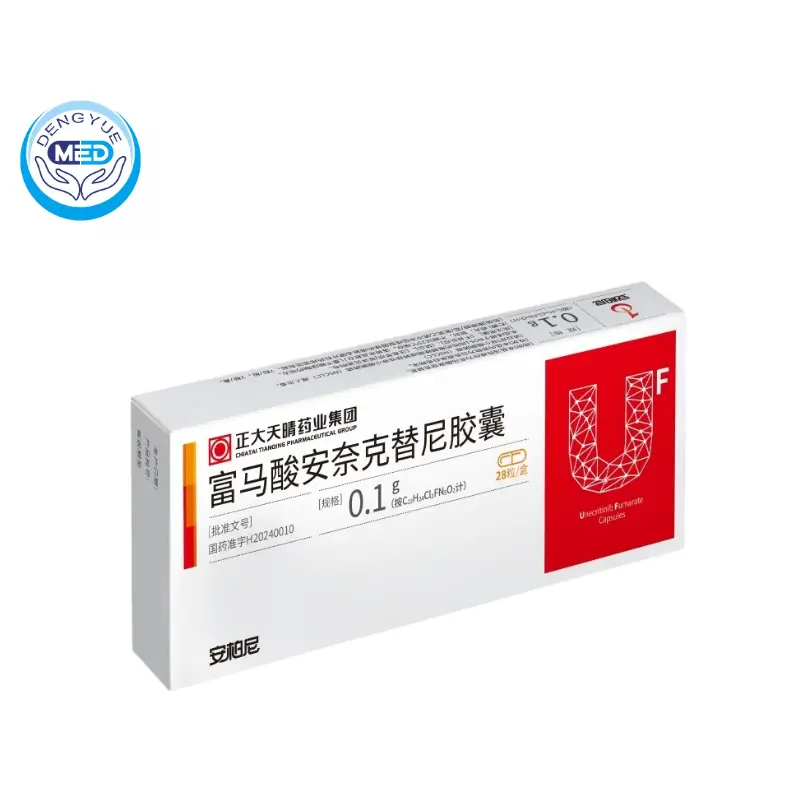
Unecritinib Fumarate Capsules | Lung Cancer
-
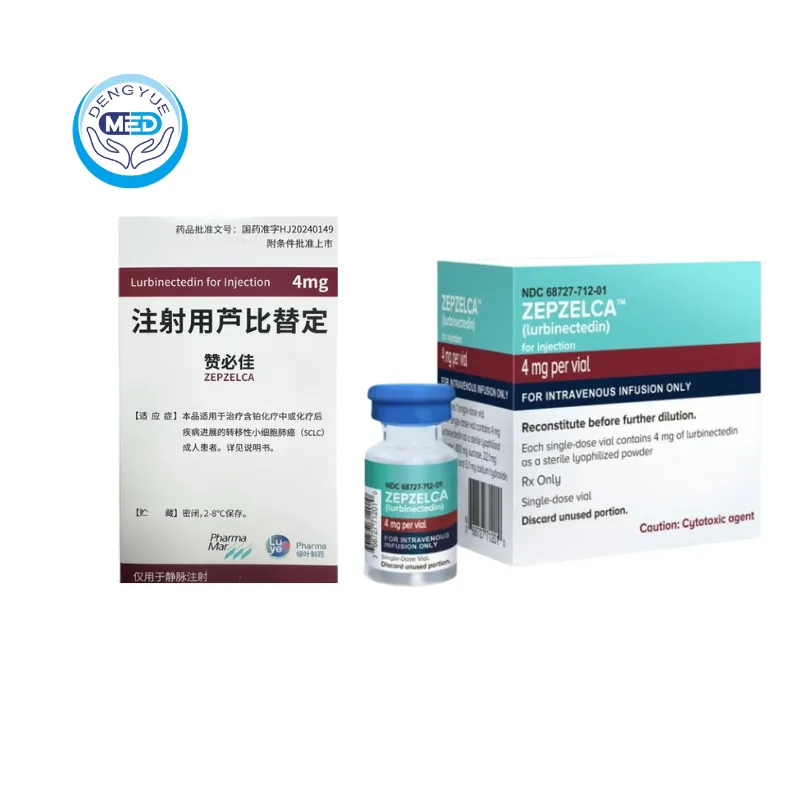
Zepzalca (Lurbinectedin) – NSCLC|HongKong DengYue Medicine
-
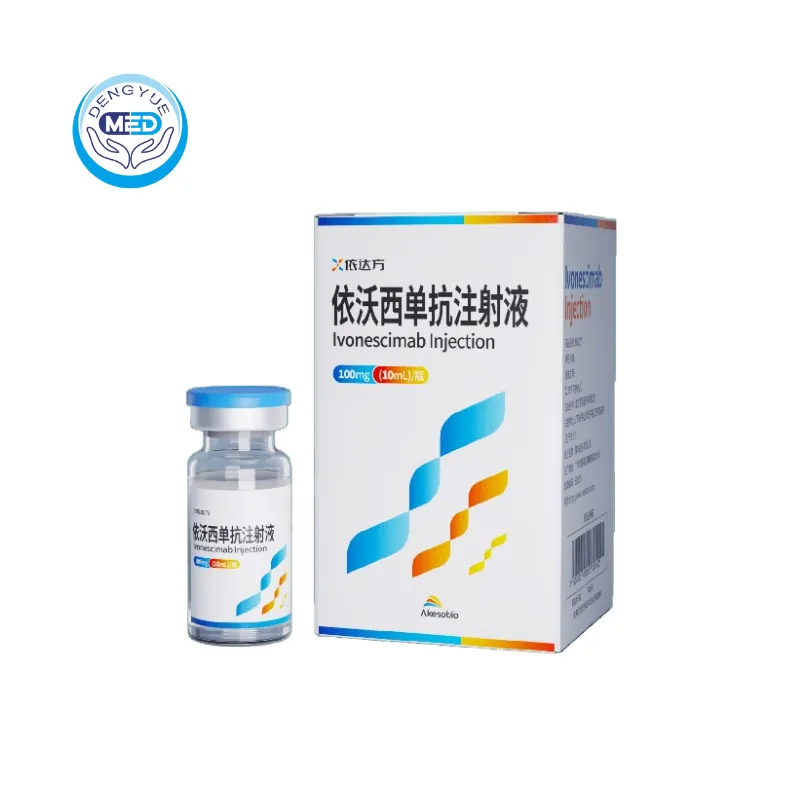
Yidafang (Ivonescimab) – NSCLC | HongKong DengYue Medicine
-
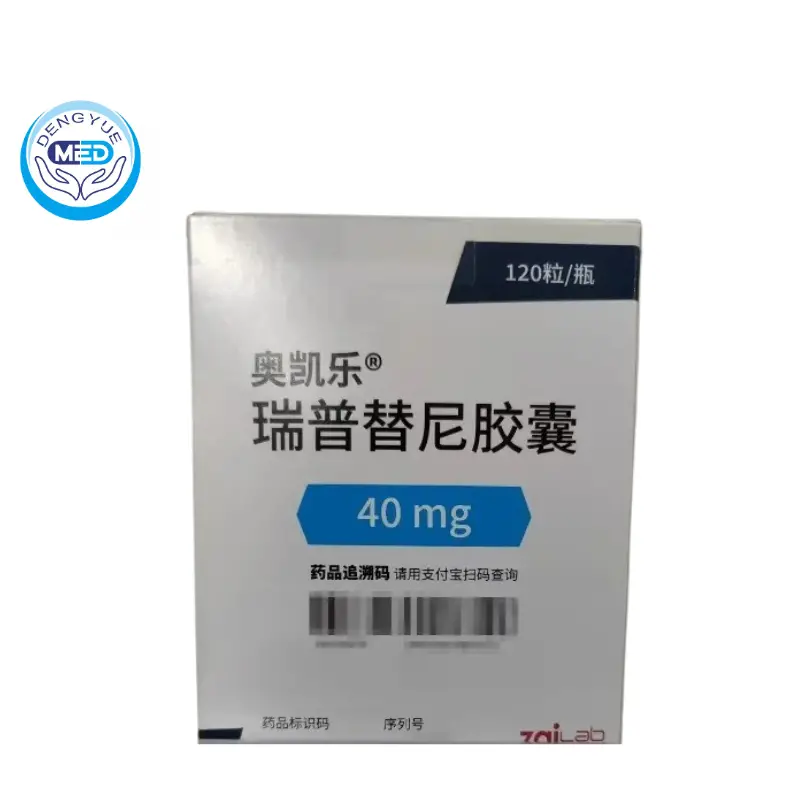
Repotrectinib NTRK | Non-small Cell Lung Cancer
-
Tetrandrine Tablets | Anti Rheumatism | Lung Cancer

Reviews
There are no reviews yet.