
Crinecerfont|Congenital Adrenal Hyperplasia|HongKong DengYue Medicine
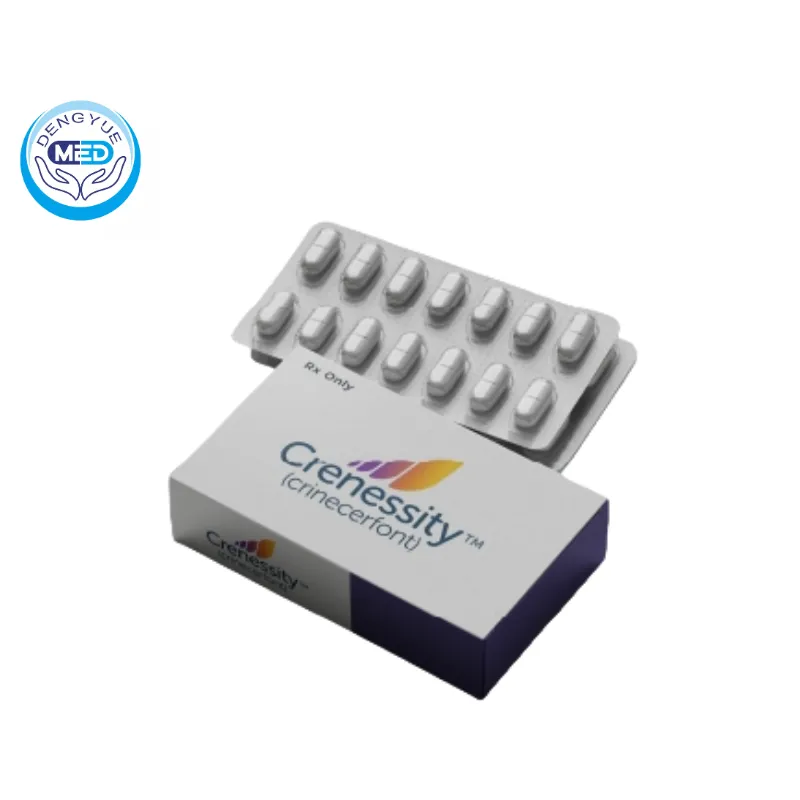
- Generic Name / Brand Name: Crinecerfont / Crenessity
- Indications: Congenital Adrenal Hyperplasia
- Dosage Form: Capsules
- Specification: 25 mg, 50 mg, 100 mg
Crinecerfont Application Scope
Indications: Adjunctive treatment to glucocorticoid replacement to control androgens in adults and children aged 4 years and older with classic congenital adrenal hyperplasia (CAH) due to 21-hydroxylase deficiency.
Crinecerfont Characteristics
-
Ingredients: Active ingredient: Crinecerfont; excipients include components of soft gelatin capsules or oral solution formulation.
-
Properties: Selective corticotropin-releasing factor type 1 (CRF1) receptor antagonist; reduces excessive adrenocorticotropic hormone (ACTH) secretion from the pituitary gland .
-
Specification: Available as:
-
Capsules: 25 mg, 50 mg, 100 mg
-
Oral solution: 50 mg/mL .
-
-
Packaging Specification:
-
25 mg capsules: 60-count bottle
-
50 mg capsules: 60-count bottle
-
100 mg capsules: 30-count bottle
-
Oral solution: 30 mL bottle .
-
-
Storage:
-
Capsules: Store at 15°C to 25°C (59°F to 77°F).
-
Oral solution: Store refrigerated at 2°C to 8°C (36°F to 46°F). Once opened, may be stored at room temperature (15°C to 25°C) or refrigerated for up to 30 days .
-
-
Expiry Date:
-
Capsules: 15 months from the date of manufacture.
-
Oral solution: 18 months from the date of manufacture .
-
-
Executive Standard: Approved by the U.S. Food and Drug Administration (FDA) under NDA numbers 218808 and 218820 .
-
Approval Number: NDA 218808 (capsules), NDA 218820 (oral solution) .
-
Date of Revision: December 2024.
-
Manufacturer: Neurocrine Biosciences, Inc.
Guidelines for the Use of Crinecerfont
-
Dosage and Administration:
-
Adults: 100 mg orally twice daily with morning and evening meals.
-
Pediatric patients (≥4 years): Dosage is weight-based; refer to prescribing information for specific dosing guidelines .
-
-
Adverse Reactions:
-
Adults: Common adverse reactions include fatigue, headache, dizziness, arthralgia, back pain, decreased appetite, and myalgia .
-
Pediatric patients: Common adverse reactions include headache, abdominal pain, fatigue, nasal congestion, and epistaxis .
-
-
Contraindications: Hypersensitivity to crinecerfont or any excipients in the formulation. Reactions have included throat tightness, angioedema, and generalized rash .
-
Precautions:
-
Monitor for signs of adrenal insufficiency, especially during periods of stress or illness.
-
Adjust glucocorticoid dosing as needed during treatment.
-
Use caution in patients with hepatic impairment; no dosage adjustment is necessary, but monitor for adverse effects .
-
Crinecerfont Interactions
-
Drug Interactions: Crinecerfont has moderate interactions with at least 187 other drugs. No severe or serious interactions have been reported, but patients should inform healthcare providers of all medications they are taking .
Note:
- If there is a new packaging for the drug, the new packaging shall prevail. The above information is sourced from DengYue Medicine.
- It is only for internal discussion among medical staff and does not serve as a basis for medication. For specific medication guidelines, please consult the attending physician.
Related products
-

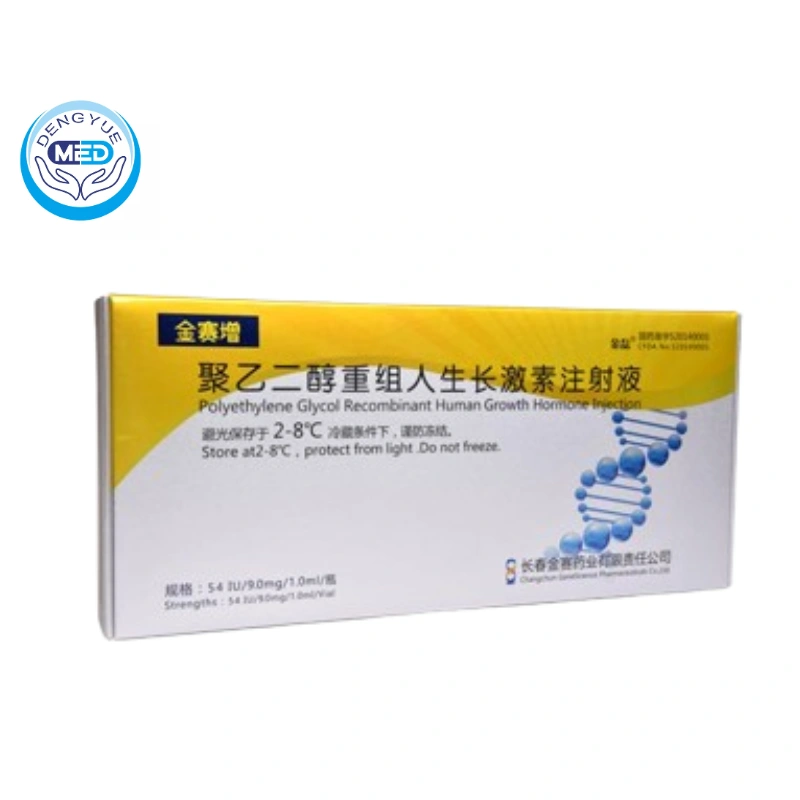
Recombinant Human Somatropin | Growth Hormone Deficiency | DengYueMedicine
-
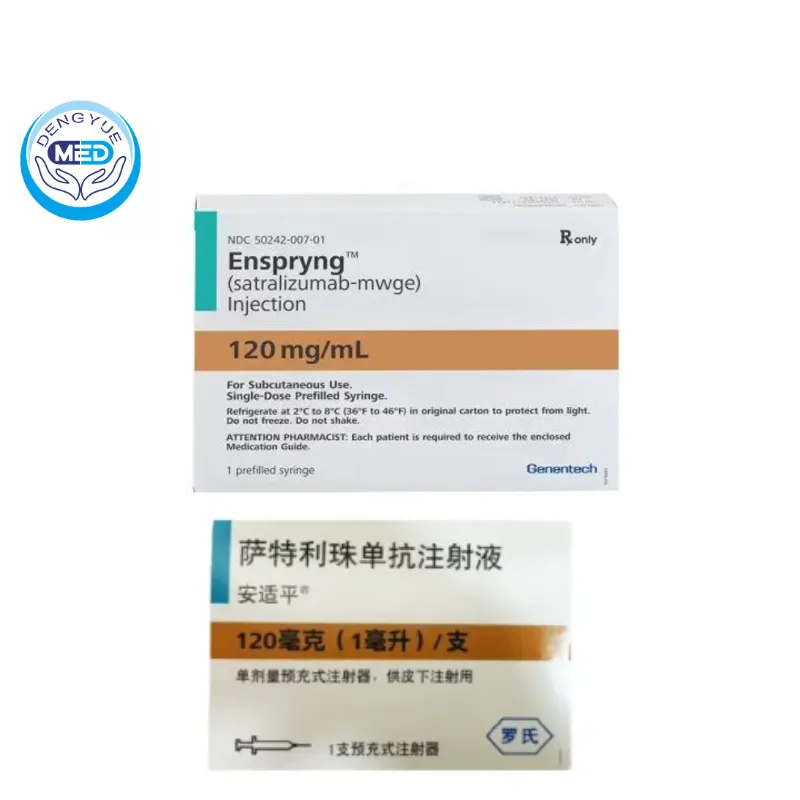
Enspryng Satralizumab | Optic Nerve Myelitis Spectrum Disorders
-
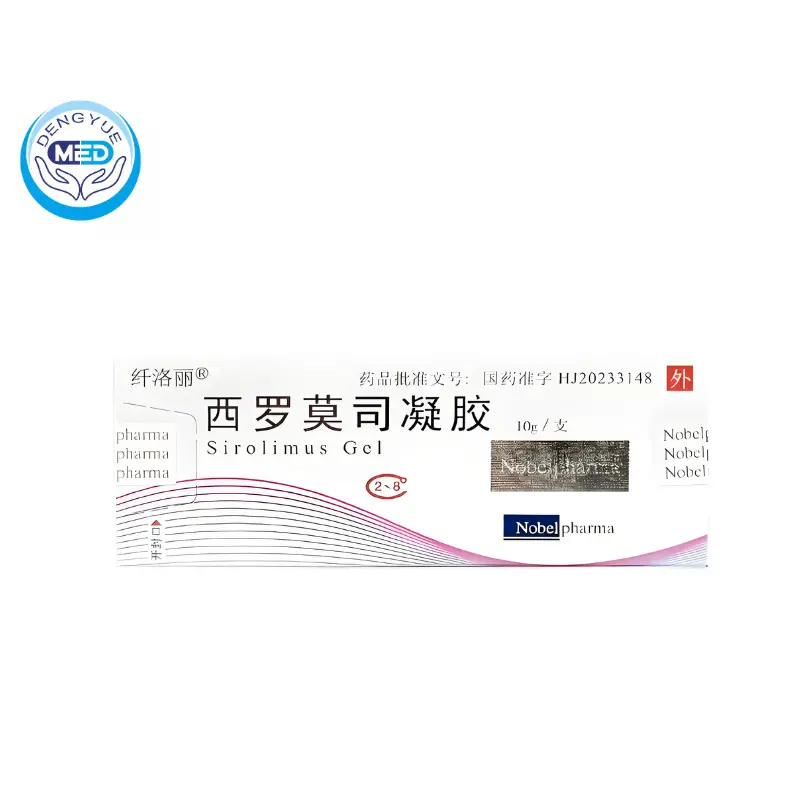
Sirolimus Gel | Facial Angiofibroma
-
Risdiplam Oral Solution For Spinal Muscular Atrophy
-
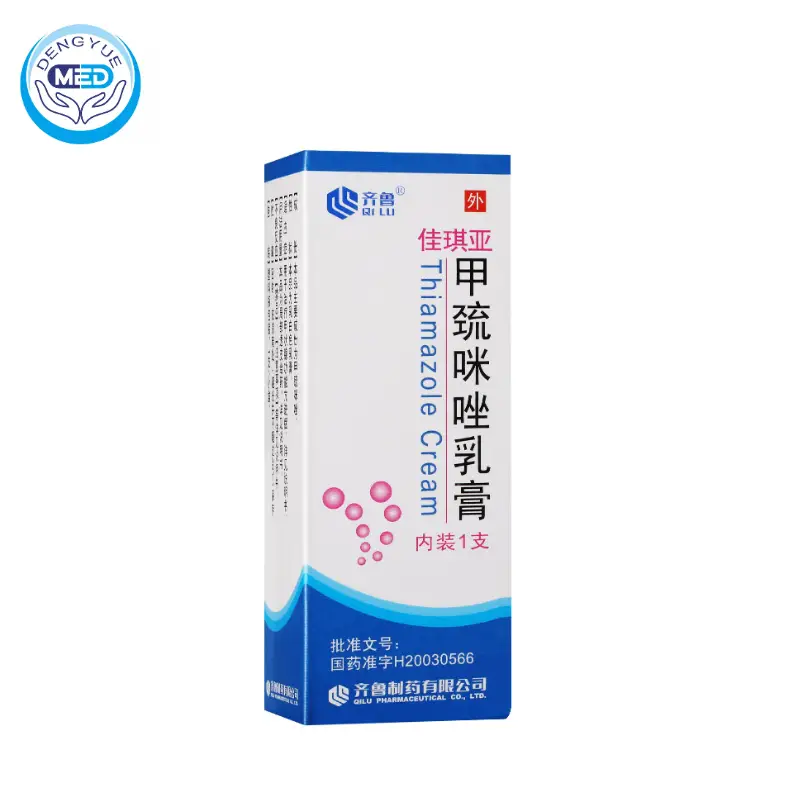
Thiamazole Cream | Anti Hyperthyroidism
-
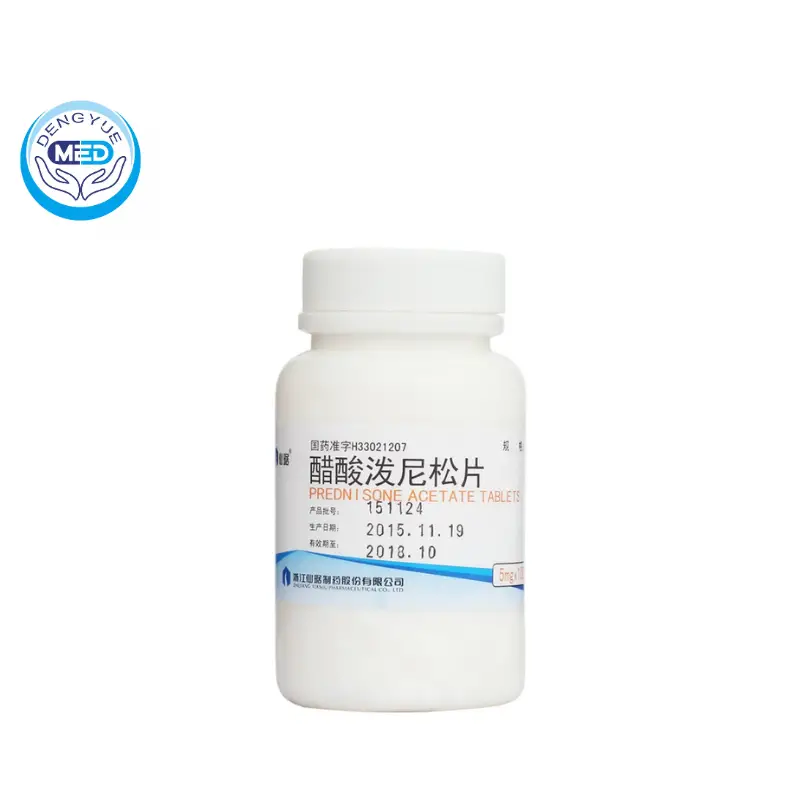
Prednisone Acetate Tablets|Immune Inflammatory Diseases
-
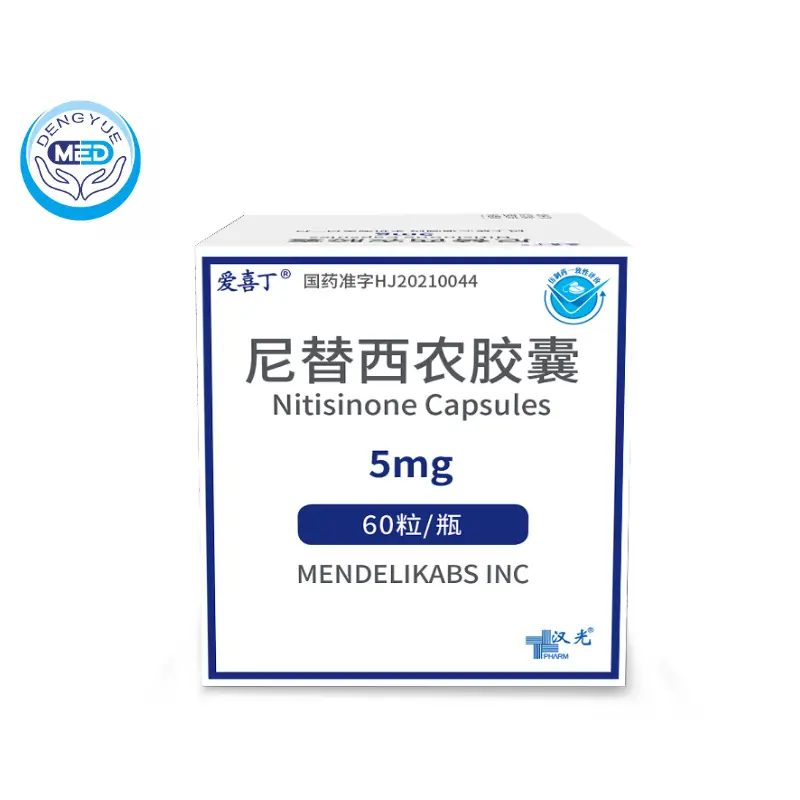
Nitisinone Capsules | Hereditary Tyrosinemia Type 1
-
Agalsidase Alfa | Anti Fabry Disease
Reviews
There are no reviews yet.