
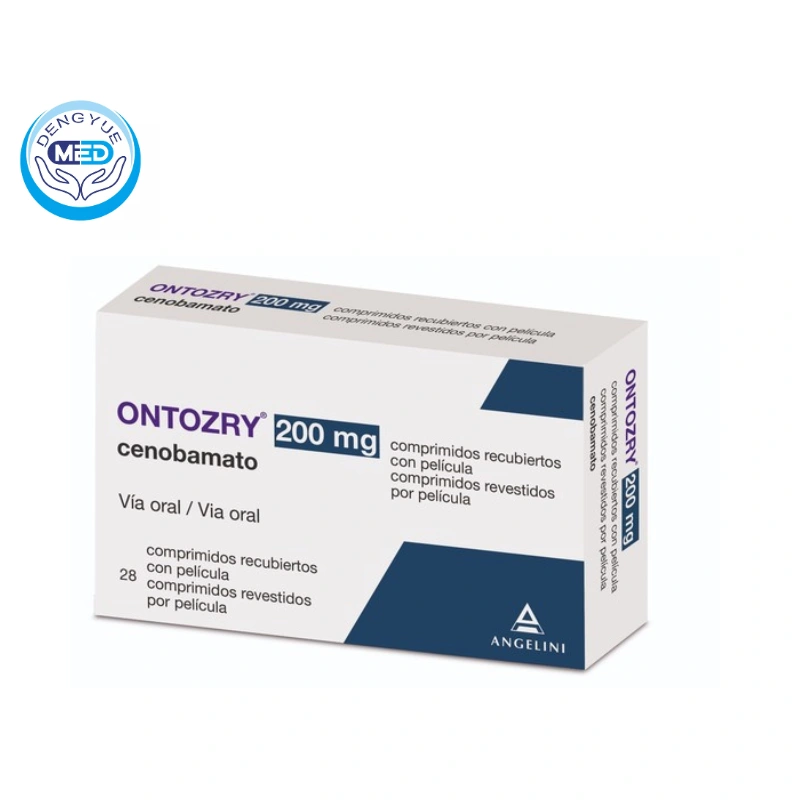
Cenobamato|Apilepsy|HongKong DengYue Medicine
- Generic Name/Brand Name: Cenobamato / XCOPRI (U.S.), Ontozry (EU)
- Indications: Treatment of partial-onset seizures in adults.
- Dosage Form: Film-coated tablets for oral administration.
- Specification: 12.5 mg, 25 mg, 50 mg, 100 mg, and 200 mg.
Cenobamato Application Scope
Cenobamato is indicated for the treatment of partial-onset seizures in adult patients.
Cenobamato Characteristics
Ingredients: Active ingredient: Cenobamato.
Properties: Cenobamato is a novel antiepileptic drug that acts by blocking voltage-gated sodium channels and enhancing GABAergic neurotransmission, thereby reducing neuronal excitability.
Specification: Available in tablet form with strengths of 12.5 mg, 25 mg, 50 mg, 100 mg, and 200 mg.
Packaging Specification: Supplied in blister packs or bottles, depending on the dosage and quantity.
Storage: Store at room temperature, between 20°C to 25°C (68°F to 77°F).
Expiry Date: Refer to the packaging for the specific expiration date.
Executive Standard: Approved by the U.S. Food and Drug Administration (FDA) under NDA 212839.
Approval Number: NDA 212839.
Date of Revision: Refer to the latest prescribing information for the most recent revision date.
Manufacturer: SK Life Science, Inc.
Guidelines For The Use Of Cenobamato
Dosage and Administration:
Initiate treatment at 12.5 mg once daily.
Titrate the dose every two weeks as follows:
Week 1–2: 12.5 mg once daily
Week 3–4: 25 mg once daily
Week 5–6: 50 mg once daily
Week 7–8: 100 mg once daily
Week 9–10: 150 mg once daily
Week 11 and thereafter: 200 mg once daily
If needed, the dose may be increased above 200 mg by increments of 50 mg once daily every two weeks to a maximum of 400 mg once daily, based on clinical response and tolerability.
Adverse Reactions:
Common adverse reactions include somnolence, dizziness, fatigue, diplopia, and headache.
Serious adverse reactions may include Drug Reaction with Eosinophilia and Systemic Symptoms (DRESS).
Contraindications:
Cenobamato is contraindicated in patients with familial short QT syndrome.
Precautions:
Use caution in patients with hepatic or renal impairment.
Monitor for signs of hypersensitivity reactions.
Advise patients to avoid operating machinery or driving until they know how Cenobamato affects them.
Cenobamato Interactions
Drug Interactions:
Cenobamato may decrease the effectiveness of hormonal contraceptives; alternative non-hormonal contraceptive methods are recommended.
May increase plasma concentrations of phenytoin and phenobarbital; dose adjustments may be necessary.
May decrease plasma concentrations of drugs metabolized by CYP3A4 and CYP2B6 (e.g., midazolam, bupropion).
May increase plasma concentrations of drugs metabolized by CYP2C19 (e.g., omeprazole).
Note:
- If there is a new packaging for the drug, the new packaging shall prevail. The above information is sourced from DengYue Medicine.
- It is only for internal discussion among medical staff and does not serve as a basis for medication. For specific medication guidelines, please consult the attending physician.
Related products

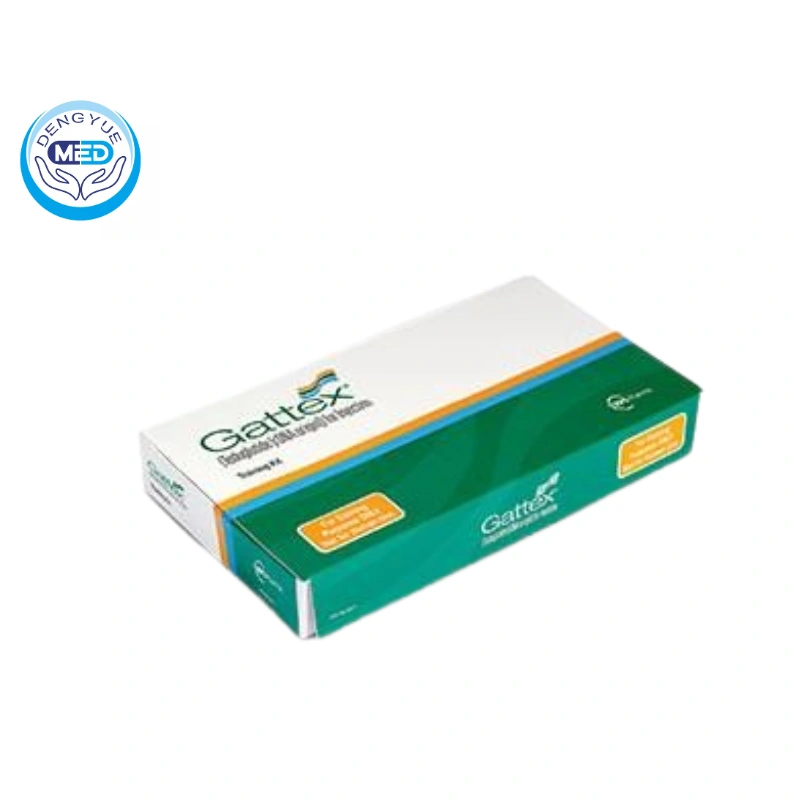
Gattex Teduglutide | Short Bowel Syndrome | DengYueMedicine
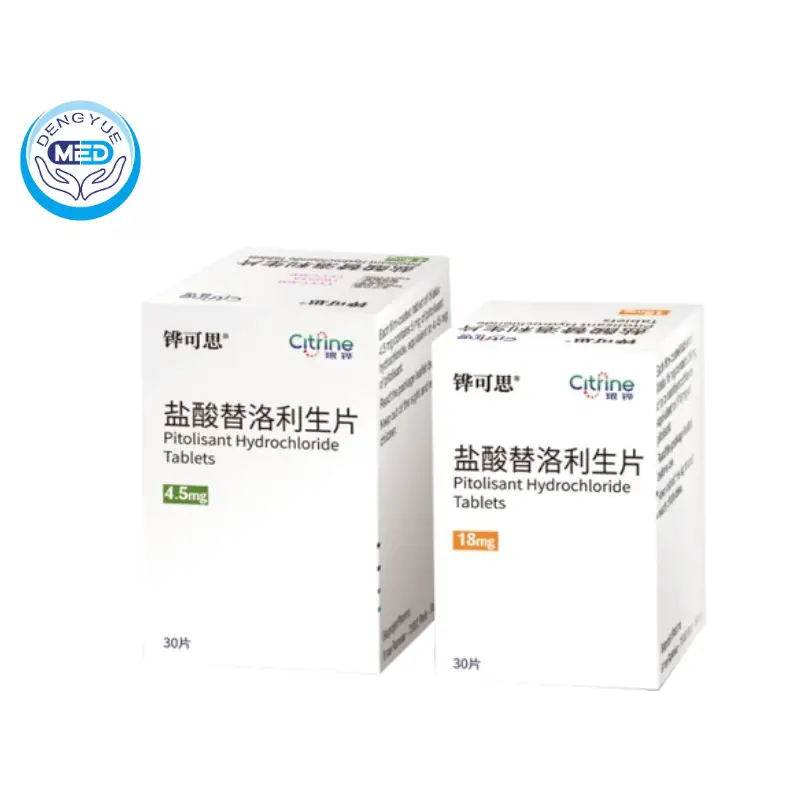
Pitolisant Hydrochloride Tablets

Nusinersen Injection – Spinal Muscular Atrophy
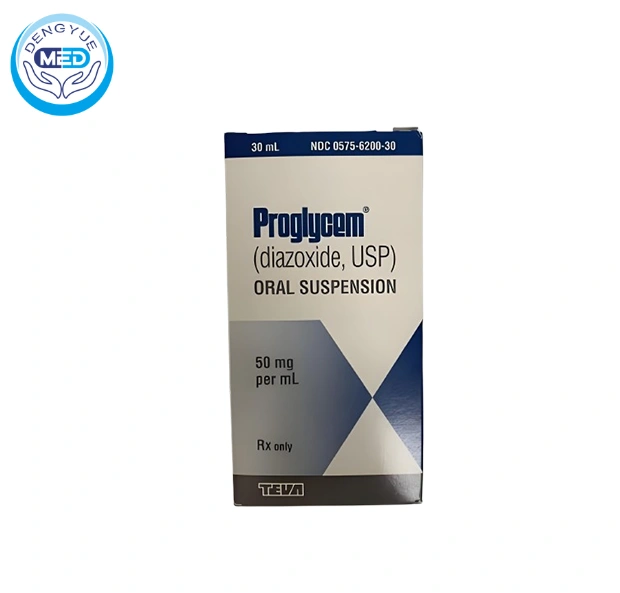
Proglycem Diazoxide | Hyperinsulinemic Hypoglycemia | DengYueMedicine
Elaprase Idursulfase | Mucopolysaccharidosis Type II | DengYueMedicine
Tetrabenazine Tablets | Huntington’s Disease | DengYueMedicine
Hydroxycarbamide Tablets | Treatment of Leukemia
Agalsidase Alfa | Anti Fabry Disease


Reviews
There are no reviews yet.