
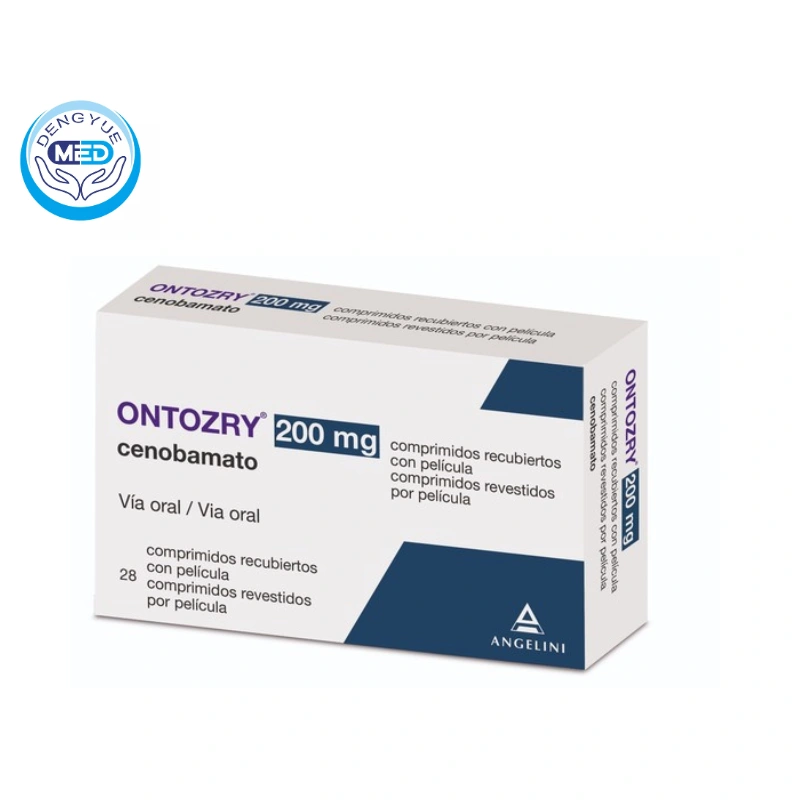
Cenobamato|Apilepsy|HongKong DengYue Medicine
- Generic Name/Brand Name: Cenobamato / XCOPRI (U.S.), Ontozry (EU)
- Indications: Treatment of partial-onset seizures in adults.
- Dosage Form: Film-coated tablets for oral administration.
- Specification: 12.5 mg, 25 mg, 50 mg, 100 mg, and 200 mg.
Cenobamato Application Scope
Cenobamato is indicated for the treatment of partial-onset seizures in adult patients.
Cenobamato Characteristics
-
Ingredients: Active ingredient: Cenobamato.
-
Properties: Cenobamato is a novel antiepileptic drug that acts by blocking voltage-gated sodium channels and enhancing GABAergic neurotransmission, thereby reducing neuronal excitability.
-
Specification: Available in tablet form with strengths of 12.5 mg, 25 mg, 50 mg, 100 mg, and 200 mg.
-
Packaging Specification: Supplied in blister packs or bottles, depending on the dosage and quantity.
-
Storage: Store at room temperature, between 20°C to 25°C (68°F to 77°F).
-
Expiry Date: Refer to the packaging for the specific expiration date.
-
Executive Standard: Approved by the U.S. Food and Drug Administration (FDA) under NDA 212839.
-
Approval Number: NDA 212839.
-
Date of Revision: Refer to the latest prescribing information for the most recent revision date.
-
Manufacturer: SK Life Science, Inc.
Guidelines For The Use Of Cenobamato
-
Dosage and Administration:
-
Initiate treatment at 12.5 mg once daily.
-
Titrate the dose every two weeks as follows:
-
Week 1–2: 12.5 mg once daily
-
Week 3–4: 25 mg once daily
-
Week 5–6: 50 mg once daily
-
Week 7–8: 100 mg once daily
-
Week 9–10: 150 mg once daily
-
Week 11 and thereafter: 200 mg once daily
-
-
If needed, the dose may be increased above 200 mg by increments of 50 mg once daily every two weeks to a maximum of 400 mg once daily, based on clinical response and tolerability.
-
-
Adverse Reactions:
-
Common adverse reactions include somnolence, dizziness, fatigue, diplopia, and headache.
-
Serious adverse reactions may include Drug Reaction with Eosinophilia and Systemic Symptoms (DRESS).
-
-
Contraindications:
-
Cenobamato is contraindicated in patients with familial short QT syndrome.
-
-
Precautions:
-
Use caution in patients with hepatic or renal impairment.
-
Monitor for signs of hypersensitivity reactions.
-
Advise patients to avoid operating machinery or driving until they know how Cenobamato affects them.
-
Cenobamato Interactions
-
Drug Interactions:
-
Cenobamato may decrease the effectiveness of hormonal contraceptives; alternative non-hormonal contraceptive methods are recommended.
-
May increase plasma concentrations of phenytoin and phenobarbital; dose adjustments may be necessary.
-
May decrease plasma concentrations of drugs metabolized by CYP3A4 and CYP2B6 (e.g., midazolam, bupropion).
-
May increase plasma concentrations of drugs metabolized by CYP2C19 (e.g., omeprazole).
-
Note:
- If there is a new packaging for the drug, the new packaging shall prevail. The above information is sourced from DengYue Medicine.
- It is only for internal discussion among medical staff and does not serve as a basis for medication. For specific medication guidelines, please consult the attending physician.
Related products
-

Carbaglu Carglumic Acid | Urea Cycle Disorders | HK DengYueMedicine
-
Recombinant Human Somatropin | Growth Hormone Deficiency | DengYueMedicine
-
Ubenimex Capsules|Enhancement of immune function
-
Agalsidase Alfa | Anti Fabry Disease
-
Siltuximab For Injection | Castleman’s Disease
-
Tetrabenazine Tablets | Huntington’s Disease | DengYueMedicine
-
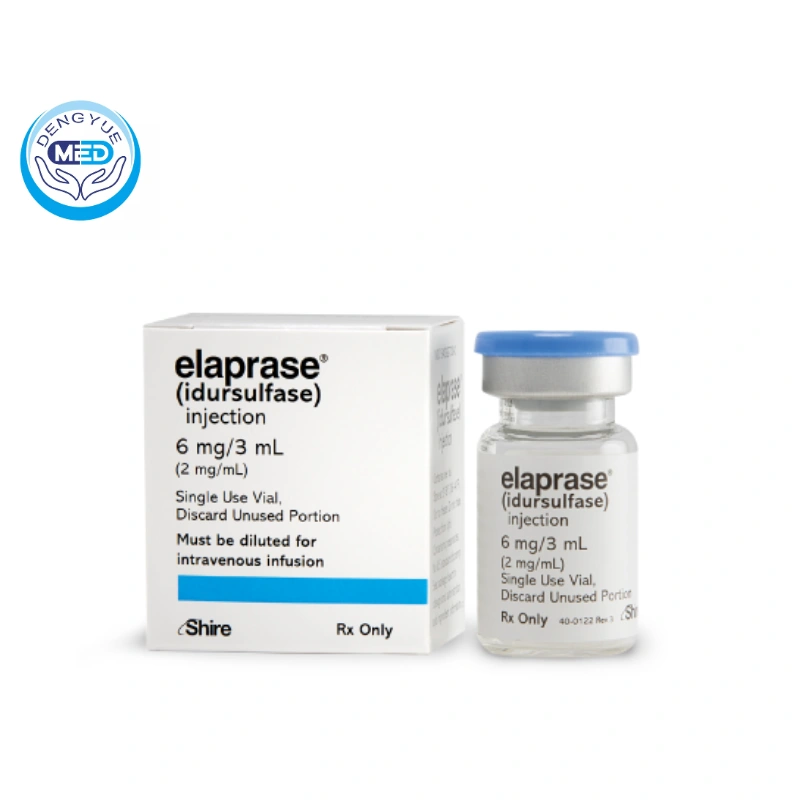
Elaprase Idursulfase | Mucopolysaccharidosis Type II | DengYueMedicine
-
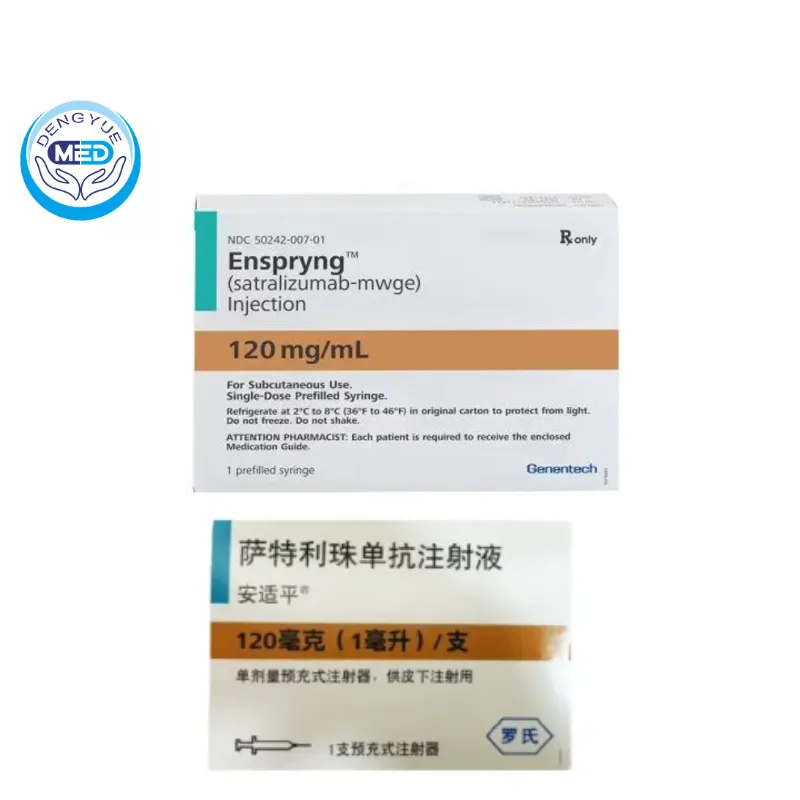
Enspryng Satralizumab | Optic Nerve Myelitis Spectrum Disorders



Reviews
There are no reviews yet.