
Carmofur Tablets | Colorectal Cancer | HK DengYueMedicine
- Generic Name/Brand Name: Carmofur/Vulpecula Religiosa
- Indications: Antineoplastic
- Dosage Form: Tablets
- Specification:50mg
Carmofur Tablets Application Scope:
Carmofur tablets are primarily used in the treatment of colorectal cancer. As a chemotherapeutic agent, it works by inhibiting the enzyme thymidylate synthase, which is crucial for DNA synthesis in cancer cells. By preventing DNA replication, Carmofur helps to halt the growth of tumors. It is often used in combination with other chemotherapy agents for the treatment of advanced or metastatic colorectal cancer. Additionally, it may have applications in the treatment of other cancers, though its primary indication is colorectal cancer.
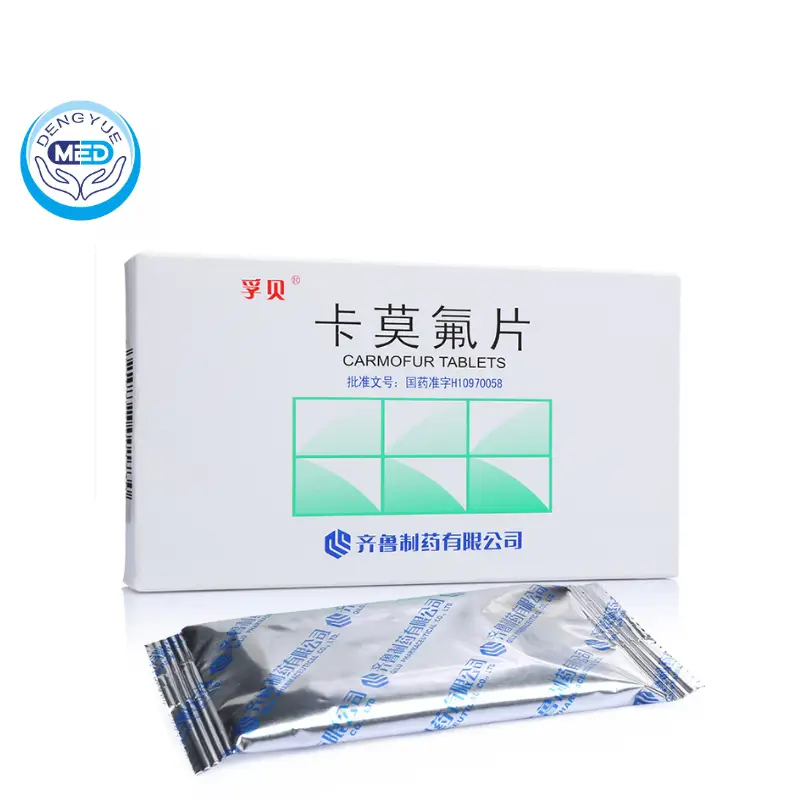
Carmofur Tablets Characteristics
- Ingredients: Carmofur (active ingredient), excipients
- Properties: Antineoplastic, thymidylate synthase inhibitor
- Specification: 50mg
- Packaging Specification: Bottles or blister packs containing (x) tablets per pack
- Storage: Store in a cool, dry place, protected from light. Do not freeze.
- Expiry Date:24 months
- Approval Number:National Drug Code H10970058
- Date of Revision: According to the latest drug inserts.
- Manufacturer: Qiluanti Pharmaceuticals
Guidelines for the Use of Carmofur Tablets
- Dosage and Administration:
Carmofur is typically taken orally in tablet form. The usual dosage is 100 mg twice a day, although this may vary depending on the patient’s condition and their response to treatment. It is recommended to follow the exact dosage prescribed by a healthcare professional. In some cases, dosage adjustments may be made based on tolerance and side effects. - Adverse Reactions:
Common side effects include:- Gastrointestinal symptoms: nausea, vomiting, diarrhea, loss of appetite, and abdominal pain
- Hematologic effects: leukopenia (low white blood cell count), thrombocytopenia (low platelet count), anemia
- Fatigue
- Skin rash
- Less common but serious side effects may include liver toxicity (elevated liver enzymes), myelosuppression (bone marrow suppression), and infections. Immediate medical attention should be sought if signs of severe liver dysfunction, infections, or allergic reactions (e.g., swelling, difficulty breathing) occur.
Carmofur Tablets Medication Limitations
- Contraindications:
Carmofur should not be used in patients with a known hypersensitivity to the drug or its components. It is also contraindicated in individuals with severe liver impairment, bone marrow suppression, or active infections. It should not be used during pregnancy or lactation, unless absolutely necessary, as it may cause harm to the fetus or infant. - Precautions:
- Use with caution in patients with liver disease or renal impairment.
- Regular monitoring of blood counts and liver function is essential during treatment.
- Since Carmofur can cause myelosuppression (bone marrow suppression), close monitoring of blood cell counts is recommended.
- Caution should be exercised when combining Carmofur with other chemotherapeutic agents or radiotherapy as these treatments can increase the risk of adverse effects.
Carmofur Tablets Drug Interactions
- Drug Interactions:
- Other chemotherapy agents: Use with caution when combined with other myelosuppressive chemotherapy agents as the risk of bone marrow suppression may be amplified.
- Anticoagulants: Carmofur may interact with anticoagulants (e.g., warfarin) and increase the risk of bleeding. Monitoring of coagulation parameters is advised.
-
- Hepatotoxic drugs: Combining Carmofur with drugs that affect the liver may increase the risk of liver damage, so careful monitoring is needed.
Note:
- If there is a new packaging for the drug, the new packaging shall prevail. The above information is sourced from HongKong DengYue Medicine, China Drug Import and Export Wholesaler.
It is only for internal discussion among medical staff and does not serve as a basis for medication. For specific medication guidelines, please consult the attending physician.
Contact Us
Related products
-

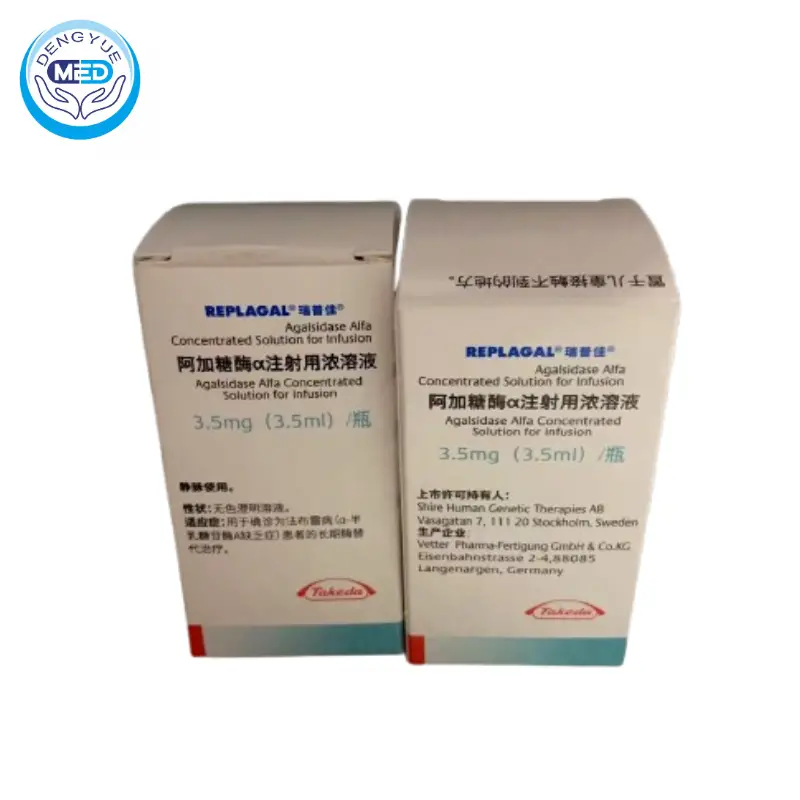
Agalsidase Alfa | Anti Fabry Disease
-
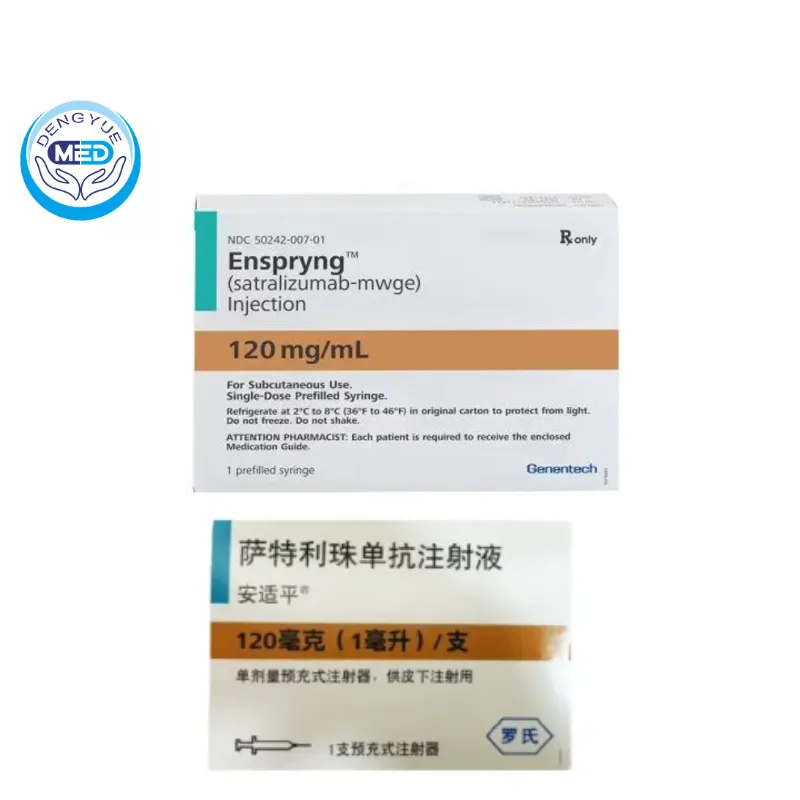
Enspryng Satralizumab | Optic Nerve Myelitis Spectrum Disorders
-
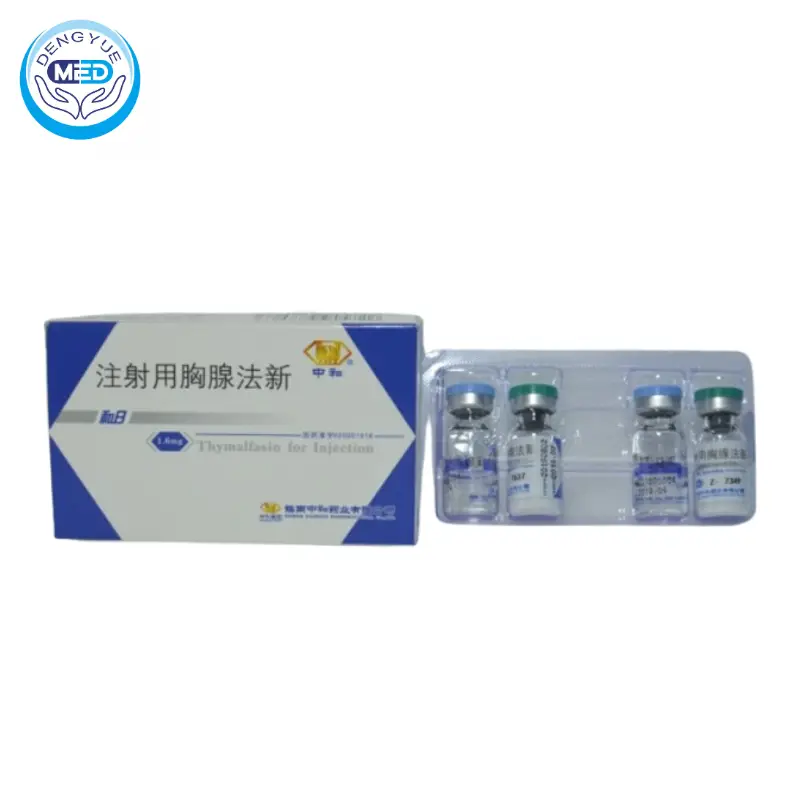
Thymalfasin for Injection – Adjuvant for Influenza Vaccine
-
Compound Fluorouracil Oral Solution
-
Myozyme(Alglucosidase Alfa )- Pompe Disease
-
Pitolisant Hydrochloride Tablets
-
Ubenimex Capsules|Enhancement of immune function
-
Lonsurf (Trifluridine/Tipiracil) – Colorectal Cancer | HongKong DengYue Medicine
.webp "Myozyme(Alglucosidase Alfa )- Pompe Disease")
Reviews
There are no reviews yet.