
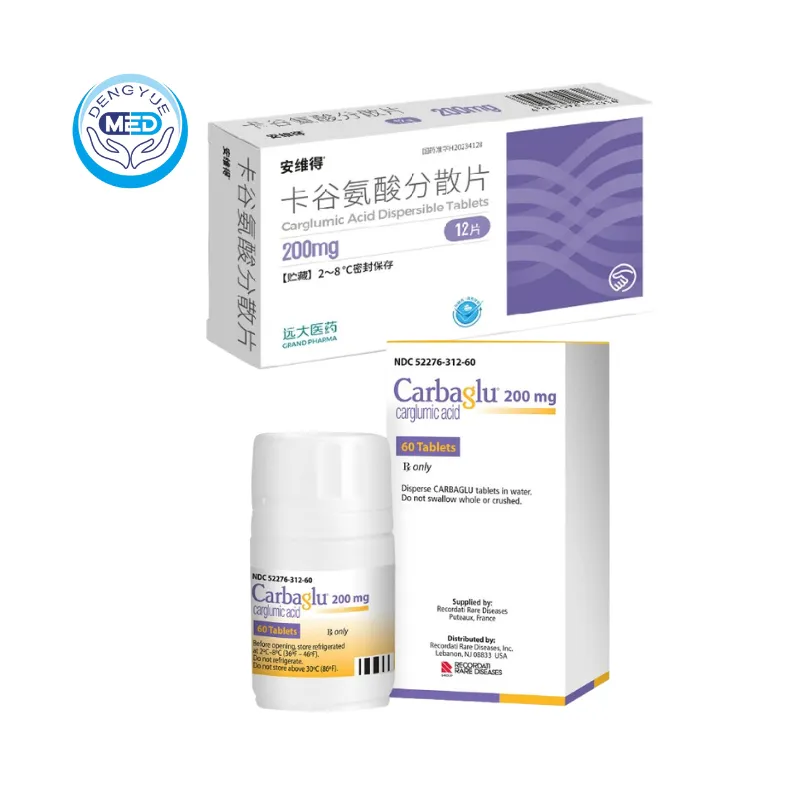
Carbaglu Carglumic Acid | Urea Cycle Disorders | HK DengYueMedicine
- Generic Name/Brand Name: Carbaglu Carglumic Acid/Carbaglu
- Indications: Acute Management, Urea Cycle Disorders
- Dosage Form: Oral Tablets
- Specification:200 mg Tablets
Carbaglu Carglumic Acid Application Scope
Carbaglu (carglumic acid) is used in the treatment of urea cycle disorders (UCDs), particularly in patients with N-acetylglutamate synthase (NAGS) deficiency. It helps to reduce ammonia levels in the blood by providing an alternative pathway for nitrogen elimination. Carbaglu is specifically used for treating acute hyperammonemic episodes in patients with NAGS deficiency and as adjunctive therapy in chronic management of hyperammonemia in patients with UCDs.
Carbaglu Carglumic Acid Characteristics
- Ingredients: Each Carbaglu tablet contains 200 mg of the active ingredient carglumic acid. Inactive ingredients include croscarmellose sodium, hypromellose, microcrystalline cellulose, silica colloidal anhydrous, sodium lauryl sulfate, and sodium stearyl fumarate.
- Properties: Carglumic acid is a structural analogue of N-acetylglutamate (NAG) and functions as an activator of carbamoyl phosphate synthetase 1 (CPS 1), a key enzyme in the urea cycle responsible for detoxifying ammonia by converting it into urea for excretion.
- Specification: Carbaglu is available in the form of dispersible tablets, each containing 200 mg of carglumic acid. The tablets are white, elongated, and scored, allowing them to be divided into equal halves.
- Packaging Specification: Carbaglu is supplied in high-density polyethylene (HDPE) bottles with child-resistant polypropylene caps. Each bottle contains 5 tablets.
- Storage: Before opening, store Carbaglu in a refrigerator at 2°C to 8°C (36°F to 46°F). After first opening, store the bottle at room temperature up to 30°C (86°F) and use within one month. Keep the bottle tightly closed to protect from moisture.
- Expiry Date: The expiry date is indicated on the packaging. Once the bottle is opened, the tablets should be used within one month.
- Executive Standard: Carbaglu is manufactured in compliance with current Good Manufacturing Practices (cGMP) and meets the standards set forth by regulatory authorities, including the U.S. Food and Drug Administration (FDA).
- Approval Number: In the United States, Carbaglu is approved under New Drug Application (NDA) number 022562.
- Date of Revision: The prescribing information for Carbaglu was last revised in August 2021.
- Manufacturer: Carbaglu is manufactured by Recordati Rare Diseases Inc.
Guidelines For The Use Of Carbaglu Carglumic Acid
Dosage and Administration:
- Acute Hyperammonemic Episodes: The recommended starting dose is 100 mg/kg/day, divided into multiple doses.
- Chronic Management: The typical maintenance dose is 25 mg/kg/day to be adjusted based on clinical response and ammonia levels.
- The tablets should be taken orally, with food to improve absorption.
Adverse Reactions:
- Most common side effects include gastrointestinal issues, such as nausea, vomiting, and abdominal pain.
- Less common effects may include allergic reactions and elevated liver enzymes.
Medication Limitations
Contraindications: Carbaglu is contraindicated in patients with hypersensitivity to carglumic acid or any component of the formulation.
Precautions:
- Use cautiously in patients with liver dysfunction.
- Monitoring of ammonia levels and liver function tests is required, especially during long-term treatment.
- Patients should be aware of potential gastrointestinal side effects.
Carbaglu Carglumic Acid Interactions
Drug Interactions: There are no well-documented drug interactions with carglumic acid, but caution should be exercised when used alongside other medications that affect liver function or ammonia metabolism.
Note:
- If there is a new packaging for the drug, the new packaging shall prevail. The above information is sourced from HongKong DengYue Medicine. It is only for internal discussion among medical staff and does not serve as a basis for medication. For specific medication guidelines, please consult the attending physician.
Related products
-

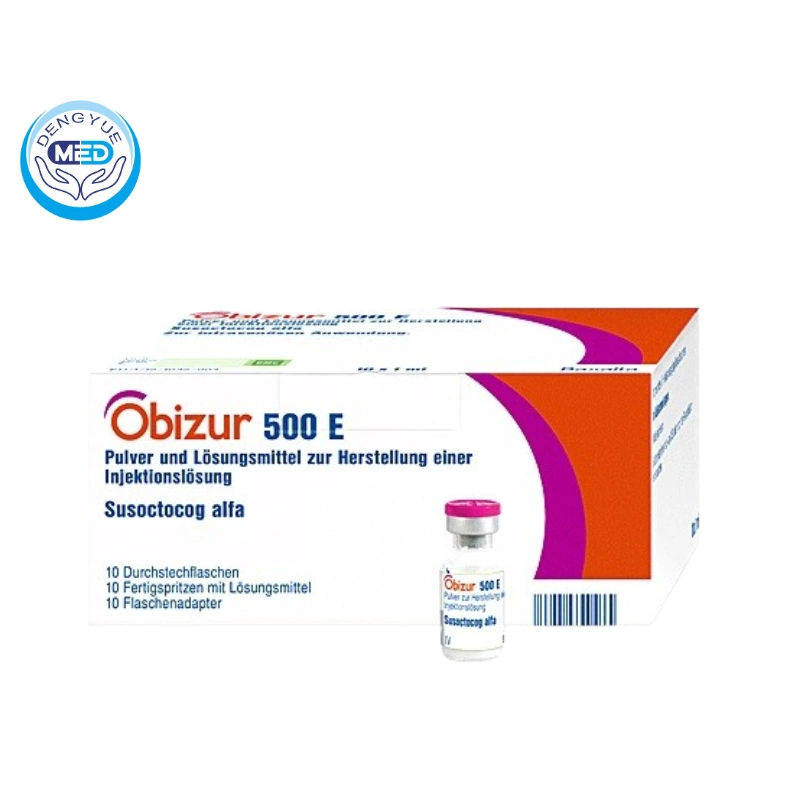
Obizur Susoctocog Alfa | Acquired Haemophilia | HK DengYueMed
-
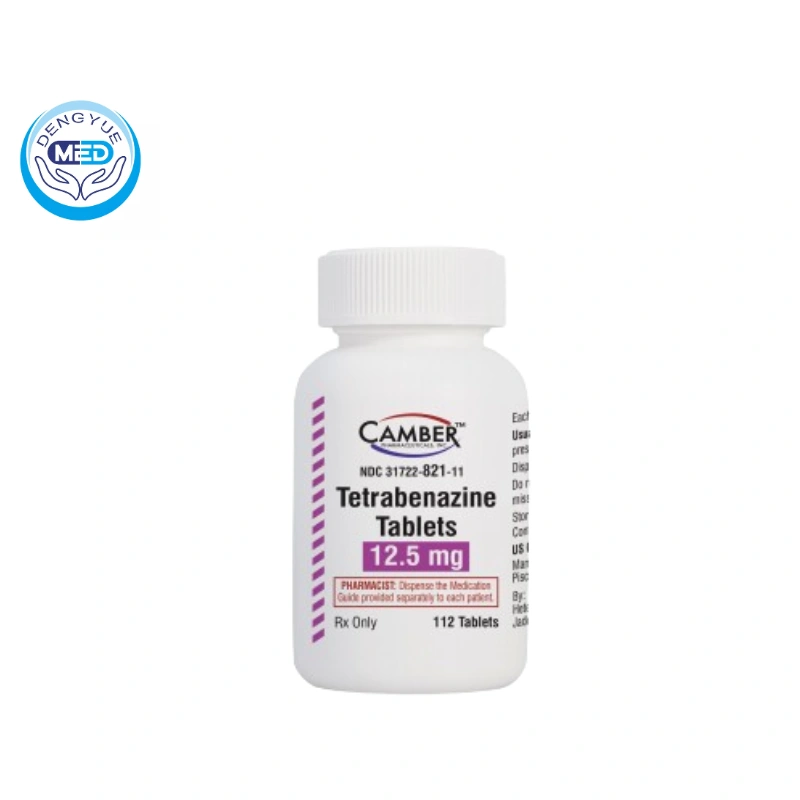
Tetrabenazine Tablets | Huntington’s Disease | DengYueMedicine
-
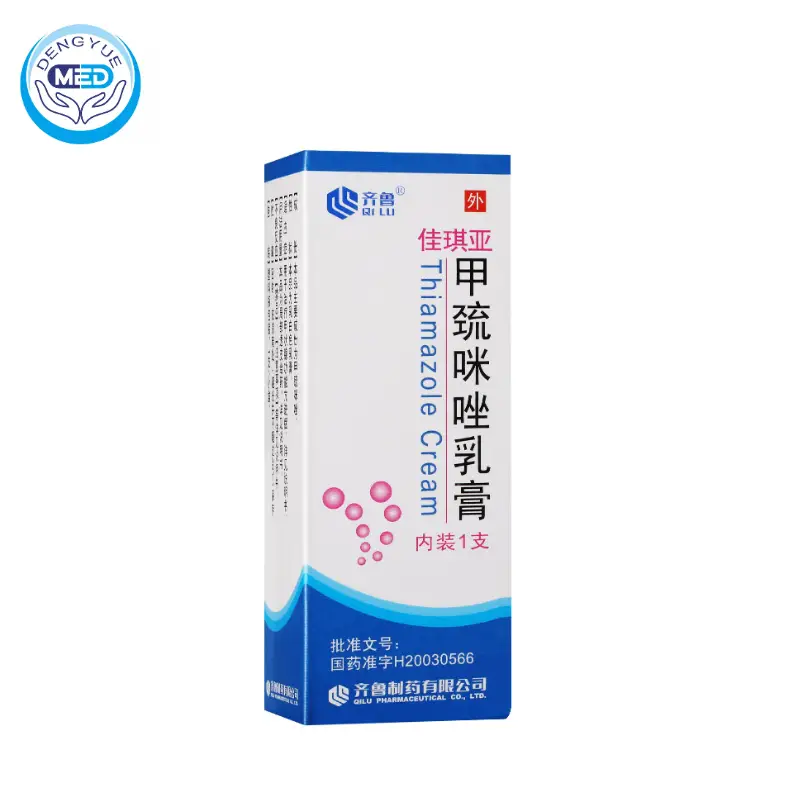
Thiamazole Cream | Anti Hyperthyroidism
-
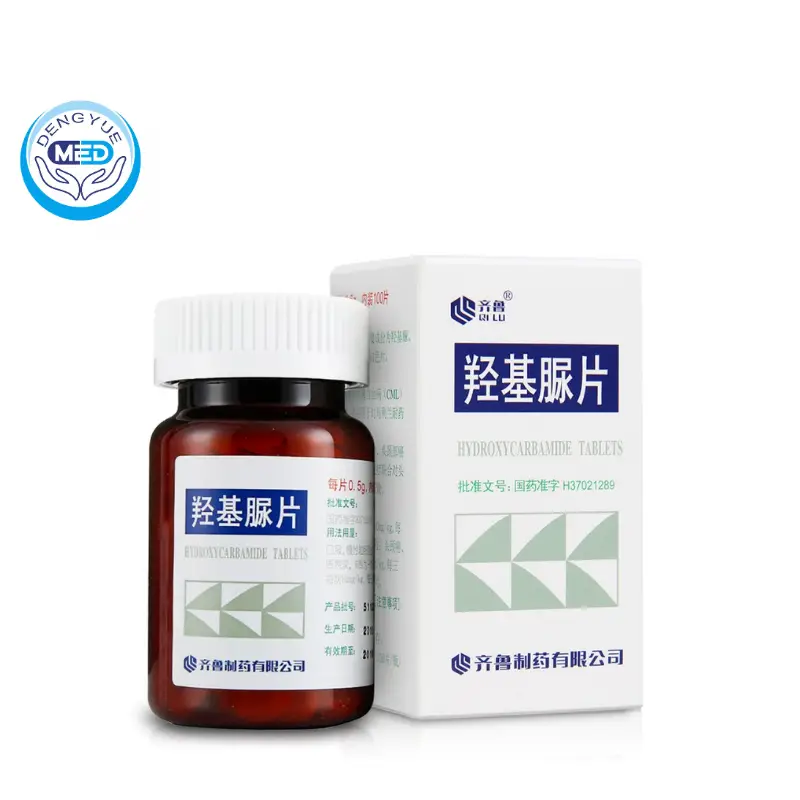
Hydroxycarbamide Tablets | Treatment of Leukemia
-
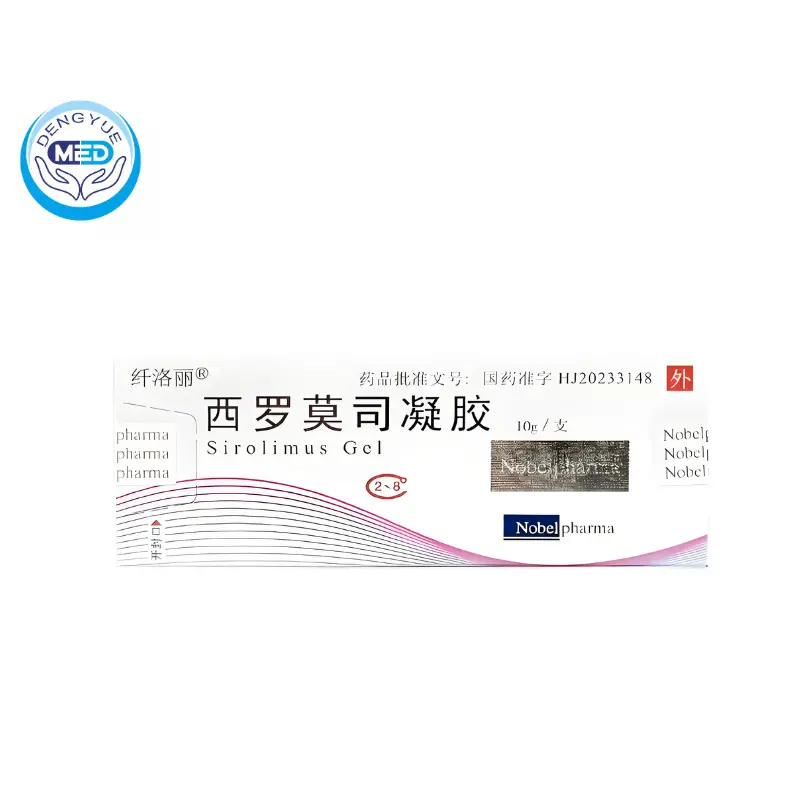
Sirolimus Gel | Facial Angiofibroma
-
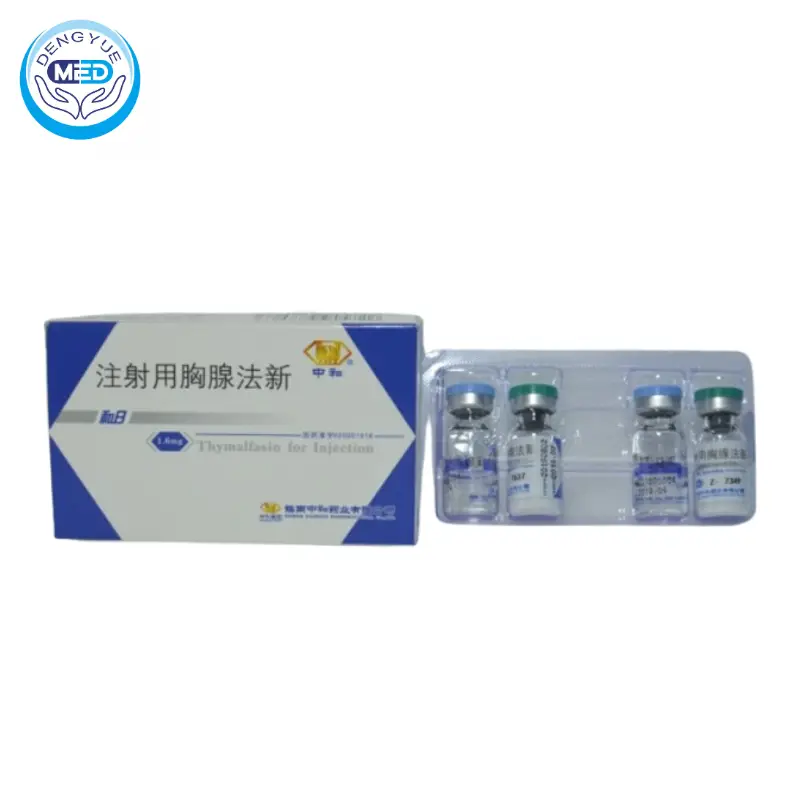
Thymalfasin for Injection – Adjuvant for Influenza Vaccine
-

Syprine Trientine Hydrochloride Tablets | Wilson’s Disease | DengYueMedicine
-
Recombinant Human Somatropin | Growth Hormone Deficiency | DengYueMedicine
Reviews
There are no reviews yet.