

Caprelsa (Vandetanib) – MTC | HongKong DengYue Medicine
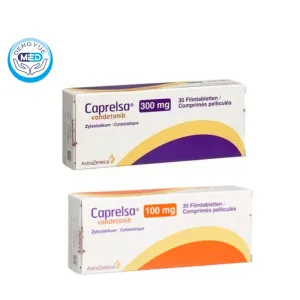
- Generic Name/Brand Name: Vandetanib/Caprelsa
- Indications: Unresectable/locally advanced/metastatic medullary thyroid carcinoma
- Dosage Form: Film-coated tablets
- Specification: 100 mg/300 mg × 30 tablets
Caprelsa Application Scope
Caprelsa (vandetanib) is indicated for the treatment of symptomatic or progressive medullary thyroid carcinoma (MTC) that is unresectable, locally advanced, or metastatic in adults. Use in patients with indolent, asymptomatic, or slowly progressing disease should be considered only after careful assessment of the risks and benefits.
Caprelsa Characteristics
-
Ingredients: Vandetanib
-
Properties: A small-molecule, multi-target tyrosine kinase inhibitor (TKI)
-
Packaging Specification: Film-coated tablets available in two strengths: 100 mg and 300 mg
-
Storage: Store at room temperature, protected from light
-
Expiry Date: See packaging for expiration date
-
Executive Standard: Refer to the regulatory product information of product characteristics (SmPC) applicable in the region of use
-
Approval Number: Approval numbers differ by country and region
-
Date of Revision: See the latest prescribing information/SmPC for the current revision date
-
Manufacturer: Genzyme/Sanofi
Guidelines for the Use of Caprelsa
-
Dosage and Administration:
-
Recommended Dose: 300 mg once daily. Dose modifications (reductions or interruptions) should be made for toxicity per the prescribing information. For recurrent toxicities, dose may be reduced (for example, to 200 mg and then to 100 mg) or discontinued depending on severity and recovery. Because of the long half-life, toxicities may persist after dose interruption.
-
Administration: May be taken with or without food, at approximately the same time each day. Swallow tablets whole; do not crush. If a dose is missed, do not take a double dose within 12 hours of the next scheduled dose (follow local label guidance).
-
Missed Dose: If a dose is missed, additional dosing instructions are detailed in local prescribing information; generally, do not take a missed dose if it is close (within 12 hours) to the next scheduled dose.
-
-
Adverse Reactions:
-
Common Adverse Reactions: Most frequently reported adverse reactions include diarrhea, rash (including acneiform dermatitis), nausea, hypertension, headache, fatigue, decreased appetite, and abdominal pain. Frequency data and severity grading are available in the full label.
-
Serious Adverse Reactions:
-
QT interval prolongation—may lead to torsades de pointes and sudden death; monitor ECG and electrolytes (potassium, magnesium, and calcium) prior to and during treatment. Correct electrolyte abnormalities before initiation. Avoid concomitant drugs that prolong QT interval.
-
Cardiac arrhythmias and sudden death have been reported.
-
Other serious reactions: severe diarrhea/colitis, severe cutaneous adverse reactions, severe hypertension, interstitial lung disease (rare), hepatic toxicity, and ocular events. Because of the long half-life, some adverse events may persist after treatment discontinuation.
-
-
-
Contraindications:
-
Known hypersensitivity to vandetanib or any excipient in the formulation.
-
Concomitant use of strong CYP3A4 inhibitors/inducers may require caution or dose adjustments per local label.
-
Avoid use with drugs that are known to prolong the QT interval and in patients with congenital long QT syndrome, unless benefits clearly outweigh risks and monitoring is ensured.
-
-
Precautions:
-
Cardiac monitoring: Baseline and periodic ECGs recommended; monitor QTc, and correct hypokalemia, hypomagnesemia, and hypocalcemia before and during treatment.
-
Blood pressure: Monitor and manage hypertension.
-
Dermatologic: Monitor for rash and severe cutaneous reactions; dose modifications may be necessary.
-
Gastrointestinal: Monitor for diarrhea and dehydration; treat promptly.
-
Hepatic impairment: Use with caution; monitor liver function tests.
-
Pregnancy & Lactation: Can cause fetal harm. Women of childbearing potential should use effective contraception. Consult local pregnancy/lactation guidance.
-
Because vandetanib has a long half-life (~19 days), adverse effects may persist after stopping therapy.
-
Caprelsa Interactions
-
QT-prolonging drugs: Concomitant use with drugs that prolong QT interval increases risk of serious arrhythmias—avoid or use extreme caution (e.g., certain antiarrhythmics, some antipsychotics, and macrolides like clarithromycin). Correct electrolytes before coadministration.
-
CYP enzymes: Vandetanib is metabolized in part by CYP3A4; strong CYP3A4 inhibitors or inducers may alter vandetanib exposure—consult local label for specific interaction guidance and dose modification recommendations.
-
Other anticancer agents/targeted therapies: Potential for pharmacodynamic and pharmacokinetic interactions; coadministration decisions should be individualized with specialist input.
Note:
- If there is a new packaging for the drug, the new packaging shall prevail. The above information is sourced from DengYue Medicine.
- This content is for reference only. Prescription drugs must be used under a doctor’s guidance and purchased from authorized sources.
Related products
-

Ozamode/Ozanimod Hydrochloride Capsules
-

Proglycem Diazoxide | Hyperinsulinemic Hypoglycemia | DengYueMedicine
-
Sirolimus Gel | Facial Angiofibroma
-
Nitisinone Capsules | Hereditary Tyrosinemia Type 1
-
Elaprase Idursulfase | Mucopolysaccharidosis Type II | DengYueMedicine
-
Spesolimab Injection | Psoriatic Arthritis Treatment
-
Prednisone Acetate Tablets|Immune Inflammatory Diseases
-
Enspryng Satralizumab | Optic Nerve Myelitis Spectrum Disorders

Reviews
There are no reviews yet.