
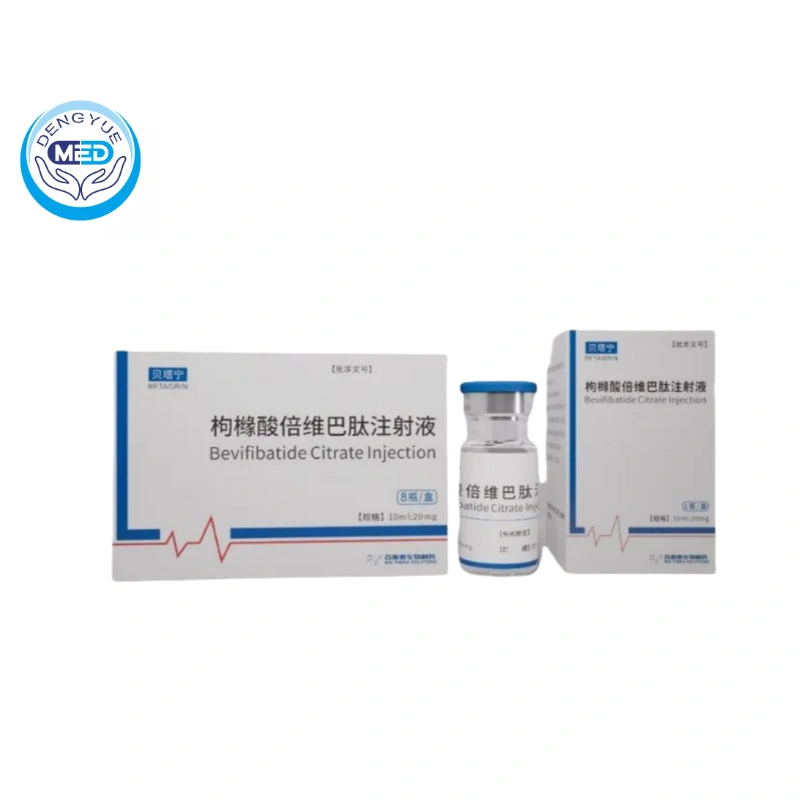
Bevifibatide Citrate|Acute Coronary Syndrome(ACS)|HongKong DengYue Medicine
- Generic Name/Brand Name: Bevifibatide Citrate/BETAGRIN
- Indications: Acute Coronary Syndrome
- Dosage Form: Injection
- Specification: 20 mg/10 mL (2 mg/mL)
Bevifibatide Citrate Application Scope
Bevifibatide Citrate Injection is indicated for patients undergoing percutaneous coronary intervention (PCI), including intracoronary stenting, to reduce the risk of acute vessel closure, stent thrombosis, no-reflow, and slow-flow phenomena.
Bevifibatide Citrate Characteristics
-
Ingredients: The active ingredient is Bevifibatide Citrate. Excipients include citric acid, sodium hydroxide, and water for injection.
-
Properties: The solution is a clear, colorless liquid.
-
Specification: Each vial contains 20 mg of Bevifibatide in 10 mL of solution.
-
Packaging Specification: The injection is supplied in 10 mL vials.
-
Storage: Store in a light-resistant, sealed container at 2–8°C.
-
Expiry Date: 12 months from the date of manufacture.
-
Executive Standard: Approved by the National Medical Products Administration (NMPA) of China.
-
Date of Revision: Please refer to the latest approved prescribing information for the most current revision date.
-
Manufacturer: Biotai.
Guidelines for Use of Bevifibatide Citrate
-
Dosage and Administration: Prior to administration, laboratory tests should be conducted to rule out bleeding disorders, including assessments of hematocrit or hemoglobin, platelet count, serum creatinine, prothrombin time (PT)/activated partial thromboplastin time (aPTT). For PCI patients, activated clotting time (ACT) should also be measured.
For patients undergoing PCI:
-
Administer an initial intravenous bolus of 220 μg/kg (0.11 mL/kg) over 1–2 minutes.
-
Follow with a continuous intravenous infusion at 2.5 μg/kg/min (0.075 mL/kg/h) for approximately 24 hours. If the PCI is not completed within 24 hours, continue the infusion until the procedure is finished.
-
-
Adverse Reactions: Common adverse reactions include bleeding events such as gingival bleeding, gastrointestinal bleeding, and puncture site hemorrhage. Other possible reactions are elevated troponin levels, rash, and thrombocytopenia. Severe bleeding is rare but requires immediate medical attention.
-
Contraindications: Bevifibatide Citrate is contraindicated in patients with:
-
A history of bleeding disorders or active bleeding within the past 30 days.
-
Uncontrolled severe hypertension (systolic >200 mmHg or diastolic >110 mmHg).
-
Major surgery within the past 6 weeks.
-
History of hemorrhagic stroke or recent stroke within 30 days.
-
Current use of other GP IIb/IIIa inhibitors.
-
Dependence on renal dialysis.
-
Known hypersensitivity to any component of the product.
-
Known intracranial disease (e.g., tumor, arteriovenous malformation, aneurysm).
-
Thrombocytopenia (platelet count <100,000/mm³) or platelet function disorders.
-
Coagulation disorders (e.g., PT >1.3 times normal or INR >2).
-
Severe hepatic failure.
-
-
Precautions: Monitor patients for signs of bleeding during treatment. Use cautiously in patients with renal impairment, as the drug is primarily excreted by the kidneys. The safety and efficacy in patients requiring dialysis have not been
Note:
- If there is a new packaging for the drug, the new packaging shall prevail. The above information is sourced from DengYue Medicine.
- It is only for internal discussion among medical staff and does not serve as a basis for medication. For specific medication guidelines, please consult the attending physician.
Related products
-

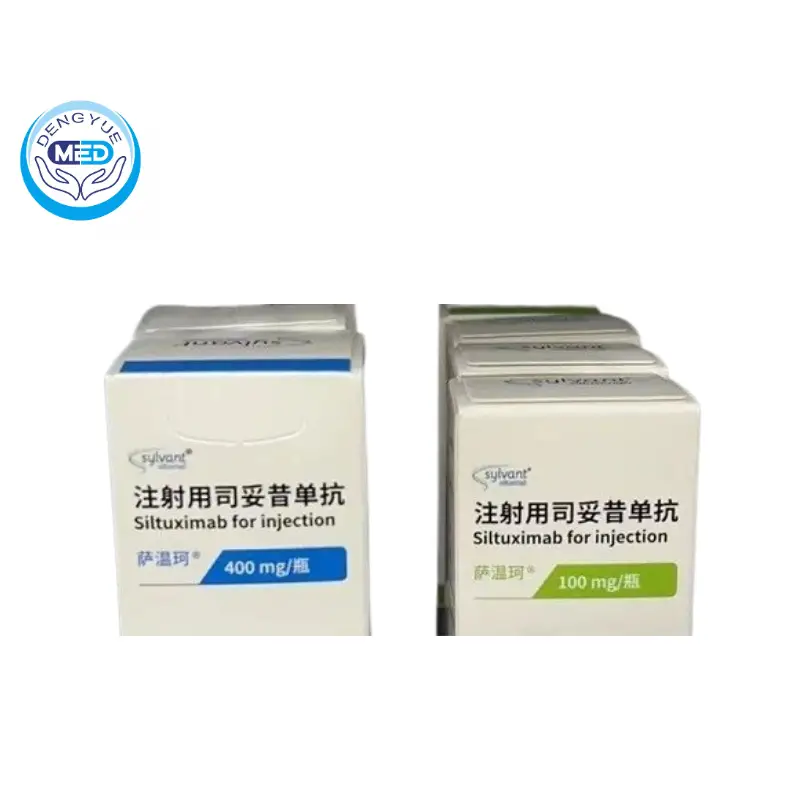
Siltuximab For Injection | Castleman’s Disease
-
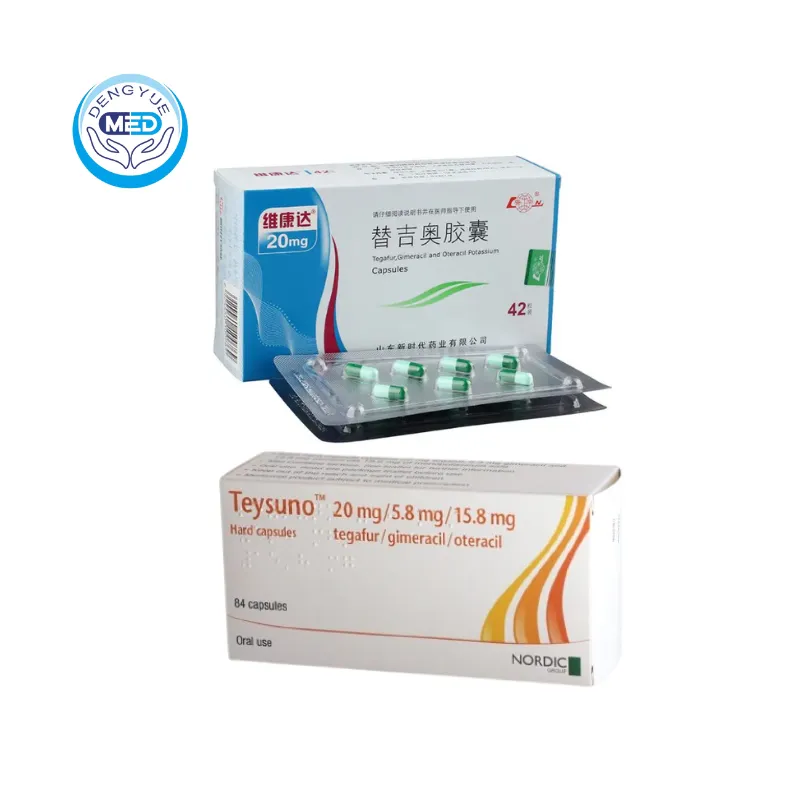
Teysuno (Tegafur Gimeracil and Oteracil Potassium) – Gastric Cancer | HongKong DengYue Medicine
-
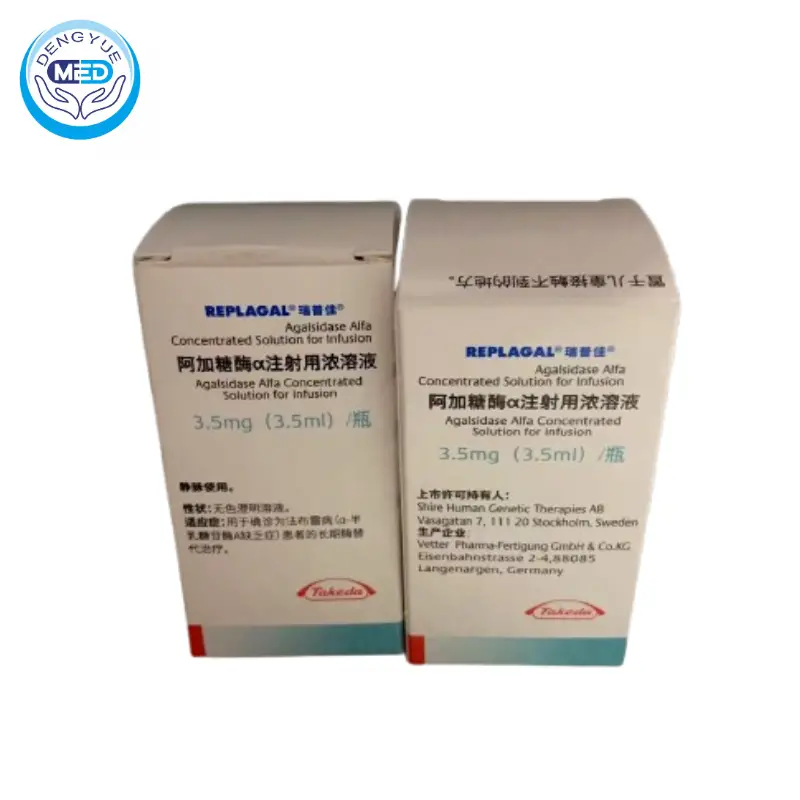
Agalsidase Alfa | Anti Fabry Disease
-
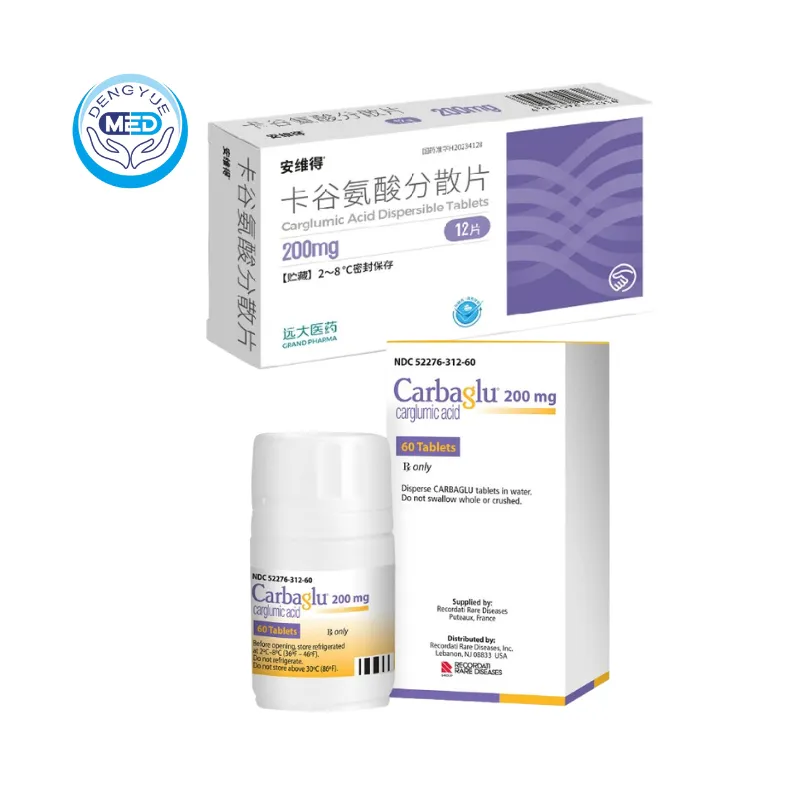
Carbaglu Carglumic Acid | Urea Cycle Disorders | HK DengYueMedicine
-
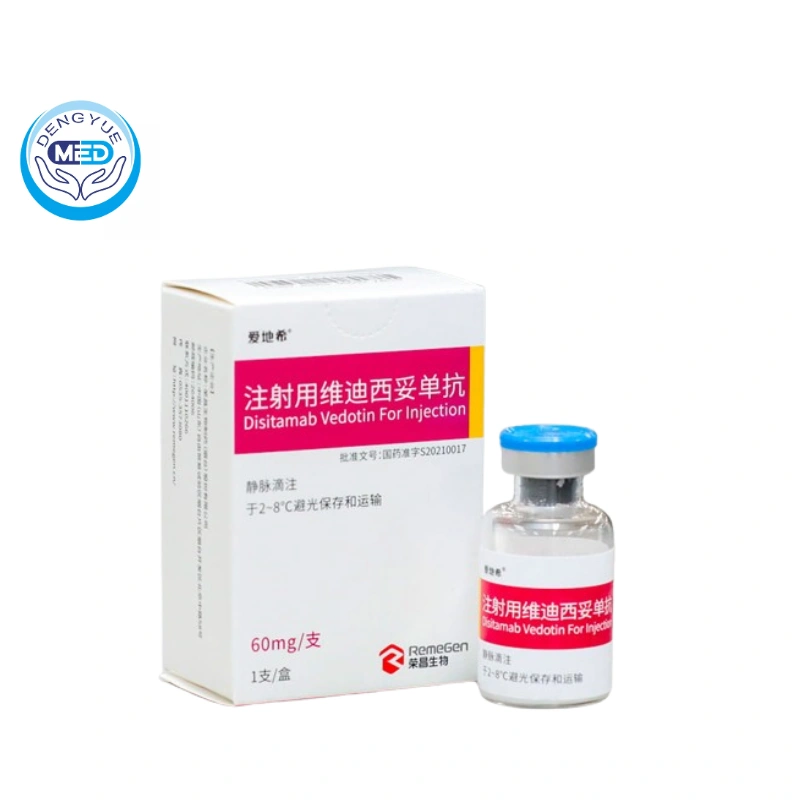
Aidixi Disitamab Vedotin Of Injection | HER2-Overexpressing | DengYueMedicine
-
Recombinant Human Somatropin | Growth Hormone Deficiency | DengYueMedicine
-
Spesolimab Injection | Psoriatic Arthritis Treatment
-
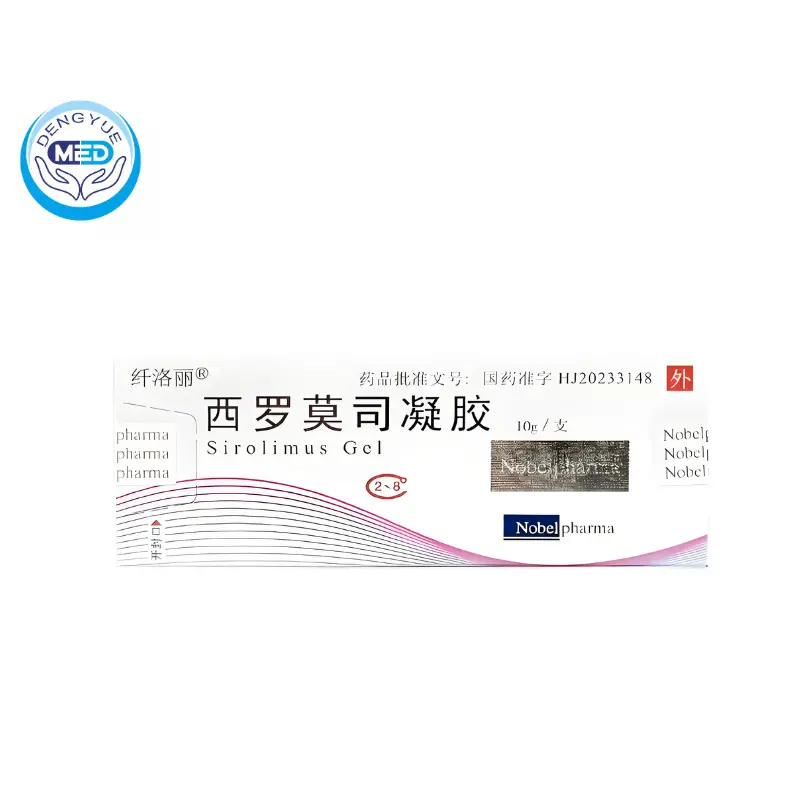
Sirolimus Gel | Facial Angiofibroma


Reviews
There are no reviews yet.