Betaine Anhydrous|Homocystinuria|HongKong DengYue
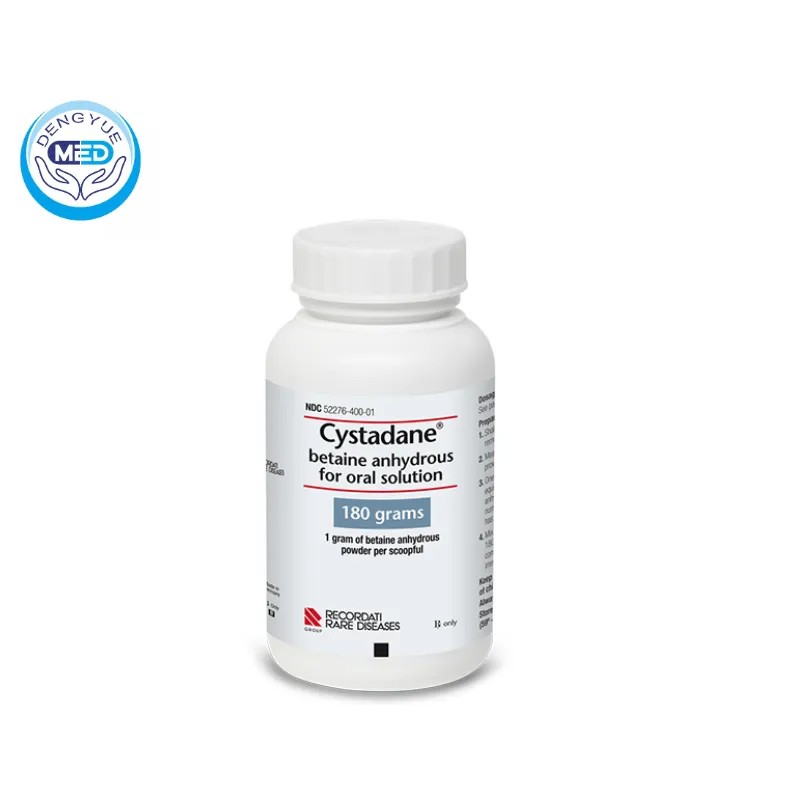
- Generic Name/Brand Name: Betaine Anhydrous / Cystadane
- Indications: Treatment of homocystinuria to decrease elevated homocysteine blood concentrations in pediatric and adult patients.
- Dosage Form: Oral powder for solution
- Specification: 180 grams per bottle; 1 scoop (1.5 mL) = 1 gram of betaine anhydrous powder.
Betaine Anhydrous Application Scope
Betaine Anhydrous for Oral Solution is indicated for the treatment of homocystinuria to decrease elevated homocysteine blood concentrations in pediatric and adult patients. This includes patients with:
-
Cystathionine beta-synthase (CBS) deficiency
-
5,10-methylenetetrahydrofolate reductase (MTHFR) deficiency
-
Cobalamin cofactor metabolism (cbl) defect
Betaine Anhydrous Characteristics
Ingredients:
Each bottle contains 180 grams of betaine anhydrous as a white, granular, hygroscopic powder. There are no other ingredients.
Properties:
-
Chemical Name: Trimethylglycine
-
Molecular Weight: 117.15
-
Appearance: White, granular, hygroscopic powder
-
Solubility: Soluble in water
Specification:
Each bottle contains 180 grams of betaine anhydrous. One level scoop (1.5 mL) is equivalent to 1 gram of betaine anhydrous powder.
Packaging Specification:
Supplied in plastic bottles containing 180 grams of betaine anhydrous, equipped with a child-resistant cap and a polypropylene measuring scoop.
Storage:
Store at 20° to 25°C (68° to 77°F); excursions permitted between 15° to 30°C (59° to 86°F). Protect from moisture.
Expiry Date:
Refer to the expiration date printed on the bottle label.
Executive Standard:
U.S. Pharmacopeia (USP) standards apply.
Approval Number:
FDA-approved under NDA 214864.
Date of Revision:
April 2023
Manufacturer:
Eton Pharmaceuticals, Inc.
Guidelines for the Use of Betaine Anhydrous
Dosage and Administration:
-
The dosage should be individualized based on the patient’s plasma homocysteine concentrations.
-
Measure the prescribed amount using the provided scoop (1 scoop = 1 gram).
-
Dissolve each dose in 4 to 6 ounces (120 to 180 mL) of water, juice, milk, or formula until completely dissolved, or mix with food for immediate ingestion.
-
Administer twice daily, in the morning and evening.
-
Always replace the cap tightly after use and protect the bottle from moisture.
Adverse Reactions:
Common side effects may include:
-
Nausea
-
Gastrointestinal distress
-
Diarrhea
-
Body odor
Serious adverse reactions, such as cerebral edema, have been reported in patients with CBS deficiency and elevated plasma methionine concentrations.
Contraindications:
None known.
Precautions:
-
Monitor plasma methionine concentrations in patients with CBS deficiency.
-
Maintain plasma methionine concentrations below 1,000 micromol/L through dietary modification and, if necessary, dosage adjustment.
Betaine Anhydrous Interactions
Drug Interactions:
No significant drug interactions are known. Vitamins such as folate, pyridoxine (vitamin B6), and cyanocobalamin (vitamin B12) may be used concomitantly with betaine.
Note:
- If there is a new packaging for the drug, the new packaging shall prevail. The above information is sourced from DengYue Medicine.
- It is only for internal discussion among medical staff and does not serve as a basis for medication. For specific medication guidelines, please consult the attending physician.
Related products
-

Gattex Teduglutide | Short Bowel Syndrome | DengYueMedicine
-
Hydroxycarbamide Tablets | Treatment of Leukemia
-
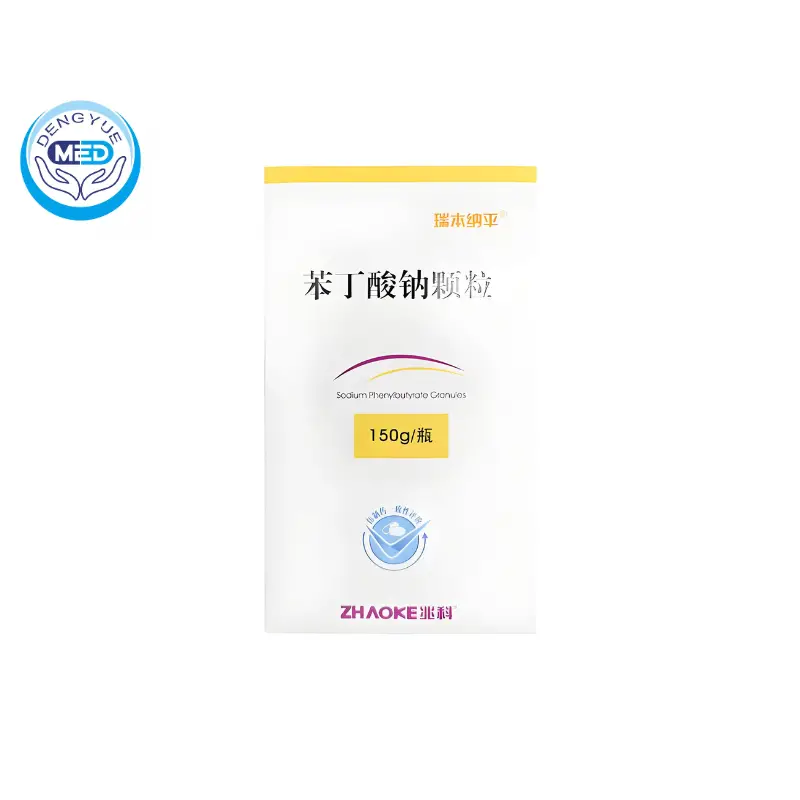
Sodium Phenylbutyrate Granules | Urea Cycle Disorders
-
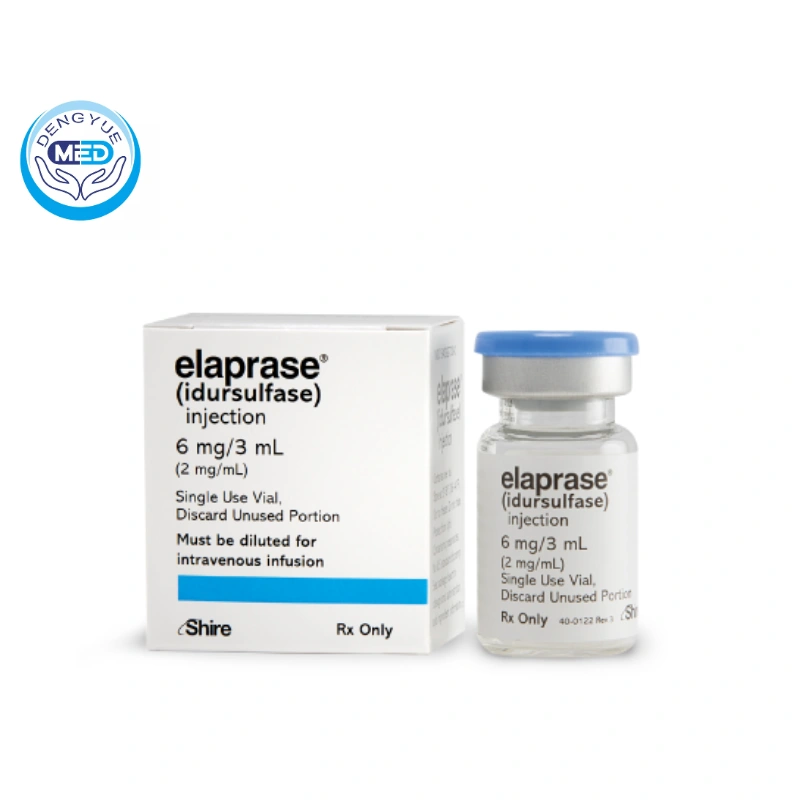
Elaprase Idursulfase | Mucopolysaccharidosis Type II | DengYueMedicine
-
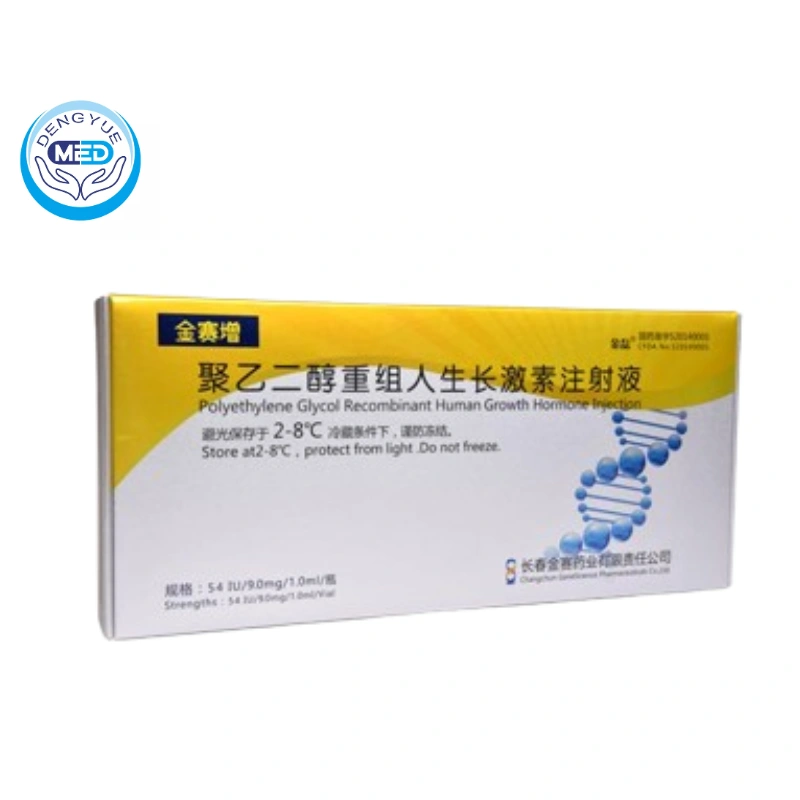
Recombinant Human Somatropin | Growth Hormone Deficiency | DengYueMedicine
-
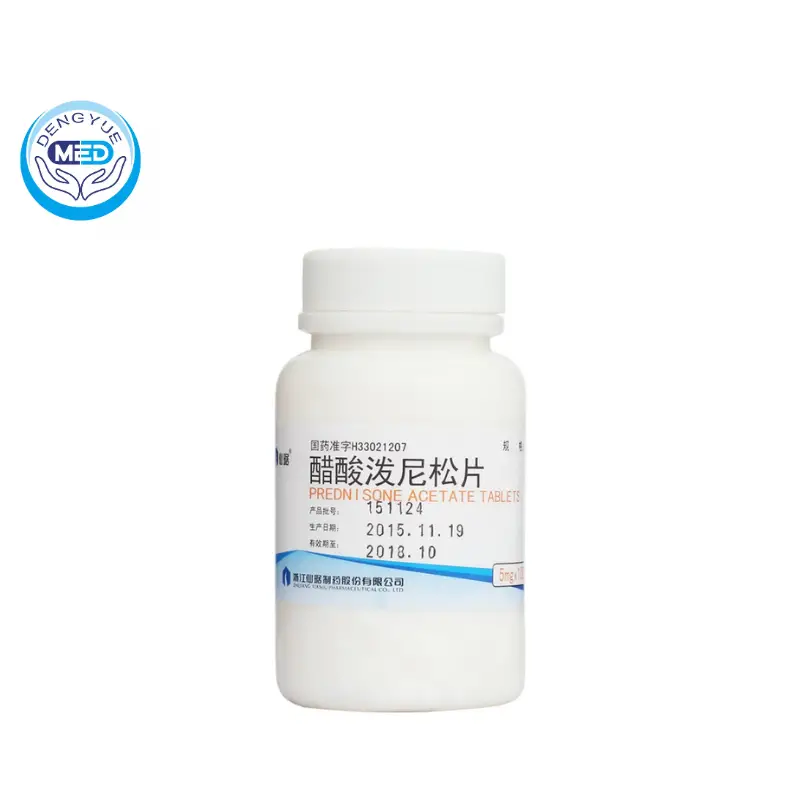
Prednisone Acetate Tablets|Immune Inflammatory Diseases
-
Pitolisant Hydrochloride Tablets
-

Syprine Trientine Hydrochloride Tablets | Wilson’s Disease | DengYueMedicine
Reviews
There are no reviews yet.