
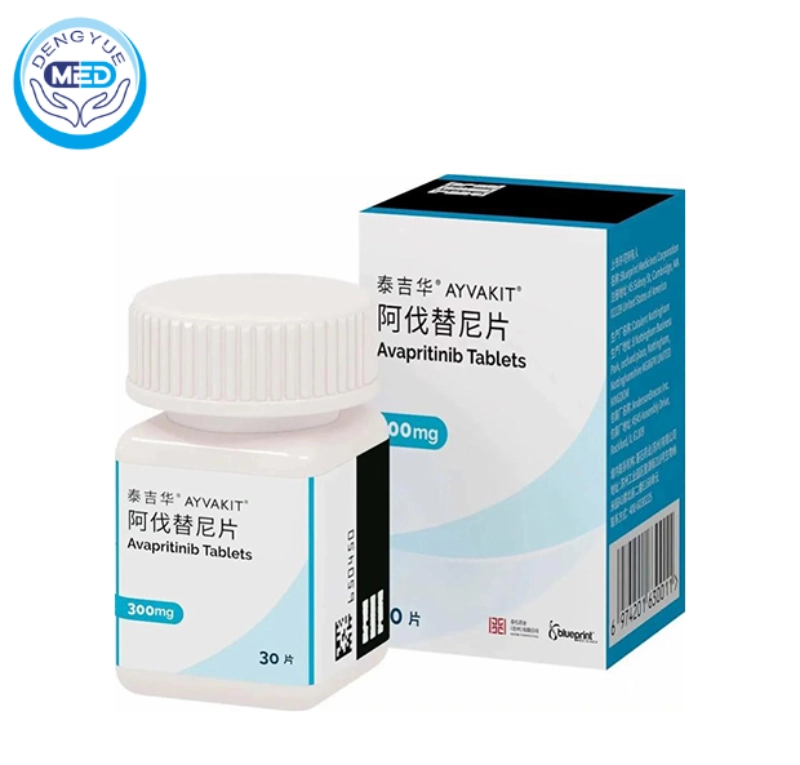
Ayvakit (Avapritinib) – Systemic Mastocytosis | HongKong DengYue Medicine
- Generic Name/Brand Name: Avapritinib / Ayvakit®
- Indications: Systemic Mastocytosis
- Dosage Form: Tablets
- Specification:25 mg, 100 mg × 30 tablets/box
Avapritinib Application Scope
Ayvakit (Avapritinib) is primarily indicated for the treatment of advanced or metastatic gastrointestinal stromal tumors (GISTs) with PDGFRA exon 18 mutations, including those with the D842V mutation, which are resistant to other treatments. Avapritinib is a tyrosine kinase inhibitor (TKI) that specifically targets and inhibits KIT and PDGFRA receptors, which are involved in the growth and proliferation of GIST cells.

Avapritinib Characteristics
- Ingredients: Avapritinib (the active pharmaceutical ingredient)
- Properties: Avapritinib is a tyrosine kinase inhibitor that targets specific mutations in the KIT and PDGFRA genes, which are often involved in certain cancers. By inhibiting these kinases, Avapritinib helps reduce tumor growth and proliferation.
- Specification: Tablets typically come in strengths of 25 mg, 100 mg, or other dosages depending on the treatment protocol.
Packaging Specification:
- Storage: Store in a cool, dry place at room temperature (20°C to 25°C or 68°F to 77°F).
- Effective period: The expiration date is typically printed on the packaging. It may vary by the batch but is typically 1 to 2 years from the manufacturing date.
- Approval Number: The specific approval number (or registration number) depends on the country where the drug is marketed, such as FDA (U.S.) approval or EMA (EU) approval.
- Manufacturer: The drug is manufactured by [Manufacturer Name]. This could vary, as multiple companies might hold the distribution rights depending on the region.
Guidelines For The Use Of Ayvakit
- Dosage and Administration: The typical dosage regimen depends on the condition being treated and the individual patient’s response. For GIST, the recommended dose is usually 300 mg once daily, but this may vary based on specific clinical circumstances. Administer with or without food. Swallow tablets whole, do not chew or crush.
- Adverse Reactions: Common side effects include fatigue, nausea, diarrhea, decreased appetite, and headache. Serious adverse reactions may include myelosuppression, QT interval prolongation, and gastrointestinal perforations. Monitor patients regularly for signs of toxicity or complications.
Medication Limitations
- Contraindications: Hypersensitivity to avapritinib or any of the tablet components. Not recommended for use during pregnancy unless the potential benefit outweighs the potential risk to the fetus.
- Precautions: Caution in patients with liver or kidney impairment. Monitor patients for any signs of bleeding, heart problems, or gastrointestinal issues during treatment. Avoid concomitant use with strong CYP3A4 inhibitors or inducers unless necessary.
Avapritinib Interactions
- Drug Interactions: Avapritinib may interact with other medications that affect the CYP3A4 enzyme system.Drugs such as ketoconazole, itraconazole, and rifampin may alter avapritinib levels.Concomitant use with other tyrosine kinase inhibitors or chemotherapy agents may increase the risk of side effects.
Note:
- If there is a new packaging for the drug, the new packaging shall prevail. The above information is sourced from Hong Kong DengYue Medicine, China Medicine Wholesaler. It is only for internal discussion among medical staff and does not serve as a basis for medication. For specific medication guidelines, please consult the attending physician.
Contact Us
Related products
-

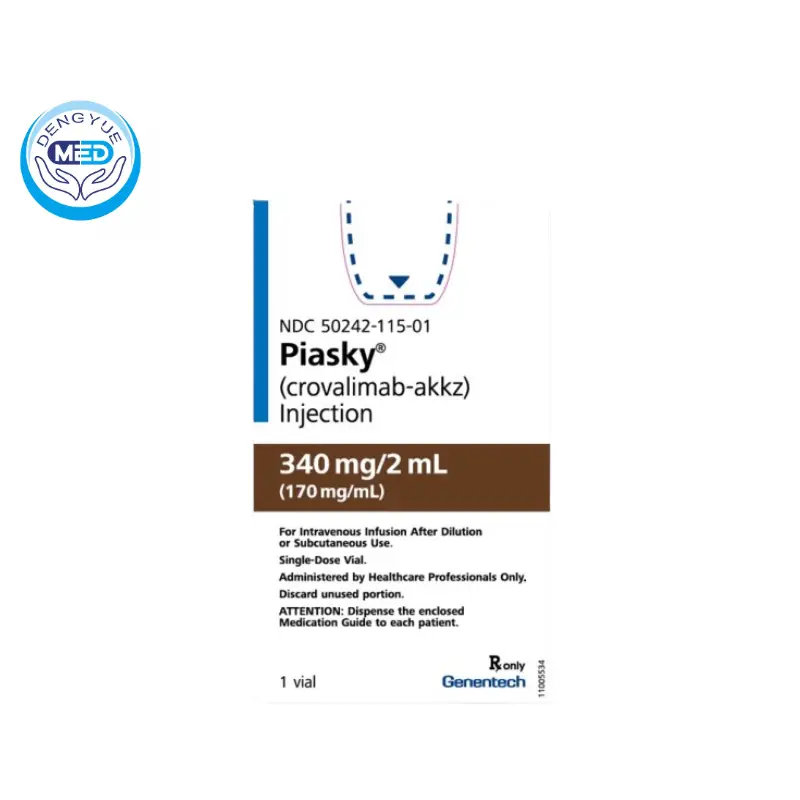
Piasky Crovalimab | Paroxysmal Nocturnal Hemoglobinuria
-
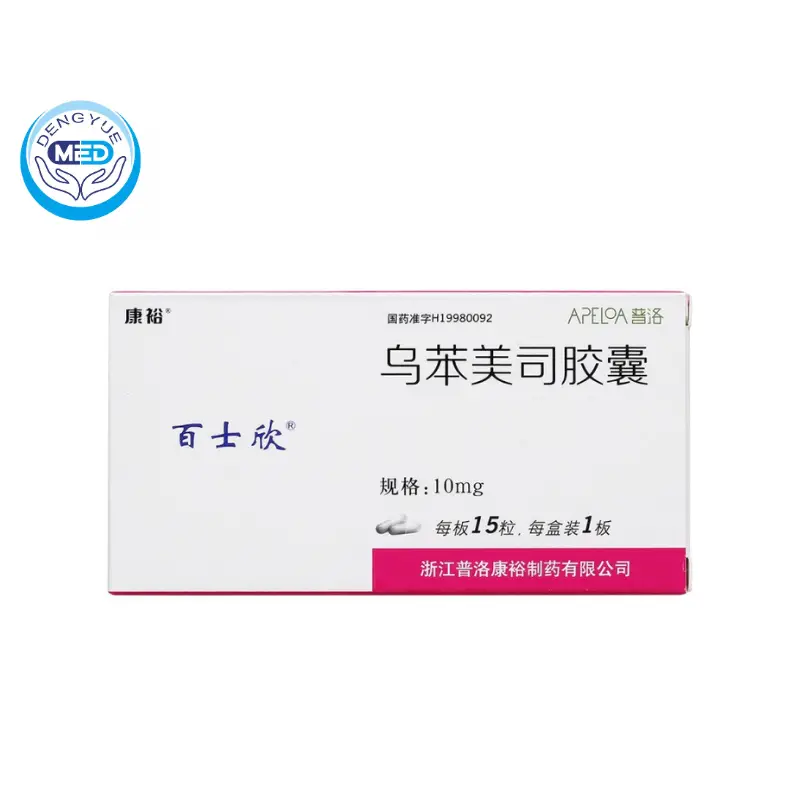
Ubenimex Capsules|Enhancement of immune function
-
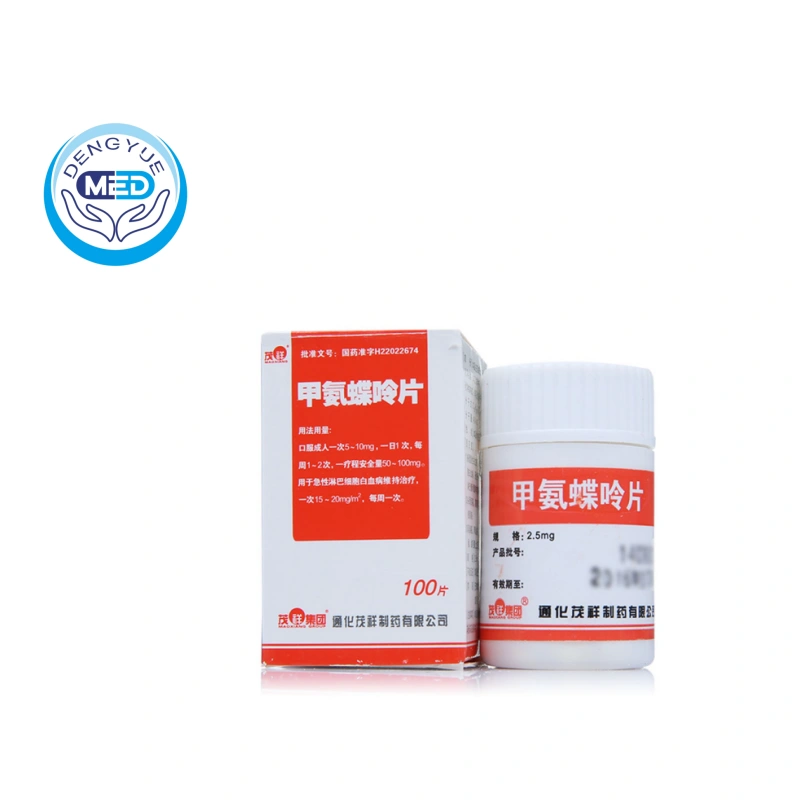
Methotrexate 2.5mg Tablets | Cancer Chemotherapy
-
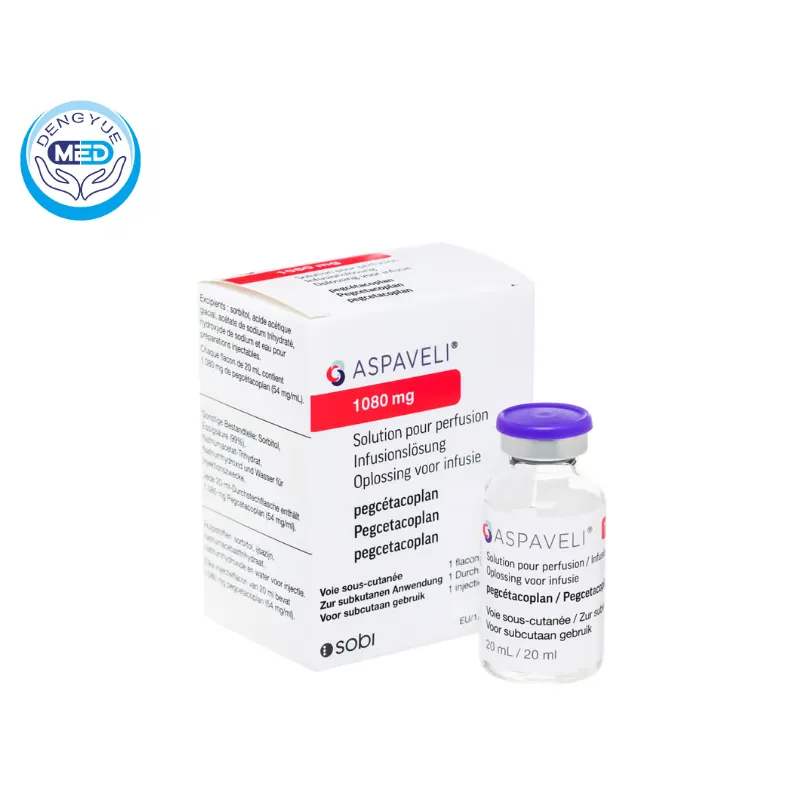
Aspaveli Pegcetacoplan 1080mg | PNH | DengYueMed
-
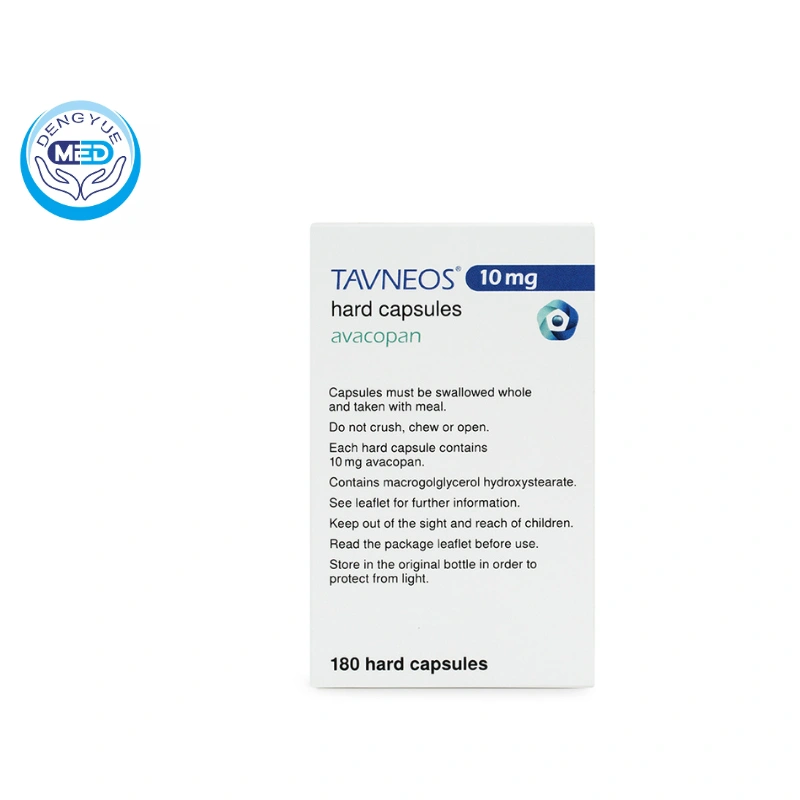
Avacopan|ANCA-Associated Vasculitis|HongKong DengYue Medicine
-
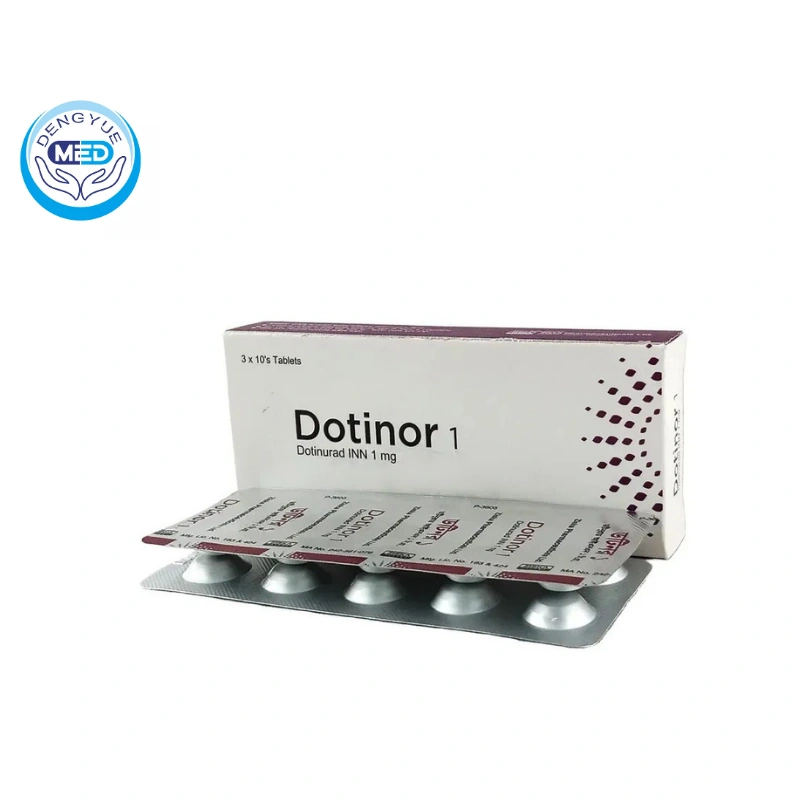
Dotinurad|Hyperuricemia|HongKong DengYue Medicine
-
Azathioprine Tablets
-

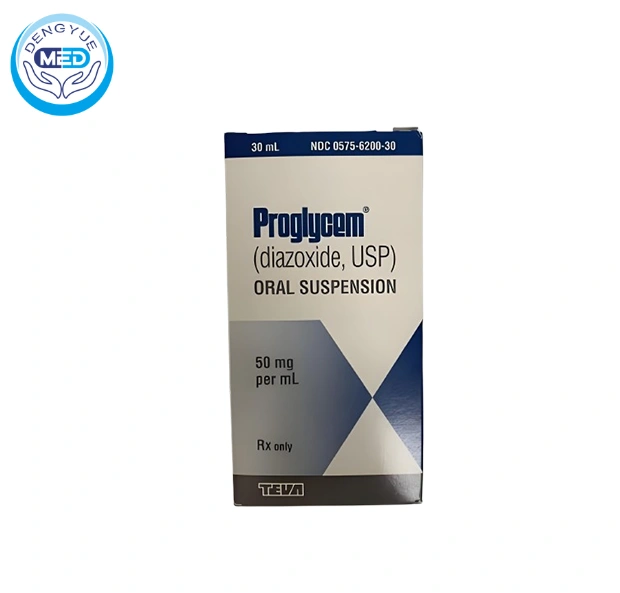
Proglycem Diazoxide | Hyperinsulinemic Hypoglycemia | DengYueMedicine

Reviews
There are no reviews yet.