
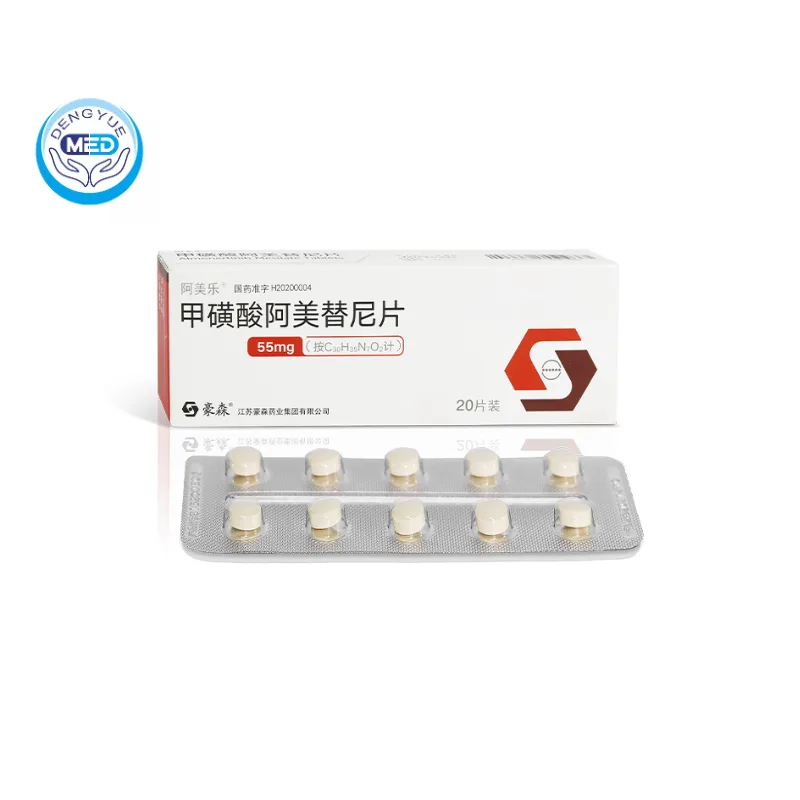
Ameile (Aumolertinib Mesylate) – NSCLC | DengYueMed
- Generic Name/Brand Name: Aumolertinib Mesylate/Ameile
- Indications: NSCLC (Lung Cancer)
- Dosage Form: Oral film‑coated Tablets
- Specification: 55 mg*20 tablets
Ameile Application Scope
Ameile is a third‑generation, irreversible EGFR tyrosine kinase inhibitor used to treat EGFR‑mutated non‑small cell lung cancer (NSCLC).
Characteristics
-
Ingredients: Aumolertinib Mesylate
-
Properties:
-
Oral, irreversible EGFR‑TKI targeting both common sensitizing mutations (exon 19 del, L858R)
-
Resistance mutation T790M
-
Third‑generation with higher CNS penetration and lower wild‑type EGFR toxicity
-
-
Packaging Specification: 110 mg tablets; typically packaged in bottles or blister packs for daily dosing
-
Storage: Store at room temperature in the original container; protect from moisture
-
Expiry Date: As stated on the package, follow label guidance
-
Executive Standard: Meets China NMPA and international pharmaceutical standards (ATC L01EB11)
-
Approval Number:
-
NMPA approved in March 2020 (T790 M+)
-
December 2021 (first-line exon19/21), and 2024‑2025 for additional indications
-
-
Date of Revision: Most recent label update: May 9, 2025
-
Manufacturer: Jiangsu Hansoh Pharmaceutical Group Co., Ltd. (Hansoh Pharma)
Guidelines for the Use of Ameile
-
Dosage and Administration:
-
110 mg orally once daily
-
Approved as second‑line for EGFR T790M+ NSCLC (≥ March 2020)
-
Approved as first‑line for advanced/metastatic exon 19 del or L858R mutations (≥ Dec 2021)
-
Expanded to adjuvant settings post‑resection (2024) and unresectable Stage III (2025)
-
-
Adverse Reactions:
-
Common AEs: rash, diarrhea, elevated liver enzymes, CPK increase — mostly Grade 1‑2
-
Low rate of interstitial lung disease, QT prolongation, or severe rash
-
-
Contraindications:
-
Hypersensitivity to aumolertinib or ingredients
-
Not for wild‑type EGFR NSCLC
-
-
Precautions:
-
Monitor liver function and ECG periodically
-
Caution in patients with cardiac risk factors
-
Reassess therapy in cases of CNS metastases
-
Ameile Interactions
-
Drug Interactions:
-
Metabolized by CYP3A4; avoid strong inhibitors/inducers
-
Potential interactions with other QT‑prolonging drugs
-
Note:
- If there is a new packaging for the drug, the new packaging shall prevail. The above information is sourced from DengYue Medicine.
- It is only for internal discussion among medical staff and does not serve as a basis for medication. For specific medication guidelines, please consult the attending physician.
Related products
-

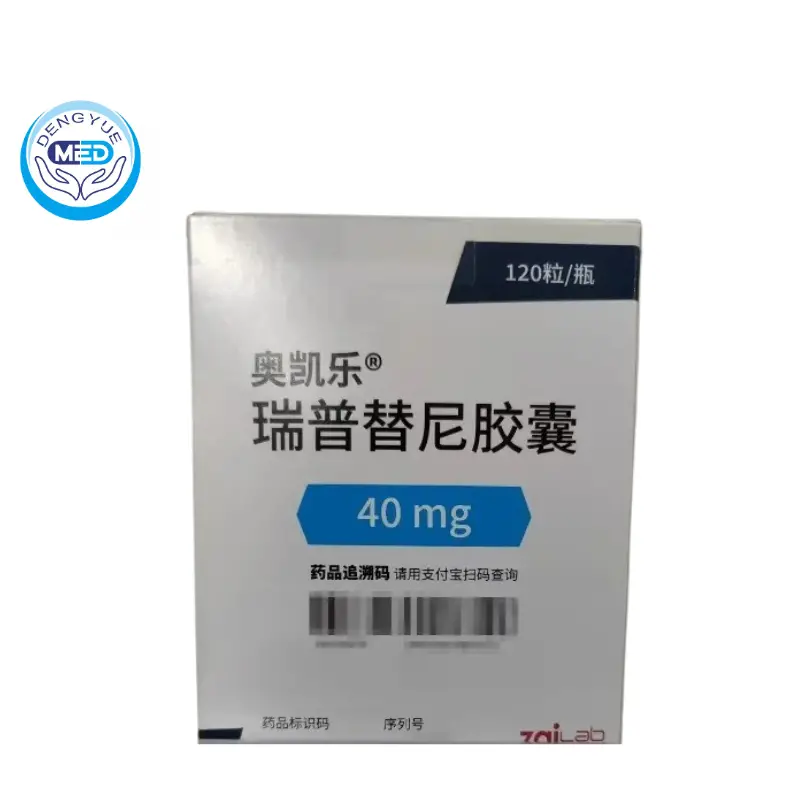
Repotrectinib NTRK | Non-small Cell Lung Cancer
-
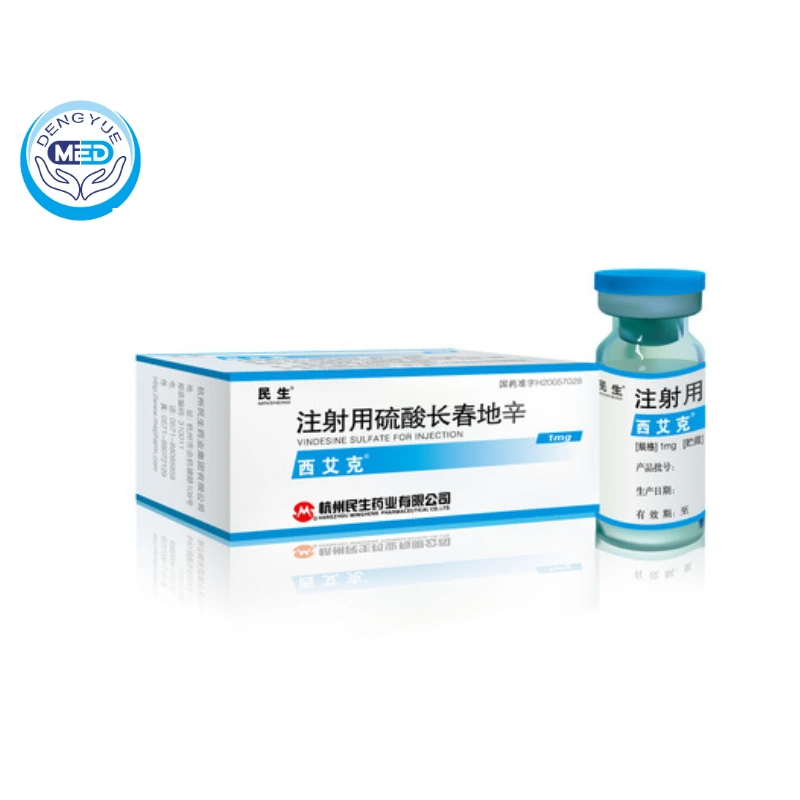
Vindesine Sulfate For Injection | Melanoma | HK DengYue
-
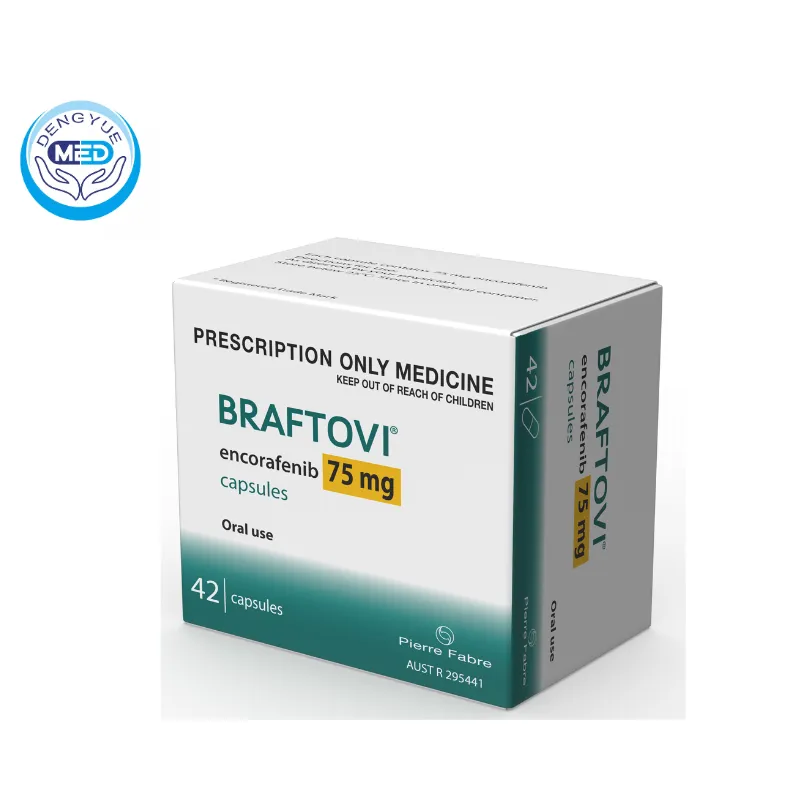
Encorafenib|Non-Small Cell Lung Cancer|HongKong DengYue Medicine
-
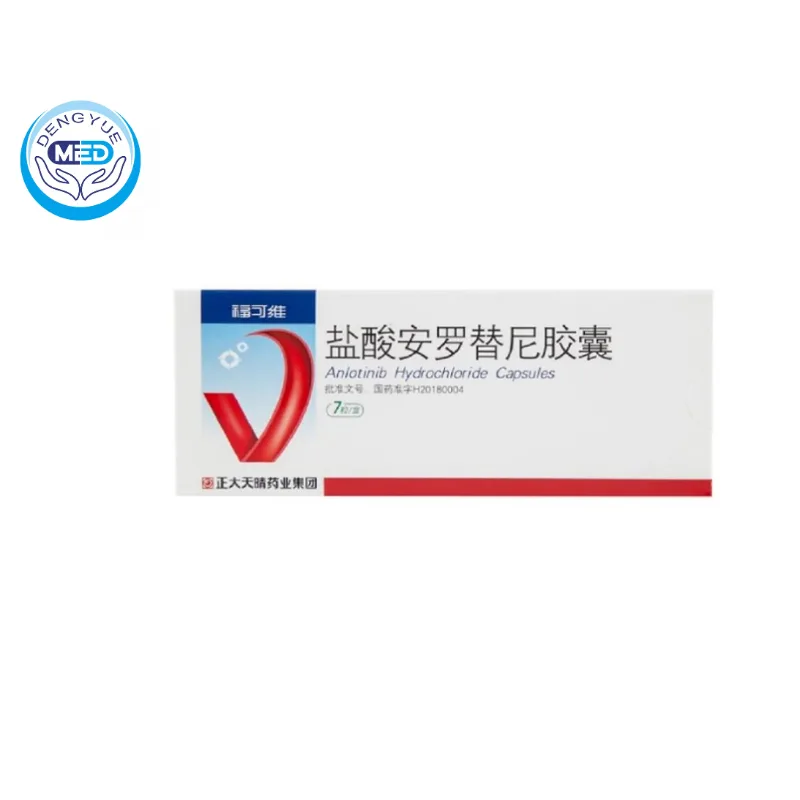
Fukewai (Anlotinib Hydrochloride) – NSCLC | HongKong DengYue Medicine
-
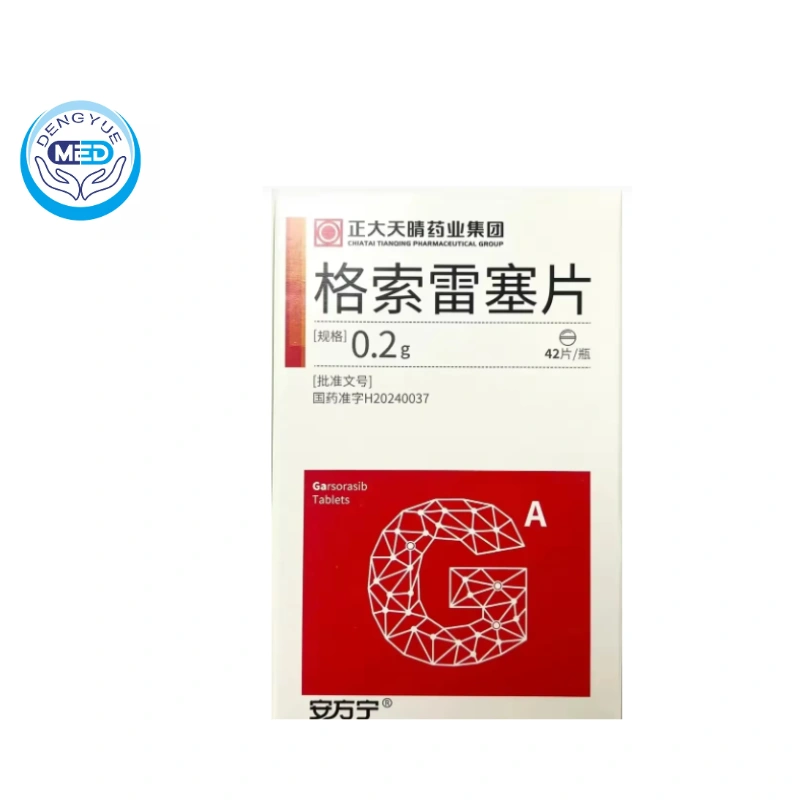
Anfangning (Garsorasib) – NSCLC | HongKong DengYue Medicine
-
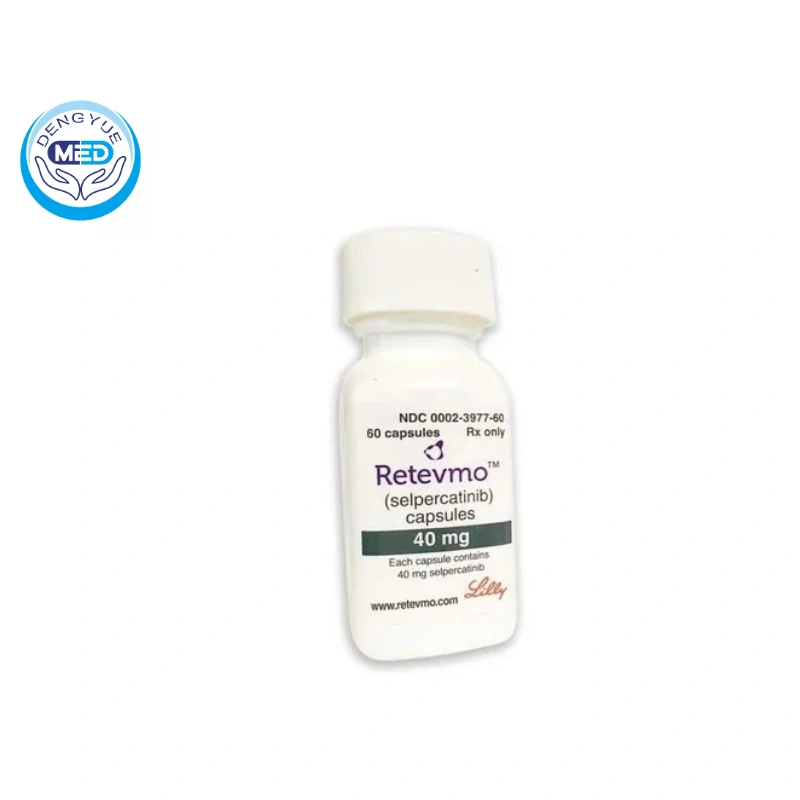
Selpercatinib|Thyroid Cancer|HongKong DengYue Medicine
-
Lazertinib | Non-Small Cell Lung Cancer | HongKong DengYue Medicine
-
Tetrandrine Tablets | Anti Rheumatism | Lung Cancer

Reviews
There are no reviews yet.