
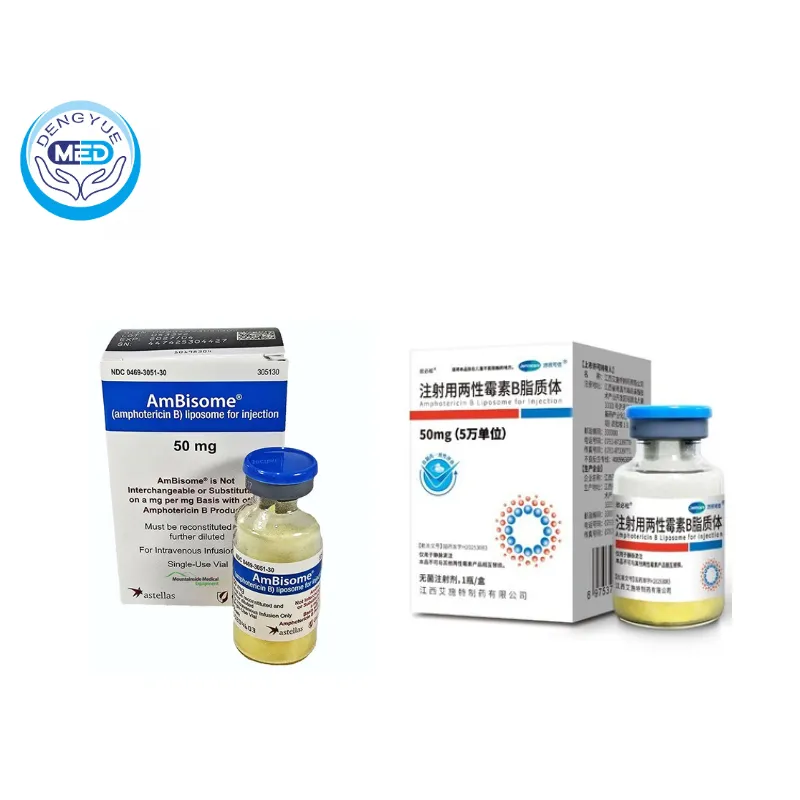
Ambisome (Amphotericin B Liposome) – Invasive Fungal Diseases | HongKong DengYue Medicine
- Generic Name/Brand Name: Amphotericin B (liposomal)/Ambisome
- Indications: Severe invasive fungal infections, visceral leishmaniasis
- Dosage Form: Intravenous injection
- Specification: 50 mg x 1 vial
Ambisome Amphotericin B Liposome Application Scope
AmBisome is indicated for the treatment of serious systemic and/or deep mycoses, including:
-
Visceral leishmaniasis
-
Empirical treatment of presumed fungal infections in febrile neutropenic patients
-
Systemic or disseminated infections due to Candida, Aspergillus, or Cryptococcus species in patients who are refractory to or intolerant of conventional amphotericin B therapy or who have renal impairment
ambisome amphotericin b
Ambisome Amphotericin B Liposome Characteristics
-
Ingredients: Contains 50 mg of amphotericin B
-
Properties: Sterile, non-pyrogenic lyophilized powder for intravenous infusion
-
Packaging Specification: Available in 50 mg vials
-
Storage: Store at 2–8°C (refrigerated), and protect from light. Do not freeze. Reconstituted solution should be used within 24 hours if stored at 2–8°C
-
Expiry Date:Refer to the expiration date on the packaging. Do not use beyond this date
-
Executive Standard: Complies with the United States Pharmacopeia (USP) standards
-
Approval Number: FDA Approval No. 050740
-
Date of Revision: March 2012
-
Manufacturer: Astellas Pharma US, Inc
Guidelines for the Use of Ambisome Amphotericin B Liposome
-
Dosage and Administration:
-
Recommended Dose: Adults and children ≥1 month: 3–5 mg/kg/day
-
Administration:
-
Administer under the supervision of qualified healthcare personnel
-
Monitor for infusion-related reactions
-
Adjust dosage based on clinical response and toleranc
-
-
Missed Dose: If a dose is missed, administer as soon as possible unless it is near the time for the next dose. Do not double the dose to make up for a missed dose.
-
-
Adverse Reactions:
-
Common Adverse Reactions:
-
Fever
-
Chills
-
Nausea
-
Headache
-
Hypotension
-
Electrolyte imbalances (e.g., hypokalemia, hypomagnesemia)
-
-
Serious Adverse Reactions:
-
Nephrotoxicity
-
Anaphylactic reactions
-
Severe infusion-related reactions
-
Hepatotoxicity
-
-
-
Contraindications: Hypersensitivity to amphotericin B or any component of the formulation
-
Precautions:
-
Use with caution in patients with pre-existing renal dysfunction
-
Monitor vital signs and laboratory parameters during treatment
-
Hydration may reduce the risk of nephrotoxicity
-
Not recommended for non-invasive fungal infections
-
Ambisome Interactions
-
Flucytosine: Concomitant use may increase the risk of flucytosine toxicity; consider dose adjustments.
-
Corticosteroids: May enhance the risk of hypokalemia.
-
Other nephrotoxic agents (e.g., aminoglycosides, cyclosporine): Concomitant use may increase the risk of nephrotoxicity; monitor renal function closely.
-
Neuromuscular blocking agents: Risk of enhanced neuromuscular blockade due to hypokalemia.
-
Antifungal agents (e.g., ketoconazole, itraconazole): Potential antagonistic effects; monitor therapeutic efficacy.
Note:
- If there is a new packaging for the drug, the new packaging shall prevail. The above information is sourced from DengYue Medicine.
- This content is for reference only. Prescription drugs must be used under a doctor’s guidance and purchased from authorized sources.
Related products
-

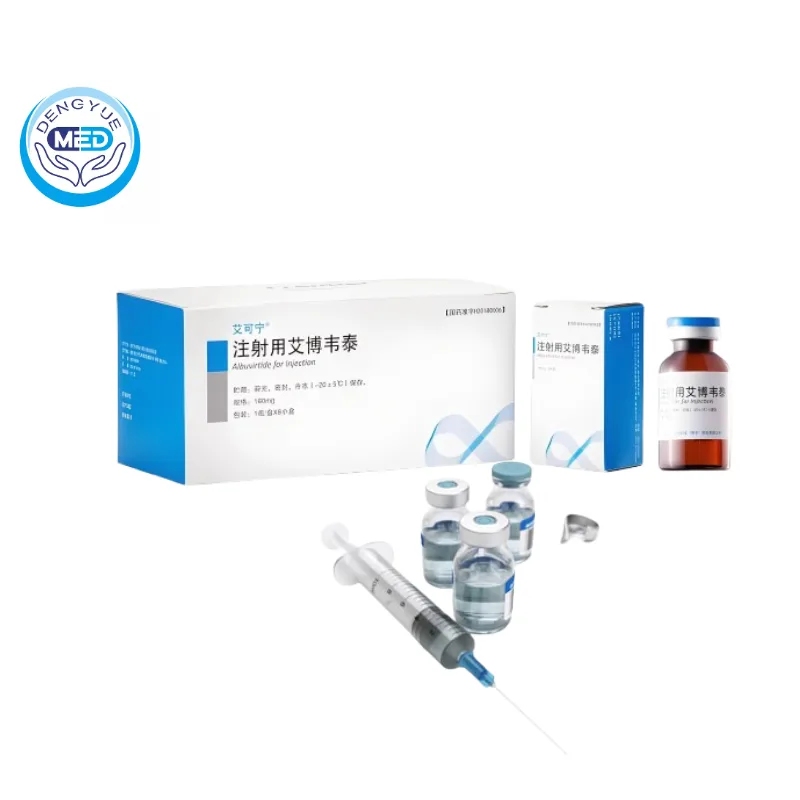
Albuvirtide Injection (Aikening) – HIV | HongKong DengYue Medicine
-
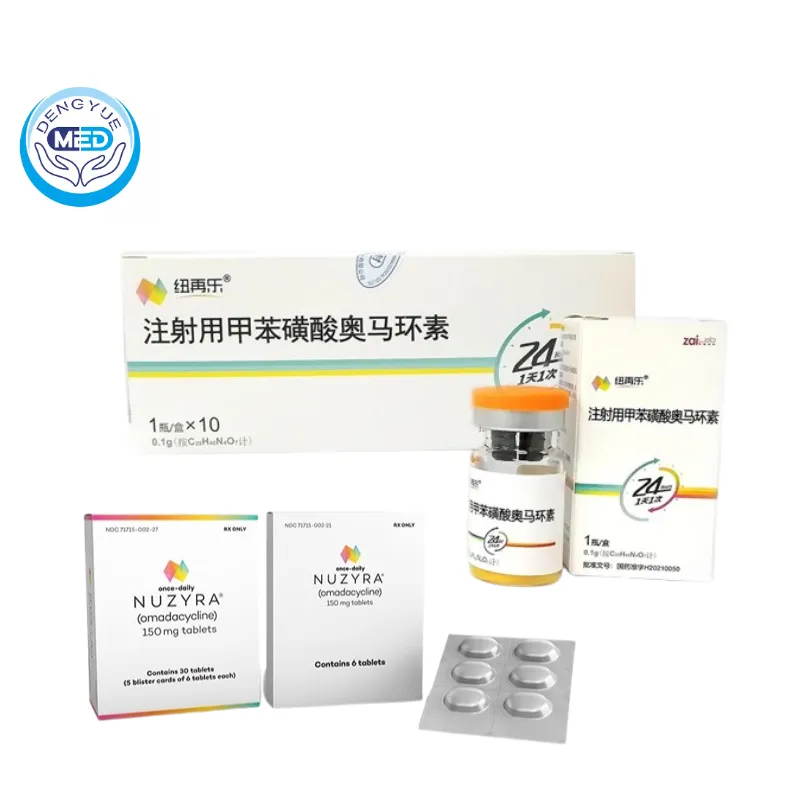
NUZYRA (Omadacycline) – Antibiotics | HongKong DengYue Medicine
-
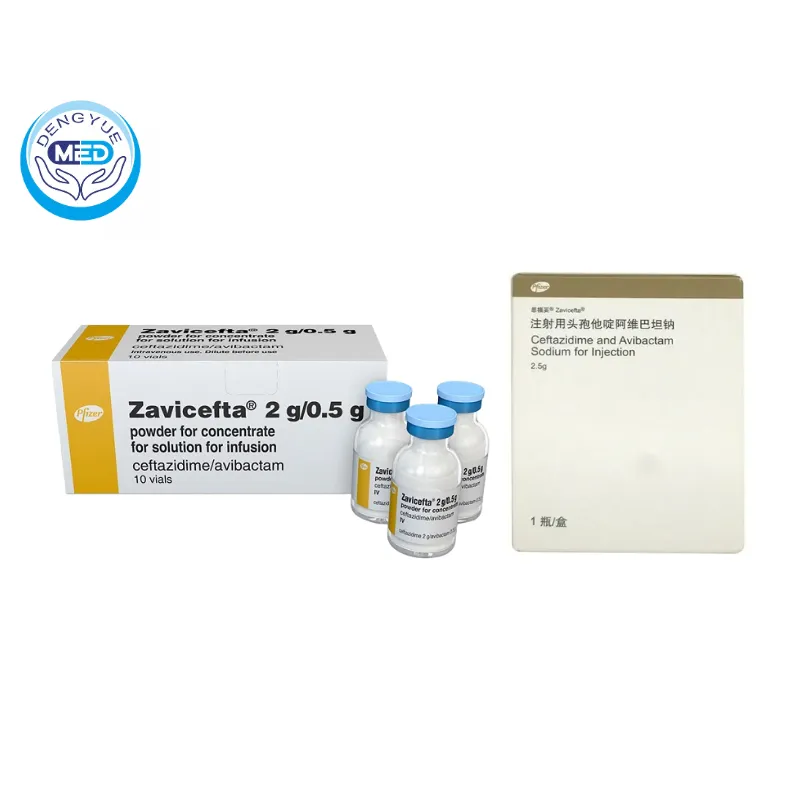
Zavicefta (Ceftazidime and Avibactam Sodium) | CIAI | DengYue
-
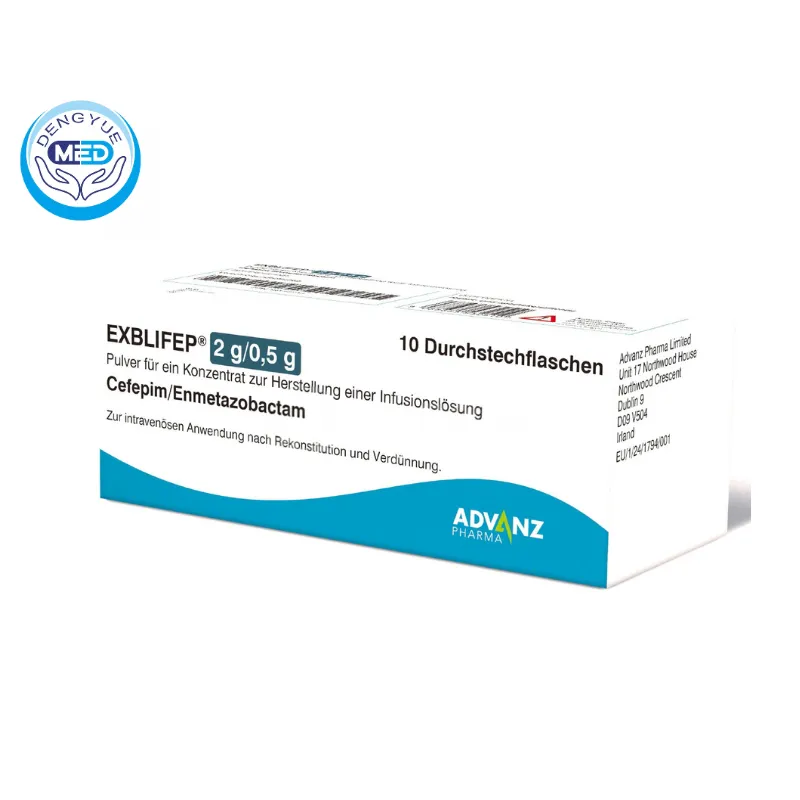
Exblifep (Cefepime and Enmetazobactam) | Urinary Tract Infections | DengYue Med
-
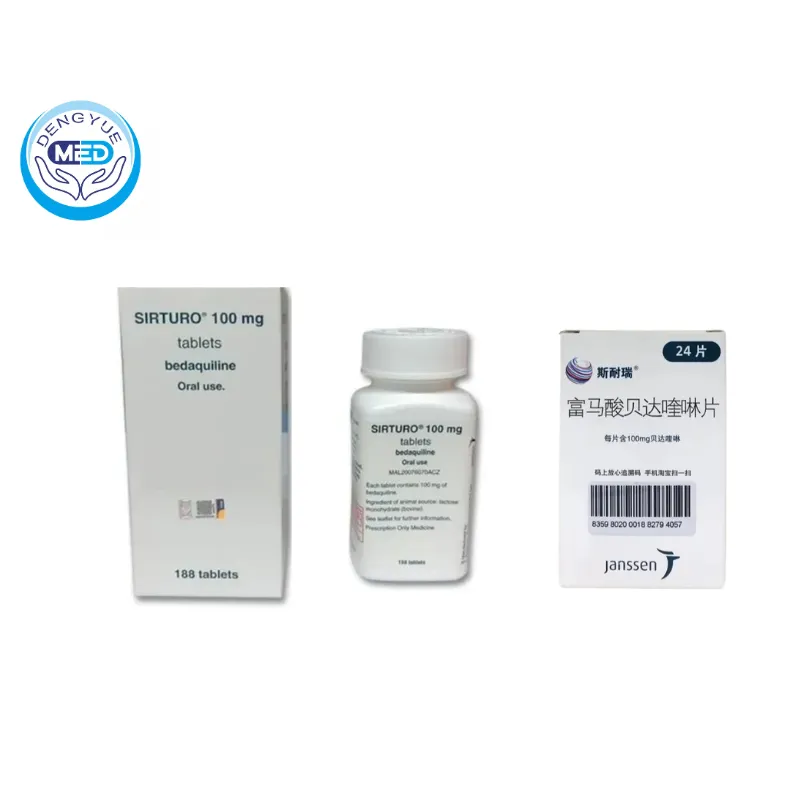
SIRTURO (Bedaquiline) – MDR-TB | HongKong DengYue Medicine
-
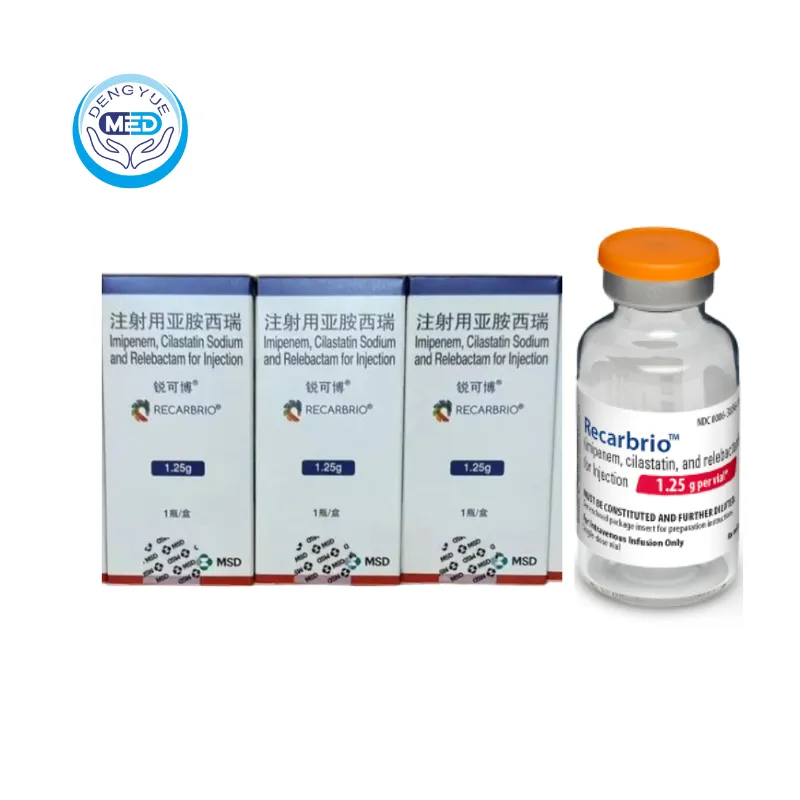
RECARBRIO (Imipenem/Cilastatin/Relebactam) – CUTI & CIAI | HongKong DengYue Medicine
-
Xerava (Eravacycline) | CIAIs | HongKong DengYue Medicine
-
Deltyba (delamanid) – MDR-TB | HongKong DengYue Medicine
Reviews
There are no reviews yet.