
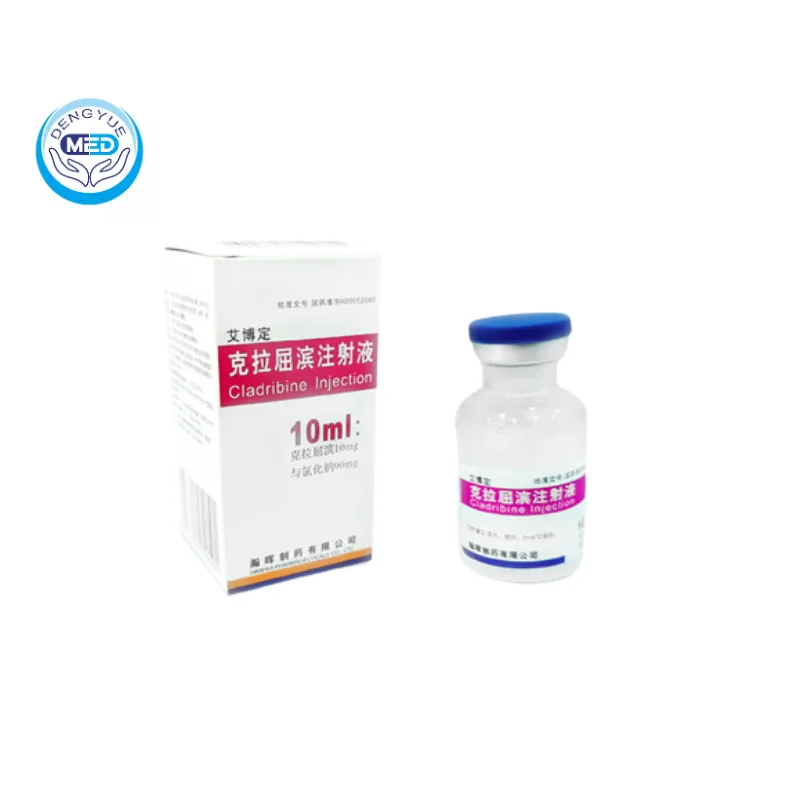
Aiboding (Cladribine) – HCL | HongKong DengYue Medicine
- Generic Name/Brand Name: Cladribine/Aiboding
- Indications: Hairy Cell Leukemia (Hematology)
- Dosage Form: Intravenous injection solution
- Specification: 10 mg/vial
Aiboding Application Scope
Aiboding is the injectable form of cladribine, used as a targeted chemotherapy agent for Hairy Cell Leukemia.
Characteristics
-
Ingredients: Cladribine
-
Properties:
-
Clear, colorless, sterile, preservative-free, isotonic IV solution
-
pH ~5.5–8.0 (adjusted to ≈6.3)
-
Synthetic purine nucleoside analog; cytotoxic to lymphocytes and monocytes
-
-
Packaging Specification: Single-use vials containing 10 mg cladribine in 10 mL solution
-
Storage: Store refrigerated. Use aseptic technique; no preservatives
-
Expiry Date: Meets USP monograph for cladribine injection (90–110% labeled dose)
-
Executive Standard: U.S. FDA approval under the Accelerated Approval Program
-
Approval Number: Refer to the national/region-specific marketing authorization.
-
Date of Revision: Latest FDA label update: Jan 2025
-
Manufacturer:
-
Marketed by Fresenius Kabi / Pfizer
-
Hisun under cladribine injection USP listings
-
Guidelines for the Use of Aiboding
-
Dosage and Administration:
-
Standard regimen: continuous IV infusion 0.09 mg/kg/day for 7 days
-
Dilute with designated diluent; prepare aseptically
-
-
Adverse Reactions:
-
Bone marrow suppression (thrombocytopenia, anemia, neutropenia)
-
High-dose associated toxicities: nephrotoxicity, neurological damage
-
Infusion-related effects: monitor renal and neurologic function
-
-
Contraindications:
-
Known hypersensitivity to cladribine
-
Avoid in uncontrolled infections and severe bone marrow suppression
-
-
Precautions:
-
Requires supervision by an experienced oncologist
-
Use aseptic technique; monitor CBC, renal, and liver function regularly
-
Monitor for neurologic symptoms and nephrotoxicity
-
Aiboding Interactions
-
Drug Interactions:
-
Caution with other marrow-toxic or nephrotoxic drugs
-
Cladribine’s metabolism has not been extensively studied with transporters
-
Eliminated via renal and hepatic routes
-
Note:
- If there is a new packaging for the drug, the new packaging shall prevail. The above information is sourced from DengYue Medicine.
- It is only for internal discussion among medical staff and does not serve as a basis for medication. For specific medication guidelines, please consult the attending physician.
Related products
-

Imatinib Mesylate Tablets | Leukaemia
-
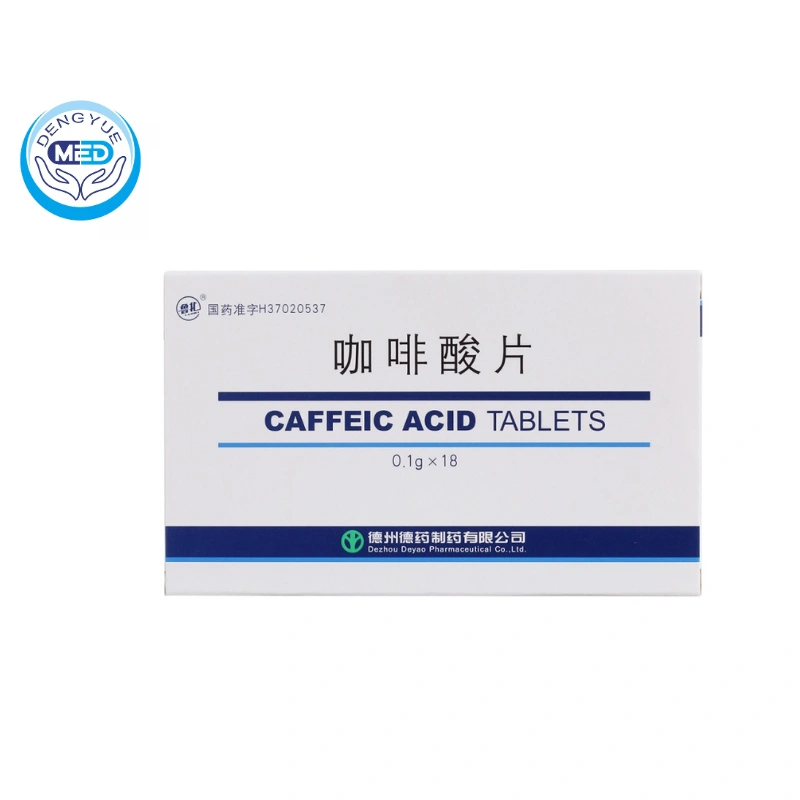
Caffeic Acid Tablets|Thrombocytopenia | China Medicine Wholesaler
-
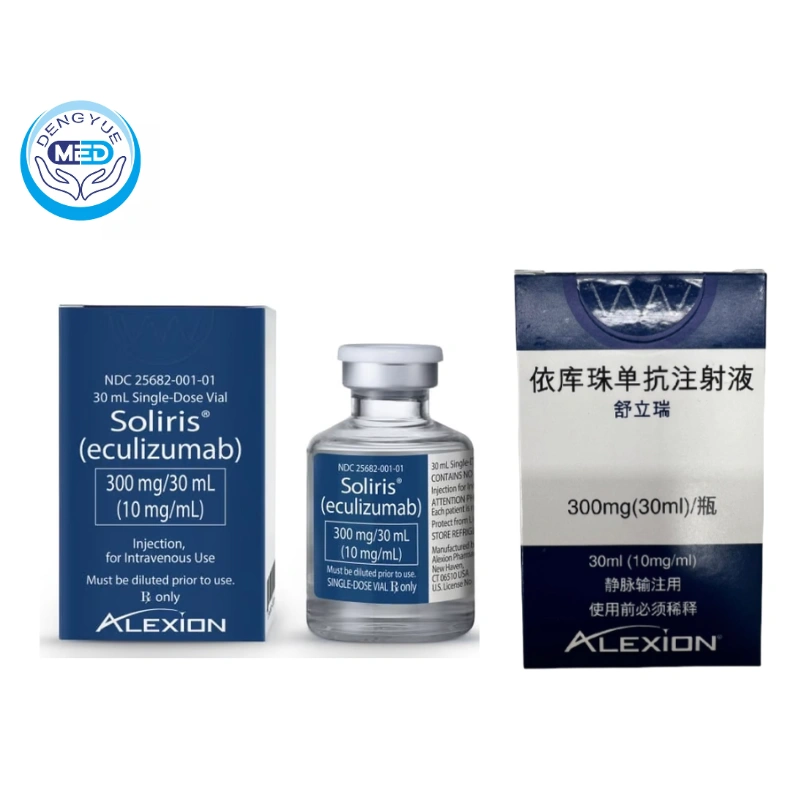
Eculizumab Injection | Paroxysmal Sleep Hemoglobinuria
-
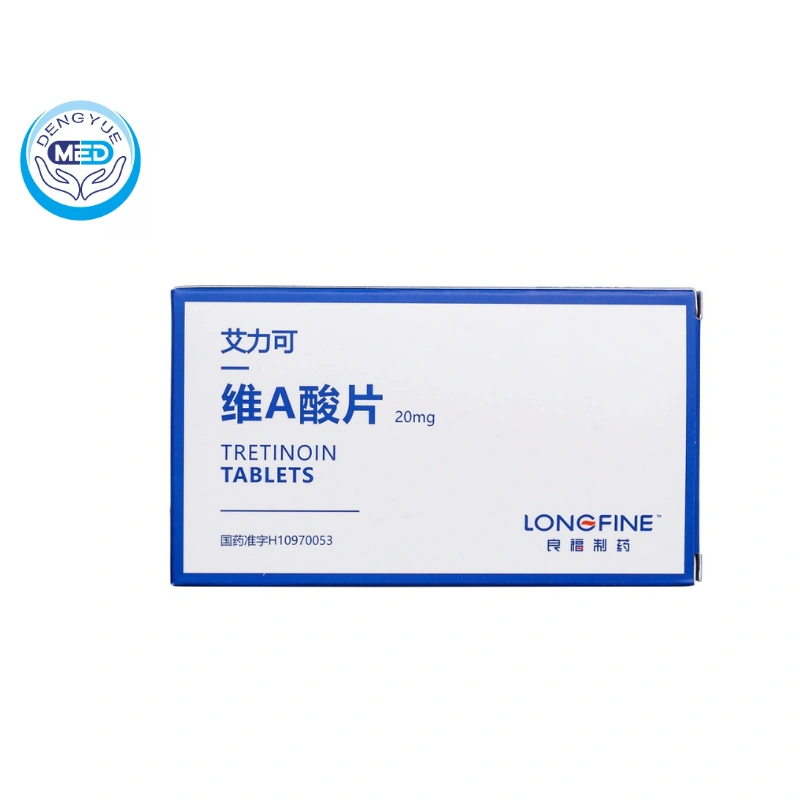
Tretinoin Tablets | Hematology|HongKong DengYue Medicine
-
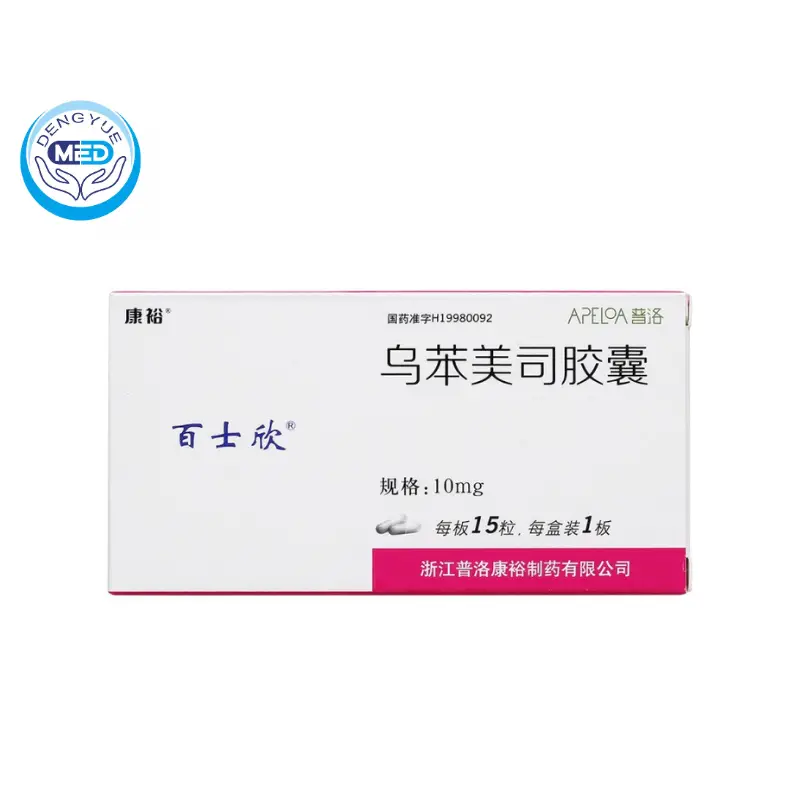
Ubenimex Capsules|Enhancement of immune function
-
Fludarabine Phosphate For Injection | Chronic Lymphocytic Leukemia
-

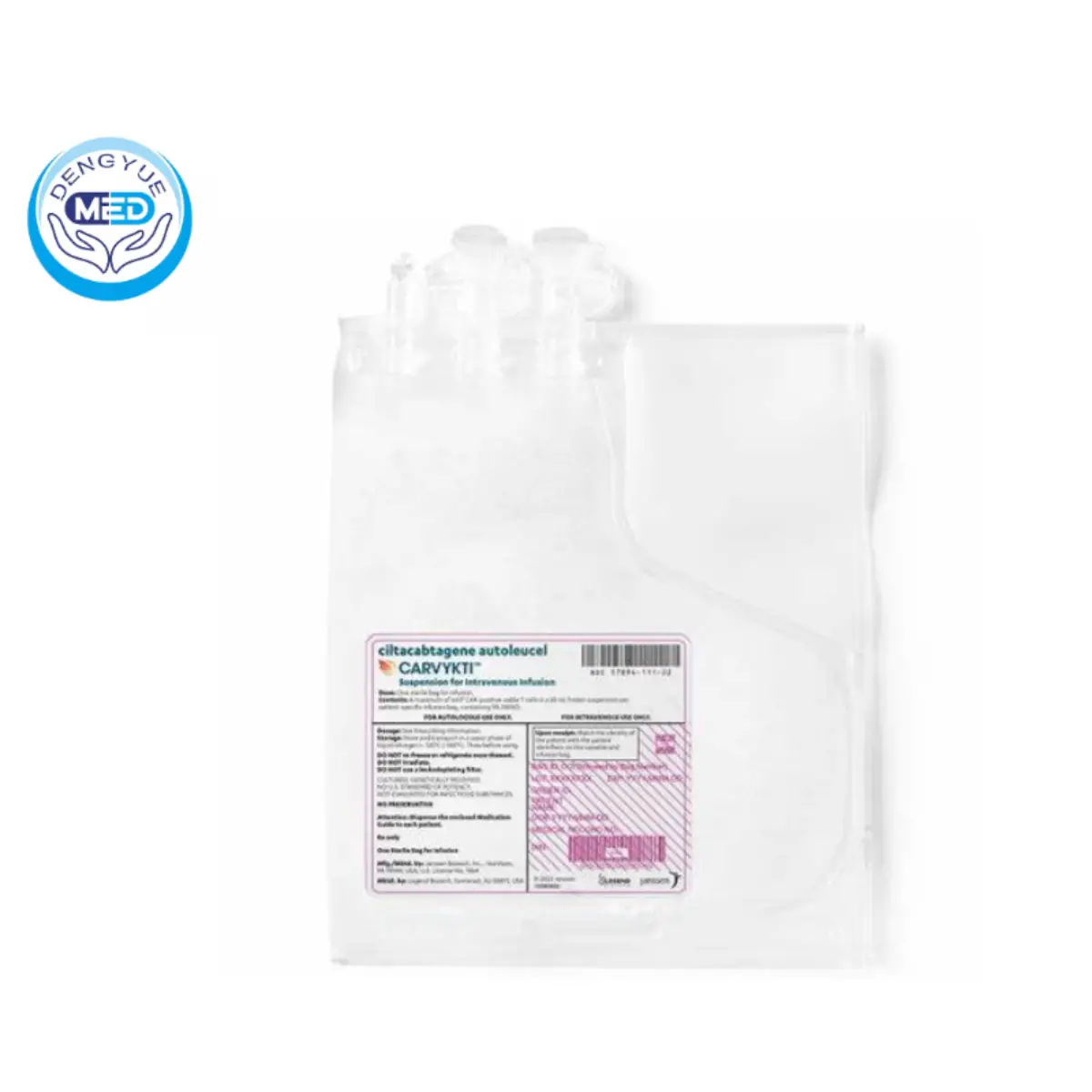
Ciltacabtagene Autoleucel|Multiple Myeloma
-
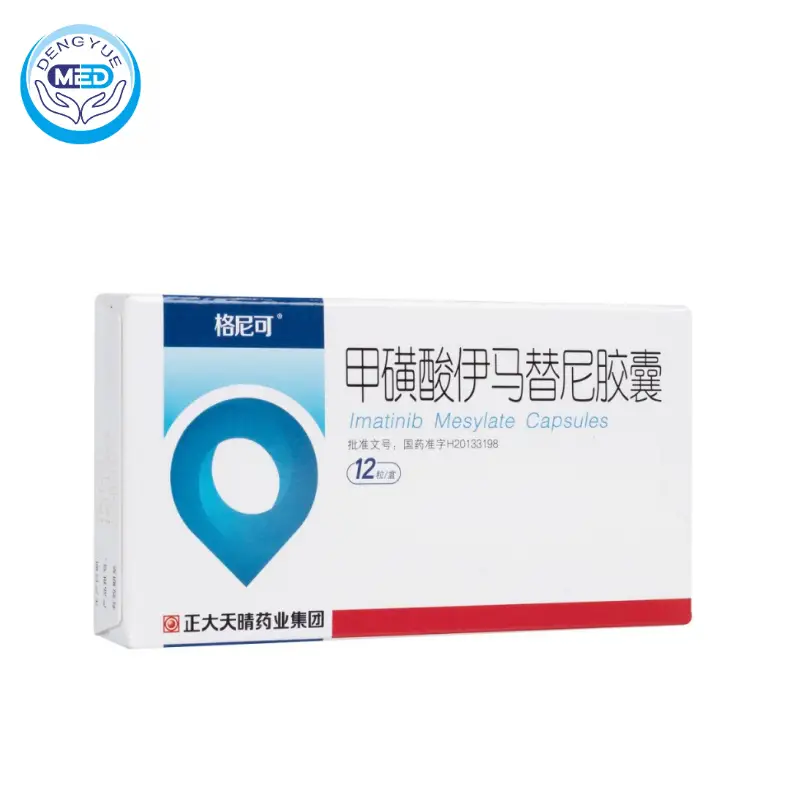
Imatinib Mesylate Capsules | Leukemia Treatment


Reviews
There are no reviews yet.