
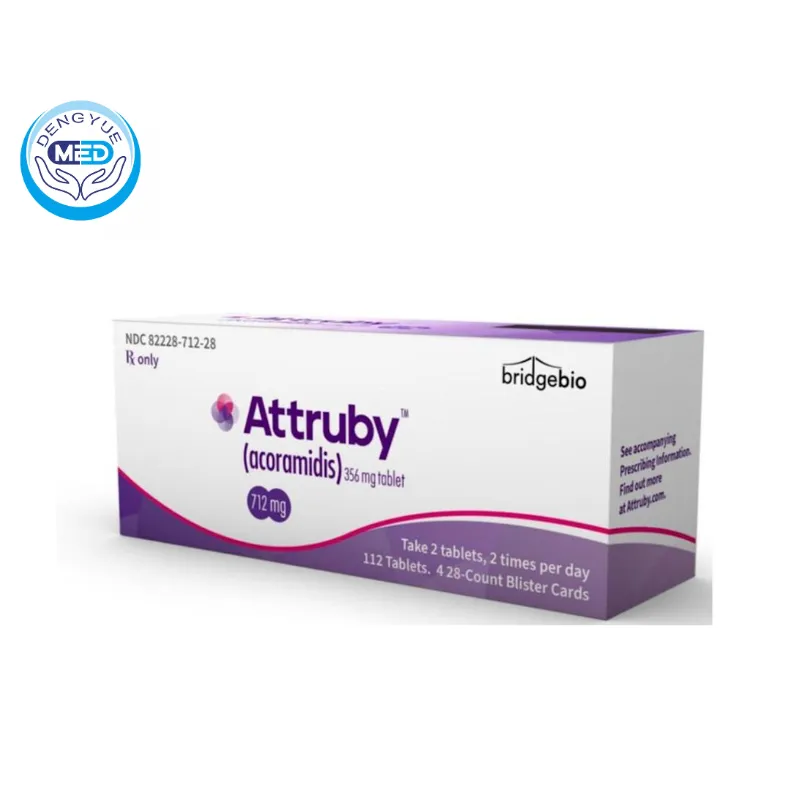
Acoramidis | Cardiomyopathy | HongKong DengYue Medicine
- Generic Name / Brand Name: Acoramidis / Attruby
- Indications: Cardiomyopathy
- Dosage Form: Oral film-coated tablets
Specification: 356 mg per tablet
Acoramidis Application Scope
Treatment of cardiomyopathy of wild-type or variant transthyretin-mediated amyloidosis (ATTR-CM) in adults to reduce cardiovascular death and cardiovascular-related hospitalization.
Acoramidis Characteristics
Ingredients:
-
Active Ingredient: Acoramidis hydrochloride
-
Inactive Ingredients: Croscarmellose sodium, magnesium stearate, microcrystalline cellulose, silicon dioxide, hypromellose, polyvinyl alcohol, propylene glycol, talc, titanium dioxide, black iron oxide, glyceryl monocaprylocaprate, vinyl alcohol graft copolymer
Properties: Acoramidis is a selective stabilizer of transthyretin (TTR). It binds to TTR at thyroxine binding sites, slowing the dissociation of the TTR tetramer into monomers, which is the rate-limiting step in amyloidogenesis.
Packaging Specification: Supplied as a carton containing 112 tablets (4 blister cards of 28 tablets each)
Storage: Store at controlled room temperature 20°C to 25°C (68°F to 77°F); excursions permitted to 15°C to 30°C (59°F to 86°F). Store in original blister card until use to protect from moisture.
Expiry Date: Refer to the packaging for the expiration date.
Executive Standard: Refer to the manufacturer’s specifications and regulatory approvals.
Approval Number: NDA216540
Date of Revision: November 2024
Manufacturer: BridgeBio Pharma, Inc., Palo Alto, CA 94304
Guidelines for the Use of Acoramidis
Dosage and Administration:
-
Recommended Dosage: 712 mg orally twice daily (two 356 mg tablets per dose)
-
Administration: Can be taken with or without food. Swallow tablets whole; do not cut, crush, or chew.
Adverse Reactions:
-
Common (>10%): Gastrointestinal issues, including diarrhea (11.6%)
-
Less Common (1–10%): Upper abdominal pain (5.5%)
-
Frequency Not Defined: Increased serum creatinine and decreased estimated glomerular filtration rate (eGFR)
Contraindications: None identified.
Precautions:
-
Safety and efficacy have not been established in patients younger than 18 years.
-
Use during pregnancy only if the potential benefit justifies the potential risk to the fetus.
-
Advise patients to inform their healthcare provider of a known or suspected pregnancy.
Acoramidis Interactions
Drug Interactions:
-
Avoid concomitant use with UDP-glucuronosyltransferase (UGT) inducers and strong CYP3A inducers, as they can decrease acoramidis exposure.
-
Acoramidis inhibits CYP2C9 and may increase concentrations of CYP2C9 substrates; monitor patients for signs of increased exposure when coadministered.
Note:
- If there is a new packaging for the drug, the new packaging shall prevail. The above information is sourced from DengYue Medicine.
- It is only for internal discussion among medical staff and does not serve as a basis for medication. For specific medication guidelines, please consult the attending physician.
Related products
-

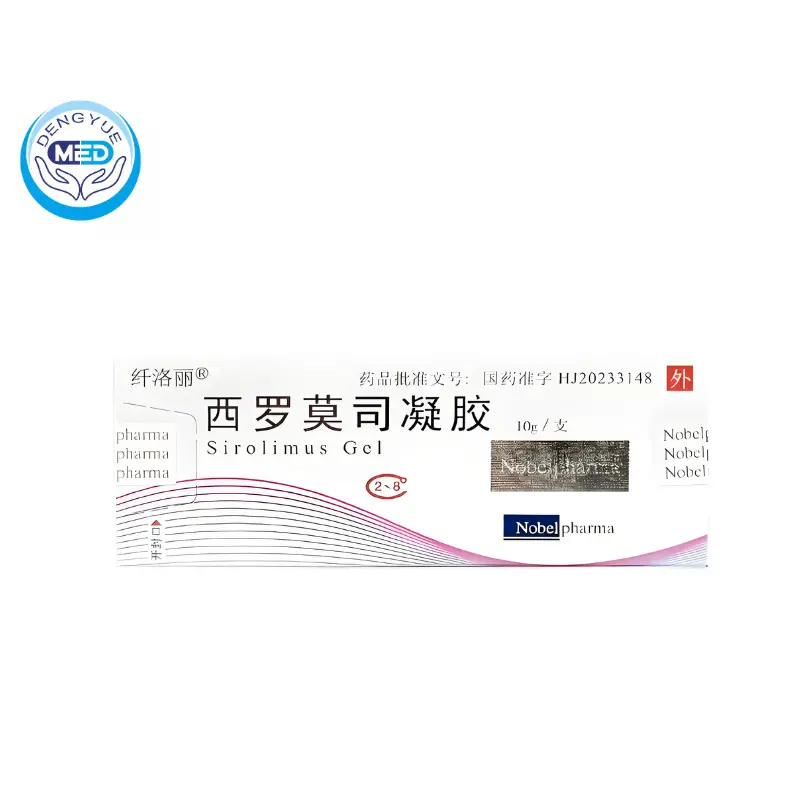
Sirolimus Gel | Facial Angiofibroma
-
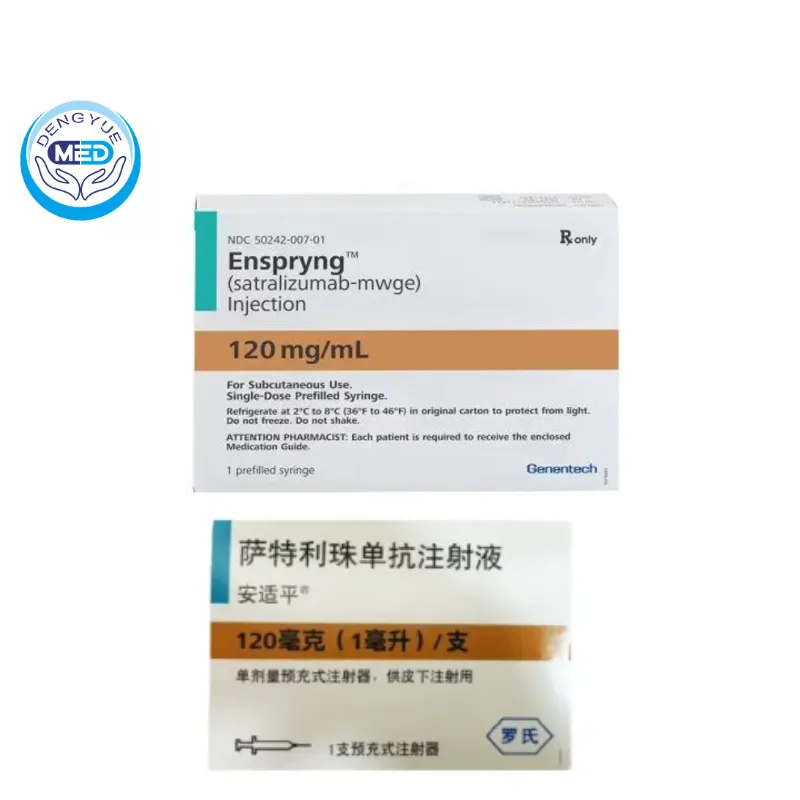
Enspryng Satralizumab | Optic Nerve Myelitis Spectrum Disorders
-
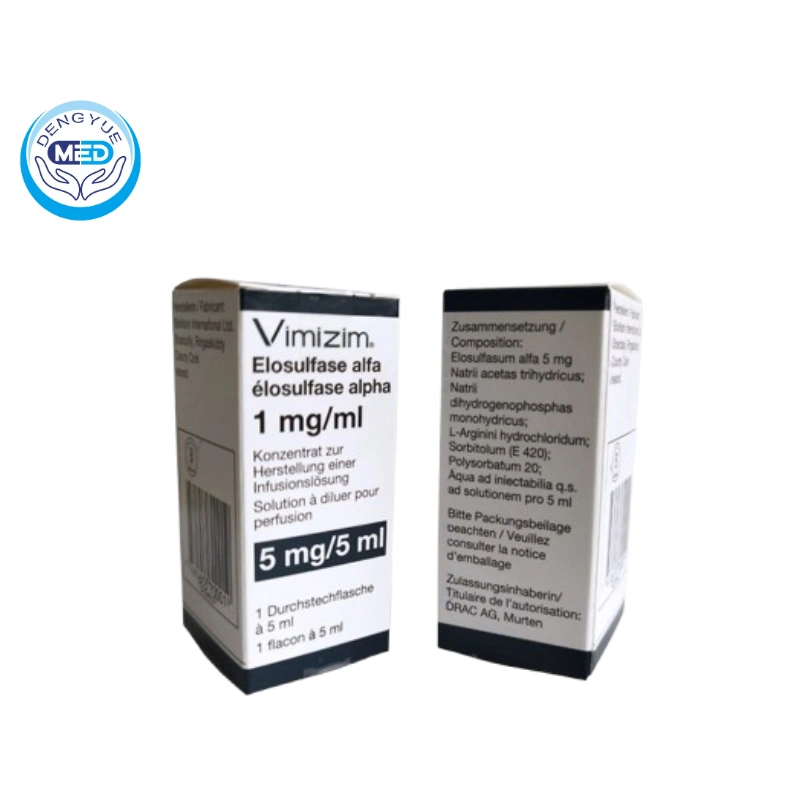
Vimizim Elosulfase Alpha | Mucopolysaccharidosis Type IV
-
Sodium Phenylbutyrate Granules | Urea Cycle Disorders
-
Prednisone Acetate Tablets|Immune Inflammatory Diseases
-
Ubenimex Capsules|Enhancement of immune function
-
Recombinant Human Somatropin | Growth Hormone Deficiency | DengYueMedicine
-
Pitolisant Hydrochloride Tablets
Reviews
There are no reviews yet.