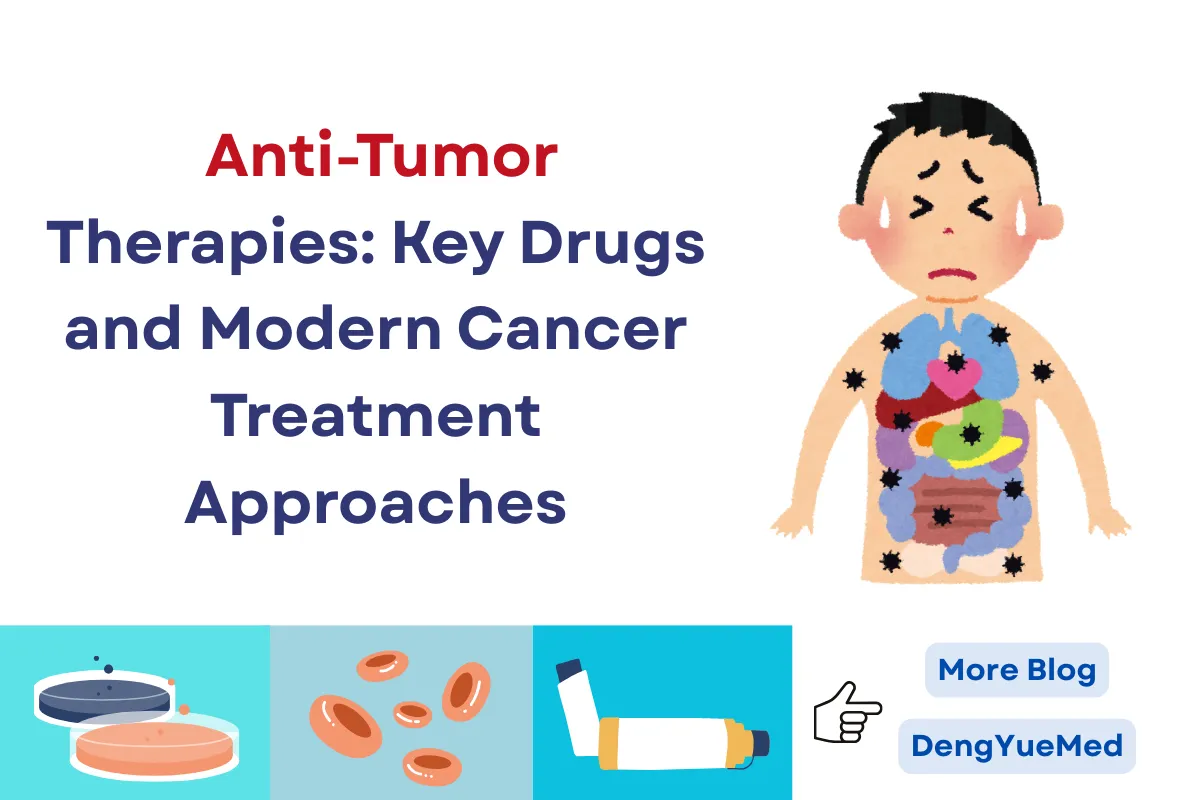
Anti-Tumor Therapies: Key Drugs and Modern Cancer Treatment Approaches
Cancer remains one of the most significant global health challenges, affecting millions of people every year. And cancer treatment often meant pain, suffering, and uncertainty.
Today, however, oncology is being rapidly reshaped by technological innovation—from targeted inhibitors to cell therapies, and from emerging degraders to bispecific antibodies.
The global oncology field is entering a “golden decade of innovative therapies.”
🙂 These breakthroughs not only extend patients’ lives but also make “better treatment and longer survival” a realistic possibility.
Amid this transformation, DengYueMed closely monitors global progress in anti-tumor drug development and clinical trends.
We remain dedicated to delivering reliable drug information and connecting healthcare providers, researchers, and patients with the latest innovative treatment options.
✅ In the sections ahead, we will break down modern oncology—from basic concepts and cancer classification to core anti-tumor therapies and treatment approaches—for a clear and structured understanding.
What Are Tumors?
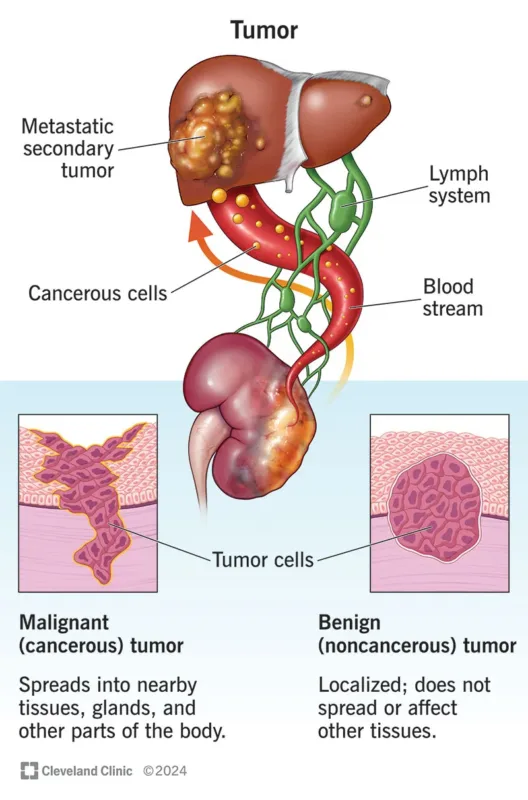
A tumor refers to an abnormal growth of cells. Tumors can be:
- ⭕ Benign: non-cancerous and localized
- ❌ Malignant: cancerous, invasive, and capable of spreading (metastasis)
Malignant tumors disrupt normal organ function by growing uncontrollably, invading tissues, and metastasizing through blood or lymphatic systems.
Why do tumors occur?
Tumor formation is a complex process driven by both internal (endogenous) and external (exogenous) factors.
These influences interact over time, leading to genetic mutations, uncontrolled cell growth, and ultimately tumor development.
🧬 Internal Causes (Endogenous Factors)
1. 🧬 Genetic Predisposition: Some individuals inherit mutations in tumor-suppressor genes or DNA-repair genes, making their cells more prone to malignant transformation.
2. 💉 Hormonal Imbalances: Abnormal or prolonged exposure to certain hormones (e.g., estrogen) can stimulate excessive cell proliferation, increasing the risk of specific cancers.
3. 💪 Immune System Dysfunction: A weakened immune system may fail to eliminate abnormal cells, allowing mutated cells to survive and expand into tumors.
4. 🧓 Aging-Related Genetic Instability: As people age, DNA replication errors and accumulated cellular damage increase, raising the likelihood of cancer-causing mutations.
🌍 External Causes (Exogenous Factors)
1. 🌿 Environmental Carcinogens: Exposure to pollutants, industrial chemicals, and toxins can cause direct DNA damage that triggers tumor formation.
2. 🏃♀️➡️ Lifestyle Factors: Tobacco, alcohol, unhealthy diets, obesity, and physical inactivity all contribute to chronic cellular stress and increase cancer risk.
3. ☢️ Radiation Exposure: Ultraviolet (UV) and ionizing radiation can induce DNA mutations that initiate malignant cell growth.
4. 🦠 Infectious Agents: Certain viruses and bacteria—such as HPV, HBV, H. pylori—can integrate into host DNA or cause chronic inflammation, promoting tumor development.
5. 😷 Chronic Inflammation: Long-term inflammatory conditions (e.g., ulcerative colitis, hepatitis) continuously injure tissues, creating an environment conducive to cancer.
👉 Understanding tumor biology enables the development of more precise anti-tumor therapies.
Types of Tumors
✅ Understanding the major categories of tumors helps explain why different patients require different anti-tumor treatment strategies.
Tumors can be classified in several ways, including tissue origin, anatomical location, and molecular characteristics.
Below are the most commonly recognized types.
1. Carcinomas: Arise from epithelial cells and account for 80–90% of all malignant tumors. They are among the most common cancers seen in clinical practice.
- Lung cancer (small cell & non-small cell lung cancer, NSCLC)
- Breast cancer, often classified by molecular subtype (HER2+, HR+, triple-negative)
- Gastric and colorectal cancers
- Hepatocellular carcinoma (liver cancer)
- Prostate cancer
2. Hematologic Malignancies:These cancers originate from blood-forming or immune cells and include:
- Leukemia (e.g., CML, acute leukemias)
- Lymphoma (Hodgkin and non-Hodgkin lymphoma)
- Multiple myeloma
3. Sarcomas: Develop from mesenchymal tissues, including bone, muscle, fat, and blood vessels. They are relatively rare but often highly aggressive
- Osteosarcoma
- Liposarcoma
- Soft tissue sarcomas
4. Central Nervous System (CNS) Tumors: These tumors arise in the brain and spinal cord.
- Glioblastoma
- Astrocytoma
- Meningioma
5. Metastatic Tumors: Occur when cancer cells spread from the primary tumor site to distant organs, such as:
- Breast cancer → bone or liver metastasis
- Lung cancer → brain metastasis
6. Pediatric Cancers: Children develop a distinct set of cancers that differ biologically from adult tumors.
- Acute lymphoblastic leukemia (ALL)
- Neuroblastoma
- Wilms tumor
Anti-Tumor Drugs
Modern cancer treatment includes several major categories. The drugs listed in the table fall into four main types:
1. Chemotherapy & Cytotoxic Agents
These drugs prevent cancer cells from dividing or trigger cell death.
Examples in the list:
- Paclitaxel for Injection (Albumin Bound): widely used for breast, lung, and ovarian cancers; albumin-bound formulation improves solubility and reduces solvent-related toxicity.
- Doxorubicin HCL Liposome Injection: a liposomal delivery system that enhances tumor targeting and lowers cardiac toxicity.
- Mitoxantrone HCL Liposome Injection: used for leukemias and metastatic prostate cancer; liposomal form improves pharmacokinetics.
- Irinotecan Liposome Injection: used particularly in colorectal cancer; liposomal version prolongs drug exposure within tumor tissue.
These formulations reflect a trend toward improved delivery systems that increase efficacy while reducing side effects.
2. Targeted Therapies
Targeted drugs act on specific molecules involved in cancer growth.
Examples in the list:
- Sorafenib Tosylate Tablets: a multikinase inhibitor used in liver, kidney, and thyroid cancers.
- Sunitinib Malate Capsules: targets multiple signaling pathways; widely used for renal cell carcinoma and gastrointestinal stromal tumors (GIST).
- Imatinib Mesylate Tablets: the first breakthrough targeted drug, transforming chronic myeloid leukemia (CML) into a manageable disease.
- Erlotinib Hydrochloride Tablets: an EGFR inhibitor commonly used in non-small cell lung cancer (NSCLC).
Targeted therapies represent a major milestone in cancer treatment, allowing precision medicine with fewer systemic side effects.
3. Proteasome Inhibitors
Bortezomib for Injection is a well-known proteasome inhibitor used to treat multiple myeloma.
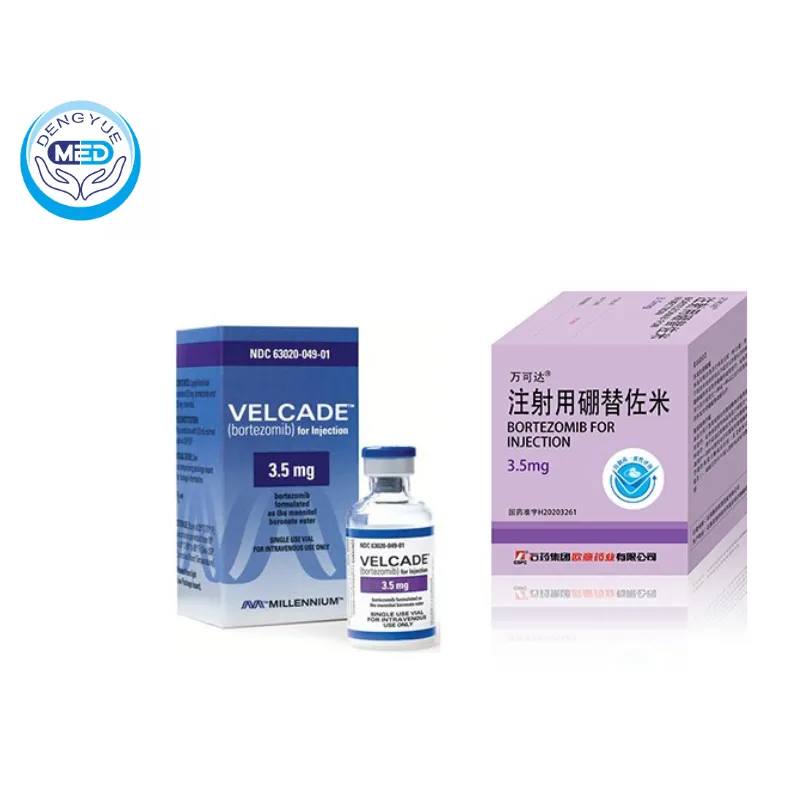
Velcade (Bortezomib) – Multiple Myeloma | HongKong DengYue Medicine
- Generic Name/Brand Name: Bortezomib/Velcade
- Indications: Multiple myeloma, relapsed or refractory mantle cell lymphoma
- Dosage Form: Lyophilized powder for injection
- Specification: 3.5 mg × 1 vial
It blocks protein degradation pathways in cancer cells, leading to apoptosis.
4. Supportive Care Biologics
Cancer treatment often lowers white blood cells, increasing infection risk.
- PEG-GCSF (Pegylated Granulocyte Colony-Stimulating Factor)
Helps stimulate neutrophil production, protecting patients during chemotherapy.
Supportive care drugs are essential for maintaining treatment schedules and improving patient tolerance.
How Anti-Tumor Therapies Are Chosen
👉 In major global oncology treatment guidelines (NCCN, ESMO, CSCO), treatment plans are typically formulated based on the following key factors:
- 🔢 Tumor type and stage: Determines whether local treatment should be prioritized or whether systemic therapy is more appropriate.
- 🧫 Molecular biomarkers(e.g., EGFR, ALK, PD-L1): Core elements of precision medicine that directly influence whether targeted therapy or immunotherapy will be effective.:
- 🧓 🧒 Patient age and overall health: Affect drug dosing, safety, and overall treatment tolerance.
- 👀 Previous treatment response: Help determine whether the current approach should be adjusted, switched, or combined with other therapies.
- 🧬 Genetic testing (e.g., EGFR mutation, ALK fusion): Guide the selection of more precise and effective treatment options, improving the likelihood of therapeutic success.
Based on this information, clinicians often adopt multimodal therapy💊+🏥, with common combinations including:
- Chemotherapy + targeted therapy
- Surgery + radiation + systemic therapy
- Immunotherapy + chemotherapy
- Local therapies (such as ablation) + systemic treatment
This multidisciplinary team (MDT) collaborative model has become a leading global trend in cancer treatment.
This multidisciplinary approach improves outcomes and tailors care to individual patient needs.
Future Directions in Anti-Tumor Treatment
The global oncology landscape is advancing at unprecedented speed, driven by breakthroughs in drug design, precision diagnostics, and translational science. Key development trends include:
1. Immunotherapy Continues to Reshape the Field
- PD-1/PD-L1 inhibitors (e.g., Pembrolizumab, Nivolumab) are expanding into earlier treatment lines and adjuvant settings.
- CAR-T therapy is rapidly evolving from hematologic malignancies toward solid tumor applications, supported by new targets, improved manufacturing platforms, and armored CAR designs.
- Bispecific immune engagers (BiTEs) are emerging as an alternative for patients who cannot access or tolerate CAR-T.
2. Next-Generation Targeted Therapies Accelerate Globally
- Highly selective inhibitors—such as KRAS G12C, HER2 exon 20, RET, BRAF and PI3Kα inhibitors—are setting new standards for molecularly defined populations.
- Asia, particularly China, is becoming one of the fastest-growing hubs for next-generation targeted drug innovation, with numerous first-in-class and best-in-class candidates entering late-stage trials.
3. Antibody-Drug Conjugates (ADCs) Enter a High-Growth Era
- ADCs such as Enhertu (T-DXd) and Padcev demonstrate strong efficacy across multiple tumor types, driving global interest.
- The field is rapidly expanding with novel payloads, cleavable linkers, and new tumor-selective targets, positioning ADCs as a key pillar in future oncology treatment.
4. Nanomedicine & Advanced Formulations Improve Drug Delivery
- Nanoparticle-based therapies, including liposomal and PEGylated formulations, enable higher tumor selectivity and lower systemic toxicity.
- Emerging platforms such as stimuli-responsive nanoparticles and targeted nanocarriers aim to solve delivery challenges for both small molecules and biologics.
5. Precision Oncology & Genomics-Guided Treatment
- Comprehensive genomic profiling (CGP) is increasingly incorporated into global guidelines such as NCCN、ESMO、CSCO.
- This supports the rise of personalized treatment strategies, including tumor-agnostic indications (e.g., MSI-H, NTRK fusion).
- Liquid biopsy technologies are enabling earlier diagnosis, minimal residual disease (MRD) monitoring, and real-time treatment adjustment.
✨ These rapidly evolving technologies aim to achieve greater precision, higher efficacy, and reduced toxicity—ultimately improving survival outcomes and quality of life for cancer patients worldwide.
Oncology is now entering a decade defined by multi-modal synergy, molecular precision, and globally accelerated innovation.
Conclusion
The medications listed under “Anti-Tumor” represent a broad spectrum of cancer therapies—from classic chemotherapeutics to modern targeted drugs and supportive biologics.
Together, they form the cornerstone of cancer management across various tumor types.
✨ Understanding tumor biology and the mechanisms of anti-tumor therapies helps patients, caregivers, and healthcare professionals navigate treatment decisions with greater confidence.
As research continues to move forward, more innovative and precise therapeutic options will emerge, offering renewed hope in the fight against cancer.
In line with our ongoing commitment to monitoring global trends in oncology research and therapeutic innovation, DengYue Medicine remains dedicated to staying informed.
👉 We continue to follow the development of various tumor types and emerging treatment approaches with a professional and responsible perspective.
FAQ about Anti-Tumor
What is an anti-tumor?
(AN-tee-TOO-mer) Having to do with stopping abnormal cell growth.
What does anti-tumor activity mean?
In subject area: Pharmacology, Toxicology and Pharmaceutical Science. Antitumor activity refers to the capacity of chemical substances to prevent or inhibit the formation or growth of cancer cells, promoting the death of abnormal cells that undergo accelerated division.
Which one is an anti-tumor drug?
Mesna, Doxorubicin, Ifosfamide, Dacarbazine; ′′ABVD: Adriamycin (Doxorubicin), Bleomycin, Vinblastine, Dacarbazine.
Are antitumor and anticancer the same?
antitumor antibiotic. A type of anticancer drug that blocks cell growth by interfering with DNA, the genetic material in cells. Also called anticancer antibiotic and antineoplastic antibiotic.