

Can We Outsmart Multiple Myeloma’s Genetic Maze?
Multiple myeloma (MM) is a type of blood cancer that affects plasma cells, a crucial part of the immune system responsible for producing antibodies.
When these cells become cancerous, they multiply uncontrollably in the bone marrow, leading to bone destruction, kidney damage, anemia, and a weakened immune system.
MM is the second most common blood cancer, primarily affecting older adults, with a median diagnosis age of around 65.
🧬 What are the first warning signs of multiple myeloma?
Multiple myeloma often starts silently.
Early symptoms include bone pain (especially in the spine, ribs, or pelvis), fatigue from anemia, easy bruising or bleeding, frequent infections, and high calcium levels leading to constipation or confusion.
Some patients experience kidney issues, like reduced urine output or swelling in the legs. Women may notice these similarly, though symptoms are not gender-specific.
📊 What are the stages of multiple myeloma?
Doctors usually use the Revised International Staging System (R‑ISS), based on biomarkers such as albumin, beta‑2‑microglobulin, LDH, and cytogenetics:
- Stage I: Lower biomarkers, better prognosis
- Stage II: Biomarkers between I and III
- Stage III: High beta‑2‑microglobulin and/or abnormal cytogenetics
An older system is Durie‑Salmon, which stages disease based on calcium levels, bone lesions, kidney function, and blood counts.
🩺 What is the prognosis for multiple myeloma?
MM is currently incurable, but treatments have greatly improved the prognosis in recent years:
- 5‑year survival (USA, 2013–2019): ~59–62%
- Overall average: 54–58%, depending on age and stage
- Depending on stage (Healthgrades): Stage I ~62 months, Stage II ~44 months, Stage III ~29 months.
A minority now achieve long-term survival: one-third of patients with intensive regimens may become long-term survivors.
Notably, some have lived 20+ years: Jon Gluck (diagnosed 2003) has survived two decades owing to novel therapies and CAR‑T.
🧪 Multiple myeloma treatment (drugs spotlight)
Contemporary treatment includes chemotherapy, proteasome inhibitors, immunomodulatory drugs (IMiDs), monoclonal antibodies, steroids, stem cell transplants, and supportive care (e.g., bisphosphonates).
Below are four drugs integral to multiple myeloma management:
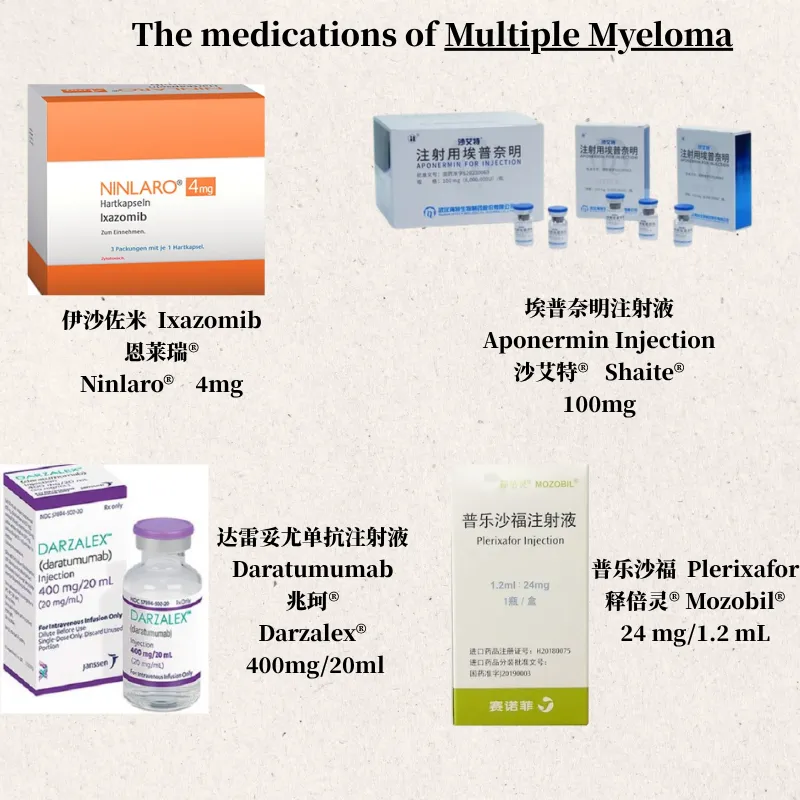
🔹 Plerixafor

Plerixafor is used to mobilize stem cells into the bloodstream before autologous stem cell harvest. Studies show up to 88% usage in conditioning regimens.
It’s not a cancer-killer but a facilitator for transplantation.
🔹 Daratumumab

Daratumumab is a monoclonal antibody targeting CD38 on myeloma cells. It’s approved for newly diagnosed and relapsed/refractory MM, used IV or subcutaneously.
Trials like POLLUX and CASTOR show it significantly improves progression-free survival when added to lenalidomide/dexamethasone or bortezomib/dexamethasone.
🔹 Aponermin Injection

Aponermin (a TRAIL-based agent) in combination with thalidomide and dexamethasone showed efficacy in relapsed MM in a multicenter Chinese trial (CPT-MM301).
It’s an emerging option for patients after multiple prior therapies.
🔹 Ixazomib
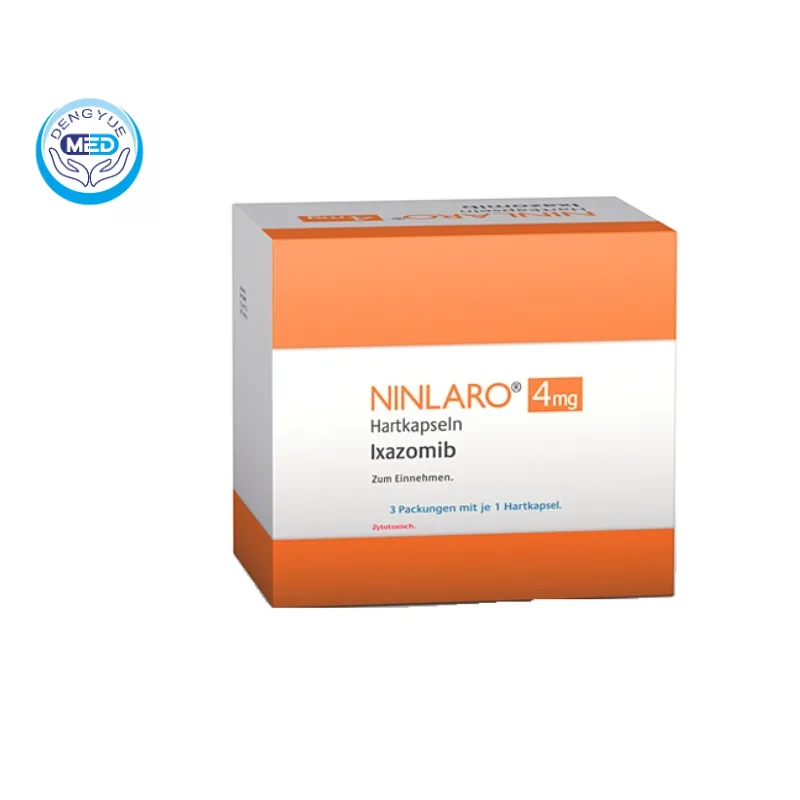
Ixazomib is the first oral proteasome inhibitor, typically combined with lenalidomide and dexamethasone (IRd).
In phase III trials, it increased median progression-free survival from 14.7 to 20.6 months and is also used in maintenance therapy.
🧪 How is myeloma first detected?
Myeloma often begins subtly and is first suspected through routine blood tests, revealing one of these anomalies:
- Elevated protein levels (M‑protein) in serum or urine electrophoresis tests.
- Abnormal light chains via serum free light chain assay.
- Low hemoglobin, high calcium, or impaired kidney function.
- On detecting any of these, doctors typically order a skeletal survey (X‑rays of skull, spine, ribs, pelvis) to spot characteristic “punched‑out” lytic lesions
Bone marrow biopsy and imaging (MRI, PET/CT) confirm the diagnosis.
🧬 Who is most at risk for multiple myeloma?
Key risk factors include:
- Advanced age: Most diagnoses occur after age 65; rare under 35
- Male gender: Men are slightly more susceptible than women.
- Race: African Americans face roughly double the risk of White Americans
- Family history: First-degree relatives with MGUS or MM slightly increase the risk.
- Precursor conditions: MGUS or smoldering myeloma greatly elevate the risk.
- Environmental/occupational exposures: Benzene, asbestos, pesticides, radiation, Agent Orange, petrochemical work, farming, firefighting.
- Obesity: High BMI is linked to a higher incidence
❓ Is multiple myeloma hereditary?
- Myeloma is not directly inherited, but a family history can slightly increase risk—1st-degree relatives have ~2‑4× higher—but still a small absolute chance
- Most genetic mutations in myeloma are acquired during life, not inherited.
💊 What causes multiple myeloma?
MM arises when plasma cells in bone marrow acquire genetic abnormalities (e.g., chromosomal deletions/translocations) that spur uncontrolled growth.
Known contributing factors include:
- DNA mutations in plasma cells—most cases are sporadic
- Chromosome 13 deletion and hyperdiploidy are frequently seen
- Environmental exposures (benzene, asbestos, radiation) may trigger DNA damage
- Precursors such as MGUS are common starting points
However, the exact cause remains unclear, and most patients don’t have obvious risk factors
⚠️ Complications of multiple myeloma
Myeloma causes a range of challenges:
- Bone damage: Lytic lesions lead to fractures and spinal compression
- Kidney failure from light chains or high calcium
- Anemia and infections due to impaired immune function
- Hypercalcemia, fatigue, bleeding → serious systemic effects
💡 How painful is multiple myeloma?
Bone pain is often the first symptom—dull, persistent pain in the back, ribs, or hips. Pain may become acute with fractures.
Fatigue, neuropathy (especially from treatments like bortezomib or ixazomib), and general malaise are also common.
🔍 How does multiple myeloma kill you?
Myeloma can be fatal through:
- Infections due to immune suppression
- Organ failure—kidneys or bone marrow
- Complications: fractures, bleeding, high calcium (which can lead to heart arrhythmias or coma)
✅ Summary
- Early detection of symptoms and staging is critical.
- While incurable, modern treatment allows for years, often decades, of a quality life.
- Each drug plays a specific role: harvesting cells (plerixafor), tumor targeting (daratumumab, aponermin), and proteasome blocking (ixazomib).
- Complications are managed through supportive care and multidisciplinary teams.
For further information, please contact us.
About DengYueMed – HK Drug Wholesale Distributor
As a legally compliant drug import and export company, DengYueMed is certified by the pharmacy & Poisons Board of Hong Kong — you can verify our qualification on their official website.

Our efforts to improve the affordability of Multiple Myeloma treatment aim to ensure that more patients can benefit from this important medication.
HK DengYue provides detailed medicine information, transparent pricing, and responsive support to ensure a smooth and reliable buying experience.
Feel free to reach out anytime to discuss your needs or ask questions about the medicine. We welcome you to contact us for a consultation.
FAQ About Multiple Myeloma
Can you live 20 years with multiple myeloma?
Yes, though rare, some patients, like Jonathan Gluck, have lived over 20 years with multiple myeloma thanks to modern therapies.
Can you recover from myeloma cancer?
Multiple myeloma isn’t curable, but many patients achieve long remissions and significantly improved survival with treatment.
What kind of cancer is associated with multiple myeloma?
Multiple myeloma is a type of plasma cell blood cancer that develops in the bone marrow.
Can I live a normal life with myeloma?
Yes, with proper treatment and follow-up, many people live well, often resuming daily activities and extended remissions.
Who usually gets myeloma?
It most commonly affects adults over age 65, men slightly more than women, and is over twice as common in Black individuals.