Pharmaceutical Transportation Requirements by Dosage Forms — A Pharmaceutical Distributor Perspective
In the global pharmaceutical supply chain, drug transportation is no longer a simple logistics process. It has evolved into a highly specialized system focused on pharmaceutical stability management.
Different dosage forms exhibit major differences in chemical structure, physical state, and biological activity, which directly determine their pharmaceutical transportation requirements by dosage forms.
In cross-border pharmaceutical distribution, these pharmaceutical transportation requirements become even more critical, as shipping conditions can directly affect drug stability, clinical efficacy, and patient safety.
As a long-term participant in the international pharmaceutical supply chain, the Chinese pharmaceutical distributor DengYueMed has observed a key issue:
the same medicine in different dosage forms may require completely different transportation and cold chain solutions.
This is not only about packaging differences, but also about stability control, activity preservation, sterility risks, and regulatory compliance.
Core Logic: Dosage Forms Determine Transportation Sensitivity Levels
Drug dosage forms determine how sensitive products are to temperature, humidity, light exposure, and vibration during logistics operations.
Different formulations face completely different transportation risks, meaning shipping strategies must be specifically designed according to product characteristics and corresponding pharmaceutical transportation requirements by dosage forms.
These sensitivity levels can generally be divided into five categories: 🔽
- Low sensitivity level: minimal impact from environmental changes
- Medium sensitivity level: requires controlled temperature and humidity
- High sensitivity level: requires cold chain logistics and stable environments
- Very high sensitivity level: requires strict temperature control or ultra-low temperature protection
- Ultra-high sensitivity level: requires ultra-low temperature storage with strict time-window management
Ultimately, the dosage form determines the transportation conditions and handling standards a pharmaceutical product must follow.
For pharmaceutical distributors, logistics is not simply about delivery. The real objective is maintaining product quality and stability throughout the entire supply chain process.
Low-Sensitivity Dosage Forms: Tablets and Capsules

Tablets and capsules are among the most stable dosage forms in global pharmaceutical trade and generally fall into the low-sensitivity category.
Most oral solid formulations remain stable at 15°C–25°C and can therefore be transported under ambient shipping conditions. This significantly reduces logistics costs compared to temperature-controlled biologics or injectable products that require stricter cold chain management.
Common transportation methods include:
- Ambient air freight or sea freight
- Blister packaging
- Moisture-resistant cartons
- Desiccant-assisted protection
Although these products are relatively stable, certain formulations still require additional care.
For example: 👇
- Effervescent tablets are highly sensitive to humidity
- Enteric-coated tablets may become unstable under heat
- Controlled-release tablets can be affected by mechanical pressure
Even low-risk formulations still require transportation planning based on stability characteristics and specific pharmaceutical transportation requirements by dosage forms.
Medium-Sensitivity Dosage Forms: Topical and Inhalation Products
Medium-sensitivity products require stable environmental conditions, physical protection, and packaging integrity.
Topical formulations

Creams, gels, and ointments usually do not require strict cold chain systems. However, they remain vulnerable to environmental stress during transportation.
Common risks include:
- Melting under high temperatures
- Phase separation
- Leakage
- Structural instability
As a result, topical drug logistics focus on leak prevention, compression resistance, and temperature protection.
This makes proper handling especially important under pharmaceutical transportation requirements by dosage forms.
Inhalation products
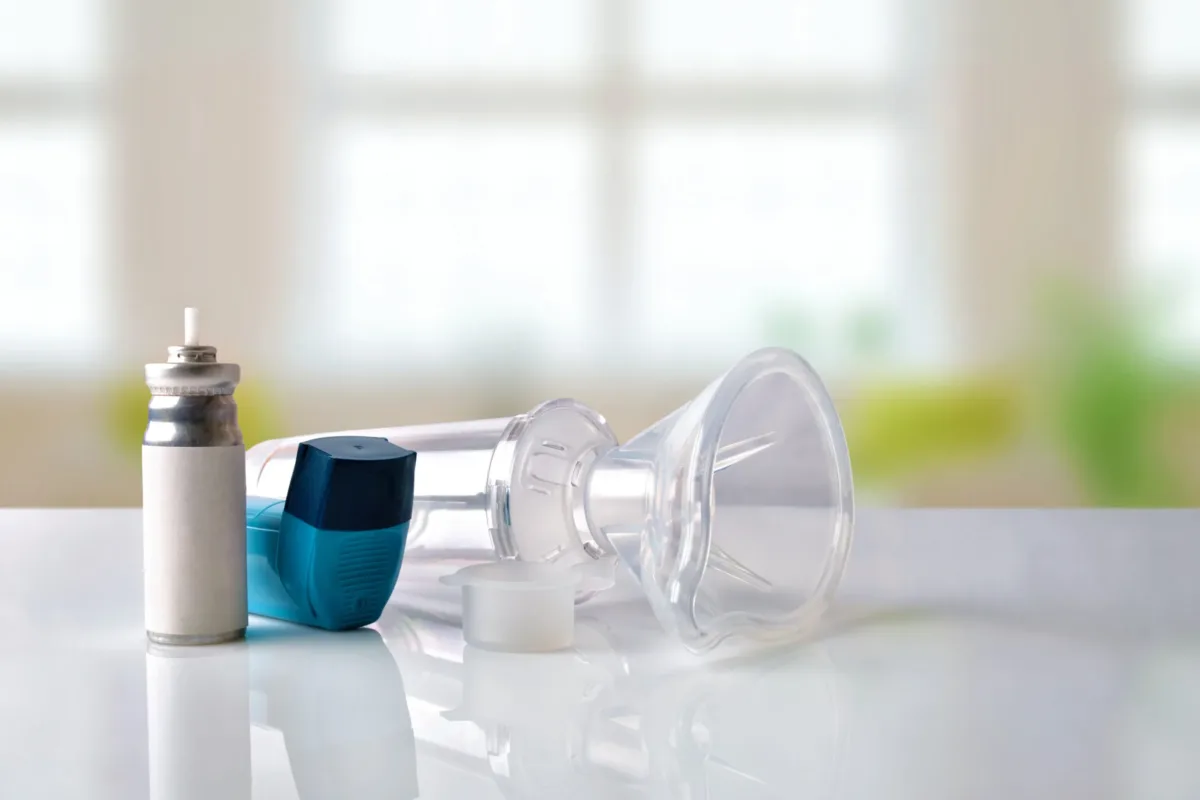
Inhalation therapies are often underestimated in pharmaceutical logistics. Metered-dose inhalers and aerosol systems are highly sensitive to humidity, temperature, and air pressure changes.
Inhalation products during transportation typically require:
- Protection from high temperatures
- Moisture-controlled storage
- Compression-resistant packaging
- Avoidance of extreme air pressure changes
During air freight operations, cabin pressure fluctuations may affect spray performance and dosage accuracy, making environmental control especially important under certain pharmaceutical transportation requirements.
High-Sensitivity Dosage Forms: Injectables and Lyophilized Products

Injectable drugs require significantly stricter transport standards compared to oral formulations because they directly enter systemic circulation.
These products demand higher levels of:
- Sterility control
- Stability protection
- Particulate management
Liquid injectables
Liquid injectable drugs generally require:
- 2°C–8°C cold chain logistics
- Light protection
- Shock-resistant packaging
- Real-time temperature monitoring
During international transport, pharmaceutical cold chain containers and temperature data loggers are commonly used.
Any interruption in cold chain conditions may lead to loss of activity or contamination risks, making stable temperature control especially important under pharmaceutical transportation requirements by dosage forms.
Lyophilized powders
Freeze-dried products are more stable than liquid formulations and are widely used in biologics distribution.
Their advantages include:
- Longer shelf life
- Better temperature tolerance
- Reduced cold chain pressure
However, lyophilized powders remain highly sensitive to vibration and physical impact, which may damage vial integrity.
The primary focus for these products is maintaining cold chain stability while preventing structural damage according to relevant pharmaceutical transportation requirements.
Very High-Sensitivity Dosage Forms: Biologics

Biologics represent one of the most demanding sectors in pharmaceutical cold chain logistics. Monoclonal antibodies, ADC therapies, vaccines, and recombinant proteins are highly sensitive biological molecules.
Exposure to excessive heat may result in:
- Protein denaturation
- Reduced biological activity
- Molecular aggregation
Freezing conditions may also irreversibly damage molecular structures. For this reason, biologics shipping requirements usually mandate strict 2°C–8°C cold chain management while prohibiting freezing.
🎯 These strict pharmaceutical transportation requirements by dosage forms are critical for maintaining biological activity and product efficacy.
Common transportation solutions include:
- Pharmaceutical cold chain air freight
- Active temperature-controlled containers
- GPS logistics tracking
- Real-time temperature alarm systems
For high-value oncology biologics, shipping containers themselves may include advanced monitoring and tracking technologies to meet increasingly strict pharmaceutical transportation requirements by dosage forms.
As the biologics market continues to expand globally, cold chain capability has become a major competitive advantage for pharmaceutical distributors.
Ultra-High-Sensitivity Dosage Forms: Cell and Gene Therapy Products

Cell and gene therapies represent the most complex category in modern pharmaceutical logistics.
These products typically require:
- Ultra-low temperature transport
- Liquid nitrogen storage
- Strict time-window control
- Continuous monitoring systems
Some therapies must remain below -80°C throughout transportation to preserve cell viability.
Radiopharmaceuticals may additionally require:
- Shielded packaging
- Certified transport systems
- Time-critical delivery procedures
- Specialized handling teams
For pharmaceutical distributors, these therapies require medical-grade logistics coordination rather than conventional shipping services, due to extremely strict pharmaceutical transportation requirements by dosage forms.
If you would like to learn more about cell and gene therapies that have been approved in China, please read this article: 👇
Why Dosage Forms Affect Pharmaceutical Transportation Requirements
The differences in pharmaceutical transportation requirements by dosage forms across dosage forms are mainly driven by three factors.
1️⃣ Physical state differences
Solid, liquid, freeze-dried, and aerosol formulations react differently to heat, humidity, and vibration, which directly affects logistics requirements.
2️⃣ Chemical and biological stability differences
Certain molecules, especially biologics, are structurally fragile and may degrade, denature, or lose activity when exposed to environmental stress.
3️⃣ Clinical risk differences
Products that directly enter systemic circulation or target biological pathways require stricter quality control and transportation protection standards, leading to more demanding pharmaceutical transportation requirements.
Pharmaceutical Transportation Requirements by Dosage Forms
| Dosage Form | Cold Chain Requirement | Main Transportation Risks | Common Logistics Method |
|---|---|---|---|
| Tablets/Capsules | No | Moisture, heat | Ambient air or sea freight |
| Topical products | Usually no | Leakage, melting | Ambient protective transport |
| Inhalation products | Partial | Pressure, humidity | Pressure-controlled transport |
| Liquid injectables | Yes | Activity loss, contamination | Pharmaceutical cold chain logistics |
| Lyophilized powders | Partial | Vibration, breakage | Cold chain + shock protection |
| Biologics | Strict | Protein degradation | End-to-end cold chain |
| Cell therapy | Ultra-low | Viability loss | Liquid nitrogen transport |
Why Pharmaceutical Distributors Are Investing More in Logistics Capabilities
In the modern pharmaceutical industry, competition is no longer based solely on sourcing capability.
As innovative drugs and biologics continue to grow, logistics capability is becoming one of the most important competitive strengths for pharmaceutical distributors.
International customers increasingly focus on:
- Cross-border delivery reliability
- GDP compliance
- Cold chain integrity
- Real-time monitoring capability
For high-value therapies, one transportation failure may result in the loss of an entire shipment, especially when complex pharmaceutical transportation requirements by dosage forms are involved.
As a result, pharmaceutical companies and distributors are investing heavily in cold chain warehousing, smart monitoring technologies, and global tracking systems.
HongKong DengYue Medicine continues improving its coordination capabilities in cross-border pharmaceutical logistics and cold chain collaboration to better support the safe and compliant distribution of different dosage forms worldwide.
Conclusion
From tablets to biologics and from oral medicines to cell therapies, different dosage forms require completely different pharmaceutical transportation requirements by dosage forms and logistics strategies.
Pharmaceutical transportation is far more than ordinary shipping. It is a highly specialized system centered on stability management, environmental control, and regulatory compliance.
Through long-term involvement in the global pharmaceutical supply chain, the Chinese pharmaceutical distributor DengYueMed continues to support safer, more stable, and more compliant pharmaceutical distribution solutions for international partners.
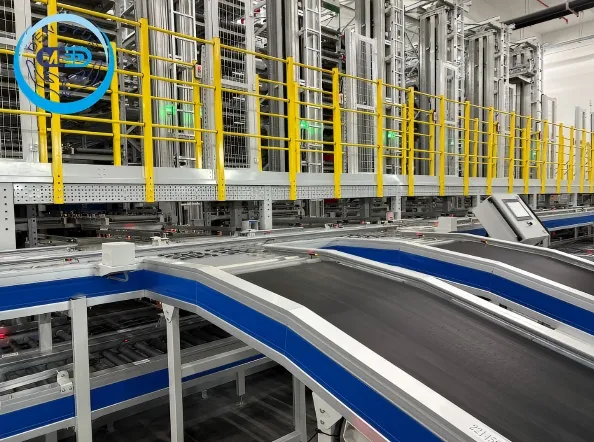
Pharmaceutical Distribution and Supply Chain Solutions
FAQ about Pharmaceutical Transportation Requirements by Dosage Forms
How are pharmaceutical transportation requirements defined for different dosage forms?
Pharmaceutical transportation requirements vary depending on the dosage form and its sensitivity to temperature, humidity, light, and vibration. These requirements are defined to ensure drug safety, stability, and effectiveness during transit.
Why do different dosage forms require different transportation conditions?
Different dosage forms have different stability levels. Tablets are generally more stable, while injectables, biologics, and cell therapies are more sensitive to temperature, vibration, and light during transportation.
Why is cold chain logistics important in pharmaceutical transportation?
Cold chain logistics maintains stable temperatures for biologics, vaccines, and other temperature-sensitive medicines. It helps reduce the risk of degradation and loss of activity during transportation.
Which pharmaceutical products require cold chain transportation?
Biologics, vaccines, injectable drugs, and some cell or gene therapies often require cold chain transportation. These products are highly sensitive to temperature changes and may lose stability or activity if not stored properly during transport.