
What You Need to Know About Sulbactam-Durlobactam: Mechanism, Benefits, and FDA Approval
What is Sulbactam-Durlobactam?
Sulbactam Durlobactam is a new and special drug combination used to combat multidrug-resistant infections, particularly those caused by Acinetobacter baumannii-calcoaceticus complex, a serious and often difficult-to-treat pathogen.
This combination of Sulbactam and Durlobactam offers a promising solution for infections that are resistant to traditional antibiotics, especially in critical care settings like hospital-acquired bacterial pneumonia (HABP) and ventilator-associated bacterial pneumonia (VABP).
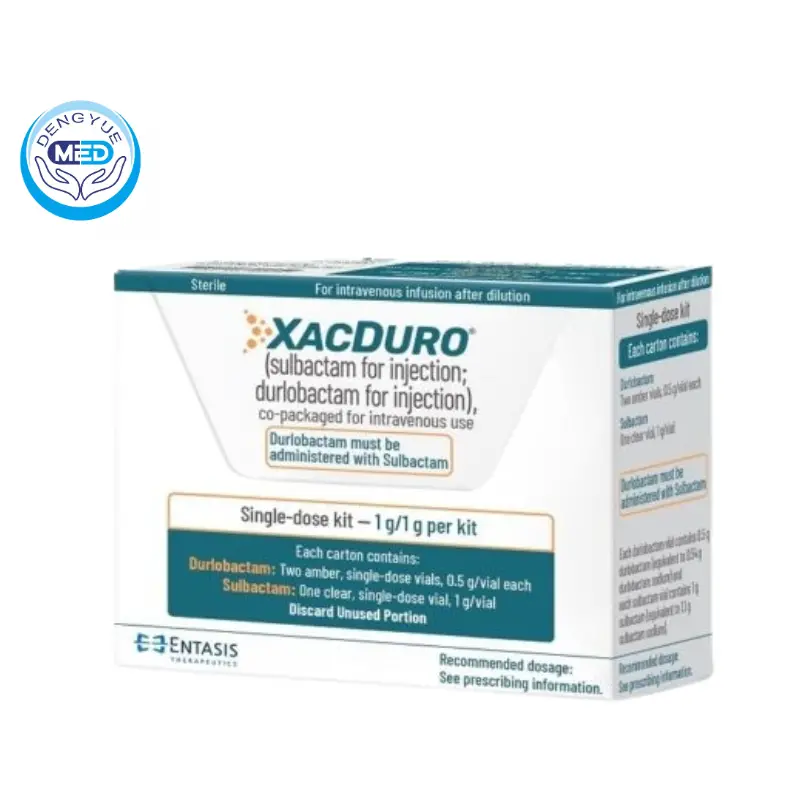
Sulbactam-Durlobactam is marketed under the brand name XACDURO.
It is available in intravenous formulation, typically administered in hospital settings where serious infections are most prevalent.
XACDURO has quickly become an essential treatment for multidrug-resistant infections, particularly in critical care units.
What is Sulbactam-Durlobactam Used For?
Sulbactam-Durlobactam is used for the treatment of serious bacterial infections caused by multidrug-resistant organisms, particularly Acinetobacter baumannii-calcoaceticus complex.
This combination is effective in treating hospital-acquired bacterial pneumonia (HABP) and ventilator-associated bacterial pneumonia (VABP).
These infections are difficult to treat due to the bacteria’s resistance to other antibiotics, making Sulbactam-Durlobactam a vital tool in critical care settings.
What Class of Antibiotic is Sulbactam?
Sulbactam is a beta-lactamase inhibitor. It is not an antibiotic by itself but is used in combination with beta-lactam antibiotics to enhance their efficacy by inhibiting beta-lactamase enzymes that bacteria produce to resist antibiotic action.
Sulbactam is commonly used in combination with penicillins and other antibiotics to fight infections caused by resistant bacteria.
What is Durlobactam?
Durlobactam is a novel beta-lactamase inhibitor, designed to block the mechanisms that allow certain bacteria to resist the effects of beta-lactam antibiotics.
It specifically inhibits the beta-lactamase enzymes produced by resistant bacteria, enabling the antibiotic partner, Sulbactam, to maintain its activity.
Durlobactam Mechanism of Action
The mechanism of action of Durlobactam revolves around its ability to inhibit beta-lactamase enzymes, which are produced by resistant bacteria to break down beta-lactam antibiotics like penicillins and cephalosporins.
By inhibiting these enzymes, Durlobactam restores the effectiveness of beta-lactam antibiotics in killing bacteria that would otherwise be resistant.
The Structure of Durlobactam
The structure of Durlobactam includes a beta-lactam ring, which is the essential component of beta-lactamase inhibitors.
This structure allows Durlobactam to interact effectively with bacterial enzymes and restore the potency of Sulbactam.
The structural design of Durlobactam is key to its role in targeting resistant bacteria and improving the efficacy of Sulbactam.
Sulbactam and Durlobactam: How They Work Together
When combined, Sulbactam and Durlobactam form a synergistic effect.
Sulbactam, an antibiotic, works by disrupting bacterial cell walls, while Durlobactam inhibits beta-lactamase enzymes, preventing bacteria from neutralizing the antibiotic.
Together, this combination helps fight resistant infections, ensuring that the antibiotics can work effectively even against stubborn strains of bacteria.
Is Sulbactam-Durlobactam FDA Approved?
Yes, Sulbactam-Durlobactam has been FDA approved for the treatment of infections caused by Acinetobacter baumannii, including hospital-acquired bacterial pneumonia (HABP) and ventilator-associated bacterial pneumonia (VABP).
The FDA approval was based on clinical trials, including the ATTACK trial, which demonstrated its efficacy in combating multidrug-resistant infections.
In recent years, Durlobactam Sulbactam has received FDA approval as a treatment option for infections caused by Acinetobacter baumannii.
Its approval was supported by extensive clinical trials, including the ATTACK Trial, which demonstrated the efficacy of Sulbactam Durlobactam in treating multidrug-resistant infections.
Durlobactam Sulbactam received FDA approval for the treatment of HABP and VABP, infections associated with high morbidity and mortality, especially when caused by multidrug-resistant bacteria.
The approval of this combination antibiotic marked a significant advancement in the fight against resistant infections.
Attack Trial: Sulbactam Durlobactam Efficacy
The ATTACK trial, a pivotal study in the clinical development of Sulbactam Durlobactam, demonstrated the efficacy of the combination in treating multidrug-resistant Acinetobacter baumannii infections.
The trial results supported the approval of Sulbactam Durlobactam by the FDA and highlighted its role in improving patient outcomes in hospital-acquired pneumonia and other critical infections.
Sulbactam Durlobactam: A New Hope for Resistant Infections
With the rise of antibiotic resistance, Sulbactam/Durlobactam offers new hope for patients suffering from serious bacterial infections that were previously difficult to treat.
As a combination of beta-lactamase inhibitor and antibiotic, Sulbactam-Durlobactam provides a powerful defense against Acinetobacter baumannii, a notorious pathogen in hospital settings.
Conclusion
Sulbactam-Durlobactam represents a groundbreaking advancement in the treatment of multidrug-resistant infections.
With its FDA approval and proven efficacy, it is a vital tool in the fight against hospital-acquired bacterial infections.
By targeting beta-lactamase enzymes, Sulbactam-Durlobactam restores the power of antibiotics, offering a reliable solution for the treatment of HABP, VABP, and other severe infections caused by Acinetobacter baumannii.
For more information on Sulbactam Durlobactam and its role in resistant infection treatment, please consult your healthcare provider or contact HK DengYueMed.