
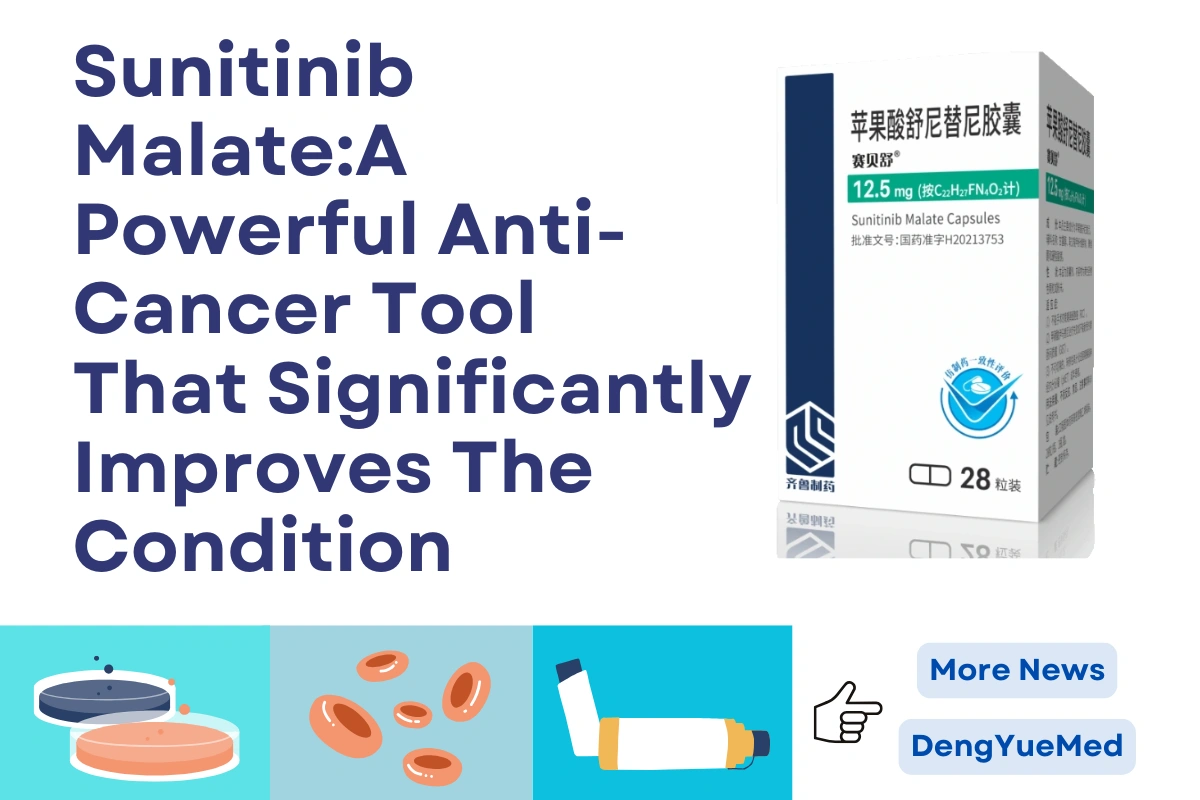
Sunitinib Malate: A Powerful Anti-Cancer Tool That Significantly Improves The Condition
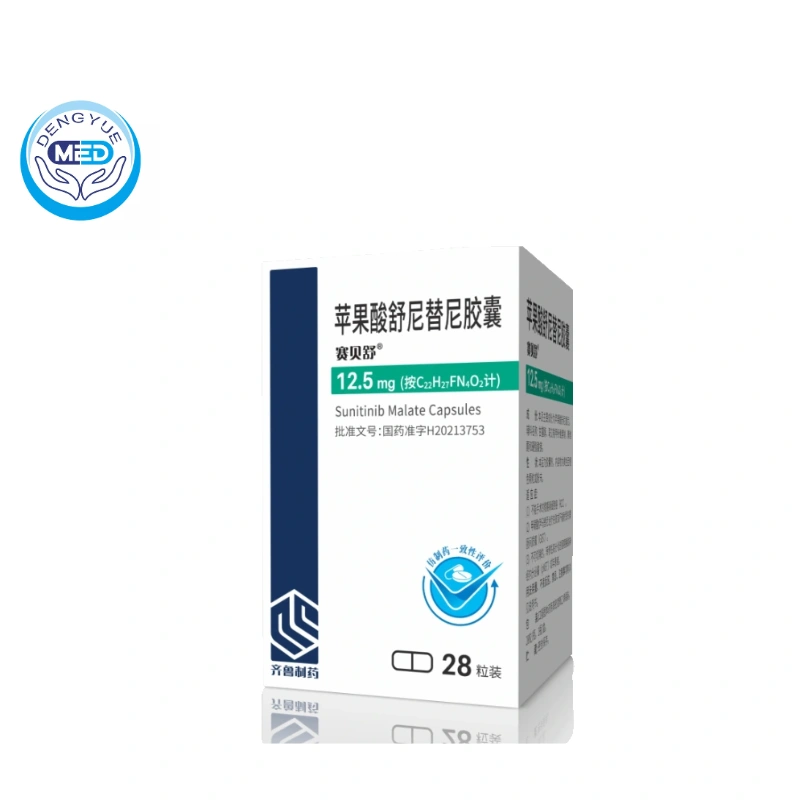
Sunitinib malate capsules are used to treat various malignant tumors, including renal cell carcinoma, gastrointestinal stromal tumors (GISTs), pancreatic neuroendocrine tumors (PNETs), etc.
As a multi-target tyrosine kinase inhibitor, sunitinib malate significantly improves the survival rate and quality of life of patients by precisely targeting cancer cells, inhibiting tumor growth and metastasis, and bringing new hope for cancer treatment.
What Is Sunitinib Malate?
Sunitinib malate is a multi-target tyrosine kinase inhibitor that works by blocking multiple tyrosine kinase receptors, inhibiting tumor cell growth, angiogenesis, and tumor metastasis.
It specifically targets the vascular endothelial growth factor receptor (VEGFR) and platelet-derived growth factor receptor (PDGFR), which play key roles in cancer cell proliferation, angiogenesis, and tumor progression.
The unique feature of sunitinib malate is that it can simultaneously target multiple cancer signaling pathways, not only directly preventing cancer cell proliferation, but also limiting tumor growth by inhibiting angiogenesis (blocking the formation of tumor blood vessels), opening up new possibilities for targeted therapy.
Sunitinib Malate:Multi Target Therapy Is Widely Used
Sunitinib malate is approved for the treatment of various types of cancer, particularly the following:
(1) Renal cell carcinoma (RCC): a common malignant kidney tumor, sunitinib can significantly slow down tumor progression and prolong patient survival.
(2) Gastrointestinal stromal tumor (GIST): used to treat metastatic or unresectable GIST, especially in patients who have received imatinib treatment, sunitinib provides an effective alternative treatment option.
(3) Pancreatic neuroendocrine tumors (PNETs): sunitinib can significantly delay tumor growth and improve patients’ quality of life.
In addition, sunitinib is also used to treat some other types of tumors, including soft tissue sarcomas.
Sunitinib Malate: Significant Therapeutic Effect, Prolonging Survival Period
In multiple clinical trials, sunitinib malate capsule has shown significant anti-cancer effects.
Especially in the treatment of renal cell carcinoma, sunitinib can effectively delay tumor progression, reduce the risk of metastasis, and significantly improve patient survival.
In the treatment of gastrointestinal stromal tumors, sunitinib has also significantly improved treatment efficacy, controlled tumor progression, and provided hope for patients who have not responded to traditional treatments.
In the treatment of pancreatic neuroendocrine tumors, sunitinib significantly delays tumor growth and has relatively fewer side effects compared to traditional chemotherapy, improving patients’ quality of life.
Sunitinib Malate: Convenient Oral Treatment
Sunitinib malate is taken orally in capsule form, making it convenient for patients to take it on time every day.
The recommended standard dose is 50 mg once daily, usually for a treatment cycle of 4 weeks, followed by a 2-week rest period to reduce side effects and enhance treatment efficacy.
The dosage can be adjusted according to the doctor’s advice based on the patient’s individual response.
Patients need to undergo regular liver function, kidney function, blood routine, and other tests during the treatment process to ensure the safe use of drugs.
Sunitinib Malate: Side Effects And Safety
Although sunitinib malate has significant therapeutic effects, it may also cause some side effects.
Common side effects include fatigue, decreased appetite, nausea, diarrhea, oral ulcers, etc.
More serious side effects may include hypertension, heart problems, abnormal liver and kidney function, and decreased white blood cells. Therefore, patients need to undergo regular health monitoring when using sunitinib.
Sunitinib Malate: A Brand New Choice For Targeted Therapy
The approval of sunitinib malate has brought revolutionary treatment options for a variety of cancer patients.
As a multi-target targeted drug, it can not only effectively inhibit tumor growth, but also limit tumor expansion by inhibiting angiogenesis, reducing tumor recurrence and metastasis.
With the further development of targeted therapy, sunitinib will play an increasingly important role in future cancer treatment.
Summary
Sunitinib malate, as an innovative multi-target targeted drug, has brought new therapeutic hope to cancer patients.
By precisely targeting multiple cancer signalling pathways, sunitinib not only effectively inhibits tumor growth, but also reduces tumor metastasis and angiogenesis, significantly prolonging patient survival and improving quality of life.
However, DengYue’s efforts to increase the affordability of the medicine are critical to ensuring that more patients benefit from it.
We welcome you to reach out to us to buy Sunitinib Malate. DengYueMedicine is here to provide detailed medicine information, pricing, and support to ensure a smooth and reliable buying experience.
Feel free to contact us anytime to discuss your needs or ask any questions about the medicine.
Information from DengYueMed, China Drug Import and Export Wholesaler offers this information as a guide, not a substitute for professional medical advice. Consult your doctor before any treatment.